Satin Printed Fabric for Clothing (Discharge Printing)
CN → US| HS Code | Tariff Rate | Origin | Destination | Doc |
|---|---|---|---|---|
| 5408349085 | 47.0% | CN | US | Official Doc |
| 5408349050 | 47.0% | CN | US | Official Doc |
| 5407942050 | 49.9% | CN | US | Official Doc |
| 5208592015 | 45.3% | CN | US | Official Doc |
| 5407942050 | 49.9% | CN | US | Official Doc |
Product Images
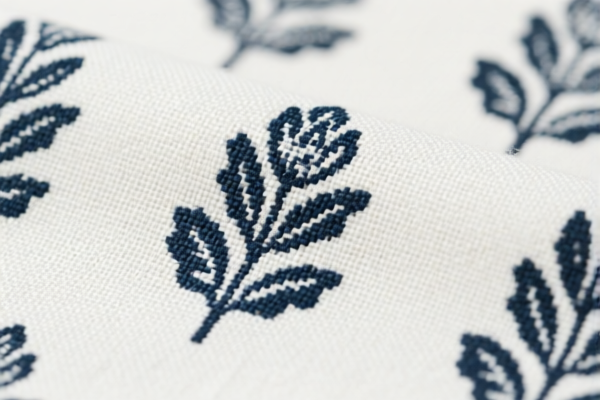
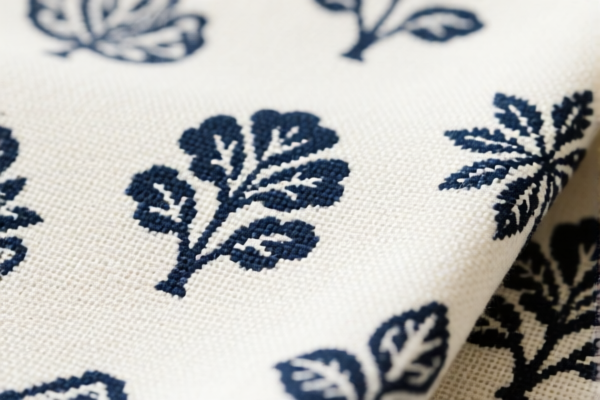
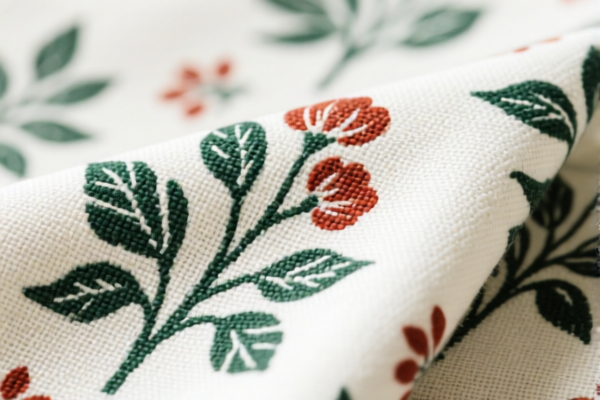
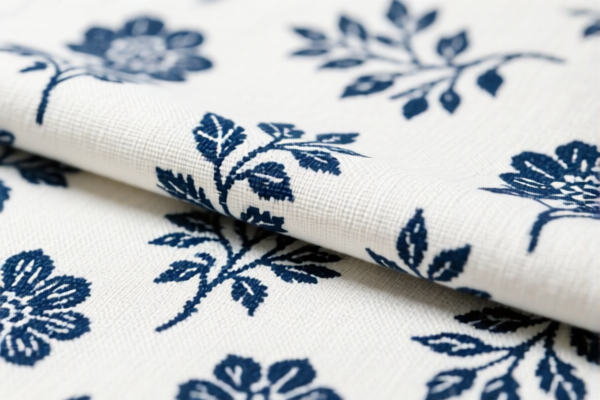
AI Analysis
🧵 Satin Printed Fabric for Clothing (Discharge Printing)
🌐 HS Code Reference & Customs Clearance Guide | 2026 Latest Tariff Analysis | Professional Customs Strategy
📌 I. Product Definition & Classification: Do You Really Understand "Satin Fabric"?
Satin Printed Fabric for Clothing (Discharge Printing) refers to woven textiles characterized by a Satin weave structure (smooth surface, lustrous face) and finished with Discharge Printing (a dyeing technique where color is chemically removed from previously dyed fabric to create patterns). This type of fabric is primarily used in the garment industry for high-end apparel due to its luxurious texture and aesthetic appeal.
In international trade, the classification depends critically on three factors: 1. Material Composition: Is it synthetic (e.g., Polyester/Nylon) or natural (e.g., Cotton)? 2. Weave Structure: Is it Satin (缎纹), Twill (斜纹), or Plain (平纹)? 3. Finishing Process: Is it Discharge Printed (拔印) or regular Printed (印花)?
⚠️ Key Distinction Point:
- If the material is Synthetic (common for Satin) →归入 Chapter 54 (Man-made Filaments) or Chapter 55 (Man-made Staple Fibers).
- If the material is Cotton (less common for high-luster Satin, but possible) → 归入 Chapter 52 (Cotton).
- The term "Discharge Printing" is a specific finishing process that must be declared to ensure accurate classification under the correct subheading for printed fabrics.
📦 II. HS Code Classification Details (2026 Latest Tariff Authority Comparison)
Based on the provided data, here are the potential HS Codes and their matching logic:
| HS Code | Product Description | Matching Logic from Data | Total Tax Rate |
|---|---|---|---|
5408.34.90.85 |
Woven fabrics of synthetic filament yarn (Satin/Printed) | Matches "Printed (Discharge Print)"工艺. Material is woven fabric. Explicitly mentions the specific requirement for discharge printing. | 47.0% |
5408.34.90.50 |
Woven fabrics of synthetic filament yarn (Satin Woven, Printed) | Matches Material (Synthetic Filament inferred from Satin) and Form (Satin Woven + Printed). Fully consistent with code explanation. | 47.0% |
5407.94.20.50 |
Woven fabrics of synthetic fibers (Satin, Discharge Printed) | Matches Material (Synthetic fiber inferred), Form (Woven Fabric), and Structure (Satin). Fully complies with material, form, and structure requirements. | 49.9% |
5208.59.20.15 |
Woven cotton fabrics (Satin, Discharge Printed) | Matches Form (Satin/Gabardine) and Process (Discharge Printed). Material inferred as Cotton based on "Woven Fabrics" + common sense. | 45.3% |
5407.94.20.50 |
Woven fabrics of synthetic fibers (Satin, Printed) | Explicitly mentions 'Satin' organization, 'Printed' use, and 'Woven Fabric' form. Matches "Satin/Twill Printed Fabric" requirements. | 49.9% |
🔍 Critical Note:
- Chapter 54 (5408/5407) generally applies to Synthetic Filament fabrics. Satin fabric is most commonly made of Polyester or Nylon filaments.
- Chapter 52 (5208) applies to Cotton fabrics. If the satin is cotton-based, this code is used.
- The distinction between5408and5407often lies in the specific fiber type (filament vs. other synthetic) and weave weight, but both result in similar high tax rates due to Section 301/IEEPA tariffs.
💰 III. 2026 Latest Tariff Rate Breakdown (Including Surtaxes & Policy Add-ons)
✅ Applicable Country: United States (US)
✅ Country of Origin: China (CN)
✅ Effective Date: November 10, 2025 (and subsequent imports)
🎯 1. 5408.34.90.85 & 5408.34.90.50 —— Synthetic Filament Woven Fabrics (Satin/Printed)
| Item | Details |
|---|---|
| Base Tariff | 12.0% (Ad Valorem) |
| Section 301 Surcharge | +25.0% |
| IEEPA Surcharge (Section 122/EEA) | +10.0% |
| Total Tariff Rate | 47.0% |
| Tax Calculation | CIF Value × 47% |
| De Minimis Exemption | ❌ Not Eligible (deny_de_minimis) |
| Legal Basis Path | USITC:5408.34.90.x → Section 301: Footnote 9903.88.01 → IEEPA: 9903.01.25 |
📌 Explanation:
- These codes fall under Section 301 (Trade Act of 1974) due to being Chinese-made textile products.
- The 10% IEEPA surcharge applies specifically to goods originating from China/Hong Kong under the International Emergency Economic Powers Act.
- Combined Rate: 47%. This is a very high tariff for textile materials.
🎯 2. 5407.94.20.50 —— Woven Fabrics of Other Synthetic Fibers (Satin/Printed)
| Item | Details |
|---|---|
| Base Tariff | 14.9% (Ad Valorem) |
| Section 301 Surcharge | +25.0% |
| IEEPA Surcharge | +10.0% |
| Total Tariff Rate | 49.9% |
| Tax Calculation | CIF Value × 49.9% |
| De Minimis Exemption | ❌ Not Eligible |
| Legal Basis Path | USITC:5407.94.20.50 → Section 301 → IEEPA |
📌 Note:
- Slightly higher base tariff (14.9% vs 12.0%) leads to a higher total cost.
- Applies to synthetic fibers that may not fit the specific "filament" definition of 5408 but are still synthetic.
🎯 3. 5208.59.20.15 —— Woven Cotton Fabrics (Satin/Discharge Printed)
| Item | Details |
|---|---|
| Base Tariff | 10.3% (Ad Valorem) |
| Section 301 Surcharge | +25.0% |
| IEEPA Surcharge | +10.0% |
| Total Tariff Rate | 45.3% |
| Tax Calculation | CIF Value × 45.3% |
| De Minimis Exemption | ❌ Not Eligible |
📌 Optimization Tip:
- If the fabric is 100% Cotton, the total tax is 45.3%, which is 1.7% lower than the synthetic options.
- However, true "Satin" weave is much more common in synthetics (Polyester/Nylon) due to the lustre. Cotton satin often lacks the same high gloss unless treated. Verify material composition strictly.
🛠️ IV. Customs Clearance Practical Advice (Avoiding Pitfalls)
✅ 1. Required Documentation Checklist
| Document | Required | Notes |
|---|---|---|
| ✅ Product Specification Sheet | ✔️ | Must specify: Material % (e.g., 100% Polyester), Weave (Satin), Finish (Discharge Printed). |
| ✅ Fabric Swatch/Photo | ✔️ | Clear photo showing the satin sheen and discharge print pattern. |
| ✅ Bill of Lading / Invoice | ✔️ | Description must match HS Code definition: "Satin Woven Fabric, Discharge Printed, for Clothing." |
| ✅ Certificate of Origin (CO) | ✔️ | Essential for verifying China origin (triggers 301/IEEPA taxes). |
| ✅ Labeling Information | ✔️ | Fiber content label is mandatory for textile imports to the US. |
✅ 2. Declaration Strategy (Key Mantra)
🔥 “Material First, Weave Second, Print Third! Name Accurate, Tax Accurate!”
| Scenario | Correct Declaration | Incorrect Declaration | Consequence |
|---|---|---|---|
| Synthetic Satin | "Woven Fabric of Synthetic Filament, Satin Weave, Discharge Printed" | "Cotton Fabric" | Misclassification Penalty + Back Taxes |
| Cotton Satin | "Woven Cotton Fabric, Satin Weave, Discharge Printed" | "Synthetic Fabric" | Audit Risk, Delayed Clearance |
| Mixed Fabric | Exact % of fibers (e.g., 95% Poly, 5% Spandex) | "Blended Fabric" | Customs may assign highest rate |
| Discharge vs. Regular Print | Specify "Discharge Print" | "Printed Fabric" | May lead to wrong subheading (e.g., 5407 vs 5408) |
✅ 3. Special Considerations for "Discharge Printing"
- Chemical Compliance: Discharge printing involves chemicals (bleaching agents). Ensure the fabric meets US CPSIA (if for children's clothing) or California Prop 65 standards if applicable.
- Hand Feel & Lustre: Customs officers may inspect the fabric for lustre to confirm "Satin" weave. If it looks like plain weave, it could be reclassified, affecting the tax code.
- Origin Marking: All fabric rolls must be marked with country of origin (China) if imported in bulk, or the final garment must bear the origin marking if imported as finished goods.
🌍 V. Global Market Comparison (2026)
| Country/Region | Recommended HS Code | Estimated Tax (China Origin) | Certification | Notes |
|---|---|---|---|---|
| 🇺🇸 USA | 5408.34.90 or 5208.59 |
45.3% - 49.9% | CPSIA, Prop 65 | Highest tariff due to 301 + IEEPA |
| 🇨🇳 China | 5408 or 5208 |
~5-12% | GB Standards | No anti-dumping for fabrics domestically |
| 🇪🇺 EU | 5407 or 5208 |
~12% | REACH, CE | No Section 301 equivalent, but REACH strict |
| 🇬🇧 UK | 5407 or 5208 |
~12% | UKCA | Post-Brexit rules apply |
| 🇻🇳 Vietnam | N/A | 0% | Local Standards | Transshipment risk if originating from China |
📌 Conclusion:
- USA is the most expensive market for Chinese textile imports due to layered tariffs.
- Cost Saving Tip: If the final garment is shipped to the US, consider Third-Country Transshipment (e.g., cut/sew in Vietnam) to avoid Section 301/IEEPA tariffs on the fabric. However, "Substantial Transformation" rules must be strictly met.
📌 VI. Common Errors & Pitfalls (Lessons Learned)
❌ Error 1: Declaring "Satin Fabric" without specifying material.
👉 Consequence: Customs assigns a generic code with highest possible tariff (e.g., assuming synthetic 49.9% instead of cotton 45.3%).
❌ Error 2: Using "Printed" instead of "Discharge Printed".
👉 Consequence: While tax rate may be similar, discharge printing requires specific handling notes for chemical compliance. Misdeclaration leads to regulatory fines.
❌ Error 3: Assuming De Minimis ($800) applies.
👉 Consequence: Textiles are excluded from De Minimis exemption if from China. Even small samples are subject to full duties and formal entry.
❌ Error 4: Incorrect Weave Identification.
👉 Consequence: Satin (5408/5407/5208) vs. Twill (different codes). If classified as Twill, tax rate might differ. Accurate weave description is key.
✅ Correct Practice:
"Woven Fabric, 100% Polyester, Satin Weave, Discharge Printed, for Garment Manufacturing, Origin China"
🎯 VII. Conclusion: Precision in Classification Saves Money!
🎯 Remember the Mantra:
🔹 "Material is King, Weave is Queen, Print is the Crown.
🔹 China Origin = 301 + IEEPA = ~47%.
🔹 "Declare 'Discharge' clearly, avoid chemical compliance issues!"
📌 Pro Tip:
If your fabric is 100% Cotton, choose 5208.59.20.15 for a 1.7% tax saving compared to synthetic options.
If synthetic, compare 5408 (47%) vs 5407 (49.9%) based on filament vs. staple fiber.
📣 Immediate Action:
📞 Consult a licensed customs broker to verify fiber composition.
📄 Prepare detailed fabric specs including weave structure and dyeing method.
🚀 Plan supply chain to mitigate 47-50% tariff impact.
✨ Professional Customs Clearance Starts with Accurate Classification!
💼 Every percentage point of tax savings is pure profit!
Customer Reviews
About HS Code Classification
The Harmonized System (HS) is an internationally standardized nomenclature developed by the World Customs Organization (WCO) to classify traded products. Over 200 countries use the HS system as the basis for customs tariffs, trade statistics, and import/export regulations.
Each HS code follows a hierarchical structure:
- Chapter (2 digits) — Broad category of goods (e.g., Chapter 84: Machinery and Mechanical Appliances)
- Heading (4 digits) — More specific grouping within the chapter
- Subheading (6 digits) — Internationally standardized breakdown, used by all WCO member countries
- National subdivisions (8-10 digits) — Country-specific extensions for further classification, such as US HTSUS 10-digit codes
Correct HS code classification is essential for smooth customs clearance, accurate duty payment, and compliance with trade regulations. Misclassification can lead to customs delays, overpayment of duties, or penalties.
When importing from CN to US, the applicable tariff rates may include:
- Most-Favored-Nation (MFN) rate — The standard duty rate applied to WTO members
- General rate — Applied to countries without trade agreements
- Trade remedy duties — Additional tariffs such as Section 301 (anti-dumping), Section 232 (national security), or countervailing duties
The information provided on this page is for reference purposes only. For official classification, please consult with your local customs authority or a licensed customs broker.