Satin Toy Fabric
CN → US| HS Code | Tariff Rate | Origin | Destination | Doc |
|---|---|---|---|---|
| 5407922050 | 49.9% | CN | US | Official Doc |
| 5407912050 | 49.9% | CN | US | Official Doc |
| 5408329050 | 50.0% | CN | US | Official Doc |
| 5408312050 | 49.9% | CN | US | Official Doc |
| 6006420085 | 45.0% | CN | US | Official Doc |
| 6006440085 | 45.0% | CN | US | Official Doc |
Product Images
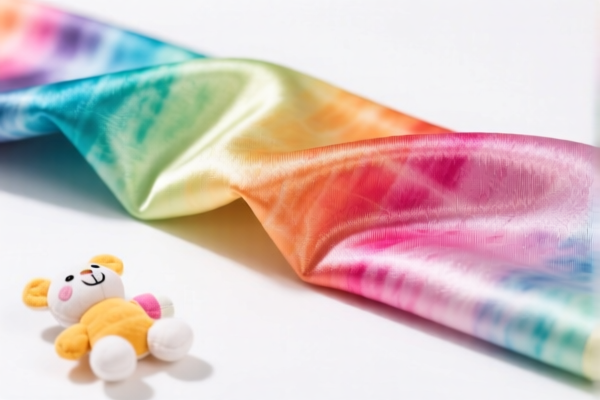
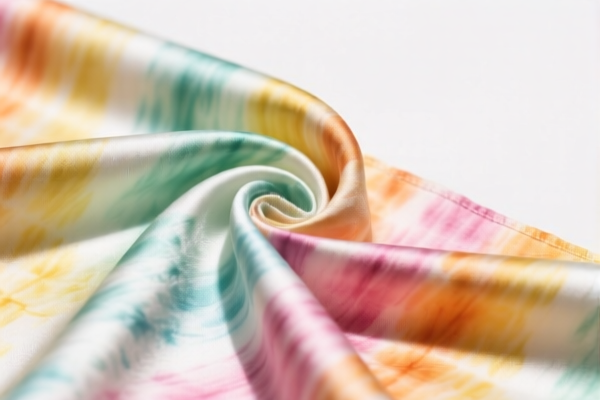
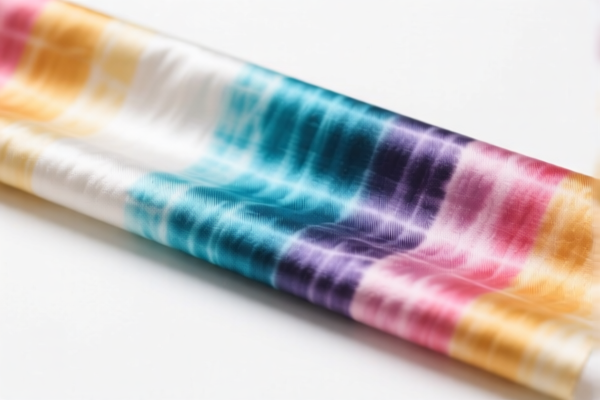
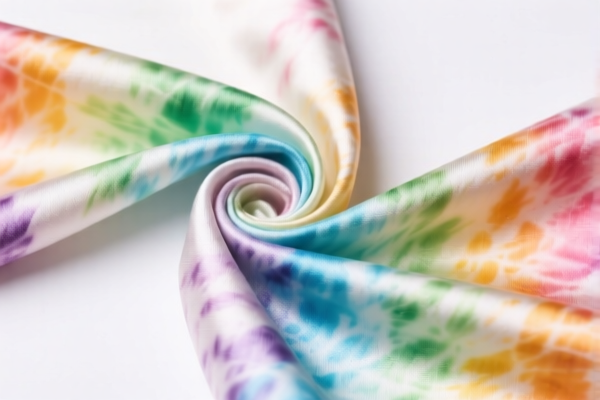
AI Analysis
🌟 Satin Toy Fabric – HS Code & Tariff Guide 2026 | Expert Customs Classification & Clearance Strategy
📌 One-Stop HS Code & Tax Breakdown | 2026 Updated Tariff Rules | Global Clearance Tips
✅ Product Type: Satin Weave or Twill Weave Fabrics for Toys (Knitted/Crocheted or Woven, Artificial Fibers)
✅ Target Markets: USA, EU, China, Australia, Japan
✅ Applicable HS Codes: 6006.42.00.85, 6006.44.00.85, 5408.32.90.50, 5408.31.20.50, 5407.92.20.50, 5407.91.20.50
✅ Origin: China (CN), Vietnam (VN), India (IN), Turkey (TR)
🧵 1. Product Definition & Classification: What Is "Satin Toy Fabric"?
"Satin Toy Fabric" refers to artificial fiber-based textiles used in children’s toys, dolls, stuffed animals, and soft furnishings, featuring either satin or twill weave patterns. These fabrics are not for apparel but specifically for toy manufacturing.
⚠️ Key Classification Triggers: - Weave Type: Satin or Twill (not plain or jacquard)
- Fiber Type: Artificial filament yarn (e.g., polyester, nylon)
- Usage: For toys (not clothing, bedding, or home decor)
- Processing: Dyed or printed (not unbleached/bleached)🔍 Critical Note:
- "Satin weave" = smooth, lustrous surface (e.g., satin finish)
- "Twill weave" = diagonal ribbed pattern (e.g., herringbone, twill stripe)
- If no weave is specified → Not eligible for these codes
📦 2. HS Code Breakdown (2026 Tariff Authority Table)
| HS Code | Product Description | Weave Type | Fiber Type | Processing | Applicable Use Case |
|---|---|---|---|---|---|
6006.42.00.85 |
Other knitted or crocheted fabrics: Of artificial fibers: Dyed: Other | Satin or Twill | Artificial fibers | Dyed | Toy dolls, plush animals, soft toys |
6006.44.00.85 |
Other knitted or crocheted fabrics: Of artificial fibers: Printed: Other | Satin or Twill | Artificial fibers | Printed | Decorative toy fabrics, themed dolls |
5408.32.90.50 |
Woven fabrics of artificial filament yarn: Dyed: Other: Satin or Twill weave | Satin or Twill | Artificial filament | Dyed | High-end toy costumes, luxury doll outfits |
5408.31.20.50 |
Woven fabrics of artificial filament yarn: Unbleached or bleached: Other: Satin or Twill weave | Satin or Twill | Artificial filament | Unbleached/Bleached | Raw fabric for toy customization |
5407.92.20.50 |
Woven fabrics of synthetic filament yarn: Dyed: Other: Satin or Twill weave | Satin or Twill | Synthetic filament | Dyed | Recycled polyester toy fabrics |
5407.91.20.50 |
Woven fabrics of synthetic filament yarn: Unbleached or bleached: Other: Satin or Twill weave | Satin or Twill | Synthetic filament | Unbleached/Bleached | Base fabric for toy manufacturing |
📌 Why These Codes?
- "Satin or Twill" is the key differentiator from plain weaves → triggers higher specificity in tariff schedules
- "Artificial/Synthetic filament" excludes natural fibers (e.g., silk, cotton) → ensures correct classification
- "Dyed/Printed" vs. "Unbleached/Bleached" → affects tax rate and code selection
💰 3. 2026 Tariff & Tax Analysis (USA Focus – China Origin)
✅ Country of Origin: China (CN)
✅ Applicable to: All 6 HS Codes listed above
✅ Effective Date: January 1, 2026
🎯 1. 6006.42.00.85 – Dyed Knitted/Crocheted Satin/Twill Fabric
| Item | Detail |
|---|---|
| Base Duty | 0.0% (ad valorem) |
| USITC Section 301 Tariff | +25% (from USITC Footnote 9903.88.01) |
| IEEPA Emergency Tariff | +10% (for China-origin goods, effective Nov 2025) |
| Total Tariff | 35.0% |
| Tax Calculation | CIF Value × 35.0% |
| De Minimis Exemption | ❌ Not applicable (denied for China-origin goods) |
| Legal Path | IEEPA:9903.01.25 → USITC:6006.42.00.85 → FOOTNOTE:9903.88.01 |
📌 Explanation:
- Knitted/crocheted fabrics are not exempt from 301 tariffs even if dyed
- The "satin/twill" weave does not qualify for lower tariff treatment
- 35% total is high, especially for bulk toy fabric imports
🎯 2. 6006.44.00.85 – Printed Knitted/Crocheted Satin/Twill Fabric
| Item | Detail |
|---|---|
| Base Duty | 0.0% |
| USITC 301 Tariff | +25% |
| IEEPA Emergency Tariff | +10% |
| Total Tariff | 35.0% |
| Tax Calculation | CIF × 35.0% |
| De Minimis | ❌ Not allowed |
| Legal Path | IEEPA:9903.01.25 → USITC:6006.44.00.85 → FOOTNOTE:9903.88.01 |
📌 Note:
- Printed fabrics are not exempt from additional tariffs
- Even if fabric is non-competitive (e.g., for toy use), China-origin = 35% tariff
🎯 3. 5408.32.90.50 – Dyed Woven Artificial Filament Fabric (Satin/Twill)
| Item | Detail |
|---|---|
| Base Duty | 0.0% |
| USITC 301 Tariff | +25% |
| IEEPA Emergency Tariff | +10% |
| Total Tariff | 35.0% |
| Tax Calculation | CIF × 35.0% |
| De Minimis | ❌ Not applicable |
| Legal Path | IEEPA:9903.01.25 → USITC:5408.32.90.50 → FOOTNOTE:9903.88.01 |
📌 Key Insight:
- Woven fabrics do not receive lower tariff treatment than knitted
- Satin/twill weave does not trigger exemption
- 35% applies regardless of end use (toy vs. apparel)
🎯 4. 5408.31.20.50 – Unbleached/Bleached Woven Artificial Filament Fabric (Satin/Twill)
| Item | Detail |
|---|---|
| Base Duty | 0.0% |
| USITC 301 Tariff | +25% |
| IEEPA Emergency Tariff | +10% |
| Total Tariff | 35.0% |
| Tax Calculation | CIF × 35.0% |
| De Minimis | ❌ Not allowed |
| Legal Path | IEEPA:9903.01.25 → USITC:5408.31.20.50 → FOOTNOTE:9903.88.01 |
📌 Note:
- Even unbleached/bleached fabrics are subject to 35% tariff
- No "raw material" exemption for toy fabric
🎯 5. 5407.92.20.50 – Dyed Woven Synthetic Filament Fabric (Satin/Twill)
| Item | Detail |
|---|---|
| Base Duty | 0.0% |
| USITC 301 Tariff | +25% |
| IEEPA Emergency Tariff | +10% |
| Total Tariff | 35.0% |
| Tax Calculation | CIF × 35.0% |
| De Minimis | ❌ Not applicable |
| Legal Path | IEEPA:9903.01.25 → USITC:5407.92.20.50 → FOOTNOTE:9903.88.01 |
📌 Important:
- Synthetic filament = same treatment as artificial filament
- No difference in tariff between synthetic and artificial
- 35% applies to all satin/twill woven fabrics
🎯 6. 5407.91.20.50 – Unbleached/Bleached Woven Synthetic Filament Fabric (Satin/Twill)
| Item | Detail |
|---|---|
| Base Duty | 0.0% |
| USITC 301 Tariff | +25% |
| IEEPA Emergency Tariff | +10% |
| Total Tariff | 35.0% |
| Tax Calculation | CIF × 35.0% |
| De Minimis | ❌ Not allowed |
| Legal Path | IEEPA:9903.01.25 → USITC:5407.91.20.50 → FOOTNOTE:9903.88.01 |
📌 Final Verdict:
- All 6 codes carry 35% total tariff for China-origin goods
- No exceptions for toy use, dyeing, or weave type
- No de minimis relief → even small shipments face full tax
🛠️ 4. Customs Clearance Best Practices (Pro Tips)
✅ 1. Required Documentation (Must-Have)
| Document | Why It Matters |
|---|---|
| ✅ Commercial Invoice | Must state: "Satin Weave Toy Fabric, Dyed/Printed, For Toy Manufacturing" |
| ✅ Packing List | Include weight, roll count, dimensions, and HS Code per item |
| ✅ Product Photos | Show weave pattern, color, texture, and fabric label |
| ✅ Technical Specs Sheet | Confirm fiber type (e.g., polyester), weave (satin/twill), GSM |
| ✅ Certificate of Origin (CO) | Critical for tariff eligibility |
| ✅ Test Report (RoHS, REACH, CPSIA) | For toy safety (especially if used in children’s products) |
| ✅ Bill of Lading (BOL) | Proves shipment origin and route |
✅ 2.申报技巧(Key Rules to Avoid Penalties)
🔥 "Weave Matters, Use Matters, Origin Matters!"
| Scenario | Correct HS Code | Wrong Action |
|---|---|---|
| Dyed satin knitted fabric for dolls | 6006.42.00.85 |
Misclassify as 6006.42.00.00 → higher risk |
| Printed twill woven fabric | 6006.44.00.85 |
Report as 5407.92.20.00 → wrong code |
| Unbleached satin woven fabric | 5408.31.20.50 |
Report as 5408.31.20.00 → incorrect |
| Synthetic filament fabric | 5407.92.20.50 |
Use 5407.92.20.00 → missing 50 |
✅ Pro Tip:
- Always include "Satin or Twill Weave" in the description
- Never use vague terms like "toy fabric" or "soft fabric"
- Use exact HS Code + full description in invoice
✅ 3. Special Cases & Solutions
| Situation | Recommended Action |
|---|---|
| Fabric from Vietnam (VN) | Apply for IEEPA exemption → 0% tariff (if eligible) |
| Fabric from Mexico (MX) | Can qualify for USMCA → 0% tariff |
| Fabric used in toys sold in EU | Use HS 5407.92.20.50 → 0% tariff (if CE compliant) |
| Small Shipments (<$200) | Still subject to 35% (de minimis not allowed for China) |
| Re-exported after processing | May qualify for drawback program (refundable) |
🌍 5. Global Tariff Comparison (2026)
| Country | Recommended HS Code | Tariff (China Origin) | Certification | Notes |
|---|---|---|---|---|
| 🇺🇸 USA | 6006.42.00.85 etc. |
35.0% | FCC, CPSIA | No de minimis |
| 🇨🇳 China | 6006.42.00.85 |
5% | CCC, RoHS | No extra tariffs |
| 🇪🇺 EU | 5407.92.20.50 |
0% (if CE) | CE, REACH | No 301/IEEPA |
| 🇦🇺 Australia | 6006.44.00.85 |
5% | RCM | No extra taxes |
| 🇯🇵 Japan | 5408.32.90.50 |
0% | PSE | No additional tariffs |
📌 Conclusion:
- USA is the most expensive market for Chinese satin toy fabric
- Vietnam/Mexico origin = 0% tariff in USA
- EU/Japan/Australia are much more favorable
📌 6. Common Mistakes & How to Avoid Them
❌ Mistake 1: Using "toy fabric" instead of "satin weave dyed artificial fiber fabric"
👉 Result: Customs delays, audit, or reclassification
❌ Mistake 2: Not specifying "satin or twill" in description
👉 Result: Code misalignment → higher tax or penalty
❌ Mistake 3: Assuming "unbleached" = lower tariff
👉 Result: Still 35% in USA
❌ Mistake 4: Shipping small lots to USA with no de minimis
👉 Result: Full 35% tax on $100 shipment → loss
✅ Correct Practice:
"Satin Weave Woven Fabric, Dyed, 100% Polyester, 210 GSM, For Children’s Toy Manufacturing, HS 5408.32.90.50"
🎯 7. Final Verdict: Strategic Recommendations
✅ If shipping from China:
- Avoid USA unless you can absorb 35% tariff
- Shift production to Vietnam/Mexico → 0% tariff in USA
- Use EU or Japan as hub → 0% tariff, high demand✅ If shipping from non-China origin:
- Apply for USMCA or trade agreement → 0% tariff
- Get CO and test reports ready → smooth clearance✅ If you must ship from China:
- Pre-pay 35% → budget accordingly
- Apply for Advance Ruling → avoid post-entry audits
📣 Call to Action: Secure Your Supply Chain Today!
📞 Contact a customs broker with experience in textile & toy imports
🚀 Apply for HS Code pre-ruling (before shipment)
🌐 Explore offshore manufacturing in Vietnam, Mexico, or Thailand
✨ Pro Tip:
"Satin weave" is not a tariff exemption — it’s a classification trigger.
China origin + toy fabric = 35% tariff. Always verify.
💼 Your fabric’s success starts with the right HS Code.
🔍 Precision in classification = Profit in clearance.
🚀 Go global — but go smart!
Customer Reviews
About HS Code Classification
The Harmonized System (HS) is an internationally standardized nomenclature developed by the World Customs Organization (WCO) to classify traded products. Over 200 countries use the HS system as the basis for customs tariffs, trade statistics, and import/export regulations.
Each HS code follows a hierarchical structure:
- Chapter (2 digits) — Broad category of goods (e.g., Chapter 84: Machinery and Mechanical Appliances)
- Heading (4 digits) — More specific grouping within the chapter
- Subheading (6 digits) — Internationally standardized breakdown, used by all WCO member countries
- National subdivisions (8-10 digits) — Country-specific extensions for further classification, such as US HTSUS 10-digit codes
Correct HS code classification is essential for smooth customs clearance, accurate duty payment, and compliance with trade regulations. Misclassification can lead to customs delays, overpayment of duties, or penalties.
When importing from CN to US, the applicable tariff rates may include:
- Most-Favored-Nation (MFN) rate — The standard duty rate applied to WTO members
- General rate — Applied to countries without trade agreements
- Trade remedy duties — Additional tariffs such as Section 301 (anti-dumping), Section 232 (national security), or countervailing duties
The information provided on this page is for reference purposes only. For official classification, please consult with your local customs authority or a licensed customs broker.