Satin Weave Bedding Fabric
CN → US| HS Code | Tariff Rate | Origin | Destination | Doc |
|---|---|---|---|---|
| 6004100085 | 47.3% | CN | US | Official Doc |
| 5208192020 | 42.9% | CN | US | Official Doc |
| 6004909000 | 42.0% | CN | US | Official Doc |
| 5208292020 | 42.7% | CN | US | Official Doc |
| 5407820040 | 49.9% | CN | US | Official Doc |
Product Images
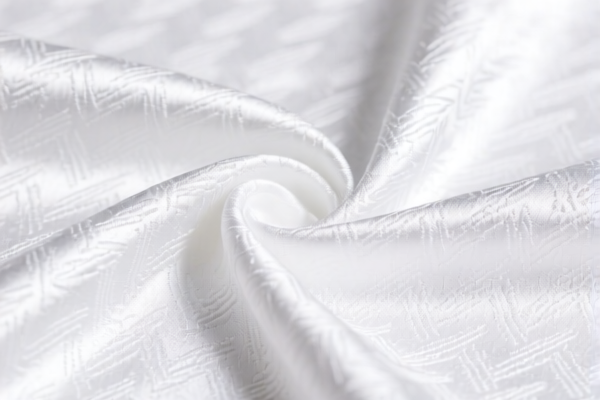
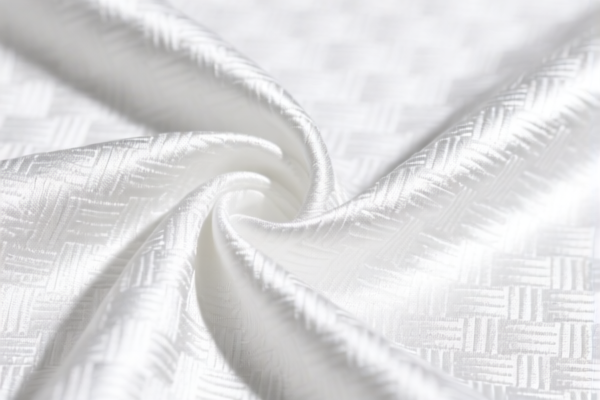
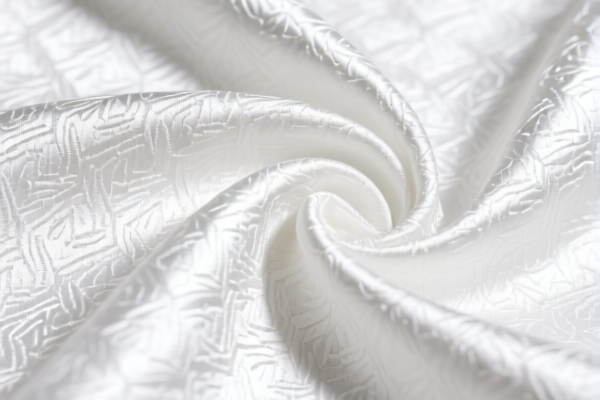

AI Analysis
🛌 Satin Weave Bedding Fabric: The Ultimate Guide to HS Code Classification & US Customs Clearance
🌐 HS Code Reference & Customs Strategy | 2026 Latest Tariff Analysis | Professional Import Compliance
Satin weave is not just a fabric; it is a weave structure characterized by a glossy, smooth surface and a dull back. In international trade, this aesthetic appeal often masks complex classification challenges. Is it woven or knitted? Is it cotton, polyester, or a blend?
⚠️ CRITICAL WARNING FOR IMPORTERS: Satin weave itself is NOT an HS Code. It is a physical characteristic. The correct HS Code depends entirely on: 1. Construction: Woven vs. Knitted. 2. Material: Cotton, Synthetic, or Other. 3. End Use: Bedding vs. Toy Fabric.
Based on the provided data, here is the precise breakdown for US Customs (CBP) clearance, focusing on the five most likely classifications.
📦 Part I: HS Code Classification Matrix (2026 Analysis)
Below are the five potential HS Codes derived from the input data, analyzed for accuracy and tax implications.
| HS Code | Description & Logic | Material/Structure | Total Tax Rate |
|---|---|---|---|
| 6004.10.00.85 | Knitted Toy Fabric | Knitted, likely synthetic/polyester Used for toys, not standard bedding |
47.3% |
| 5208.19.20.20 | Woven Cotton Satin | Woven, >85% Cotton Standard high-end bedding |
42.9% |
| 6004.90.90.00 | Knitted Other Fabrics | Knitted, Other fibers Generic knitted satin |
42.0% |
| 5208.29.20.20 | Woven Cotton (Other) | Woven, Cotton, Other coloring Alternative cotton weave |
42.7% |
| 5407.82.00.40 | Synthetic Woven Fabric | Woven, Polyester/Cotton Mix Blended satin fabric |
49.9% |
📝 Part II: Detailed Classification Explanation (Why Each Code?)
1. 🎯 HS Code: 6004.10.00.85
"Knitted Satin for Toys"
- Why this code?
The summary explicitly states: "Satin toy fabric classified as knitted fabric, fitting category 6004.10.00.85."
- Structure: Chapter 60 covers Knitted or Crocheted Fabrics. If your "satin" is actually a knit fabric with a satin-like finish (common in cheap children's bedding or plush toys), it falls here.
- End-Use: This code is specifically flagged for toy fabrics. If you are importing bedding fabric but declare it as toy material, you risk penalties. However, if the fabric is intended for toy manufacturing, this is the correct path.
- Tax Breakdown:
- Base Duty: 12.3%
- Section 301 (Trade War): 25.0%
- Section 122 (USMCA/Retaliatory): 10.0%
- Total: 47.3%
2. 🎯 HS Code: 5208.19.20.20
"100% Cotton Woven Satin"
- Why this code?
The summary states: "Satin fabric morphology matches, inferred as cotton, fitting 5208.19.20.20."
- Structure: Chapter 52 covers Cotton. Code
5208is for Woven fabrics of cotton, weighing ≤ 200 g/m². - Logic: High-quality luxury bedding is almost always 100% cotton satin. If your fabric is woven (not knitted) and made of cotton, this is the most common correct code for premium bedding.
- Structure: Chapter 52 covers Cotton. Code
- Tax Breakdown:
- Base Duty: 7.9%
- Section 301 (Trade War): 25.0%
- Section 122 (USMCA/Retaliatory): 10.0%
- Total: 42.9%
3. 🎯 HS Code: 6004.90.90.00
"Other Knitted Satin Fabrics"
- Why this code?
The summary states: "Knitted/woven morphology, fits knitting/woven characteristics, classified as 6004.90.90.00."
- Structure: Chapter 60 covers Knitted Fabrics. Code
6004is for Knitted fabrics, other. - Logic: If the fabric is knitted but does not fit specific sub-categories (like toy fabric), it falls here. This is a "catch-all" for knitted satins that are not specifically for toys.
- Structure: Chapter 60 covers Knitted Fabrics. Code
- Tax Breakdown:
- Base Duty: 7.0%
- Section 301 (Trade War): 25.0%
- Section 122 (USMCA/Retaliatory): 10.0%
- Total: 42.0%
4. 🎯 HS Code: 5208.29.20.20
"Other Woven Cotton Fabrics"
- Why this code?
The summary states: "Satin fabric and fabric morphology match, inferred to belong to this category of satin fabrics."
- Structure: Chapter 52 (Cotton), Code
5208(Woven, ≤ 200 g/m²), Subheading29(Other cotton woven fabrics). - Logic: Similar to
5208.19, this is for woven cotton satin. It may differ in weight, coloration, or specific weave density. Use this if5208.19does not perfectly describe the technical specs.
- Structure: Chapter 52 (Cotton), Code
- Tax Breakdown:
- Base Duty: 7.7%
- Section 301 (Trade War): 25.0%
- Section 122 (USMCA/Retaliatory): 10.0%
- Total: 42.7%
5. 🎯 HS Code: 5407.82.00.40
"Synthetic Woven Blends"
- Why this code?
The summary states: "Satin weave morphology, inferred as textile, fitting synthetic filament/cotton blend attributes."
- Structure: Chapter 54 covers Man-Made Filaments. Code
5407is for Woven fabrics of synthetic filaments. - Logic: If your "satin" is made of polyester (which mimics silk/cotton satin) or a blend, it falls under synthetic filaments. This is the most expensive option due to the higher base duty.
- Structure: Chapter 54 covers Man-Made Filaments. Code
- Tax Breakdown:
- Base Duty: 14.9%
- Section 301 (Trade War): 25.0%
- Section 122 (USMCA/Retaliatory): 10.0%
- Total: 49.9%
💰 Part III: Tax Rate Deep Dive (US-China Import)
For all codes above, the tax structure is consistent with US Imports from China:
| Tax Component | Rate | Description |
|---|---|---|
| MFN Base Duty | 7.0% – 14.9% | Depends on material (Cotton is lower, Synthetic is higher). |
| Section 301 Tariff | 25.0% | MANDATORY for most Chinese textiles. |
| Section 122 Tariff | 10.0% | Additional duty under IEEPA for specific Chinese goods. |
| TOTAL EFFECTIVE RATE | 42.0% – 49.9% | HIGH – Must be budgeted carefully. |
🔍 Key Insight: - Cotton Satin (5208) is cheaper to import (~42-43%) than Synthetic Satin (~50%). - Knitted Toy Fabric (6004) has a higher base duty (12.3%) than other knitted fabrics (7.0%), making it more expensive (47.3%).
🛠️ Part IV: Customs Clearance Strategy & Recommendations
✅ 1. Critical Documentation Checklist
| Document | Requirement | Purpose |
|---|---|---|
| Commercial Invoice | Must state: "Satin Weave Fabric, [Material], Woven/Knitted" | Primary basis for HS Code selection. |
| Fabric Composition Report | Mandatory | Must specify % Cotton, % Polyester, etc. Without this, CBP will misclassify you. |
| Weave Structure Proof | Photo/Diagram | Is it Woven (Chapter 52) or Knitted (Chapter 60)? This is the biggest risk. |
| End-Use Declaration | Bedding vs. Toy | If declared as "Toy Fabric" (6004.10.00.85), ensure the buyer is a toy manufacturer. Misdeclaration is fraud. |
| Origin Certificate | Form A or General | To verify origin for Section 301 applicability. |
✅ 2. Clearance Tips: Avoiding Misclassification
🔥 "Weave First, Then Material. Never Just 'Satin'."
| Scenario | Correct HS Code | Risk if Wrong |
|---|---|---|
| 100% Cotton, Woven | 5208.19.20.20 or 5208.29.20.20 |
If misclassified as synthetic: Pay ~50% instead of ~43%. |
| Polyester, Woven | 5407.82.00.40 |
If misclassified as cotton: Penalty for false declaration. |
| Knitted, Not for Toys | 6004.90.90.00 |
If declared as Toy Fabric: Audit risk, penalties. |
| Knitted, For Toys | 6004.10.00.85 |
Higher tax (47.3%). |
✅ 3. Actionable Advice for Importers
-
Determine Weave First:
- Hold the fabric. Does it stretch like a jersey? → Knitted (Chapter 60).
- Does it have a rigid cross-grain? → Woven (Chapter 52/54).
- This single decision cuts your options in half.
-
Verify Material Composition:
- Cotton Satin is 42.0-42.9%.
- Synthetic Satin is 49.9%.
- Savings: ~7% on Synthetic vs Cotton if misclassified.
-
Avoid "Toy" Classification Unless Necessary:
6004.10.00.85has a higher base duty (12.3%) than other knitted fabrics (7.0%).- Only use this if the fabric is explicitly for toy manufacturing.
-
Prepare for Section 301:
- Budget for 25% + 10% additional duties on top of the base rate.
- Total landed cost will be ~45-50% higher than FOB price.
🌍 Part V: Global Comparison (US vs. EU/China)
| Region | HS Code (Example) | Approx. Total Duty | Notes |
|---|---|---|---|
| 🇺🇸 USA | 5208.19.20.20 |
42.9% | High due to Sec 301 + Sec 122. |
| 🇪🇺 EU | 5208.19.20.20 |
~12-16% | No Sec 301. VAT (20%) separate. |
| 🇨🇳 China | 5208.19.20.20 |
~5-7% | Import duty only. |
📌 Conclusion: - US Importers face the highest tariffs due to trade policies. - Cotton (5208) is more tax-efficient than Synthetic (5407) in the US. - Knitted (6004) has lower base duties than Woven Synthetic, but higher than Woven Cotton.
📌 Part VI: Common Mistakes & Pitfalls
❌ Mistake 1: Declaring "Satin Fabric" without material. 👉 Result: CBP will assign the highest possible duty rate (often Synthetic 49.9%) as a default.
❌ Mistake 2: Confusing Woven vs. Knitted. 👉 Result: If you send Woven cotton but declare Knitted, you pay 7% less but risk a 200% penalty for misdeclaration.
❌ Mistake 3: Using Toy Code (6004.10.00.85) for Bedding. 👉 Result: Audit risk. CBP knows bedding is not for toys. Expect additional duties and fines.
✅ Correct Approach:
"100% Cotton Woven Satin Fabric, 200 GSM, for Bedding. HS Code: 5208.19.20.20."
🎯 Final Summary
| Priority | Action |
|---|---|
| 1 | Identify Weave: Woven (52/54) vs. Knitted (60). |
| 2 | Identify Material: Cotton (Lower Tax) vs. Synthetic (Higher Tax). |
| 3 | Select Code: Use 5208 for Cotton Woven, 5407 for Synthetic Woven, 6004 for Knitted. |
| 4 | Budget Taxes: Expect 42-50% total duty for US imports. |
📣 Immediate Action:
📞 Contact your customs broker with a physical sample. 📄 Provide a Lab Test Report for fiber composition. 🚀 Confirm the End-Use (Bedding vs. Toy) before filing.
✨ Professional Clearance, From Accurate Classification. 💼 Don't let "Satin" cost you 50%. Know your Code.
Customer Reviews
About HS Code Classification
The Harmonized System (HS) is an internationally standardized nomenclature developed by the World Customs Organization (WCO) to classify traded products. Over 200 countries use the HS system as the basis for customs tariffs, trade statistics, and import/export regulations.
Each HS code follows a hierarchical structure:
- Chapter (2 digits) — Broad category of goods (e.g., Chapter 84: Machinery and Mechanical Appliances)
- Heading (4 digits) — More specific grouping within the chapter
- Subheading (6 digits) — Internationally standardized breakdown, used by all WCO member countries
- National subdivisions (8-10 digits) — Country-specific extensions for further classification, such as US HTSUS 10-digit codes
Correct HS code classification is essential for smooth customs clearance, accurate duty payment, and compliance with trade regulations. Misclassification can lead to customs delays, overpayment of duties, or penalties.
When importing from CN to US, the applicable tariff rates may include:
- Most-Favored-Nation (MFN) rate — The standard duty rate applied to WTO members
- General rate — Applied to countries without trade agreements
- Trade remedy duties — Additional tariffs such as Section 301 (anti-dumping), Section 232 (national security), or countervailing duties
The information provided on this page is for reference purposes only. For official classification, please consult with your local customs authority or a licensed customs broker.