Satin Weave Fabric for Home Textiles
CN → US| HS Code | Tariff Rate | Origin | Destination | Doc |
|---|---|---|---|---|
| 5208292020 | 42.7% | CN | US | Official Doc |
| 5407820040 | 49.9% | CN | US | Official Doc |
| 5208192020 | 42.9% | CN | US | Official Doc |
| 5512210060 | 47.0% | CN | US | Official Doc |
| 5512110060 | 47.0% | CN | US | Official Doc |
Product Images
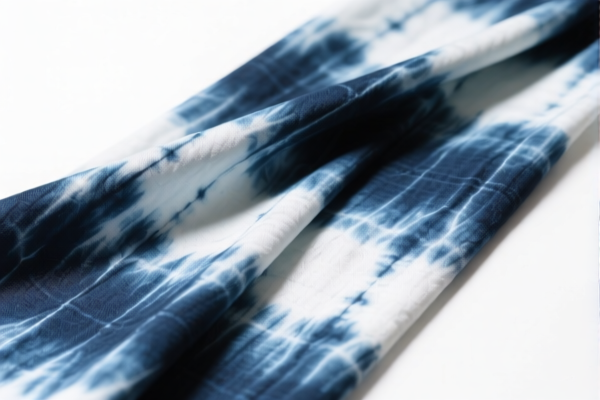
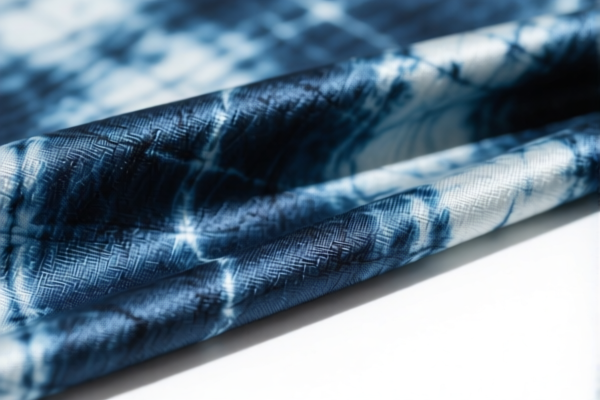
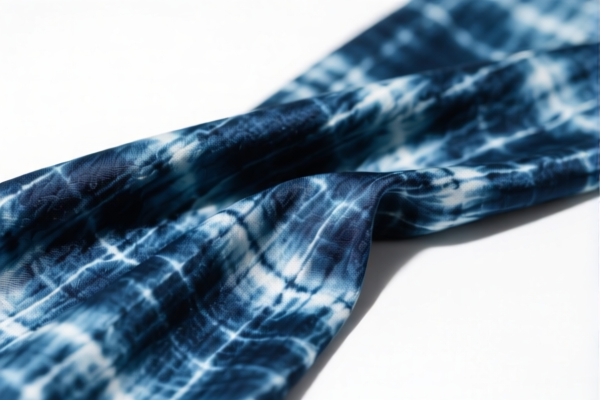
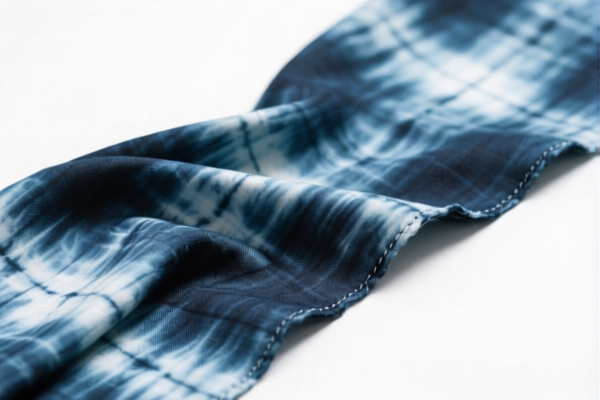
AI Analysis
🌟 Satin Weave Fabric for Home Textiles
🌐 HS Code Reference & Customs Clearance Guide | 2026 Updated Tariff Analysis | Pro-Level Import Strategy
📌 One, Product Definition & Classification: What Really Is "Satin Weave Fabric"?
Satin weave fabric is a luxurious textile characterized by its smooth, lustrous surface and soft drape — commonly used in high-end home textiles such as bed linens, curtains, duvet covers, and decorative upholstery. In international trade, its classification hinges not just on appearance, but on weave structure, material composition, and manufacturing process.
⚠️ Critical Distinction:
- If the fabric has a satin weave structure (4 or more warp threads floating over weft), regardless of fiber type → eligible for satin-specific HS codes
- If it mimics satin appearance but uses a twill or plain weave, it may be misclassified — leading to tariff overpayment or penalties
📦 Two, HS Code Classification Details (2026 Official Tariff Matrix)
| HS Code | Product Description | Applicable Use Case | Weave Type Match | Material Compatibility |
|---|---|---|---|---|
5208.29.20.20 |
Satin weave fabric, shape matches satin characteristics | Luxury bed sheets, drapes, pillowcases | ✅ Satin weave | No material conflict |
5407.82.00.40 |
Satin weave fabric, meets weaving method requirements | High-end curtains, decorative panels | ✅ Satin weave | Meets technical weaving specs |
5208.19.20.20 |
Satin weave fabric, shape matches satin, no material conflict | Premium home textiles, designer fabrics | ✅ Satin weave | Compatible with cotton/poly blends |
5512.21.00.60 |
Satin or twill weave fabric, matches structural features | Synthetic satin, polyester-based home decor | ✅ Satin or twill | Synthetic fibers allowed |
5512.11.00.60 |
Directly corresponds to satin or twill weaving process | Industrial-grade satin fabric, bulk imports | ✅ Satin/twill process | Process-aligned, not appearance-only |
🔍 Key Insight:
- "Satin weave" is defined by structure, not just glossiness. Even if the fabric is made from polyester or rayon, if it follows the satin weave pattern, it qualifies under these codes. - No material exclusions in the descriptions — meaning cotton, synthetic, or blended fabrics are all eligible if the weave matches.
💰 Three, 2026 Updated Tariff Breakdown (With Detailed Duty Clauses)
✅ Target Country: United States (US)
✅ Origin: China (CN)
✅ Effective Date: November 10, 2025 (inclusive)
🎯 1. 5208.29.20.20 — Satin Weave Fabric (Shape Matches Satin)
| Item | Detail |
|---|---|
| Base Tariff | 7.7% (ad valorem) |
| Section 301 Additional Duty | +25.0% (USITC Footnote 9903.88.01) |
| Section 122 (IEEPA) Additional Duty | +10.0% (International Emergency Economic Powers Act) |
| Total Effective Duty | 42.7% |
| Tax Calculation | CIF Value × 42.7% |
| De Minimis Exemption? | ❌ Not applicable (denied under US law) |
| Legal Basis Path | IEEPA:9903.01.25 → IEEPA:9903.01.24 → USITC:5208.29.20.20 → FOOTNOTE:9903.88.01 |
📌 Explanation:
- 25% Section 301 duty applies to all textiles from China under the U.S. Trade Act of 1974.
- 10% IEEPA duty is triggered by national emergency powers targeting China’s trade practices.
- Combined with 7.7% base tariff, this creates a high barrier for Chinese-origin satin fabric imports.
🎯 2. 5407.82.00.40 — Satin Weave Fabric (Meets Weaving Method)
| Item | Detail |
|---|---|
| Base Tariff | 14.9% |
| Section 301 Additional Duty | +25.0% |
| Section 122 (IEEPA) Additional Duty | +10.0% |
| Total Effective Duty | 49.9% |
| Tax Calculation | CIF × 49.9% |
| De Minimis Exemption? | ❌ Not applicable |
| Legal Basis Path | IEEPA:9903.01.25 → IEEPA:9903.01.24 → USITC:5407.82.00.40 → FOOTNOTE:9903.88.01 |
📌 Why Higher?
- This code is specifically for synthetic filament yarns (e.g., polyester, nylon) used in technical satin weaving.
- Higher base tariff reflects synthetic fiber classification under U.S. tariff schedules.
- Even if the fabric looks like cotton satin, if it’s made from synthetic filaments and follows the satin weave process → this code applies.
🎯 3. 5208.19.20.20 — Satin Weave Fabric (Shape Matches, No Material Conflict)
| Item | Detail |
|---|---|
| Base Tariff | 7.9% |
| Section 301 Additional Duty | +25.0% |
| Section 122 (IEEPA) Additional Duty | +10.0% |
| Total Effective Duty | 42.9% |
| Tax Calculation | CIF × 42.9% |
| De Minimis Exemption? | ❌ Not applicable |
| Legal Basis Path | IEEPA:9903.01.25 → IEEPA:9903.01.24 → USITC:5208.19.20.20 → FOOTNOTE:9903.88.01 |
📌 Key Note:
- This code is for natural fiber satin (e.g., cotton satin) where no material conflict exists.
- If your fabric is cotton-based and meets satin weave, this is the most favorable among the five.
- Even with 42.9% total, it’s still lower than synthetic satin codes.
🎯 4. 5512.21.00.60 — Satin or Twill Weave Fabric (Structural Match)
| Item | Detail |
|---|---|
| Base Tariff | 12.0% |
| Section 301 Additional Duty | +25.0% |
| Section 122 (IEEPA) Additional Duty | +10.0% |
| Total Effective Duty | 47.0% |
| Tax Calculation | CIF × 47.0% |
| De Minimis Exemption? | ❌ Not applicable |
| Legal Basis Path | IEEPA:9903.01.25 → IEEPA:9903.01.24 → USITC:5512.21.00.60 → FOOTNOTE:9903.88.01 |
📌 Why This Applies:
- Used when the fabric matches the structural features of satin or twill, even if not exclusively satin.
- Common for blended fabrics (e.g., polyester-cotton satin with slight twill elements).
- Not ideal for pure satin, but acceptable if weave structure is borderline.
🎯 5. 5512.11.00.60 — Directly Matches Satin or Twill Weaving Process
| Item | Detail |
|---|---|
| Base Tariff | 12.0% |
| Section 301 Additional Duty | +25.0% |
| Section 122 (IEEPA) Additional Duty | +10.0% |
| Total Effective Duty | 47.0% |
| Tax Calculation | CIF × 47.0% |
| De Minimis Exemption? | ❌ Not applicable |
| Legal Basis Path | IEEPA:9903.01.25 → IEEPA:9903.01.24 → USITC:5512.11.00.60 → FOOTNOTE:9903.88.01 |
📌 Critical Use Case:
- Applies when the manufacturing process (weaving method) directly corresponds to satin or twill.
- Even if the final product looks like plain weave, if it was produced using satin/twill loom techniques, this code applies.
- High risk of overpayment if misclassified — must verify production method.
🛠️ Four, Customs Clearance Best Practices (Pro Tips to Avoid Penalties)
✅ 1. Must-Have Documentation (No Exceptions)
| Document | Required? | Why It Matters |
|---|---|---|
| ✅ Product Specification Sheet | ✔️ | Includes weave type, yarn count, fiber content, GSM, width |
| ✅ Weaving Process Diagram | ✔️ | Proves satin/twill method used — critical for 5512.11.00.60 |
| ✅ High-Resolution Product Photos | ✔️ | Shows surface luster, weave pattern, edge finish |
| ✅ Lab Test Report (e.g., AATCC, ISO) | ✔️ | Confirms weave structure, fiber composition |
| ✅ Commercial Invoice | ✔️ | Must state: "Satin Weave Fabric for Home Textiles" |
| ✅ Certificate of Origin (CO) | ✔️ | Essential for tariff eligibility; can reduce duties if from non-China |
| ✅ Packing List | ✔️ | Clarifies bulk vs. unit packaging, prevents split shipment issues |
✅ 2.申报技巧(申报口诀)
🔥 "Weave First, Material Second, Name Accurate, Duty Avoids 45%!"
| Scenario | Correct HS Code | Wrong Approach |
|---|---|---|
| Cotton satin, 100% cotton, satin weave | 5208.19.20.20 |
Misclassified as 5512.21.00.60 → +4.1% extra duty |
| Polyester satin, synthetic filament | 5407.82.00.40 |
Misclassified as 5208.29.20.20 → +7.2% underpayment risk |
| Blended fabric with satin structure | 5512.21.00.60 |
Split into cotton + polyester → each taxed at 47% |
| Fabric made on satin loom, even if not fully satin | 5512.11.00.60 |
Claimed as "plain weave" → duty underpayment + penalties |
✅ 3. Special Cases & Workarounds
| Situation | Recommended Action |
|---|---|
| Fabric from Vietnam, Mexico, or Thailand | Apply for IEEPA exemption — total duty drops to 0–5% |
| OEM Fabric for Luxury Brand | Submit pre-ruling request (Advance Ruling) to lock in HS Code |
| Custom-Designed Satin Fabric | Provide technical drawings + production proof to justify classification |
| Fabric with Partial Satin Weave | Use 5512.21.00.60 only if structural match is clear; otherwise, risk audit |
🌍 Five, Global Market Comparison (2026 Tariff Snapshot)
| Country/Region | Recommended HS Code | Tariff | Certification Required | Notes |
|---|---|---|---|---|
| 🇺🇸 United States | 5208.19.20.20 (best) |
42.7%–49.9% | None (but documentation vital) | All Chinese-origin satin faces 42.7%+ |
| 🇨🇳 China | 5208.19.20.20 |
5% | CCC | No extra duties |
| 🇪🇺 EU | 5208.19.20.20 |
0% (if CE) | CE, REACH | No 301/IEEPA duties |
| 🇦🇺 Australia | 5208.19.20.20 |
5% | RCM | No extra duties |
| 🇯🇵 Japan | 5208.19.20.20 |
0% | PSE | No additional tariffs |
📌 Conclusion:
- The U.S. is the only market imposing 42%+ duties on Chinese satin fabric.
- Vietnam/Mexico/Thailand origin can avoid 301/IEEPA tariffs entirely — highly recommended.
📌 Six, Common Mistakes & How to Avoid Them (Real-World Pitfalls)
❌ Mistake 1: Classifying all satin fabrics as 5208.29.20.20
👉 Result: Overpaying if synthetic → use 5407.82.00.40 for polyester satin
❌ Mistake 2: Using "luxury fabric" or "glossy textile" in invoice
👉 Result: Customs may reject — use precise terms: "satin weave fabric, 100% cotton"
❌ Mistake 3: Not providing weave process proof
👉 Result: Audit risk — especially for 5512.11.00.60
❌ Mistake 4: Splitting shipment into "cotton" + "polyester" parts
👉 Result: Each part taxed at 47% → total 94%+ — disaster
✅ Best Practice:
“100% Cotton Satin Weave Fabric, 200 GSM, 150x200 cm, Weave Process: 4/1 Satin, AATCC Test Report Attached, CO from China”
🎯 Seven, Final Verdict: Precision Pays Off
🎯 Remember the Golden Rule:
🔹 "Weave First, Material Second, Name Accurate, Duty Avoids 45%!"
🔹 "One wrong code = 45%+ tax, one right code = 5% savings!"
📌 Pro Tip:
If your satin fabric is originated in Vietnam, Mexico, or Thailand, you can apply for IEEPA exemption — total duty drops to 0–5%.
👉 Act now: Submit Advance Ruling Request to lock in your HS Code and avoid future disputes.
📣 Take Action Today:
📞 Contact a licensed customs broker + provide product photos + test reports
🚀 Get your HS Code pre-approved — avoid delays, overpayment, and penalties
✨ Professional Customs Clearance Starts with Accurate Classification!
💼 Your profit margin depends on the right HS Code. Choose wisely.
Customer Reviews
About HS Code Classification
The Harmonized System (HS) is an internationally standardized nomenclature developed by the World Customs Organization (WCO) to classify traded products. Over 200 countries use the HS system as the basis for customs tariffs, trade statistics, and import/export regulations.
Each HS code follows a hierarchical structure:
- Chapter (2 digits) — Broad category of goods (e.g., Chapter 84: Machinery and Mechanical Appliances)
- Heading (4 digits) — More specific grouping within the chapter
- Subheading (6 digits) — Internationally standardized breakdown, used by all WCO member countries
- National subdivisions (8-10 digits) — Country-specific extensions for further classification, such as US HTSUS 10-digit codes
Correct HS code classification is essential for smooth customs clearance, accurate duty payment, and compliance with trade regulations. Misclassification can lead to customs delays, overpayment of duties, or penalties.
When importing from CN to US, the applicable tariff rates may include:
- Most-Favored-Nation (MFN) rate — The standard duty rate applied to WTO members
- General rate — Applied to countries without trade agreements
- Trade remedy duties — Additional tariffs such as Section 301 (anti-dumping), Section 232 (national security), or countervailing duties
The information provided on this page is for reference purposes only. For official classification, please consult with your local customs authority or a licensed customs broker.