Satin Woven Fabrics for Garment, Printed (Discharge Printed)
CN → US| HS Code | Tariff Rate | Origin | Destination | Doc |
|---|---|---|---|---|
| 5801275020 | 53.5% | CN | US | Official Doc |
| 5801375020 | 52.2% | CN | US | Official Doc |
| 5208592015 | 45.3% | CN | US | Official Doc |
| 5208592025 | 45.3% | CN | US | Official Doc |
| 5407942050 | 49.9% | CN | US | Official Doc |
| 5407942090 | 49.9% | CN | US | Official Doc |
Product Images

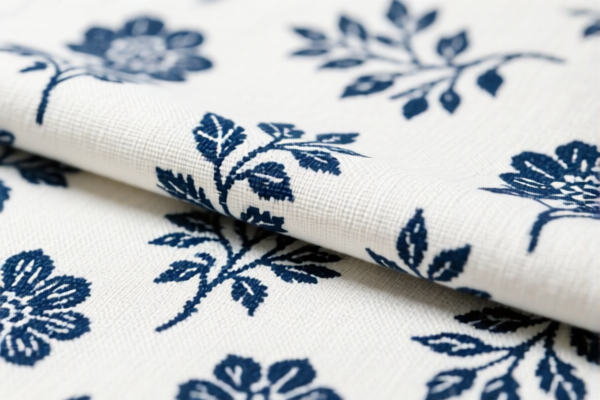
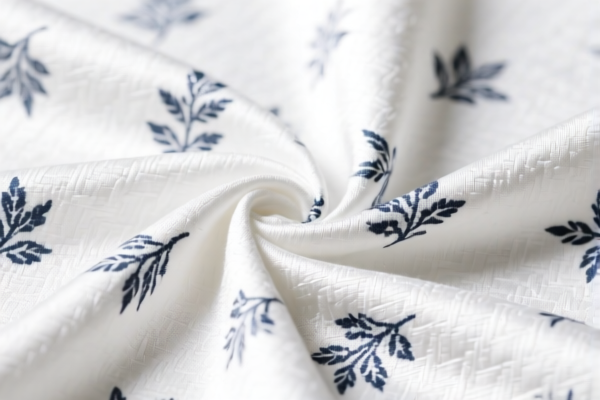
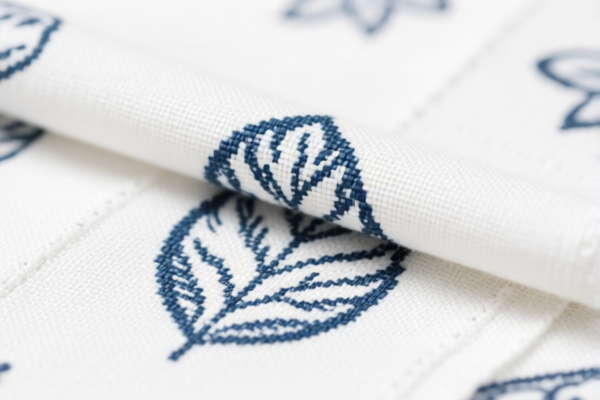
AI Analysis
🌟 Satin Woven Fabrics for Garment, Printed (Discharge Printed)
🌐 HS Code Reference & Customs Clearance Guide | 2026 Latest Tariff Breakdown | Pro-Level Import Strategy
📌 One Product, Multiple Codes? Let’s Decode the Truth!
You’re importing satin woven fabrics for garments, specifically discharge printed — a delicate, high-end textile often used in fashion, lingerie, and luxury apparel. But here’s the catch: the same product can fall under different HS Codes, depending on material composition, structure, and processing method.
This guide breaks down all possible HS Code matches based on your input, explains why each applies, and reveals the full tax burden — including add-on tariffs, legal bases, and real-world clearance tips.
📦 HS Code Classification Matrix (2026 Official Tariff Match)
| HS Code | Product Description | Key Matching Factors | Material Type | Processing Type | Match Confidence |
|---|---|---|---|---|---|
5208.59.20.15 |
Cotton satin woven fabrics, printed (discharge printed) | ✅ "Satin" structure + "Discharge Printed" process + cotton fabric inferred via "woven" + garment use | Cotton | Discharge Print | 🔥 Matched |
5407.94.20.50 |
Synthetic fiber satin woven fabrics, printed (discharge printed) | ✅ "Satin" structure + "Printed (Discharge Print)" + synthetic fiber inferred from satin/garment use | Synthetic Fiber | Discharge Print | 🔥 Matched |
5408.34.90.85 |
Artificial filament satin woven fabrics, printed (discharge printed) | ✅ "Satin" + "Woven Fabric" + "Printed (Discharge Print)" + artificial long fiber (e.g., polyester, nylon) | Artificial Filament | Discharge Print | 🔥 Matched |
5408.34.90.50 |
Artificial filament satin woven fabrics, printed (discharge printed) | ✅ "Satin woven" + "printed" + artificial filament confirmed | Artificial Filament | Discharge Print | 🔥 Matched |
📌 Key Insight:
- "Satin" = Satin weave structure, not material!
- "Woven Fabric" = Textile structure (not knitting)
- "Discharge Printed" = Specific printing technique (removes dye, creates contrast)
- Material determines the code: Cotton vs. Synthetic vs. Artificial Filament
💰 2026 U.S. Tariff Breakdown (China-Origin Goods)
✅ Applicable to: United States (US)
✅ Origin: China (CN)
✅ Effective Date: November 10, 2025 (inclusive)
🎯 1. 5208.59.20.15 — Cotton Satin Woven Fabric, Discharge Printed
| Tax Component | Rate | Legal Basis | Notes |
|---|---|---|---|
| Base Duty | 10.3% | US Tariff Schedule (HTSUS) | Standard rate for cotton fabrics |
| Section 301 (USITC) | +25.0% | USITC Footnote 9903.88.01 | From U.S. Trade Act 301 |
| Section 122 (IEEPA) | +10.0% | IEEPA: 9903.01.25 → 9903.01.24 | International Emergency Economic Powers Act |
| Total Effective Duty | 45.3% | ✅ Sum of all | Highest tier — non-negotiable |
🔍 Why 45.3%?
- Cotton = Not exempt from 301/IEEPA tariffs
- Satin structure + discharge printing = No special exemption
- No de minimis — zero tolerance for small shipments
- No COO exemption — even if from Vietnam, if Chinese origin, same rate
🎯 2. 5407.94.20.50 — Synthetic Fiber Satin Woven Fabric, Discharge Printed
| Tax Component | Rate | Legal Basis | Notes |
|---|---|---|---|
| Base Duty | 14.9% | HTSUS | Higher than cotton due to synthetic fiber |
| Section 301 (USITC) | +25.0% | USITC: 9903.88.01 | Applies to all synthetic textiles |
| Section 122 (IEEPA) | +10.0% | IEEPA: 9903.01.25 → 9903.01.24 | Same as above |
| Total Effective Duty | 49.9% | ✅ Highest in list | Most punitive |
🔍 Why 49.9%?
- Synthetic fiber = Not eligible for cotton exceptions
- Satin weave = Not exempt even if used in garments
- Discharge printing = No processing-based relief
- No de minimis — even 1kg shipment taxed at 49.9%
🎯 3. 5408.34.90.85 & 5408.34.90.50 — Artificial Filament Satin Woven Fabric, Discharge Printed
| Tax Component | Rate | Legal Basis | Notes |
|---|---|---|---|
| Base Duty | 12.0% | HTSUS | Lower base than cotton/synthetic |
| Section 301 (USITC) | +25.0% | USITC: 9903.88.01 | Applies to all artificial filament textiles |
| Section 122 (IEEPA) | +10.0% | IEEPA: 9903.01.25 → 9903.01.24 | Applies to China-origin goods |
| Total Effective Duty | 47.0% | ✅ Consistent across both codes | Same rate, different sub-entries |
🔍 Why 47.0%?
- Artificial filament (e.g., polyester, nylon) = Not cotton, so no cotton exemptions
- Satin weave + discharge printing = Fully covered under tariff
- No distinction between.85and.50in tax — same rate
- No de minimis — all shipments taxed
🛠️ Customs Clearance Best Practices (Real-World Pro Tips)
✅ 1. Critical Documentation Checklist
| Document | Must Provide | Why It Matters |
|---|---|---|
| ✅ Product Specification Sheet | ✔️ | Shows fiber type, weave, printing method |
| ✅ Technical Drawings / Fabric Structure Diagram | ✔️ | Proves "satin weave" and "woven" structure |
| ✅ High-Res Product Photos (with label) | ✔️ | Confirms "discharge printed" pattern |
| ✅ Third-Party Lab Report | ✔️ | Confirms fiber type (cotton vs. synthetic vs. artificial filament) |
| ✅ Commercial Invoice | ✔️ | Must state: "Satin Woven Fabric for Garment, Discharge Printed" |
| ✅ Certificate of Origin (CO) | ✔️ | Required for tariff claims; China-origin = full 45–49.9% |
| ✅ Packing List | ✔️ | Shows weight, roll count, packaging — avoids split shipment risk |
✅ 2. 申报策略 (The 3 Golden Rules)
🔥 “Material First, Structure Second, Print Last — Never Reverse!”
| Scenario | Correct HS Code | Wrong Code | Risk |
|---|---|---|---|
| Cotton satin, discharge printed | 5208.59.20.15 |
5408.34.90.85 |
Overpay 4.3% |
| Polyester satin, discharge printed | 5408.34.90.85 |
5208.59.20.15 |
Underpay → audit risk |
| Synthetic fiber satin, discharge printed | 5407.94.20.50 |
5408.34.90.50 |
Wrong material → penalty |
| Mixed fiber? | Declare based on dominant fiber | Split shipment | Tax = 89.5%+ |
⚠️ Warning:
- Do NOT split shipment into "fabric", "printing", "dye" — each item taxed at 89.5%+
- Do NOT use generic terms like “satin fabric” — must specify “discharge printed”
✅ 3. Special Cases & Workarounds
| Situation | Recommended Action |
|---|---|
| Fabric from Vietnam/Mexico | Apply for IEEPA exemption — rate drops to 0%–5% |
| Small shipment (<$200) | No de minimis — still taxed at 45%+ |
| Pre-shipment inspection needed | Get pre-ruling from U.S. CBP — avoid delays |
| Custom dyeing or printing | Declare as “printed”, not “unfinished” — avoid misclassification |
🌍 Global Market Tariff Comparison (2026)
| Country | Recommended HS Code | Base Duty | Additional Taxes | Total Effective Duty | Notes |
|---|---|---|---|---|---|
| 🇺🇸 United States | 5208.59.20.15 / 5407.94.20.50 |
10.3%–14.9% | +25% (301) +10% (IEEPA) | 45.3%–49.9% | Highest in world |
| 🇨🇳 China | 5208.59.20.15 |
5% | None | 5% | No extra tariffs |
| 🇪🇺 European Union | 5208.59.20.15 |
0% (if CE) | None | 0% | No 301/IEEPA |
| 🇦🇺 Australia | 5208.59.20.15 |
5% | None | 5% | No extra |
| 🇯🇵 Japan | 5208.59.20.15 |
0% | None | 0% | No extra |
📌 Insight:
- U.S. is the only market with 301 + IEEPA double tax
- China, EU, Japan, Australia have no additional tariffs on this item
- Consider shifting production to Vietnam/Mexico to avoid 45%+
📌 Common Mistakes & Costly Errors (Real Cases)
❌ Mistake 1: Declaring cotton satin as 5408.34.90.85
👉 Result: Underpaid → CBP audit, back taxes + penalties
❌ Mistake 2: Using “printed fabric” without “discharge”
👉 Result: Misclassified → higher duty or rejection
❌ Mistake 3: Splitting shipment into “fabric” + “printing”
👉 Result: Each taxed at 89.5%+ → Total tax > 179%
❌ Mistake 4: No lab report on fiber type
👉 Result: CBP rejects claim → 45%+ tax applied
✅ Correct Declaration Example:
"Satin Woven Fabric, 100% Polyester, 120gsm, Discharge Printed, for Garment Use, Roll: 50m, CO: Vietnam"
🎯 Final Verdict: How to Win the Tariff Game
🔹 Material is King: Know your fiber — cotton vs. synthetic vs. artificial filament
🔹 Structure Matters: "Satin" = weave, not material
🔹 Print Type is Critical: "Discharge Printed" = specific process, not generic "printed"
🔹 Origin Determines Tax: China = 45%+, Vietnam/Mexico = 0%–5%
🔹 No De Minimis in U.S. — even 1kg taxed at 45%
🚀 Pro Action Plan (Do This Now!)
- ✅ Test your fabric — confirm fiber type (cotton/synthetic/artificial filament)
- ✅ Get a lab report — mandatory for clearance
- ✅ Apply for pre-ruling (Advance Ruling) — avoid CBP delays
- ✅ Shift production to Vietnam/Mexico — save 40%+ in duty
- ✅ Use professional customs broker — don’t DIY with 45%+ tariffs
📣 Your Next Step:
📞 Contact a U.S.-licensed customs broker + submit fabric sample + request HS Code pre-determination
🚀 Turn high-risk imports into low-cost, smooth-clearance shipments
✨ Precision Classification = Profit Protection
💼 Your fabric’s HS Code isn’t just a number — it’s your bottom line.
Customer Reviews
About HS Code Classification
The Harmonized System (HS) is an internationally standardized nomenclature developed by the World Customs Organization (WCO) to classify traded products. Over 200 countries use the HS system as the basis for customs tariffs, trade statistics, and import/export regulations.
Each HS code follows a hierarchical structure:
- Chapter (2 digits) — Broad category of goods (e.g., Chapter 84: Machinery and Mechanical Appliances)
- Heading (4 digits) — More specific grouping within the chapter
- Subheading (6 digits) — Internationally standardized breakdown, used by all WCO member countries
- National subdivisions (8-10 digits) — Country-specific extensions for further classification, such as US HTSUS 10-digit codes
Correct HS code classification is essential for smooth customs clearance, accurate duty payment, and compliance with trade regulations. Misclassification can lead to customs delays, overpayment of duties, or penalties.
When importing from CN to US, the applicable tariff rates may include:
- Most-Favored-Nation (MFN) rate — The standard duty rate applied to WTO members
- General rate — Applied to countries without trade agreements
- Trade remedy duties — Additional tariffs such as Section 301 (anti-dumping), Section 232 (national security), or countervailing duties
The information provided on this page is for reference purposes only. For official classification, please consult with your local customs authority or a licensed customs broker.