Satin Woven Printed Fabric for Handcraft (Reactive Print)
CN → US| HS Code | Tariff Rate | Origin | Destination | Doc |
|---|---|---|---|---|
| 5408349050 | 47.0% | CN | US | Official Doc |
| 5408349085 | 47.0% | CN | US | Official Doc |
| 5208592015 | 45.3% | CN | US | Official Doc |
| 5407942050 | 49.9% | CN | US | Official Doc |
| 5407942050 | 49.9% | CN | US | Official Doc |
Product Images

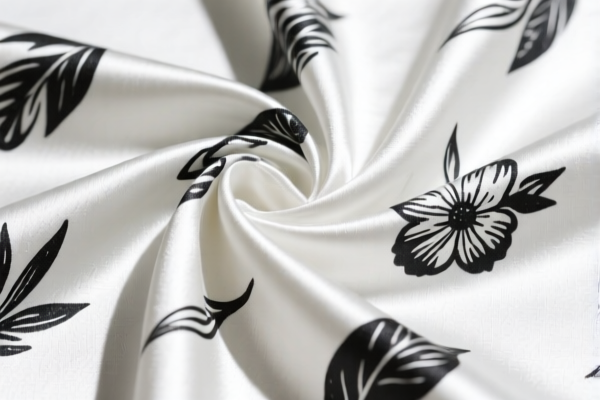
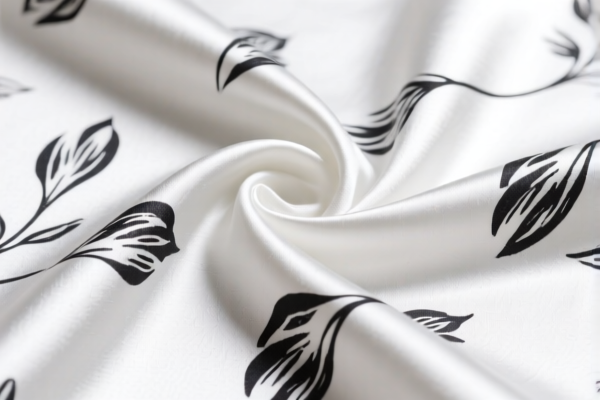
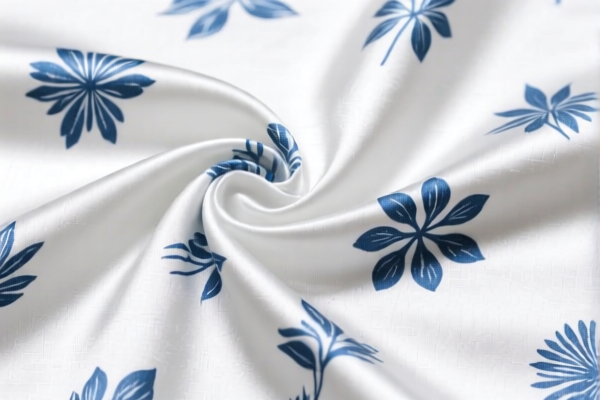
AI Analysis
🧵 Satin Woven Printed Fabric for Handcraft (Reactive Print)
🌐 HS Code Reference & Customs Clearance Guide | 2026 Latest Tariff Analysis | Professional Entry Strategies
📌 I. Product Definition & Classification: Do You Truly Understand "Satin Fabric"?
Satin Woven Printed Fabric, specifically designed for handcrafts with reactive printing, is a textile commodity characterized by its lustrous surface, smooth touch, and vibrant colorfastness. In international trade, textiles are strictly classified based on fiber composition, weaving structure, and printing method.
Key Distinction Points:
- Material Composition: Is it synthetic filament (e.g., Polyester, Nylon) or natural fiber (e.g., Cotton)?
- Weaving Structure: Is it Satin (Satin weave), Plain, or Twill?
- Printing Technique: Is it Reactive Print, Discharge Print, or Digital Print?
⚠️ Critical Classification Trap:
- If the fabric is Synthetic Filament Yarn + Satin Weave + Printed → Likely falls under Chapter 54 (Synthetic Filament Fabric).
- If the fabric is Cotton + Satin Weave + Printed → Likely falls under Chapter 52 (Cotton Fabric).
- Misclassification Risk: Confusing "Satin" (weave structure) with "Satin" (common name for Polyester) can lead to massive tax discrepancies (e.g., 47% vs. 45.3% vs. 49.9%).
📦 II. HS Code Classification Details (2026 Latest Tariff Authority Comparison)
Based on the product description "Satin Woven Printed Fabric for Handcraft (Reactive Print)", the following HS Codes are potential classifications. Each entry reflects specific material and process attributes.
| HS Code | Product Description | Key Classification Logic | Tax Rate (Total) |
|---|---|---|---|
5408.34.90.50 |
Synthetic Filament Satin Fabric, Printed | Material: Artificial Synthetic Filaments. Structure: Satin Weave. Process: Printed. Fits the definition of synthetic filament woven fabrics, satin weave, printed. | 47.0% |
5408.34.90.85 |
Woven Fabric, Printed (Specific Discharge/Reactive Process) | Material: Fabric (implied synthetic based on Chapter 54). Process: Meets specific requirements for discharge printing (拔印) or similar specialized printing techniques under Chapter 54. | 47.0% |
5208.59.20.15 |
Cotton Satin Fabric, Back-Printed/Printed | Material: Inferred as Cotton based on "Woven Fabrics" + Common Sense for Handcraft Satin. Structure: Satin (Gongdu). Process: Back-printed/Printed. | 45.3% |
5407.94.20.50 |
Other Synthetic Filament Woven Fabric, Satin/Printed | Material: Synthetic Fiber. Structure: Satin Weave. Process: Printed. Fully matches the material, form, and structural organization requirements of this code. | 49.9% |
5407.94.20.50 |
Synthetic Satin Woven Fabric, Printed | Material: Synthetic. Structure: Satin/Organized. Process: Printed. Explicitly matches "Satin" + "Printed" + "Woven Fabric" definitions. | 49.9% |
🔍 Priority Analysis:
- HS Code5408.34.90.50is the most direct fit if the fabric is Polyester Synthetic Filament Satin.
- HS Code5208.59.20.15applies if the fabric is Cotton Satin (common for handcrafts).
- HS Code5407.94.20.50is a broader category for synthetic woven fabrics but may incur higher duties due to less specific subheading matching.
💰 III. 2026 Latest Tariff Rate Breakdown (Including Surcharges & Policy Add-ons)
✅ Applicable Country: USA (US)
✅ Origin: China (CN)
✅ Effective Date: From November 10, 2025 (for subsequent imports)
🎯 1. 5408.34.90.50 & 5408.34.90.85 —— Synthetic Satin/Printed Fabric
| Item | Detail |
|---|---|
| Base Tariff Rate | 12.0% (Ad Valorem) |
| Section 301 Surcharge | +25.0% (USITC Footnote 9903.88.01) |
| Section 122 Tariff | +10.0% (Specific to certain textile/apparel categories or policy add-on) |
| Total Tax Rate | 47.0% |
| Tax Calculation | CIF Value × 47.0% |
| De Minimis Exemption | ❌ Not Applicable (Textiles generally excluded from 80.01 exemption for Section 301) |
| Legal Basis Path | USITC:5408.34.90.50 → FOOTNOTE:9903.88.01 → Section 122 Add-on |
📌 Explanation:
- 12.0% Base Rate: Standard MFN rate for synthetic filament woven fabrics.
- 25.0% Section 301: Standard punitive tariff on Chinese goods.
- 10% Section 122: Specific legislative surcharge (e.g., for national security or specific industry protections).
- Total 47.0%: High duty burden requires precise declaration to avoid overpayment or underpayment penalties.
🎯 2. 5208.59.20.15 —— Cotton Satin/Printed Fabric
| Item | Detail |
|---|---|
| Base Tariff Rate | 10.3% (Ad Valorem) |
| Section 301 Surcharge | +25.0% |
| Section 122 Tariff | +10.0% |
| Total Tax Rate | 45.3% |
| Tax Calculation | CIF Value × 45.3% |
| De Minimis Exemption | ❌ Not Applicable |
| Legal Basis Path | USITC:5208.59.20.15 → FOOTNOTE:9903.88.01 → Section 122 Add-on |
📌 Note:
- Cotton fabrics have a slightly lower base rate (10.3% vs. 12.0%) but suffer the same surcharges.
- Crucial: Must provide fiber content test reports to prove it is 100% Cotton. If it contains synthetic fibers, it will be reclassified to Chapter 54, increasing the base rate.
🎯 3. 5407.94.20.50 —— Other Synthetic Woven Fabric
| Item | Detail |
|---|---|
| Base Tariff Rate | 14.9% (Ad Valorem) |
| Section 301 Surcharge | +25.0% |
| Section 122 Tariff | +10.0% |
| Total Tax Rate | 49.9% |
| Tax Calculation | CIF Value × 49.9% |
| De Minimis Exemption | ❌ Not Applicable |
| Legal Basis Path | USITC:5407.94.20.50 → FOOTNOTE:9903.88.01 → Section 122 Add-on |
📌 Warning:
- This code has the highest base rate (14.9%) among the options.
- It is a "catch-all" category. Using this code when5408.34.90.50(specific satin) applies may be considered misclassification, leading to audits.
- Only use if the fabric does not meet the strict definition of "Satin Weave" in Chapter 5408.
🛠️ IV. Customs Clearance Practical Advice (Combat Pitfalls Guide)
✅ 1. Required Documentation Checklist (None Can Be Omitted)
| Document | Mandatory | Explanation |
|---|---|---|
| ✅ Fiber Content Test Report | ✔️ | Critical. Must prove if it is 100% Polyester (Ch. 54) or 100% Cotton (Ch. 52). Lab test from accredited third party (e.g., SGS, Intertek). |
| ✅ Fabric Composition Label | ✔️ | Attached to each roll/bale. Must match invoice and test report. |
| ✅ Printing Technique Description | ✔️ | Specify "Reactive Print" or "Discharge Print". Affects subheading if specific process codes exist. |
| ✅ Product Photos | ✔️ | Show weave structure (satin gloss), print pattern, and selvage info. |
| ✅ Commercial Invoice | ✔️ | Clearly state: "Satin Woven Fabric, Printed, [Material], for Handcraft Use." |
| ✅ Packing List | ✔️ | Weight, dimensions, number of rolls. |
| ✅ Certificate of Origin (CO) | ✔️ | Required for origin verification. |
✅ 2. Declaration Tips (Key Mantra)
🔥 “Fiber First, Weave Second, Print Third, Tax Depends on It!”
| Scenario | Correct Declaration | Wrong Practice |
|---|---|---|
| 100% Polyester Satin | 5408.34.90.50 |
Declaring as "Cotton Fabric" → Audit & Penalty |
| 100% Cotton Satin | 5208.59.20.15 |
Declaring as "Synthetic Fabric" → Higher Tax (49.9%) |
| Blended Fabric (e.g., Poly-Cotton) | Requires specific blend code | Ignoring blend ratio → Incorrect Base Rate |
| Unprinted Fabric | Different HTS (e.g., 5407.72) | Declaring as "Printed" → Overpayment |
✅ 3. Special Case Handling
| Case | Handling Advice |
|---|---|
| OEM Custom Print | Provide print pattern design approval documents. Avoid declaring as "Generic Printed Fabric" if specific patterns are known. |
| Reactive Print vs. Digital Print | Reactive print usually implies wet processing; ensure "Reactive" is stated. Digital print may have different duty nuances in some contexts. |
| Handcraft Use | Specify "For Handcraft Use" to clarify end-use, though duty is generally based on material, not end-use (unlike Chapter 61/62 apparel). |
| Small Sample vs. Bulk | Both subject to full duties. Do not declare samples as "Gifts" to evade duty; customs often rejects this for fabrics. |
🌍 V. Global Market Clearance Comparison (2026 Latest)
| Country/Region | Recommended HS Code | Tariff (China Origin) | Certification Requirements | Notes |
|---|---|---|---|---|
| 🇺🇸 USA | 5408.34.90.50 (Syn) |
47.0% | No special certs, but origin proof critical | High duty due to Sec 301 + 122 |
| 🇺🇸 USA | 5208.59.20.15 (Cotton) |
45.3% | No special certs | Slightly lower if 100% Cotton |
| 🇪🇺 EU | 5407.94 / 5208.59 | 0% - 12% | REACH, OEKO-TEX (optional but recommended) | No Section 301/122 surcharges |
| 🇨🇳 China | 5407.94 / 5208.59 | 8% - 12% | N/A | Lower base duties |
| 🇬🇧 UK | 5407.94 / 5208.59 | 0% - 12% | Post-Brexit rules apply | Check UK Trade Tariff |
📌 Conclusion:
- USA is the most expensive market due to additive tariffs (301 + 122).
- Material Proof is Paramount: A single test report can save 4.6% in duty (47% vs. 45.3%) or avoid 49.9% if misclassified.
- EU/UK offer lower duties but require strict chemical compliance (REACH for reactive dyes).
📌 VI. Common Errors & Pitfalls Guide (Lessons from Blood)
❌ Error 1: Declaring "Satin Fabric" without specifying Material
👉 Consequence: Customs assigns the highest possible base rate (e.g., 14.9%) → Overpayment!
❌ Error 2: Ignoring Section 122 Tariff
👉 Consequence: Under-declaration → Penalty + Interest!
Note: Section 122 is a specific legislative add-on. Ensure your broker applies it.
❌ Error 3: Confusing Reactive Print with Discharge Print
👉 Consequence: May affect subheading selection (e.g., 5408.34.90.50 vs. 5408.34.90.85) if specific process codes exist.
❌ Error 4: Using "Handcraft" to claim De Minimis Exemption
👉 Consequence: Denied. Textiles are generally excluded from $800 de minimis benefits for Section 301 goods.
✅ Correct Approach:
"100% Polyester Woven Satin Fabric, Reactive Printed, 150cm Width, for Handcraft Use, Model SF-2026, CO: China"
🎯 VII. Conclusion: Professional Declaration Saves Money!
🎯 Remember the Mantra:
🔹 "Fiber Determines Chapter, Weave Determines Subheading, Print Determines Detail!"
🔹 "47% vs 45% vs 49%: One Test Report Makes the Difference!"
🔹 "Don't Guess 'Satin' – Prove the Fiber!"
📌 Pro Tip:
- If your fabric is Cotton, ensure the test report explicitly states 100% Cotton to qualify for 45.3% instead of 47%.
- If Synthetic, ensure it is Filament (not staple fiber) to fall under Chapter 54 (47%) rather than Chapter 55 (which may have different rates).
- Apply for Advance Ruling if unsure about the specific print process classification.
📣 Action Now:
📞 Contact Customs Broker + Provide Fiber Test Report + Product Photos
🚀 Clear Customs Smoothly, Reduce Duty Costs, Maximize Profit!
✨ Professional Clearance Starts with Precise Classification!
💼 Every Cent of Duty is Worth Calculating!
Customer Reviews
About HS Code Classification
The Harmonized System (HS) is an internationally standardized nomenclature developed by the World Customs Organization (WCO) to classify traded products. Over 200 countries use the HS system as the basis for customs tariffs, trade statistics, and import/export regulations.
Each HS code follows a hierarchical structure:
- Chapter (2 digits) — Broad category of goods (e.g., Chapter 84: Machinery and Mechanical Appliances)
- Heading (4 digits) — More specific grouping within the chapter
- Subheading (6 digits) — Internationally standardized breakdown, used by all WCO member countries
- National subdivisions (8-10 digits) — Country-specific extensions for further classification, such as US HTSUS 10-digit codes
Correct HS code classification is essential for smooth customs clearance, accurate duty payment, and compliance with trade regulations. Misclassification can lead to customs delays, overpayment of duties, or penalties.
When importing from CN to US, the applicable tariff rates may include:
- Most-Favored-Nation (MFN) rate — The standard duty rate applied to WTO members
- General rate — Applied to countries without trade agreements
- Trade remedy duties — Additional tariffs such as Section 301 (anti-dumping), Section 232 (national security), or countervailing duties
The information provided on this page is for reference purposes only. For official classification, please consult with your local customs authority or a licensed customs broker.