Satin Woven Printed Fabric for Home Textiles
CN → US| HS Code | Tariff Rate | Origin | Destination | Doc |
|---|---|---|---|---|
| 5208292020 | 42.7% | CN | US | Official Doc |
| 5407820040 | 49.9% | CN | US | Official Doc |
| 5208192020 | 42.9% | CN | US | Official Doc |
| 5512210060 | 47.0% | CN | US | Official Doc |
| 5512110060 | 47.0% | CN | US | Official Doc |
Product Images
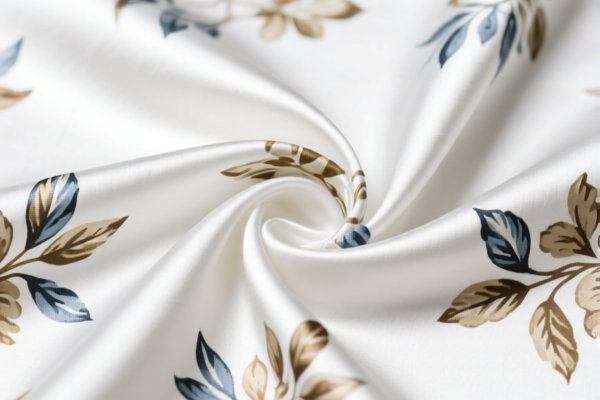
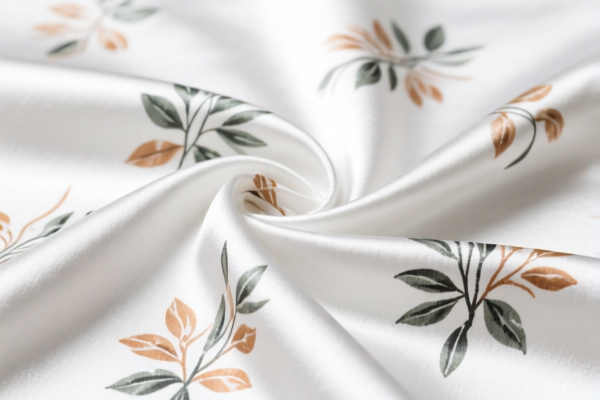
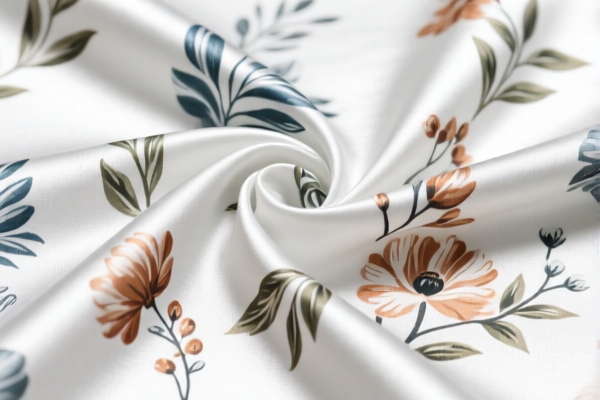
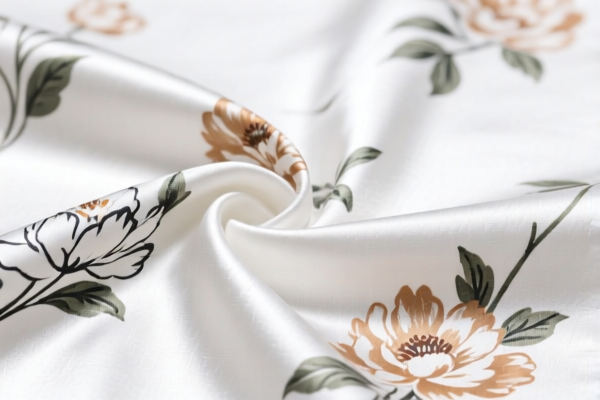
AI Analysis
🧵 Satin Woven Printed Fabric for Home Textiles
🌐 HS Code Reference & Customs Clearance Guide | 2026 Latest Tariff Analysis | Professional Clearance Strategy for Satin Fabrics
📌 I. Product Definition & Classification: Do You Really Understand "Satin Fabric"?
Satin woven fabric is a versatile textile characterized by a glossy surface and a dull back, widely used in home textiles (curtains, bedding, upholstery). In international trade, classification depends heavily on the fiber material and the weaving structure.
For "Satin Woven Printed Fabric," the key to correct classification lies in identifying the primary raw material: - Silk/Natural Fibers: Typically classified under Chapter 52 (Cotton) or Chapter 50 (Silk) depending on blend. Note: The provided data focuses heavily on Cotton (Chapter 52) and Synthetic (Chapter 55). - Cotton: Falls under Chapter 52. - Synthetic Filament Yarn (Polyester/Nylon): Falls under Chapter 54 or 55.
⚠️ Critical Distinction Point:
- If the fabric is made of Cotton → Look at HS 5208.xxxx codes.
- If the fabric is made of Synthetic Filament Yarn → Look at HS 5407.xxxx or HS 5512.xxxx codes.
- The term "Satin" refers to the weave structure (Satin Weave), which must match specific chapter notes.
📦 II. HS Code Classification Details (Based on Provided Data)
Below are the specific HS codes from the provided <DATA> block, along with their summaries and total tax rates.
| HS Code | Product Description & Summary | Total Tax Rate | Tax Breakdown |
|---|---|---|---|
| 5208.29.20.20 | Satin Weave Fabric; Shape matches Satin Weave Characteristics | 42.7% | Base: 7.7%, Section 301: 25.0%, Section 122: 10.0% |
| 5407.82.00.40 | Satin Weave Fabric; Meets Weaving Method Requirements | 49.9% | Base: 14.9%, Section 301: 25.0%, Section 122: 10.0% |
| 5208.19.20.20 | Satin Weave Fabric; Shape matches Satin, No Material Conflict | 42.9% | Base: 7.9%, Section 301: 25.0%, Section 122: 10.0% |
| 5512.21.00.60 | Satin Weave Fabric; Meets Satin or Twill Characteristics | 47.0% | Base: 12.0%, Section 301: 25.0%, Section 122: 10.0% |
| 5512.11.00.60 | Satin Weave Fabric; Corresponds to Satin or Twill Process | 47.0% | Base: 12.0%, Section 301: 25.0%, Section 122: 10.0% |
🔍 Key Insight:
- Cotton Satin (5208 series) generally has a lower base tariff (7.7% - 7.9%) compared to Synthetic Satin.
- Synthetic Satin (5407/5512 series) has a higher base tariff (12.0% - 14.9%).
- All codes above are subject to significant Additional Duties (Section 301 + Section 122), bringing the total effective tax rate to 42.7% – 49.9%.
💰 III. 2026 Latest Tariff Rate Breakdown (Including Additional Duties)
✅ Applicable Country: United States (US)
✅ Origin: China (CN) (Assumed based on Section 122 & 301 context)
✅ Effective Time: Ongoing (as per current trade policies)
🎯 1. Cotton Satin Fabrics (HS 5208 Series)
📌 5208.29.20.20 – Cotton Satin Weave Fabric
| Item | Detail |
|---|---|
| Base Tariff | 7.7% |
| Section 301 Duty | +25.0% |
| Section 122 Duty | +10.0% |
| Total Tax Rate | 42.7% |
| Calculation | CIF Value × 42.7% |
| De Minimis Exemption | ❌ Not Applicable (High rate usually excludes de minimis benefits for certain categories) |
📌 5208.19.20.20 – Cotton Satin Weave Fabric (No Material Conflict)
| Item | Detail |
|---|---|
| Base Tariff | 7.9% |
| Section 301 Duty | +25.0% |
| Section 122 Duty | +10.0% |
| Total Tax Rate | 42.9% |
| Calculation | CIF Value × 42.9% |
| De Minimis Exemption | ❌ Not Applicable |
📌 Explanation:
- Base Tariff: Reflects the standard MFN rate for cotton woven fabrics in the satin weave.
- Section 301 (25%): Retaliatory tariffs on Chinese goods under Trade Act of 1974 Section 301.
- Section 122 (10%): Additional tariffs imposed under specific executive orders or trade actions (often linked to broader trade deficits or national security measures).
- Result: Even though the base rate is low (~7.8%), the additional duties push the cost significantly.
🎯 2. Synthetic Satin Fabrics (HS 5407 & 5512 Series)
📌 5407.82.00.40 – Synthetic Filament Satin Weave Fabric
| Item | Detail |
|---|---|
| Base Tariff | 14.9% |
| Section 301 Duty | +25.0% |
| Section 122 Duty | +10.0% |
| Total Tax Rate | 49.9% |
| Calculation | CIF Value × 49.9% |
| De Minimis Exemption | ❌ Not Applicable |
📌 5512.21.00.60 & 5512.11.00.60 – Woven Satin/Twill Synthetic Fabrics
| Item | Detail |
|---|---|
| Base Tariff | 12.0% |
| Section 301 Duty | +25.0% |
| Section 122 Duty | +10.0% |
| Total Tax Rate | 47.0% |
| Calculation | CIF Value × 47.0% |
| De Minimis Exemption | ❌ Not Applicable |
📌 Note:
- Synthetic fabrics (Polyester/Nylon) have higher base tariffs (12-14.9%) than cotton.
- The Section 301 and 122 duties are flat, so the total percentage is higher than for cotton.
- 5512 codes typically refer to polyester/nylon woven fabrics, while 5407 refers to other synthetic filament yarns. Both are subject to high duties.
🛠️ IV. Customs Clearance Practical Advice (Avoiding Pitfalls)
✅ 1. Preparation Checklist (Essential Documents)
| Document | Required | Explanation |
|---|---|---|
| ✅ Product Specification Sheet | ✔️ | Must specify: Fiber content (% Cotton/Polyester), Weave type (Satin), Weight (GSM), Width, and Finish (Printed/Dyed). |
| ✅ Laboratory Test Report | ✔️ | Confirms fiber composition. Critical for distinguishing between HS 5208 (Cotton) and HS 5407/5512 (Synthetic). |
| ✅ Commercial Invoice | ✔️ | Must clearly state "Satin Weave Fabric, Printed." Avoid vague terms like "Textile Material." |
| ✅ Packing List | ✔️ | Details roll lengths, weights, and carton dimensions. |
| ✅ Certificate of Origin | ✔️ | Essential for proving Chinese origin (if applicable) to apply correct Section 301/122 rates. |
| ✅ Print Design Proof | ✔️ | If "Printed" is part of the description, ensure the invoice matches the physical goods to avoid misdeclaration. |
✅ 2. Declaration Tips (Key Mantras)
🔥 "Fiber Content is King, Weave Structure is Queen, Print is the Crown!"
| Scenario | Correct Declaration | Mistake to Avoid |
|---|---|---|
| 100% Cotton Satin | 5208.29.20.20 or 5208.19.20.20 |
Declaring as Synthetic → Higher Base Rate (49.9%) |
| 100% Polyester Satin | 5512.11.00.60 or 5512.21.00.60 |
Declaring as Cotton → Lower Base Rate but Penalty for Misclassification |
| Cotton-Poly Blend | Check % of dominant fiber. If >50% Cotton → HS 5208. If >50% Poly → HS 5512/5407. | Ambiguous fiber content → Customs may force reclassification or assess duty on highest applicable rate. |
| "Satin" Description | Always include "Satin Weave" in the description. | Just saying "Printed Fabric" → May be misclassified as general woven fabric (different rate). |
✅ 3. Special Considerations
| Situation | Advice |
|---|---|
| Printed vs. Dyed | The HS codes provided cover "Satin Weave Fabric." Whether printed or dyed, the base structure determines the code. Ensure "Printed" is noted on the invoice but does not change the HS code unless the printing process alters the fabric's essential character (rare for standard satin). |
| Home Textile Use | The end-use (home textiles) does not change the HS code. It is still a fabric. Do not declare as "Bed Sheets" (which would be HS 6302) if you are importing fabrics by the roll. |
| Section 122 Impact | This 10% duty is non-negotiable for Chinese-origin goods under current policies. Factor this into your pricing strategy. |
| De Minimis (Section 321) | Warning: With total tax rates above 40%, Section 321 de minimis ($800 exemption) likely does NOT apply or is not beneficial due to high duties. Plan for full commercial entry. |
🌍 V. Global Market Comparison (2026 Snapshot)
| Country/Region | Recommended HS Code (Cotton Satin) | Approx. Total Tax Rate | Notes |
|---|---|---|---|
| 🇺🇸 USA | 5208.29.20.20 / 5208.19.20.20 |
42.7% - 42.9% | High due to Section 301 (25%) + Section 122 (10%). |
| 🇨🇳 China | 5208.29.20.20 |
~7.7% | No additional duties for exports from China, but this data is for imports into the US. |
| 🇪🇺 EU | 5208.29 (Generic) |
~9-12% | No Section 301/122 equivalents. Lower overall cost. |
| 🇬🇧 UK | 5208.29 |
~12% | Post-Brexit tariffs may vary. |
| 🇨🇦 Canada | 5208.29 |
~12-14% | Check CUSMA eligibility if from Mexico/US. |
📌 Conclusion:
- US Market is the most expensive due to Section 301 + Section 122.
- Cotton Satin is slightly cheaper than Synthetic Satin in the US due to lower base tariffs.
- Consider sourcing from Vietnam, India, or Bangladesh to potentially avoid Section 301/122 duties (verify current rules of origin).
📌 VI. Common Mistakes & Pitfalls (Lessons Learned)
❌ Mistake 1: Declaring "Printed Fabric" without specifying Weave Structure.
👉 Consequence: Customs may classify under general woven fabric (higher base rate) or reject the declaration for lack of detail.
❌ Mistake 2: Confusing Cotton with Polyester-Cotton Blend.
👉 Consequence: If blended, the classification depends on the dominant fiber. Misclassification leads to penalties and back-duties.
❌ Mistake 3: Ignoring Section 122.
👉 Consequence: Underestimating landed cost by 10%. This is a hard cost for Chinese-origin goods.
❌ Mistake 4: Using "Satin" loosely.
👉 Consequence: If the fabric is Twilled (not Satin), it may fall under a different subheading. Ensure the weave structure matches the HS code description ("Satin Weave").
✅ Correct Practice:
"100% Cotton Satin Weave Fabric, Printed, 44 Inches Wide, 120 GSM, for Home Textiles"
HS Code:5208.29.20.20
Total Duty: 42.7%
🎯 VII. Conclusion: Precision in Classification Saves Money!
🎯 Remember the Mantra:
🔹 "Cotton Satin: 42.7% | Synthetic Satin: 47-50% | Check Fiber First!"
🔹 "Section 301 (25%) + Section 122 (10%) = High Cost. Plan Accordingly!"
📌 Pro Tip:
If your fabric is not 100% Chinese origin, you may exclude Section 301 and 122 duties.
For example, sourcing from Vietnam or India could reduce your total tax rate to ~12-15% (Base Tariff only).
Always verify Country of Origin before importing.
📣 Immediate Action:
📞 Consult a licensed customs broker to verify Fiber Content via lab test.
📄 Ensure your Invoice clearly states "Satin Weave" and Fiber Composition.
🚀 Optimize your supply chain to mitigate 49.9% max duty exposure.
✨ Professional Clearance Starts with Accurate Classification!
💼 Every Percent of Duty Saved is Pure Profit!
Customer Reviews
About HS Code Classification
The Harmonized System (HS) is an internationally standardized nomenclature developed by the World Customs Organization (WCO) to classify traded products. Over 200 countries use the HS system as the basis for customs tariffs, trade statistics, and import/export regulations.
Each HS code follows a hierarchical structure:
- Chapter (2 digits) — Broad category of goods (e.g., Chapter 84: Machinery and Mechanical Appliances)
- Heading (4 digits) — More specific grouping within the chapter
- Subheading (6 digits) — Internationally standardized breakdown, used by all WCO member countries
- National subdivisions (8-10 digits) — Country-specific extensions for further classification, such as US HTSUS 10-digit codes
Correct HS code classification is essential for smooth customs clearance, accurate duty payment, and compliance with trade regulations. Misclassification can lead to customs delays, overpayment of duties, or penalties.
When importing from CN to US, the applicable tariff rates may include:
- Most-Favored-Nation (MFN) rate — The standard duty rate applied to WTO members
- General rate — Applied to countries without trade agreements
- Trade remedy duties — Additional tariffs such as Section 301 (anti-dumping), Section 232 (national security), or countervailing duties
The information provided on this page is for reference purposes only. For official classification, please consult with your local customs authority or a licensed customs broker.