Sauce Dish
CN → US| HS Code | Tariff Rate | Origin | Destination | Doc |
|---|---|---|---|---|
| 6911108010 | 38.3% | CN | US | Official Doc |
| 6911103510 | 43.5% | CN | US | Official Doc |
| 7013492010 | 40.0% | CN | US | Official Doc |
| 7013495090 | 25.0% | CN | US | Official Doc |
| 6912004810 | 19.8% | CN | US | Official Doc |
| 6912004100 | 13.9% | CN | US | Official Doc |
Product Images


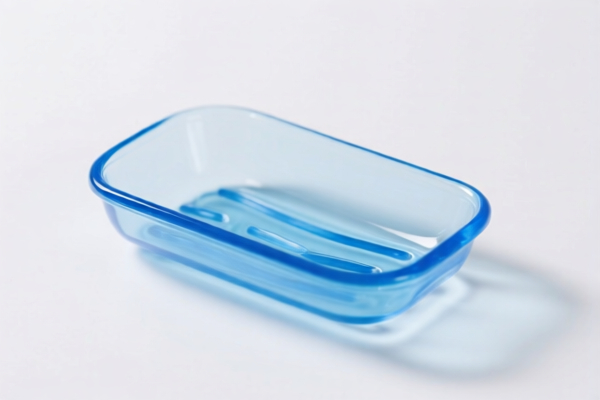
AI Analysis
🍽️ Sauce Dishes: The Art of Serving & Strategic Import Classification
🌐 HS Code Reference & Customs Clearance Guide | 2026 Tax Regime Analysis | Professional Import Strategy
📌 I. Product Definition & Classification: Do You Know Your "Sauce Dish"?
A Sauce Dish (or Condiment Dish) is a fundamental component of tableware used for serving sauces, gravies, dips, dressings, or small portion side items at the dining table. In international trade, classification depends heavily on material (Ceramic vs. Porcelain vs. Glass) and specific design features (e.g., lids, special shapes, or inclusion in sets).
⚠️ Critical Distinction:
- Ceramic (Non-Porcelain): Often includes earthenware, stoneware, or generic ceramic. Lower base tax, potentially zero Section 301 tax depending on the specific sub-category.
- Porcelain or China: Higher base tax (20.8%+) and subject to Section 301 additional tariffs (7.5%).
- Glass: Classified separately (Chapter 70), with duties based on value per unit.
- Set vs. Individual: If part of a set, it may fall under specific "set" classifications with different tax implications.
📦 II. HS Code Classification Details (2026 Authority Comparison)
Based on the provided dataset, here are the specific classifications for Sauce Dishes and related tableware:
| HS Code | Product Description | Material | Key Features | Tax Details (Base + Add-on) |
|---|---|---|---|---|
| 6912.00.48.10 | Ceramic tableware... Tableware and kitchenware: Other... Suitable for food or drink contact | Ceramic (Non-Porcelain) | General sauce dishes, generic shapes, non-porcelain | 9.8% (Base: 9.8% + Add-on: 0%) |
| 6912.00.41.00 | Ceramic tableware... Steins with lids; candy boxes; pretzel dishes; tidbit dishes; bonbon dishes | Ceramic (Non-Porcelain) | Specialized shapes (tiers, lids, specific serving dishes) | 0.0% (Base: 0% + Add-on: 0%) |
| 6911.10.80.10 | Tableware of Porcelain or China: Other... Suitable for food or drink contact | Porcelain / China | Premium white ceramic sauce dishes, generic | 28.3% (Base: 20.8% + Add-on: 7.5%) |
| 6911.10.35.10 | Tableware of Porcelain or China: Available in Specified Sets (Plates <27.9cm, Teacups, Mugs, Soup/Fruit/Cereal dishes) | Porcelain / China | Sauce dishes included in a "Set" (e.g., dinner set) | 33.5% (Base: 26.0% + Add-on: 7.5%) |
| 7013.49.20.10 | Glassware (Table/Kitchen): Valued not over $3 each... Crystalline or non-lead crystal | Glass / Crystal | Small glass sauce dishes, under $3/unit | 30.0% (Base: 22.5% + Add-on: 7.5%) |
| 7013.49.50.90 | Glassware (Table/Kitchen): Valued over $3 each... Other | Glass | Premium/larger glass sauce dishes, over $3/unit | 15.0% (Base: 15.0% + Add-on: 0%) |
🔍 Key Insight:
- Ceramic (6912) is generally cheaper to import than Porcelain (6911) due to lower base rates. - Specialized Ceramic Shapes (6912.00.41.00) (like tidbit dishes or tiered servers) can enjoy 0% total tax, a massive saving compared to generic porcelain. - Sets (6911.10.35.10) incur the highest penalty (33.5%) if the set includes sauce dishes and meets the size/value criteria.
💰 III. 2026 Tax Rate Deep Dive (Detailed Breakdown)
🎯 1. 6912.00.48.10 — Generic Ceramic Sauce Dishes
The "Safe" Low-Risk Option - Description: General ceramic tableware not made of porcelain. - Base Tariff: 9.8% - Section 301 (Add-on): 0.0% - Total Duty: 9.8% - Strategy: Ideal for stoneware or earthenware sauce dishes. No Section 301 penalty applies here.
🎯 2. 6912.00.41.00 — Specialized Ceramic Serving Dishes
The "Zero-Tax" Opportunity - Description: Includes tidbit dishes, pretzel dishes, tiered servers, bonbon dishes, and egg cups. - Base Tariff: 0.0% - Section 301 (Add-on): 0.0% - Total Duty: 0.0% - Strategy: If your sauce dish has a unique shape (e.g., a tiered stand, a specific "tidbit" shape, or a pretzel dish), classify here to pay ZERO tax. Do not use generic descriptions.
🎯 3. 6911.10.80.10 — Porcelain/China Sauce Dishes
The "High Tax" Trap - Description: Standard white porcelain sauce dishes (not in sets). - Base Tariff: 20.8% - Section 301 (Add-on): 7.5% - Total Duty: 28.3% - Strategy: High cost. Ensure the material is indeed porcelain. If it can be classified as earthenware/stoneware (6912), you save 18.5%.
🎯 4. 6911.10.35.10 — Porcelain in Sets
The "Set Penalty" - Description: Sauce dishes sold as part of a dinner set (with plates <27.9cm, mugs, etc.). - Base Tariff: 26.0% - Section 301 (Add-on): 7.5% - Total Duty: 33.5% - Strategy: Avoid selling sauce dishes as part of a set if possible. Selling individually as 6911.10.80.10 reduces the base rate slightly (20.8% vs 26.0%), but the total is still high. However, 6912.00.41.00 is the gold standard for sets if they fit the description.
🎯 5. & 6. Glassware (7013.49.20.10 / 7013.49.50.90)
The "Value Threshold" - Under $3/unit: 30.0% (High tax due to Section 301) - Over $3/unit: 15.0% (Lower tax, no Section 301) - Strategy: If you import glass sauce dishes, aim to price them (FOB or CIF) such that the unit value exceeds $3.00 to avoid the 7.5% add-on. Alternatively, use non-crystal glass if possible.
🛠️ IV. Customs Clearance Practical Advice (Risk Avoidance)
✅ 1. Preparation Checklist
| Document | Requirement | Why it Matters |
|---|---|---|
| Material Certificate | Certify "Stoneware/Earthenware" vs. "Porcelain" | Crucial for distinguishing 6912 (9.8%) from 6911 (28.3%). |
| Product Photos | Clear shots of shape, handles, lids | Needed to verify if it fits 6912.00.41.00 (Specialized shapes = 0% tax). |
| Set Declaration | If sold as a set, provide list of all items | Misdeclaring a set can trigger penalties or reclassification. |
| Unit Value Proof | Invoice showing value < $3 or > $3 | Determines glass tariff tier (30% vs 15%). |
✅ 2. Declaration Tips
🔥 "Shape is King, Material Matters, Set is Expensive!"
| Scenario | Correct Classification | Why? |
|---|---|---|
| Plain ceramic sauce dish | 6912.00.48.10 |
9.8% tax is standard for non-porcelain. |
| Tiered sauce stand / Tidbit dish | 6912.00.41.00 |
0% Tax! Specific description unlocks exemption. |
| White porcelain bowl | 6911.10.80.10 |
28.3% is unavoidable for porcelain unless it's a "set". |
| Sauce dish in a Dinner Set | 6911.10.35.10 |
33.5% tax applies. Try to sell dishes individually. |
| Glass dish ($2.50/unit) | 7013.49.20.10 |
High tax (30%). Consider redesigning to be >$3. |
| Glass dish ($4.00/unit) | 7013.49.50.90 |
Low tax (15%). Perfect value point. |
✅ 3. Special Scenarios
- OEM Custom Shapes: If you have a unique mold for a sauce dish that looks like a "tidbit" or "pretzel" dish, explicitly use that description in the HS Code. Do not call it a "sauce dish" if it qualifies for the 0% category.
- Porcelain vs. Ceramic: If the clay body is not "porcelain" (defined by translucency and firing temp), argue for 6912 (Ceramic) to save 18.5%.
- Set Bundling: If customers buy sauce dishes with plates, be aware of the 6911.10.35.10 trap. Consider shipping them separately to utilize lower individual rates.
🌍 V. Global Market Comparison (2026)
| Destination | Recommended HS Code | Duty Estimate | Key Requirement |
|---|---|---|---|
| 🇺🇸 USA | 6912.00.41.00 | 0% | Must be specific shapes (tidbit, pretzel, etc.) |
| 🇺🇸 USA | 6911.10.80.10 |
28.3% | Porcelain only. |
| 🇪🇺 EU | 6912.00.48.10 |
~10-12% | Standard Ceramic |
| 🇬🇧 UK | 6912.00.48.10 |
~10-12% | Standard Ceramic |
| 🇨🇦 Canada | 6912.00.48.10 |
~0-5% | Check CETA agreement |
📌 Conclusion:
The USA is the most complex market for sauce dishes due to the Section 301 tariffs (7.5% add-on) on Porcelain and Glass < $3.
Strategy: Maximize use of Ceramic (6912) and Specialized Shapes (6912.00.41.00) to hit 0% tax. Avoid Porcelain (6911) unless absolutely necessary.
📌 VI. Common Errors & Pitfalls
❌ Error 1: Calling a "Specialized Ceramic Dish" a "Sauce Dish"
👉 Consequence: Classified as 6912.00.48.10 (9.8%) instead of 6912.00.41.00 (0%). Loss of 9.8% margin.
❌ Error 2: Selling Porcelain dishes as part of a "Set"
👉 Consequence: Tax jumps to 33.5% (6911.10.35.10). Loss of 5.2% margin vs individual sale.
❌ Error 3: Glass dishes priced at $2.50
👉 Consequence: 30% tax (7013.49.20.10). Loss of 15% vs pricing at $3.01.
✅ Correct Approach:
"Ceramic Tidbit Dish with Pewter Lid, Non-Porcelain, Individual SKU"
HS Code:6912.00.41.00
Tax: 0.0%
🎯 VII. Final Summary: Profit Optimization
🎯 Remember the Golden Rules:
🔹 "Ceramic > Porcelain" (9.8% vs 28.3%)
🔹 "Shape is 0%" (Specialized shapes = 0% tax)
🔹 "Glass > $3" (Avoid the 30% trap)
🔹 "Don't Sell as a Set" (Unless it fits the 0% category)
📌 Action Item:
🚀 Audit your current product line:
1. Are any ceramic sauce dishes actually "tidbit" or "tiered" shapes? → Reclassify to 6912.00.41.00.
2. Are porcelain dishes sold in sets? → Consider unbundling.
3. Are glass dishes under $3? → Adjust pricing or redesign.
✨ Professional Customs Clearance: Precision Pays!
💼 Every 1% of tax saved is pure profit. Don't let classification errors eat your margins!
Customer Reviews
About HS Code Classification
The Harmonized System (HS) is an internationally standardized nomenclature developed by the World Customs Organization (WCO) to classify traded products. Over 200 countries use the HS system as the basis for customs tariffs, trade statistics, and import/export regulations.
Each HS code follows a hierarchical structure:
- Chapter (2 digits) — Broad category of goods (e.g., Chapter 84: Machinery and Mechanical Appliances)
- Heading (4 digits) — More specific grouping within the chapter
- Subheading (6 digits) — Internationally standardized breakdown, used by all WCO member countries
- National subdivisions (8-10 digits) — Country-specific extensions for further classification, such as US HTSUS 10-digit codes
Correct HS code classification is essential for smooth customs clearance, accurate duty payment, and compliance with trade regulations. Misclassification can lead to customs delays, overpayment of duties, or penalties.
When importing from CN to US, the applicable tariff rates may include:
- Most-Favored-Nation (MFN) rate — The standard duty rate applied to WTO members
- General rate — Applied to countries without trade agreements
- Trade remedy duties — Additional tariffs such as Section 301 (anti-dumping), Section 232 (national security), or countervailing duties
The information provided on this page is for reference purposes only. For official classification, please consult with your local customs authority or a licensed customs broker.