Sawn Refrigerated Cedar Wood
CN → US| HS Code | Tariff Rate | Origin | Destination | Doc |
|---|---|---|---|---|
| 4407190068 | 35.0% | CN | US | Official Doc |
| 4407190069 | 35.0% | CN | US | Official Doc |
Product Images
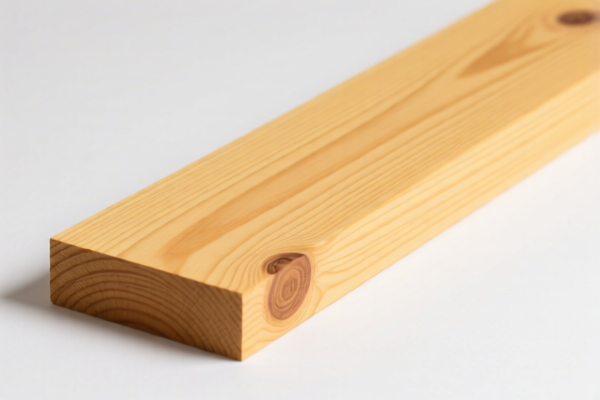
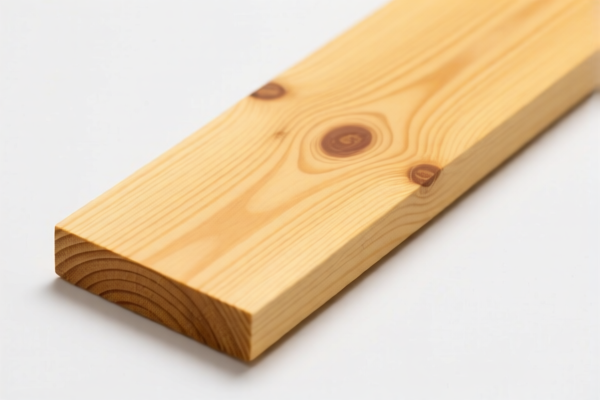
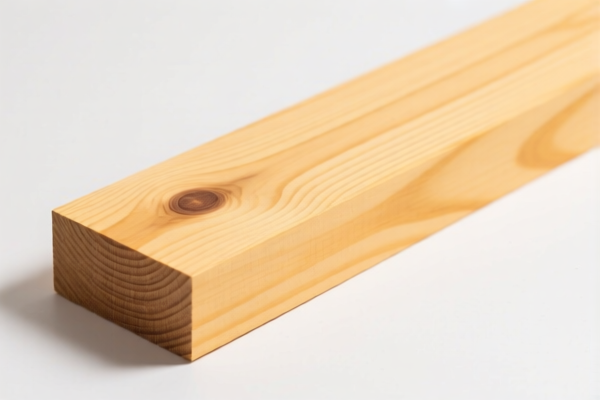
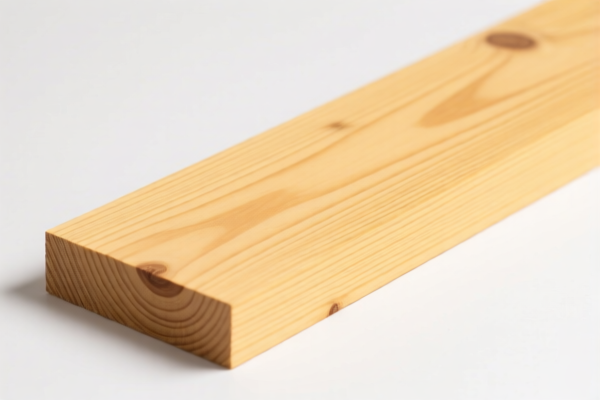
AI Analysis
🌲 Sawn Refrigerated Cedar Wood (Western Red Cedar)
🌐 HS Code Reference & Customs Clearance Guide | 2026 Latest Tariff Analysis | Professional-Level Strategy for US Imports
📌 One, Product Definition and Classification: Do You Truly Understand "Sawn Cedar"?
Sawn wood, particularly Western Red Cedar, is a premium commodity used in construction, outdoor decking, roofing, and high-end furniture. In international trade, its classification depends strictly on its geographical origin (Coniferous), processing state (Sawn/Chipped), thickness, and treatment status.
For this specific request—"Sawn Refrigerated Cedar Wood"—the key factors are: 1. Material: Coniferous Wood (Western Red Cedar is a conifer). 2. Processing: Sawn or chipped lengthwise, whether or not planed, sanded, or end-jointed. 3. Thickness: Exceeding 6 mm (standard for lumber). 4. Treatment: "Refrigerated" usually implies cold storage or fumigation-free preservation (killing pests via cold treatment), which means it is NOT chemically treated with preservatives. Therefore, it falls under "Not Treated". 5. Finish: "Rough" vs. "Other" (Planed/Sanded).
⚠️ Critical Distinction Point:
- If the wood is rough-sawn (unplaned, unpolished surface) → 4407.19.00.68
- If the wood is planed, sanded, or otherwise finished (even if just "refrigerated" for pest control) → 4407.19.00.69
📦 Two. HS Code Classification Details (2026 Latest Tariff Authority Comparison)
Based on the provided data, there are only two relevant HS Codes for Western Red Cedar that are Coniferous, Not Treated, and have a thickness > 6mm.
| HS Code | Product Description | Application Scenario | Surface Finish Status |
|---|---|---|---|
4407.19.00.68 |
Western Red Cedar: Rough | Unplaned lumber, rough-cut decking blanks, raw construction beams | ❌ Rough / Unfinished |
4407.19.00.69 |
Western Red Cedar: Other | Planed, sanded, or end-jointed cedar for furniture, interior paneling, or finished decking | ✅ Finished / Processed |
🔍 Important Reminder:
- Both codes belong to Chapter 44: Wood and articles of wood; wood charcoal. - Specific subheading: 4407.19 (Other coniferous wood, sawn/chipped, thickness > 6mm, not treated). - "Refrigerated" is a phytosanitary measure, not a chemical treatment. Thus, it remains "Not Treated" under HS classification, keeping it in the 4407.19 series. - Do NOT confuse with "Heat Treated" (HT) which might have different labeling requirements, but the HS code remains the same unless chemically treated.
💰 Three. 2026 Latest Tariff Rate Detail (Including Additional Taxes, Policy Surcharges)
✅ Applicable Country: United States (US)
✅ Origin: China (CN) (Assuming standard import context for 25% surcharge; if origin is non-China, base tax is 0%, surcharge may not apply)
✅ Effective Date: Current applicable rates for Section 301 tariffs.
🎯 1. 4407.19.00.68 —— Western Red Cedar: Rough
| Item | Content |
|---|---|
| Base Tariff Rate | 0.0% (ad valorem) |
| Section 301 Additional Tariff | +25.0% (China-origin goods) |
| Total Effective Rate | 25.0% |
| Tax Calculation | CIF Value × 25.0% |
| De Minimis Exemption | ❌ Not Applicable (Wood products generally do not qualify for $800 de minimis duty-free entry if subject to Section 301) |
| Legal Basis Path | HTSUS:4407.19.00.68 → USITC Section 301 List 4 → 25% Surcharge |
📌 Explanation:
- "Base Tariff 0%": The US has a free trade baseline for many wood products from non-China origins, but this is subject to additional duties. - "Additional Tariff 25%": This is the Section 301 Tariff imposed on Chinese goods. Western Red Cedar (even if rough) is included in the list of covered products. - No De Minimis: Unlike electronics or small accessories, lumber shipments are typically consolidated or bulk, and often subject to stricter scrutiny. Even if small, Section 301 items are generally excluded from $800 de minimis relief if they are specifically listed.
🎯 2. 4407.19.00.69 —— Western Red Cedar: Other
| Item | Content |
|---|---|
| Base Tariff Rate | 0.0% (ad valorem) |
| Section 301 Additional Tariff | +25.0% (China-origin goods) |
| Total Effective Rate | 25.0% |
| Tax Calculation | CIF Value × 25.0% |
| De Minimis Exemption | ❌ Not Applicable |
| Legal Basis Path | HTSUS:4407.19.00.69 → USITC Section 301 List 4 → 25% Surcharge |
📌 Note:
- The tariff rate is identical to the "Rough" category. - The distinction is purely physical: Rough vs. Finished (Planed/Sanded). - If your cedar is "Refrigerated" to kill pests, it is still considered "Not Treated" (no chemicals), so it stays in these codes. If it were chemically pressure-treated, it would move to a different subheading (e.g., 4407.19.00.60 or similar, which may have different rates).
🛠️ Four. Customs Clearance Practical Advice (Battle-Tested Pitfall Avoidance)
✅ 1. Required Documentation Checklist (None Can Be Omitted)
| Document | Mandatory? | Description |
|---|---|---|
| ✅ Phytosanitary Certificate | ✔️ | Issued by the country of origin’s agricultural authority. Essential for wood. |
| ✅ ISPM 15 Compliance Proof | ✔️ | Even if "Refrigerated" (Cold Treatment), you must provide Cold Treatment Records proving the temperature/time standard was met (e.g., -1.1°C for 30 days for Western Red Cedar). |
| ✅ Commercial Invoice | ✔️ | Must clearly state: "Western Red Cedar, Sawn, Not Chemically Treated, Thickness > 6mm." |
| ✅ Packing List | ✔️ | Detail weight, volume, and number of pieces. |
| ✅ Bill of Lading / Air Waybill | ✔️ | Standard shipping document. |
| ✅ Country of Origin Certificate | ✔️ | To prove origin for tariff calculation (if not China, 301 tariff may not apply). |
✅ 2. Declaration Tips (Key Mantra)
🔥 "Cold Treatment is Not Chemical Treatment, Rough vs. Planed Determines Code, 301 Tax is Inevitable for China Origin!"
| Situation | Correct Declaration | Wrong Approach |
|---|---|---|
| Wood is Rough-Sawn | 4407.19.00.68 |
Declare as "4407.19.00.69" → Risk of misclassification penalty. |
| Wood is Planed/Sanded | 4407.19.00.69 |
Declare as "Rough" → Under-declare value/tax risk. |
| Cold Treatment Applied | State "Not Chemically Treated" + Attach Cold Treatment Log | State "Treated" → May trigger unnecessary testing or wrong code. |
| Origin is China | Accept 25% Surcharge | Try to declare as "Non-Chinese" → High risk of audit and fines. |
✅ 3. Special Case Handling
| Situation | Handling Advice |
|---|---|
| End-Jointed Cedar | Still falls under 4407.19.00.69 ("Other") if planed/sanded. If rough-jointed, check if "Rough" definition applies, but typically jointed wood is considered processed. |
| Mixed Shipments | If a shipment contains both Rough and Planed cedar, you must split the declaration into two HS codes. Do not mix them. |
| Fumigation vs. Cold Treatment | Cold treatment is an ISTM-approved method. Ensure your provider gives you a certified cold treatment record. Fumigation (Methyl Bromide) is largely banned; cold is preferred. |
| Value Declaration | Ensure the CIF value includes freight and insurance. Tariffs are calculated on CIF, not FOB. |
🌍 Five. Global Market Customs Comparison (2026 Latest)
| Country/Region | Recommended HS Code | Tariff (China Origin) | Certification Requirement | Notes |
|---|---|---|---|---|
| 🇺🇸 United States | 4407.19.00.68 / .69 |
25% (Section 301) | Phytosanitary + ISPM 15 (Cold Treatment) | High Tariff. No de minimis. |
| 🇨🇳 China | 4407.19.00.68 / .69 |
0% - 5% (Import Duty) | Import License (if applicable) | No Section 301 tax. |
| 🇪🇺 European Union | 4407.19.00 |
0% (Most Favored Nation) | Phytosanitary + REACH (if treated) | Very favorable for raw wood. |
| 🇬🇧 United Kingdom | 4407.19.00 |
0% | Phytosanitary | Post-Brexit, still low duty for wood. |
| 🇯🇵 Japan | 4407.19.00 |
0% - 3.2% | Phytosanitary | Low duty, strict phytosanitary rules. |
📌 Conclusion:
- The US is the most expensive market for this product due to the 25% Section 301 tariff. - Europe and Japan are much more tariff-friendly (often 0%). - If you are exporting to the US, factor in the 25% cost into your pricing model. There are no exemptions for Western Red Cedar from Section 301.
📌 Six. Common Mistakes & Pitfall Guide (Lessons Learned)
❌ Mistake 1: Declaring "Refrigerated" as "Heat Treated"
👉 Consequence: Confusion with HT mark. Cold treatment requires different documentation (temperature logs) than Heat Treatment. Mislabeling can lead to rejection.
❌ Mistake 2: Mixing Rough and Planed Cedar in One Line Item
👉 Consequence: Customs may reject the entire shipment or audit for underpayment. Always separate.
❌ Mistake 3: Assuming "Not Treated" means No Phytosanitary Cert
👉 Consequence: Border Hold. Wood is a high-risk category for pests. Even if "not chemically treated," it must have a phytosanitary certificate proving it is pest-free.
❌ Mistake 4: Ignoring Section 301 Tariff
👉 Consequence: Underpayment of 25%. The CBP (Customs and Border Protection) will demand back payment plus interest and potential penalties.
✅ Correct Practice:
"Western Red Cedar, Sawn, Rough, Not Chemically Treated, Cold Treatment Applied, Origin: China, HS: 4407.19.00.68, Duty: 25%"
🎯 Seven. Conclusion: Professional Declaration, Cost Control, Efficient Clearance!
🎯 Remember the Mantra:
🔹 "Rough is .68, Planed is .69, Cold Treatment is NOT Chemical, 25% Tax Hits Hard for US!"
🔹 "Phytosanitary is Key, Documentation is King, Avoid Splitting Mixed Loads!"
📌 Pro Tip:
If your Western Red Cedar is originally from Canada or the US, you avoid the 25% Section 301 tariff (Base rate is 0%, no surcharge).
👉 Strategy: If possible, source from non-China origins (e.g., Canada) to save 25% in duty costs for the US market.
📣 Immediate Action:
📞 Consult with a licensed Customs Broker.
📄 Prepare Cold Treatment Logs and Phytosanitary Certificates.
🚀 Ensure Your Declaration Matches the Physical Product (Rough vs. Planed) Exactly!
✨ Professional Clearance Starts with Accurate Classification!
💼 Every 25% Counts – Optimize Your Supply Chain Today!
Customer Reviews
About HS Code Classification
The Harmonized System (HS) is an internationally standardized nomenclature developed by the World Customs Organization (WCO) to classify traded products. Over 200 countries use the HS system as the basis for customs tariffs, trade statistics, and import/export regulations.
Each HS code follows a hierarchical structure:
- Chapter (2 digits) — Broad category of goods (e.g., Chapter 84: Machinery and Mechanical Appliances)
- Heading (4 digits) — More specific grouping within the chapter
- Subheading (6 digits) — Internationally standardized breakdown, used by all WCO member countries
- National subdivisions (8-10 digits) — Country-specific extensions for further classification, such as US HTSUS 10-digit codes
Correct HS code classification is essential for smooth customs clearance, accurate duty payment, and compliance with trade regulations. Misclassification can lead to customs delays, overpayment of duties, or penalties.
When importing from CN to US, the applicable tariff rates may include:
- Most-Favored-Nation (MFN) rate — The standard duty rate applied to WTO members
- General rate — Applied to countries without trade agreements
- Trade remedy duties — Additional tariffs such as Section 301 (anti-dumping), Section 232 (national security), or countervailing duties
The information provided on this page is for reference purposes only. For official classification, please consult with your local customs authority or a licensed customs broker.