Scanner
CN → US| HS Code | Tariff Rate | Origin | Destination | Doc |
|---|---|---|---|---|
| 8471609050 | 35.0% | CN | US | Official Doc |
| 8471608000 | 17.5% | CN | US | Official Doc |
| 8471609030 | 35.0% | CN | US | Official Doc |
| 8543709860 | 37.6% | CN | US | Official Doc |
| 8543709500 | 35.0% | CN | US | Official Doc |
Product Images
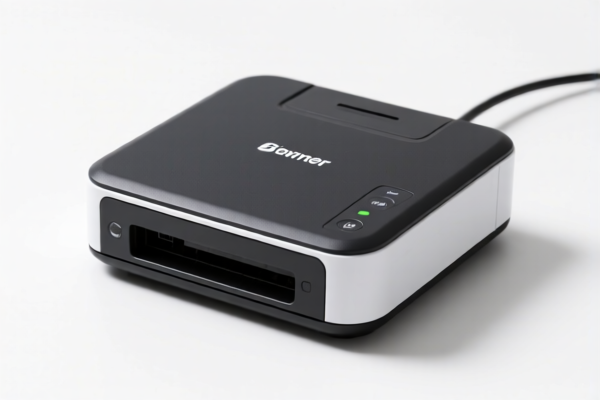
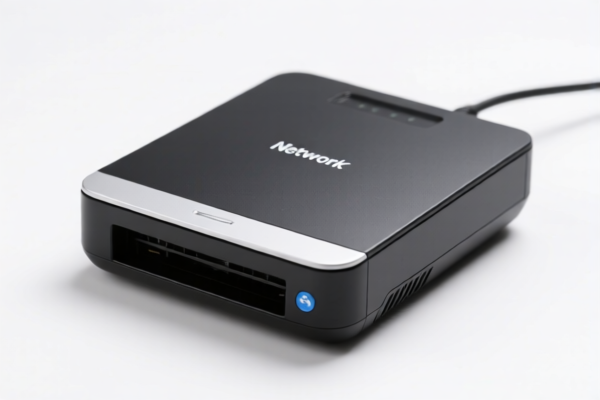
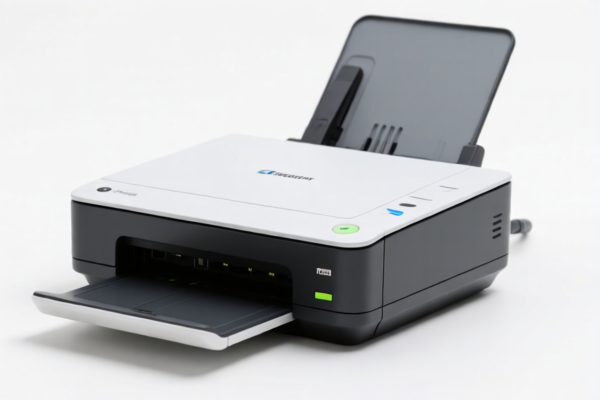
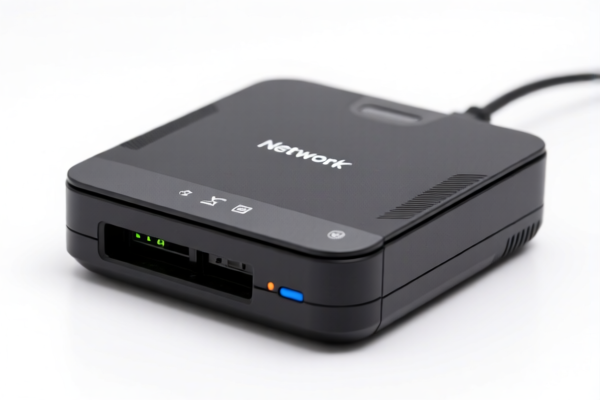
AI Analysis
🔍 Scanners (Barcode & Biometric Devices)
🌐 HS Code Reference & Customs Clearance Guide | 2026 Latest Tariff Analysis | Professional Strategy
📌 I. Product Definition & Classification: What Exactly Are You Importing?
Scanners are input devices used to capture data. However, in international trade, "Scanner" is not a single HS Code. It is a broad category split by function and technology.
Misclassifying a simple barcode scanner as a biometric device (or vice versa) can lead to massive duty discrepancies or customs holds.
The Two Main Categories:
1. Barcode Scanners (8471.60.xxxx)
These are Input Devices for Automatic Data Processing (ADP) Machines. They read standard barcodes (UPC, QR, etc.) and send data to a computer.
Key Feature: They are considered peripherals to a computer system.
Technology: Laser, CCD, or Image-based optical reading.
2. Biometric Scanners (8543.70.xxxx)
These are Electronic Devices with Independent Function or Touch-Sensitive Input Devices that detect specific biological signals (fingerprint, iris, facial recognition).
Key Feature: They often have their own processing logic or interface directly as a security/authentication device, not just a simple data input peripheral.
Technology: Optical, capacitive, ultrasonic, or thermal sensors for biological traits.
⚠️ Critical Distinction:
- If it reads a UPC/Product Code → Likely 8471.60 (ADP Peripheral).
- If it reads a Fingerprint/Iris/Face → Likely 8543.70 (Specialized Electronic Device).
- Do not mix these up! The duty rates differ significantly due to Section 301 and Section 122 tariffs.
📦 II. HS Code Classification Details (Based on Provided Data)
| HS Code | Product Description | Tariff Rate (Total) | Tax Detail Breakdown |
|---|---|---|---|
8471.60.90.50 |
Barcode Scanner – Input device for automatic data processing machines. | 35.0% | Base: 0.0% + Section 301: 25.0% + Section 122: 10% |
8471.60.80.00 |
Barcode Scanner – Falls under the category of optical scanning equipment. | 17.5% | Base: 0.0% + Section 301: 7.5% + Section 122: 10% |
8471.60.90.30 |
Biometric Scanner – Input unit reading biometric data characteristics. | 35.0% | Base: 0.0% + Section 301: 25.0% + Section 122: 10% |
8543.70.98.60 |
Biometric Scanner – Electronic scanning device with independent function. | 37.6% | Base: 2.6% + Section 301: 25.0% + Section 122: 10% |
8543.70.95.00 |
Biometric Scanner – Touch-sensitive data input device detecting specific signal inputs. | 35.0% | Base: 0.0% + Section 301: 25.0% + Section 122: 10% |
🔍 Key Insight:
- Barcode Scanners fall under Chapter 84 (Machinery/ADP Peripherals).
- Biometric Scanners often fall under Chapter 85 (Electrical Machinery) if they have independent functionality or specialized signal detection.
- Section 122 Tariff (10%) applies to ALL items in this dataset, regardless of HS Code. This is a critical add-on cost.
💰 III. 2026 Latest Tariff Rate Analysis (Detailed Breakdown)
✅ Applicable Market: USA (US)
✅ Origin: China (CN)
✅ Effective Time: Current tariffs include Section 301 and Section 122 measures.
🎯 1. Barcode Scanners (HS Code 8471.60.xxx)
A. 8471.60.90.50 – Standard ADP Input Device
- Base Tariff: 0.0%
- Section 301 Tariff: +25.0%
- Section 122 Tariff: +10.0%
- Total Duty Rate: 35.0%
- Legal Basis: General ADP input peripheral rules.
B. 8471.60.80.00 – Optical Scanning Equipment (Preferential)
- Base Tariff: 0.0%
- Section 301 Tariff: +7.5% (Note: Lower 301 rate for this specific subheading)
- Section 122 Tariff: +10.0%
- Total Duty Rate: 17.5%
- Legal Basis: Specific classification for certain optical scanning equipment.
- 💡 Strategy: If your barcode scanner fits the definition of "optical scanning equipment" rather than a general ADP input, this can save you 17.5% in duties!
🎯 2. Biometric Scanners (HS Code 8471.60.90.30 & 8543.70.xxxx)
Biometric devices are treated more strictly due to security and privacy regulations.
A. 8471.60.90.30 – Biometric Input Unit
- Base Tariff: 0.0%
- Section 301 Tariff: +25.0%
- Section 122 Tariff: +10.0%
- Total Duty Rate: 35.0%
- Note: Classified as a data input unit, similar to standard barcode scanners but for biometric data.
B. 8543.70.98.60 – Independent Function Biometric Device
- Base Tariff: 2.6% (Highest base rate in dataset)
- Section 301 Tariff: +25.0%
- Section 122 Tariff: +10.0%
- Total Duty Rate: 37.6%
- Note: Because it has "independent function," it attracts a base tariff. This is the most expensive classification in the dataset.
C. 8543.70.95.00 – Touch-Sensitive Biometric Input
- Base Tariff: 0.0%
- Section 301 Tariff: +25.0%
- Section 122 Tariff: +10.0%
- Total Duty Rate: 35.0%
- Note: Classified based on the signal detection mechanism (touch-sensitive).
🛠️ IV. Customs Clearance Practical Advice
✅ 1. Preparation Checklist (Must-Haves)
| Document | Required? | Purpose |
|---|---|---|
| Product Specification Sheet | ✔️ | Clearly state: "Barcode Scanner" vs. "Fingerprint Biometric Scanner". Include interface type (USB, Serial, Bluetooth). |
| Photos of Product & Label | ✔️ | Show model number, brand, and any logos. Ensure no misleading marketing terms (e.g., don't call a barcode scanner a "security biometric device" if it doesn't do so). |
| Technical Manual | ✔️ | Explain how it works. Does it have its own processor? Does it just transmit raw data to a PC? |
| Certificate of Origin | ✔️ | Confirm China origin to apply correct Section 301 & 122 tariffs. |
| Declaration Statement | ✔️ | Explicitly declare: "This is a [Barcode/Biometric] scanner, not a [Other Device]." |
✅ 2. Declaration Tips (Critical Keywords)
🔥 Rule of Thumb:
"Be Specific. Don't Just Say 'Scanner'."
| Scenario | Correct Description | HS Code Hint |
|---|---|---|
| Standard Retail Barcode Scanner | "Handheld Barcode Scanner, USB Interface, For POS Systems" | 8471.60.80.00 or 8471.60.90.50 |
| Fingerprint Door Lock Reader | "Biometric Fingerprint Scanner, Independent Electronic Device" | 8543.70.98.60 or 8543.70.95.00 |
| Medical Iris Scanner | "Biometric Iris Recognition Device" | 8543.70.98.60 |
| Simple Optical Reader | "Optical Bar Code Reader, Non-Biometric" | 8471.60.80.00 (Try to qualify for lower 301) |
✅ 3. Special Considerations
- Section 122 Tariff (10%) is Non-Negotiable: For all items listed in the data, this 10% applies regardless of the base rate or Section 301 rate. Factor this into your cost model.
- Biometric Data Privacy: While not a tariff issue, US customs may flag biometric devices for additional scrutiny regarding data security and compliance with US privacy laws. Ensure your device does not store data on-board unless declared correctly.
- Avoid "De Minimis" Risks: High-value biometric scanners should not be split into small packages to avoid duties; they will be caught. Consolidate shipments for efficiency.
🌍 V. Global Market Comparison (2026 Outlook)
| Market | Recommended HS Code | Est. Total Duty | Notes |
|---|---|---|---|
| 🇺🇸 USA | See Dataset Above | 17.5% – 37.6% | Includes Section 301 (7.5%-25%) and Section 122 (10%). |
| 🇨🇳 China | 8471.60 / 8543.70 | ~5% - 13% | Lower base tariffs, no Section 301/122. |
| 🇪🇺 EU | 8471.60 / 8543.70 | 0% - 4% | Generally low duties, but high VAT and strict biometric regulations. |
| 🇬🇧 UK | 8471.60 / 8543.70 | 0% - 4% | Post-Brexit rules, generally favorable for tech goods. |
📌 Conclusion:
The USA is the most expensive market for scanners due to Section 122 (10%) and Section 301 (7.5%-25%) tariffs.
- Barcode Scanners can be optimized to 17.5% if classified correctly as optical scanning equipment (8471.60.80.00).
- Biometric Scanners face higher duties (35%-37.6%) and stricter regulatory scrutiny.
📌 VI. Common Mistakes & Pitfalls
❌ Mistake 1: Calling a Biometric Scanner a "Barcode Scanner" to get the lower 17.5% rate.
👉 Consequence: Customs will inspect, reclassify, and charge 35-37.6% + penalties.
👉 Fix: Be honest. If it reads fingerprints, it’s biometric.
❌ Mistake 2: Ignoring the Section 122 10% Tariff.
👉 Consequence: Underquoting duties by 10% across the board.
👉 Fix: Always add 10% to your landed cost calculation for US imports from China.
❌ Mistake 3: Declaring "Scanner" without specifying type.
👉 Consequence: Customs officers will guess. They may assign the highest rate (37.6%) as a precaution.
👉 Fix: Provide clear technical descriptions.
🎯 VII. Conclusion: Strategic Sourcing & Cost Management
🎯 Key Takeaways:
1. Optimize Barcode Scanners: Aim for 8471.60.80.00 (17.5% total) by ensuring they are classified as "optical scanning equipment" rather than general ADP peripherals if possible.
2. Budget for Biometrics: If importing biometric scanners, expect 35-37.6% total duties. Factor this into your pricing.
3. Section 122 is Universal: The 10% add-on applies to everything in this list. Do not forget it.
4. Documentation is King: Clear specs and photos prevent misclassification penalties.
📣 Immediate Action Items:
📞 Consult your freight forwarder to confirm the HS Code for your specific model.
📄 Update your product descriptions to clearly distinguish between "Barcode" and "Biometric" devices.
💡 Consider supply chain shifts if the 35-37.6% duty erodes your margin on biometric scanners.
✨ Accurate Classification Saves Money.
💼 Don’t let customs fees eat your profits.
Customer Reviews
About HS Code Classification
The Harmonized System (HS) is an internationally standardized nomenclature developed by the World Customs Organization (WCO) to classify traded products. Over 200 countries use the HS system as the basis for customs tariffs, trade statistics, and import/export regulations.
Each HS code follows a hierarchical structure:
- Chapter (2 digits) — Broad category of goods (e.g., Chapter 84: Machinery and Mechanical Appliances)
- Heading (4 digits) — More specific grouping within the chapter
- Subheading (6 digits) — Internationally standardized breakdown, used by all WCO member countries
- National subdivisions (8-10 digits) — Country-specific extensions for further classification, such as US HTSUS 10-digit codes
Correct HS code classification is essential for smooth customs clearance, accurate duty payment, and compliance with trade regulations. Misclassification can lead to customs delays, overpayment of duties, or penalties.
When importing from CN to US, the applicable tariff rates may include:
- Most-Favored-Nation (MFN) rate — The standard duty rate applied to WTO members
- General rate — Applied to countries without trade agreements
- Trade remedy duties — Additional tariffs such as Section 301 (anti-dumping), Section 232 (national security), or countervailing duties
The information provided on this page is for reference purposes only. For official classification, please consult with your local customs authority or a licensed customs broker.