Scenic Patch
CN → US| HS Code | Tariff Rate | Origin | Destination | Doc |
|---|---|---|---|---|
| 6307903020 | 25.4% | CN | US | Official Doc |
| 6307903010 | 25.4% | CN | US | Official Doc |
| 5810921000 | 0.0% | CN | US | Official Doc |
| 5810910020 | 0.0% | CN | US | Official Doc |
| 6307903020 | 25.4% | CN | US | Official Doc |
Product Images
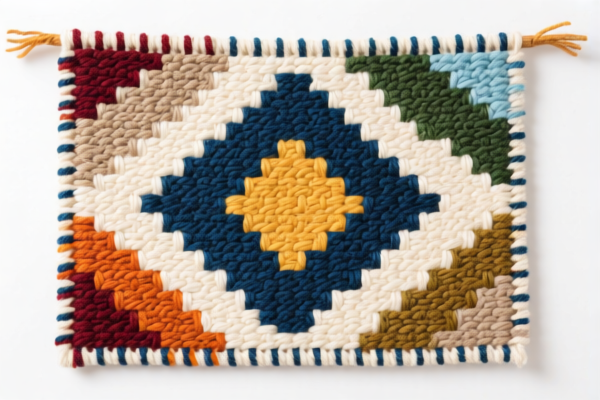
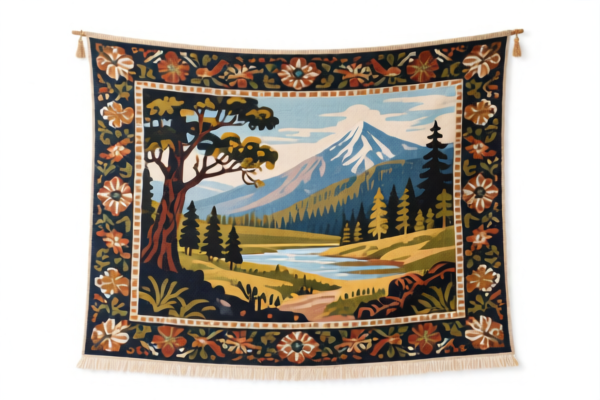
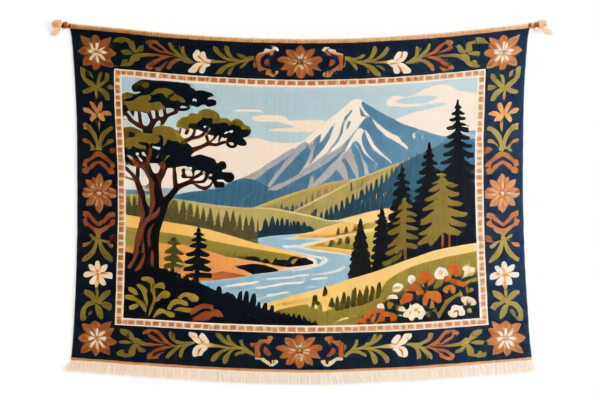
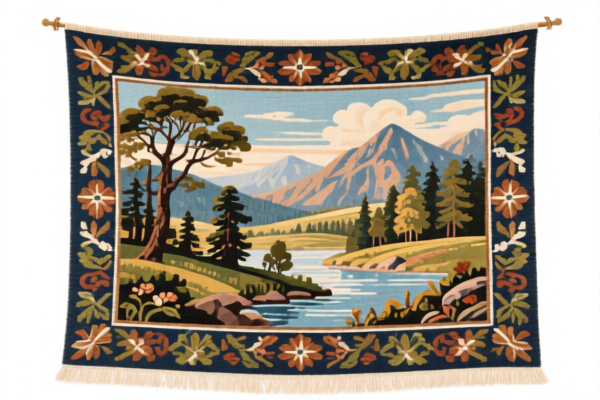
AI Analysis
🧵 Scenic Patch (Embroidered Textile Appliqués)
🌐 HS Code Reference & Clearance Guide | 2026 Duty Rate Analysis | Strategic Clearance Tactics
📌 I. Product Definition: What is a "Scenic Patch"?
A Scenic Patch is a specialized textile accessory used to decorate clothing, bags, hats, or gear. It typically features embroidered designs, logos, landscapes, or patterns.
In international trade, these items are often categorized based on their form (finished vs. raw) and material (cotton, synthetic, or mixed fibers).
⚠️ Key Classification Distinction:
- If the patch is finished (cut, edged, or backed for immediate application) and sold as a "made-up article" → It may fall under 6307.
- If the patch is classified strictly as embroidery (ornamental textile work, not a finished article) → It falls under 5810.
📦 II. HS Code Classification Breakdown (2026 Tariff Authority)
| HS Code | Product Description | Material/Structure | Classification Logic |
|---|---|---|---|
6307.90.30.20 |
Finished Made-up Articles: Textile labels & patches | Textile-based, finished | Classified as "Other made-up articles" (Textile labels) |
6307.90.30.10 |
Finished Made-up Articles: Textile labels & patches | Cotton or Fiber-based, finished | Classified as "Other made-up articles" (Cotton/Fiber) |
5810.92.10.00 |
Embroidery: Other embroidery, of non-cotton fibers | Synthetic/Other fibers | Classified as "Other embroidery" (Non-cotton) |
5810.91.00.20 |
Embroidery: Other embroidery, of cotton fibers | Cotton | Classified as "Other embroidery" (Cotton) |
🔍 Critical Insight:
-6307is used when the patch is treated as a finished product (e.g., a "Scenic Patch" sold as a standalone accessory with backing).
-5810is used when the patch is treated as textile embroidery itself, focusing on the ornamental work rather than the "article" status.
- Material Matters: Whether it is Cotton (5810.91/6307.90.30.10) or Other Fibers (5810.92/6307.90.30.20) determines the specific sub-code.
💰 III. 2026 Duty Rate Analysis (USA Import from China)
✅ Applicable Market: United States (US)
✅ Origin: China (CN)
✅ Effective Date: November 10, 2025 (Current 2026 Tariff Framework)
🎯 Category A: Finished Made-up Articles (HS 6307)
Applies to: 6307.90.30.20 & 6307.90.30.10
| Component | Rate | Legal Basis |
|---|---|---|
| Base Duty | 7.9% | US Harmonized Tariff Schedule Base Rate |
| Section 301 (Add-on) | 7.5% | Additional duty on textile products |
| 122 Clause Tariff | 10.0% | Specific Section 232/301 related add-on |
| 🔥 TOTAL DUTY RATE | 25.4% | Sum of all components |
📌 Tax Explanation:
- This category carries a moderate-to-high tariff burden.
- The 25.4% total includes the standard 7.9% base, plus specific trade war add-ons (7.5% + 10%).
- No De Minimis exemption applies for commercial shipments over the threshold.
🎯 Category B: Embroidery Products (HS 5810)
Applies to: 5810.92.10.00 & 5810.91.00.20
| Component | Rate | Legal Basis |
|---|---|---|
| Base Duty | See Additional U.S. Note 2 | Variable (Often 0% - 6.8%) |
| Section 301 (Add-on) | 25.0% | Significant Section 301 tariff |
| 122 Clause Tariff | 10.0% | Specific add-on |
| 🔥 TOTAL DUTY RATE | Variable + 35.0% | High tariff burden |
📌 Tax Explanation:
-5810codes are significantly riskier for duty calculation.
- The Base Duty is "See Additional U.S. Note," meaning it can vary based on specific trade agreements or exceptions, but the Add-ons are massive.
- 25% (Section 301) + 10% (122 Clause) = 35% minimum add-on.
- Even if the base duty is low, the total effective rate often exceeds 35%, making this category very expensive.
🛠️ IV. Strategic Clearance Advice (Practical Guide)
✅ 1. Documentation Checklist (Must-Haves)
| Document | Requirement | Purpose |
|---|---|---|
| Product Photos | Clear images showing embroidery, backing, and edges | Prove it is a "finished patch" (6307) vs. raw embroidery (5810) |
| Material Declaration | Explicit % of Cotton vs. Synthetic | Crucial for 5810.91 vs. 5810.92 distinction |
| Function Description | "Decorative appliqué," "Uniform badge," "Clothing accessory" | Helps justify 6307 classification (Finished Article) |
| Composition Certificate | ISO/ASTM tested material report | Validates fiber content for tax calculation |
| Invoice & Packing List | Detailed value and weight breakdown | Required for duty calculation (CIF Basis) |
✅ 2. Smart Classification Strategy
🔥 Golden Rule: "Aim for
6307if it's a Finished Product!"
| Scenario | Recommended HS Code | Strategy |
|---|---|---|
| Patch has backing, cut edges, ready to sew/iron on | 6307.90.30.xx |
Better Tax: Total 25.4% (Predictable) |
| Patch is raw embroidery on fabric roll | 5810.91/92.xx |
Avoid: Total ~35%+ (Unpredictable Base) |
| Cotton vs. Synthetic | Check Composition | If Cotton → 6307.90.30.10; If Synthetic → 6307.90.30.20 |
| Small Quantity (De Minimis) | N/A | No exemption for these codes (High risk) |
💡 Pro Tip:
If your "Scenic Patch" is a finished accessory (e.g., a patch with an adhesive backing or pre-cut edge), explicitly describe it as a "Made-up Article" in your invoice. This pushes it into the6307bracket, saving you ~10% in duties compared to the5810embroidery category.
✅ 3. Common Pitfalls to Avoid
| ❌ Mistake | ⚠️ Consequence | ✅ Correction |
|---|---|---|
| Calling it just "Embroidery" | Customs defaults to 5810 → 35%+ duty |
Call it "Textile Patch (Finished)" → 6307 |
| Ambiguous Material % | Customs guesses material → Wrong HS Code | Provide Test Report (e.g., "100% Polyester") |
| Missing "122 Clause" Info | Delayed clearance, manual review | Clearly state "Made in China" and HS Code |
| Splitting Shipments | Per-unit duty accumulation | Consolidate shipment to reduce administrative friction |
🌍 V. Global Market Snapshot
| Market | Preferred HS Code | Est. Duty (CN Origin) | Risk Level |
|---|---|---|---|
| 🇺🇸 USA | 6307.90.30.20 |
25.4% | ⚠️ High (Add-ons apply) |
| 🇺🇸 USA | 5810.91/92 |
~35%+ | 🚨 Critical (Avoid if possible) |
| 🇪🇺 EU | 5810/6307 | 10-12% (No 122 Clause) | ⚠️ Moderate |
| 🇬🇧 UK | 5810/6307 | 10-12% | ⚠️ Moderate |
| 🇨🇦 Canada | 5810/6307 | 10-15% | ⚠️ Moderate |
📌 Conclusion: The USA is the only major market with the "122 Clause" (10%) + Section 301 (25%) combination.
Strategy: Prioritize6307classification for Scenic Patches to stay at 25.4% rather than risking 35%+ on5810codes.
📌 VI. Final Checklist for Shippers
- Verify Composition: Is it Cotton or Synthetic? (Determines .10 vs .20)
- Confirm "Finished" Status: Does it have backing/edges? (Justifies
6307) - Invoice Wording: Use "Finished Textile Patch" not just "Embroidery."
- Calculate Landed Cost: CIF Value × 25.4% (for
6307) or CIF × 35%+ (for5810). - Pre-clearance: If possible, apply for a Binding Ruling on the HS Code to avoid disputes at the border.
🎯 Final Word:
"Scenic Patches are Textile Accessories, not just Embroidery!"
By correctly classifying as6307.90.30.xx, you secure a predictable 25.4% tariff.
Misclassification as5810can skyrocket costs to 35%+.
Precision in description = Savings in dollars!
✨ Clearance Success Starts with the Right Code!
💼 Don't let tax rates eat your margins!
Customer Reviews
About HS Code Classification
The Harmonized System (HS) is an internationally standardized nomenclature developed by the World Customs Organization (WCO) to classify traded products. Over 200 countries use the HS system as the basis for customs tariffs, trade statistics, and import/export regulations.
Each HS code follows a hierarchical structure:
- Chapter (2 digits) — Broad category of goods (e.g., Chapter 84: Machinery and Mechanical Appliances)
- Heading (4 digits) — More specific grouping within the chapter
- Subheading (6 digits) — Internationally standardized breakdown, used by all WCO member countries
- National subdivisions (8-10 digits) — Country-specific extensions for further classification, such as US HTSUS 10-digit codes
Correct HS code classification is essential for smooth customs clearance, accurate duty payment, and compliance with trade regulations. Misclassification can lead to customs delays, overpayment of duties, or penalties.
When importing from CN to US, the applicable tariff rates may include:
- Most-Favored-Nation (MFN) rate — The standard duty rate applied to WTO members
- General rate — Applied to countries without trade agreements
- Trade remedy duties — Additional tariffs such as Section 301 (anti-dumping), Section 232 (national security), or countervailing duties
The information provided on this page is for reference purposes only. For official classification, please consult with your local customs authority or a licensed customs broker.