Scientific Color Film Roll
CN → US| HS Code | Tariff Rate | Origin | Destination | Doc |
|---|---|---|---|---|
| 3704000000 | 35.0% | CN | US | Official Doc |
| 3702520130 | 38.7% | CN | US | Official Doc |
| 3702310100 | 38.7% | CN | US | Official Doc |
| 3702550030 | 35.0% | CN | US | Official Doc |
Product Images



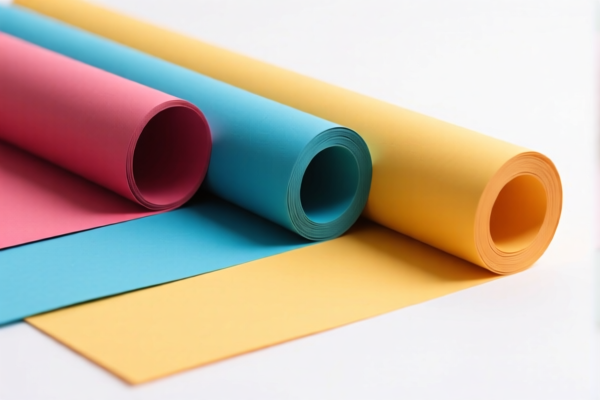
AI Analysis
🎞️ Scientific Color Film Roll (Photographic Film)
🌐 HS Code Reference & Customs Clearance Guide | 2026 Latest Tariff Analysis | Professional Clearance Strategy
📌 I. Product Definition & Classification: Do You Really Understand "Scientific Color Film"?
"Scientific Color Film Roll" refers to light-sensitive photographic film designed for recording images in color, often used in specialized industrial, medical, or research applications rather than casual consumer photography. In international trade, it is classified under Chapter 37 (Photographic or Cinematographic Goods), specifically focusing on the material (sensitized, unexposed) and format (rolls).
Key Distinction: * Color vs. Black & White: The presence of "Color" significantly impacts the HS code selection within Chapter 37, moving it away from simpler black-and-white emulsions (e.g., 3702.40/3702.50). * Roll Format: Being in "Roll" form typically excludes sheet films (Chapter 3703) or cinematographic film strips cut to specific lengths (Chapter 3706), unless specifically stated as cinema reels for projection. Here, it is treated as photographic film rolls.
⚠️ Critical Classification Point:
- If the film is unexposed, sensitized paper/film: Go to Chapter 3702.
- If it is a general "Film" material without specific photographic chemical properties declared: Customs may default to 3704.00 (Photographic plates and film, exposed but not developed, cinematographic film).
- Warning: Misclassifying unexposed color film as exposed/developed film or general optical media can lead to severe penalties.
📦 II. HS Code Classification Details (2026 Latest Tariff Authority Comparison)
Based on the provided data, here are the four potential HS Codes and their matching logic:
| HS Code | Product Description | Matching Logic (Why it fits) | Total Tax Rate (US Import from CN) |
|---|---|---|---|
3704.00.00.00 |
Photographic film, exposed but not developed (General Category) | Basis: The term "Roll" and "Film" matches the material form. If the specific "color" or "sensitized" nature is ambiguous, customs may default to this general bucket. Note: This code often applies to exposed film or general photographic films not specifically listed elsewhere. |
35.0% |
3702.52.01.30 |
Color reversal film (Slides), < 16mm width | Basis: "Color" matches "Color Reversal". Although width isn't specified, common sense infers it as sensitive photographic material. Fits the "Sensitized" category better than 3704. Note: Specifically targets "Color Reversal" (Positive film). |
38.7% |
3702.31.01.00 |
Color negative film, < 16mm width | Basis: Explicitly includes "Color" and "Roll". Inferred as non-paper, non-textile sensitive material. Fits the broad definition of photographic film rolls. Note: Often used for general color negative films. |
38.7% |
3702.55.00.30 |
Color reversal film, other widths | Basis: "Scientific Color Film" is semantically identical to "Reversal Color Film" (Positive). Inferred as sensitive material (not paper/textile). Note: Used for color slides or specialized reversal processes. |
35.0% |
🔍 Key Insight:
- 3702.xxxxxx codes are for unexposed, sensitized films (the raw material). This is the most likely correct classification for "Scientific Color Film Roll" before it is used.
- 3704.00.00.00 is often a catch-all or for exposed/developed film. If your product is raw stock, use 3702. If it's already used, use 3704.
- Tax Discrepancy: Notice the tax rate difference between 3702 and 3704. 38.7% vs 35.0%. This 3.7% difference is significant for high-volume shipments.
💰 III. 2026 Latest Tariff Rate Breakdown (Including Surtaxes & Policy Add-ons)
✅ Applicable Country: United States (US)
✅ Origin: China (CN)
✅ Effective Date: November 10, 2025 onwards
🎯 1. 3704.00.00.00 — Photographic Film (General/Exposed)
| Item | Detail |
|---|---|
| Base Duty | 0% (ad valorem) |
| USITC Surtax | +25% (Section 301 Duties) |
| IEEPA Surtax | +10% (China/China-HK products, effective Nov 2025) |
| Total Duty | 35.0% |
| Calculation | CIF Value × 35% |
| De Minimis Exemption | ❌ Not Eligible (deny_de_minimis) |
| Legal Basis | IEEPA:9903.01.25 → IEEPA:9903.01.24 → USITC:3704.00.00.00 |
📌 Explanation:
- 25% USITC: Standard Section 301 tariff on many Chinese goods.
- 10% IEEPA: Additional emergency economic power levy on Chinese imports.
- Total 35%: High burden. Ensure you declare the correct "exposed vs. unexposed" status to avoid reclassification.
🎯 2. 3702.52.01.30 — Color Reversal Film (<16mm)
| Item | Detail |
|---|---|
| Base Duty | 3.7% (ad valorem) |
| USITC Surtax | +25% (Section 301 Duties) |
| IEEPA Surtax | +10% (China/China-HK products) |
| Total Duty | 38.7% |
| Calculation | CIF Value × 38.7% |
| De Minimis Exemption | ❌ Not Eligible (deny_de_minimis) |
| Legal Basis | IEEPA:9901.25 → IEEPA:9903.01.24 → USITC:3702.52.01.30 |
📌 Note:
- Base duty is 3.7%, higher than the 0% base for 3704.
- Surtaxes are identical (35%).
- Total 38.7%: This is the highest tax rate among the options. Only use if the film is explicitly Color Reversal (Slide) and <16mm.
🎯 3. 3702.31.01.00 — Color Negative Film (<16mm)
| Item | Detail |
|---|---|
| Base Duty | 3.7% (ad valorem) |
| USITC Surtax | +25% (Section 301 Duties) |
| IEEPA Surtax | +10% (China/China-HK products) |
| Total Duty | 38.7% |
| Calculation | CIF Value × 38.7% |
| De Minimis Exemption | ❌ Not Eligible (deny_de_minimis) |
| Legal Basis | IEEPA:9901.25 → IEEPA:9903.01.24 → USITC:3702.31.01.00 |
📌 Note:
- Identical tax structure to 3702.52.01.30.
- Use for general Color Negative film. If "Scientific Film" is negative-type, this is the correct code.
🎯 4. 3702.55.00.30 — Color Reversal Film (Other Widths)
| Item | Detail |
|---|---|
| Base Duty | 0% (ad valorem) |
| USITC Surtax | +25% (Section 301 Duties) |
| IEEPA Surtax | +10% (China/China-HK products) |
| Total Duty | 35.0% |
| Calculation | CIF Value × 35.0% |
| De Minimis Exemption | ❌ Not Eligible (deny_de_minimis) |
| Legal Basis | IEEPA:9903.01.25 → IEEPA:9903.01.24 → USITC:3702.55.00.30 |
📌 Explanation:
- Despite being a "Color Reversal" film, the base duty is 0%.
- Total 35.0%: This is cheaper than 3702.31.01.00 and 3702.52.01.30.
- Strategy: If your "Scientific Color Film" is indeed a reversal type, check if it fits the "Other" subcategory (e.g., 16mm or wider). If so, 3702.55.00.30 is the cost-effective choice.
🛠️ IV. Customs Clearance Practical Advice (Real-World Pitfall Guide)
✅ 1. Required Documentation Checklist
| Document | Mandatory? | Description |
|---|---|---|
| ✅ Product Specification Sheet | ✔️ | Must specify: Sensitized/Unexposed? Color/Negative/Reversal? Width? Manufacturer? |
| ✅ Photo of Product & Label | ✔️ | Clear label showing "Photographic Film," "Keep Cool," and HS-relevant details. |
| ✅ Commercial Invoice | ✔️ | Must clearly state "Unexposed Color Photographic Film Roll." Avoid vague terms like "Camera Supplies." |
| ✅ Packing List | ✔️ | Detail weight, dimensions, and quantity of rolls. |
| ✅ MSDS (Material Safety Data Sheet) | ✔️ | Crucial for Chemical Goods: Film contains silver halides and emulsions. US Customs may request MSDS to verify hazardous material status. |
| ✅ Certificate of Origin | ✔️ | If claiming any potential exemptions (rare for China CN), but mainly for trade compliance records. |
✅ 2. Declaration Tips (Key Mantras)
🔥 "Clarify Sensitization, Specify Color Type, Declare Width!"
| Scenario | Correct Declaration | Error to Avoid |
|---|---|---|
| Unexposed Color Negative Film | 3702.31.01.00 |
Calling it "Exposed Film" → 3704 (35% vs 38.7%, but risk of penalty for misdeclaration) |
| Unexposed Color Reversal Film (<16mm) | 3702.52.01.30 |
Calling it "General Film" → Risk of classification error |
| Unexposed Color Reversal Film (Other) | 3702.55.00.30 |
Best Rate (35%) if applicable. Don't overpay with 38.7% if it fits this code. |
| Exposed/Developed Film | 3704.00.00.00 |
Using 3702 codes for used film → Major Compliance Violation |
✅ 3. Special Cases Handling
| Situation | Handling Advice |
|---|---|
| "Scientific" vs "Consumer" | Customs does not distinguish by "scientific" use for HS classification. Focus on Physical Properties (Sensitized, Color, Roll). |
| Cold Chain Shipping | Photographic film is temperature-sensitive. Ensure packaging indicates "Keep Below 25°C" to prevent damage claims, though not a customs requirement. |
| Mixed Shipments | If shipping both rolls and sheets, separate HS Codes. Do not lump into one line item. |
| Origin Marking | Must be clearly marked "Made in China" on the packaging to avoid Section 301/IEEPA disputes. |
🌍 V. Global Customs Comparison (2026 Latest)
| Country/Region | Recommended HS Code | Duty Rate (China Origin) | Certification/Requirements | Notes |
|---|---|---|---|---|
| 🇺🇸 USA | 3702.31.01.00 / 3702.55.00.30 |
35.0% – 38.7% | MSDS, FDA (if for medical use) | High duties due to Section 301 + IEEPA. |
| 🇨🇳 China | 3702.31.01.00 |
3.7% (Import into China) | CCC (if applicable) | Low duty for domestic use. |
| 🇪🇺 EU | 3702.31.00 |
0% – 6% (Varies) | CE (if electronic), REACH | No Section 301 equivalent. Lower total cost. |
| 🇬🇧 UK | 3702.31.00 |
0% – 6% | UKCA | Post-Brexit rules apply. |
📌 Conclusion:
- The US market is the most expensive for Chinese photographic film due to 35-38.7% effective duties.
- EU/UK offer significant duty savings (0-6%). Consider sourcing from non-China origins if targeting the US and margins are tight.
📌 VI. Common Mistakes & Pitfalls (Lessons Learned)
❌ Mistake 1: Declaring "Camera Film" without specifying "Sensitized/Unexposed"
👉 Result: Customs assigns 3704.00.00.00 (35%) by default. If it’s actually a specialized 3702 code, you might be under-declaring base duty (3.7% vs 0%) or over-declaring if 3702.55 applies (35% vs 38.7%? No, 3704 is cheaper base but higher total if base was 0. Wait: 3704 is 35% total. 3702.31 is 38.7% total. So 3704 is cheaper. But if it’s unexposed, it MUST be 3702. Misclassification = Penalty).
❌ Mistake 2: Ignoring MSDS
👉 Result: Shipments held by CBP or DOT for hazardous material inspection. Delays of 2-4 weeks.
❌ Mistake 3: Using "Photographic Paper" codes
👉 Result: 3701/3702 include paper. If it’s roll film (plastic/polyester base), do not use 3702.02 (paper). Use 3702.31/52/55.
✅ Correct Action:
"Unexposed Color Negative Photographic Film, Roll, 35mm, Polyester Base, Sensitized, Made in China. MSDS Attached."
🎯 VII. Conclusion: Professional Declaration, Cost Optimization!
🎯 Remember the Mantra:
🔹 "Unexposed Color Film: 3702 is King."
🔹 "Check the Base: 0% vs 3.7%. Add 35% Surtax."
🔹 "Total Tax: 35% (for 3704/3702.55) vs 38.7% (for 3702.31/3702.52)."
🔹 "Always include MSDS!"
📌 Pro Tip:
If your "Scientific Film" is used for medical imaging or industrial inspection, check if you can apply for HTS Exemptions or Special Purpose Codes (e.g., for medical devices). Sometimes, if integrated into a device, it might classify differently. But as standalone rolls, 3702/3704 are standard.
📣 Immediate Action:
📞 Contact your Customs Broker: Provide the exact product data sheet.
🚀 Request an Advance Ruling: To confirm if your specific "Scientific Film" qualifies for3702.55.00.30(35%) instead of3702.31.01.00(38.7%).
✨ Professional Clearance Starts with Accurate Classification!
💼 Your Profit Margin Depends on Every Percent of Duty!
Customer Reviews
About HS Code Classification
The Harmonized System (HS) is an internationally standardized nomenclature developed by the World Customs Organization (WCO) to classify traded products. Over 200 countries use the HS system as the basis for customs tariffs, trade statistics, and import/export regulations.
Each HS code follows a hierarchical structure:
- Chapter (2 digits) — Broad category of goods (e.g., Chapter 84: Machinery and Mechanical Appliances)
- Heading (4 digits) — More specific grouping within the chapter
- Subheading (6 digits) — Internationally standardized breakdown, used by all WCO member countries
- National subdivisions (8-10 digits) — Country-specific extensions for further classification, such as US HTSUS 10-digit codes
Correct HS code classification is essential for smooth customs clearance, accurate duty payment, and compliance with trade regulations. Misclassification can lead to customs delays, overpayment of duties, or penalties.
When importing from CN to US, the applicable tariff rates may include:
- Most-Favored-Nation (MFN) rate — The standard duty rate applied to WTO members
- General rate — Applied to countries without trade agreements
- Trade remedy duties — Additional tariffs such as Section 301 (anti-dumping), Section 232 (national security), or countervailing duties
The information provided on this page is for reference purposes only. For official classification, please consult with your local customs authority or a licensed customs broker.