Scientific Drying Board
CN → US| HS Code | Tariff Rate | Origin | Destination | Doc |
|---|---|---|---|---|
| 8419390280 | 35.0% | CN | US | Official Doc |
| 8419390270 | 35.0% | CN | US | Official Doc |
| 3926909910 | 22.8% | CN | US | Official Doc |
| 3926909989 | 22.8% | CN | US | Official Doc |
| 9023000000 | 17.5% | CN | US | Official Doc |
Product Images
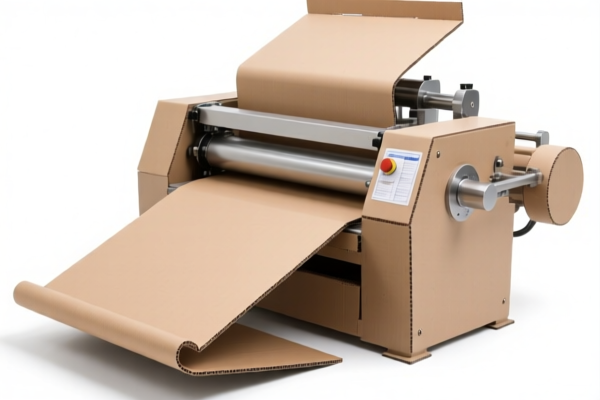
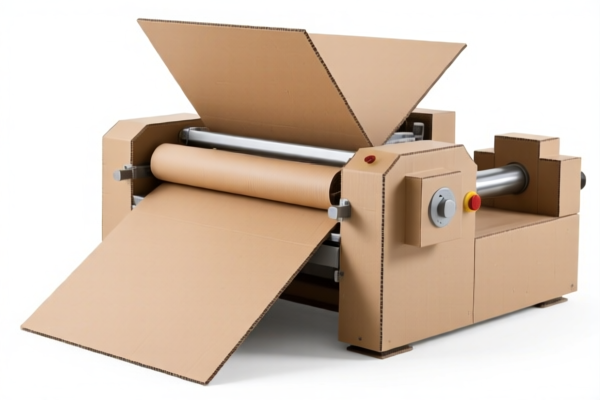
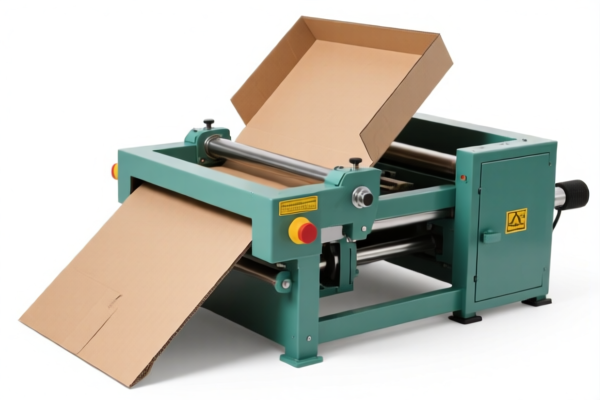
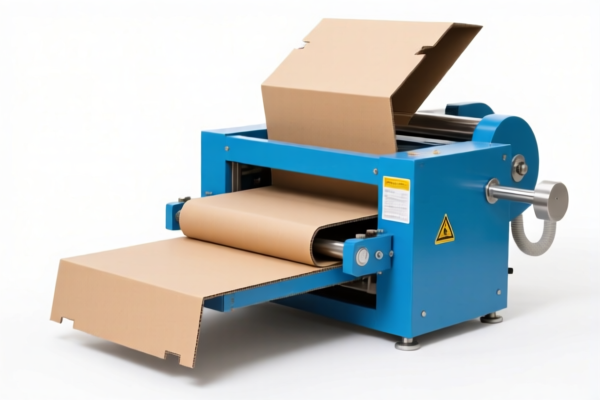
AI Analysis
🔬 Scientific Drying Board (Laboratory & Industrial Desiccation Equipment)
🌐 HS Code Reference & Customs Clearance Guide | 2026 Latest Tariff Analysis | Professional Level Clearance Strategy
📌 I. Product Definition & Classification: What is a "Scientific Drying Board"?
A Scientific Drying Board is not a single standardized product but a functional component or standalone apparatus used in laboratories, manufacturing, or exhibition contexts. Its classification depends heavily on its design intent (demonstration vs. actual use) and material composition (plastic, metal, glass, etc.).
In international trade, these items fall into three main categories: 1. Educational/Demonstration Models: Designed for showing how drying works in schools or exhibitions. 2. Industrial/Laboratory Dryers: Functional machinery for treating materials via heat/temperature change (excluding domestic use). 3. Plastic Laboratory Ware: Non-mechanical containers or trays made of plastic (Headings 3901-3914).
⚠️ Key Distinction Point:
- If it is a model for teaching/exhibition only → 9023.00.00.00
- If it is a functional machine using heat to dry food/beverages → 8419.39.02.70
- If it is a functional machine using heat to dry other materials (non-food) → 8419.39.02.80
- If it is a simple plastic tray/ware with no heating element → 3926.90.99.10
📦 II. HS Code Classification Matrix (2026 Latest Tariff Authority)
| HS Code | Product Description | Application Scenario | Key Features |
|---|---|---|---|
9023.00.00.00 |
Instruments, apparatus, and models designed for demonstrational purposes (e.g., education/exhibitions), unsuitable for other uses | Science lab models, school teaching aids, museum exhibits | ❌ Non-functional for production; purely for display/education |
8419.39.02.70 |
Machinery/plab equipment for temperature-change processes (heating/drying); For foods and beverages | Food processing industry, bakery, agricultural drying | ✅ Functional; uses heat; Food-grade material/process |
8419.39.02.80 |
Machinery/plab equipment for temperature-change processes (heating/drying); Other (Non-food) | Chemical lab drying, industrial material drying, non-food processing | ✅ Functional; uses heat; Non-food application |
3926.90.99.10 |
Other articles of plastics (Headings 3901-3914); Other Laboratory ware | Plastic petri dishes, drying racks, simple trays (no heating) | ❌ No heating; simple plastic lab ware |
3926.90.99.89 |
Other articles of plastics (Headings 3901-3914); Other | Generic plastic lab accessories not classified elsewhere | ❌ No heating; general plastic articles |
🔍 Critical Note:
- Do not confuse a "plastic drying tray" (no heat) with a "heated drying board." If the product has electrical heating elements, it must be classified under Chapter 84 (8419), not Chapter 39 (Plastics). - If the product is marketed as a "model" for schools, ensure it cannot be used for actual industrial drying. If it can be used for both, customs may classify it as functional machinery (8419).
💰 III. 2026 Tariff Rate Breakdown (Detailed Tax Analysis)
✅ Applicable Country: United States (US)
✅ Origin: China (CN)
✅ Effective Date: Current tariffs apply (Note: Rates reflect the data provided in the prompt)
🎯 1. 9023.00.00.00 – Demonstrational Models & Apparatus
| Item | Detail |
|---|---|
| Base Tariff | 0.0% |
| Section 301 / Additional Tariff | +7.5% |
| Total Tax Rate | 7.5% |
| Tax Calculation | CIF Value × 7.5% |
| Legal Basis | HTSUS 9023.00.00.00 + Additional Duty Footnote |
📌 Explanation:
- "Demonstrational models" are often lower risk but still subject to general additional tariffs if from China. - Crucial: You must prove the item is unsuitable for other uses (i.e., it's a fragile or simplified model for education only). If customs determines it’s a functional dryer, you will face a much higher rate.
🎯 2. 8419.39.02.70 – Dryers for Foods & Beverages
| Item | Detail |
|---|---|
| Base Tariff | 0.0% |
| Section 301 / Additional Tariff | +25.0% |
| Total Tax Rate | 25.0% |
| Tax Calculation | CIF Value × 25.0% |
| Legal Basis | HTSUS 8419.39.02.70 + Additional Duty Footnote |
📌 Explanation:
- Food processing equipment carries a high additional tariff. - This applies if the drying board is part of a system used for dehydrating food products (e.g., fruit chips, herbs, meat jerky).
🎯 3. 8419.39.02.80 – Other Dryers (Non-Food)
| Item | Detail |
|---|---|
| Base Tariff | 0.0% |
| Section 301 / Additional Tariff | +25.0% |
| Total Tax Rate | 25.0% |
| Tax Calculation | CIF Value × 25.0% |
| Legal Basis | HTSUS 8419.39.02.80 + Additional Duty Footnote |
📌 Explanation:
- Industrial or laboratory dryers for chemicals, plastics, or non-food materials also face the 25% additional tariff. - Warning: There is no tax difference between food and non-food dryers in terms of the additional tariff rate, but misclassification can lead to penalties.
🎯 4. 3926.90.99.10 – Plastic Laboratory Ware
| Item | Detail |
|---|---|
| Base Tariff | 0.0% |
| Additional Tariff | 0.0% |
| Total Tax Rate | 0.0% |
| Tax Calculation | No Duties |
| Legal Basis | HTSUS 3926.90.99.10 |
📌 Explanation:
- Best Case Scenario: If your "Scientific Drying Board" is simply a plastic rack or tray without any heating element, it is duty-free. - Condition: It must be clearly identifiable as "plastic laboratory ware" and not contain electrical components.
🎯 5. 3926.90.99.89 – Other Plastic Articles
| Item | Detail |
|---|---|
| Base Tariff | 5.3% |
| Additional Tariff | +7.5% |
| Total Tax Rate | 12.8% |
| Tax Calculation | CIF Value × 12.8% |
| Legal Basis | HTSUS 3926.90.99.89 |
📌 Explanation:
- If the item is a plastic article but not specifically classified as "laboratory ware" (e.g., a general-purpose plastic drying mat for non-lab use), it falls here. - Strategy: Try to qualify for3926.90.99.10(Lab Ware) to save 12.8%.
🛠️ IV. Customs Clearance Practical Advice (Avoiding Pitfalls)
✅ 1. Preparation Checklist (Mandatory Documents)
| Document | Required? | Purpose |
|---|---|---|
| ✅ Product Specification Sheet | ✔️ | Must explicitly state: "Electric" or "Non-Electric", "For Food" or "For Industrial Use", "Demonstration Model Only" |
| ✅ Photos of Product | ✔️ | Show if it has heating coils, plugs, or is just a plastic tray. |
| ✅ Invoice | ✔️ | Description must match HS Code exactly. Avoid vague terms like "Science Toy." |
| ✅ Certificate of Origin | ✔️ | For proving Chinese origin and applying correct tariffs. |
| ✅ User Manual | ✔️ | If claiming "Demonstration Model," manual should state it is for educational display only. |
✅ 2. Classification Strategy (Critical Decision Tree)
🔥 "Check the Heat, Check the Use, Check the Material!"
| Scenario | Correct HS Code | Tax Rate | Why? |
|---|---|---|---|
| Plastic tray with no heat | 3926.90.99.10 |
0.0% | It is "Plastic Laboratory Ware." No machinery involved. |
| Heated drying board for food | 8419.39.02.70 |
25.0% | It is machinery for temperature change on food. |
| Heated drying board for chemicals | 8419.39.02.80 |
25.0% | It is machinery for temperature change on non-food. |
| Plastic model shown in school | 9023.00.00.00 |
7.5% | It is a demonstrational apparatus, unsuitable for real drying. |
| General plastic drying mat (non-lab) | 3926.90.99.89 |
12.8% | Not specific lab ware, not food/industrial machinery. |
✅ 3. Common Errors & How to Avoid Them
❌ Error 1: Calling a heated dryer a "Science Toy"
👉 Risk: Customs will reclassify as 8419 and charge 25%.
✅ Fix: If it has electricity, it is machinery. If it’s a toy, remove all heating elements and declare as 9023.
❌ Error 2: Classifying plastic lab racks as "Other Plastic Articles" (3926.90.99.89)
👉 Risk: Paying 12.8% instead of 0.0%.
✅ Fix: Clearly label the product as "Plastic Laboratory Ware" in the invoice and ensure it is used in a lab context.
❌ Error 3: Confusing "Food Dryers" with "Industrial Dryers"
👉 Risk: Both are 25%, but if you misdeclare food equipment as industrial, you might face FDA compliance issues.
✅ Fix: If it touches food, ensure FDA compliance is met, even if the tariff rate is the same.
🌍 V. Global Market Comparison (2026 Overview)
| Region | Preferred HS Code | Tax Rate (China Origin) | Key Compliance |
|---|---|---|---|
| 🇺🇸 USA | 3926.90.99.10 (if plastic) |
0.0% | FDA (if food contact), UL (if electric) |
| 🇺🇸 USA | 8419.39.02.70/80 (if heated) |
25.0% | FDA (if food), NSF (if industrial) |
| 🇺🇸 USA | 9023.00.00.00 (if model) |
7.5% | Safety standards for educational toys |
| 🇪🇺 EU | 3926.90.99.10 |
0% | CE Marking, RoHS |
| 🇨🇳 China | 3926.90.99.10 |
5-10% | CCC (if electric) |
📌 Conclusion for US Importers:
- Plastic lab ware is duty-free. Maximize use of3926.90.99.10if no heating is involved.
- Heated equipment is expensive (25%). Consider if the heating function is strictly necessary for the "drying board" definition. If it’s just a rack, use plastic.
- Educational models are mid-cost (7.5%). Ensure they are genuinely non-functional models to avoid the 25% machinery rate.
📌 VI. Final Recommendations
- For Plastic Drying Racks: Always declare as
3926.90.99.10to enjoy 0% duty. - For Electric Dryers: Prepare for 25% duty. Ensure you have the correct documentation for Food (FDA) or Industrial use.
- For Educational Models: Declare as
9023.00.00.00with 7.5% duty. Provide a statement that the item is unsuitable for commercial or industrial drying.
📣 Action Plan:
📞 Before Shipping:
- Determine if the product has electricity.
- Determine if it touches food.
- Determine if it is a model.
- Apply the correct HS Code from the table above.
- Avoid vague descriptions like "Drying Board" on the commercial invoice. Use precise terms like "Non-heated Plastic Laboratory Drying Rack" or "Electric Food Dehydrator Unit."
✨ Professional Clearance, Start with Accurate Classification!
💼 Every 1% of tax saves you money, but a 25% penalty costs you profit!
Customer Reviews
About HS Code Classification
The Harmonized System (HS) is an internationally standardized nomenclature developed by the World Customs Organization (WCO) to classify traded products. Over 200 countries use the HS system as the basis for customs tariffs, trade statistics, and import/export regulations.
Each HS code follows a hierarchical structure:
- Chapter (2 digits) — Broad category of goods (e.g., Chapter 84: Machinery and Mechanical Appliances)
- Heading (4 digits) — More specific grouping within the chapter
- Subheading (6 digits) — Internationally standardized breakdown, used by all WCO member countries
- National subdivisions (8-10 digits) — Country-specific extensions for further classification, such as US HTSUS 10-digit codes
Correct HS code classification is essential for smooth customs clearance, accurate duty payment, and compliance with trade regulations. Misclassification can lead to customs delays, overpayment of duties, or penalties.
When importing from CN to US, the applicable tariff rates may include:
- Most-Favored-Nation (MFN) rate — The standard duty rate applied to WTO members
- General rate — Applied to countries without trade agreements
- Trade remedy duties — Additional tariffs such as Section 301 (anti-dumping), Section 232 (national security), or countervailing duties
The information provided on this page is for reference purposes only. For official classification, please consult with your local customs authority or a licensed customs broker.