Scooters
CN → US| HS Code | Tariff Rate | Origin | Destination | Doc |
|---|---|---|---|---|
| 9503000073 | 10.0% | CN | US | Official Doc |
| 9506996080 | 21.5% | CN | US | Official Doc |
| 9503000090 | 10.0% | CN | US | Official Doc |
| 9506996040 | 21.5% | CN | US | Official Doc |
| 9506910030 | 22.1% | CN | US | Official Doc |
Product Images
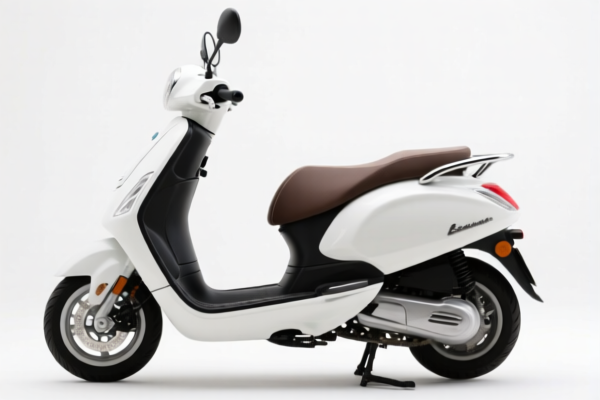
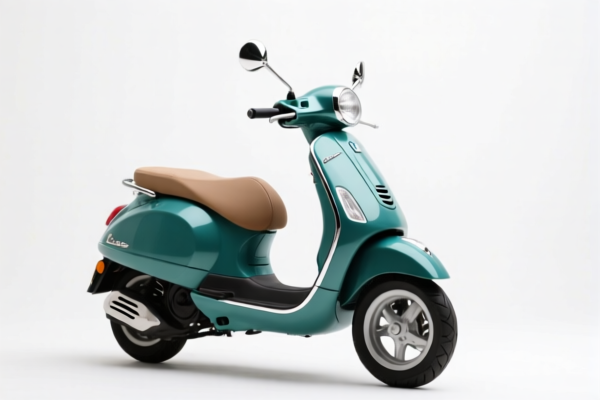
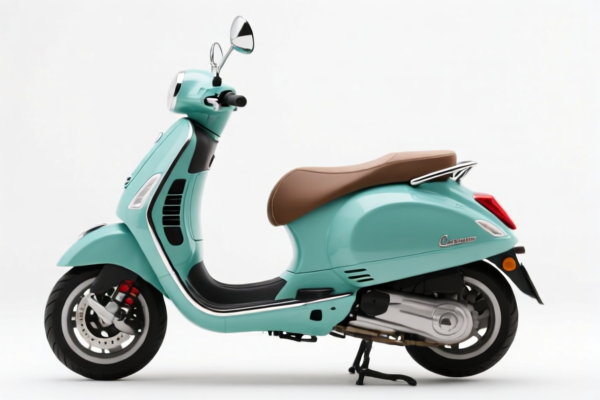
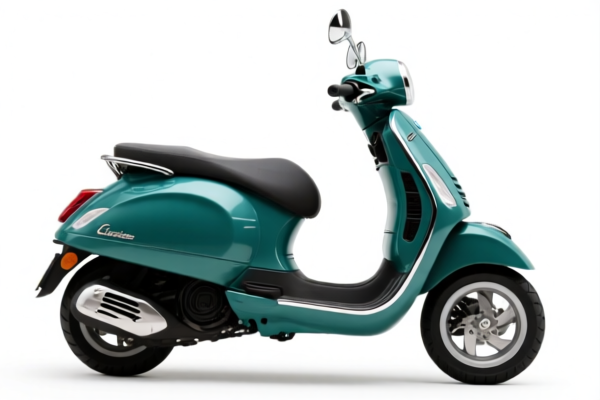
AI Analysis
🛴 Scooters (Personal Mobility & Toys)
🌐 HS Code Reference & Customs Clearance Guide | 2026 Latest Tariff Analysis | Professional Clearance Strategy
📌 One, Product Definition & Classification: What Exactly is a "Scooter"?
In international trade, "Scooters" is a broad term that often leads to classification errors because it covers everything from children's plastic toys to high-performance electric adult transport. The Harmonized System (HS) distinguishes them primarily by function (Play vs. Exercise/Sport) and construction (Wheel/Handle configuration).
Key Distinction Logic: 1. Toys (Chapter 95.03/95.03): Small, pedal-less or simple push-scooters intended for play (usually smaller wheels, lighter weight). 2. Sports Equipment (Chapter 95.06): Skates, roller skates, and scooters intended for physical exercise or sporting activities. 3. General Sports Gear (Chapter 95.06): Other sports articles not elsewhere specified.
⚠️ Critical Classification Point:
- If the item is marketed as a toy for children (<14 years) or for casual play → 9503.00
- If the item is marketed for exercise, fitness, or sport (adults/teens) → 9506.99 or 9506.70
- Material Note: Steel, Aluminum, and Copper components may trigger additional duties depending on the specific HS code path (see below).
📦 Two, HS Code Classification Details (2026 Latest Tariff Authority Comparison)
| HS Code | Product Description | Applicability | Tax Detail Summary |
|---|---|---|---|
9503.00.00.73 |
Toys: Tricycles, scooters, pedal cars & similar wheeled toys | Children's play scooters, basic push scooters | 10.0% Total Base: 0%, Sect 122: 10% |
9503.00.00.90 |
Toys: Other toys (including scooters) not elsewhere specified | Generic toy scooters not covered in 73 | 10.0% Total Base: 0%, Sect 122: 10% |
9506.99.60.40 |
Sports Articles: Other sports goods & equipment | Exercise scooters, fitness scooters | 21.5% Total Base: 4%, Sect 122: 10%, Sect 301: 7.5% |
9506.99.60.80 |
Sports Articles: Other sports goods & equipment | Exercise scooters (Steel/Aluminum/Cu variants) | 21.5% Total Base: 4%, Sect 122: 10%, Sect 301: 7.5%, Metal Surcharge: 50% |
9506.70.20.90 |
Sports Articles: Skates & Roller Skates (Other) | Scooters not classified as skates, other sports gear | 10.0% Total Base: 0%, Sect 122: 10%, Metal Surcharge: 50% |
🔍 Key Insight:
- Toy Scooters (9503...) enjoy a 0% Base Duty but carry a 10% Section 122 Tariff.
- Sports/Fitness Scooters (9506...) face a 4% Base Duty + 10% Section 122 + 7.5% Section 301 (Trade War).
- ⚠️ Metal Surcharge Warning: For certain sports codes (9506.99.60.80and9506.70.20.90), if the scooter contains Steel, Aluminum, or Copper, an additional 50% tariff may apply on those components/value, significantly altering the total cost.
💰 Three, 2026 Latest Tariff Rate Breakdown (Including Surcharges)
✅ Applicable Country: United States (US)
✅ Origin: China (CN)
✅ Effective Date: Current 2026 Tariff Schedule
🎯 1. Toy Scooters (9503.00.00.73 / 9503.00.00.90)
Best for: Children's push scooters, plastic pedal cars.
| Item | Content |
|---|---|
| Base Duty | 0.0% (Ad Valorem) |
| Section 301 Duty | 0.0% (Exempt/Not Applied for these subcodes) |
| Section 122 Duty | +10.0% |
| Total Tax Rate | 10.0% |
| Calculation | CIF Value × 10% |
| De Minimis Eligibility | ❌ No (Deny De Minimis for China under Section 301/122 logic where applicable, but specifically 122 targets this) |
📌 Explanation:
- These codes are classified under Chapter 95 (Toys).
- The 10% is strictly the Section 122 tariff (often related to specific trade enforcement or reciprocal duties).
- Advantage: Lower base duty makes this the most cost-effective category for standard toy scooters.
🎯 2. Sports/Fitness Scooters (9506.99.60.40 / 9506.99.60.80 / 9506.70.20.90)
Best for: Adult electric scooters, fitness kick scooters, skate/scooter hybrids.
| Item | Content |
|---|---|
| Base Duty | 0.0% (for 9506.70) or 4.0% (for 9506.99) |
| Section 301 Duty | 0.0% (for 9506.70) or 7.5% (for 9506.99) |
| Section 122 Duty | +10.0% (All codes) |
| Metal Surcharge | +50% (Only for 9506.99.60.80 and 9506.70.20.90 if Steel/Al/Cu present) |
| Total Tax Rate | 10.0% (Min) to 21.5%+ (Max with metal surcharge logic applied to base/value) |
📌 Detailed Breakdown: - Case A (
9506.99.60.40):
Base: 4% + Sec 301: 7.5% + Sec 122: 10% = 21.5% Total. - Case B (9506.70.20.90):
Base: 0% + Sec 301: 0% + Sec 122: 10% = 10.0% Total.
⚠️ However, if classified as having metal components subject to the specific surcharge clause mentioned in the data (50%), the calculation becomes complex. The data explicitly states "Steel, Aluminum, Copper Surcharge: 50%" for this code. This usually means an additional ad valorem duty on the value of those materials or the whole item, drastically increasing costs. - Case C (9506.99.60.80):
Same as Case B, explicitly linked to metal surcharge.🚨 Critical Warning:
If your scooter is made of Aluminum or Steel and falls under9506.99.60.80or9506.70.20.90, the "50% Metal Surcharge" is a massive cost driver. Ensure your HS code classification accurately reflects the primary material and intended use to avoid misclassification penalties.
🛠️ Four, Practical Customs Clearance Advice (Real-World Pitfall Guide)
✅ 1. Documentation Checklist (Non-Negotiable)
| Document | Required | Explanation |
|---|---|---|
| Product Specs Sheet | ✔️ | Must specify: Wheel diameter, material (Plastic/Aluminum/Steel), weight, max load. |
| Intended Use Statement | ✔️ | Crucial! "Toy for children" vs. "Exercise Equipment for adults". Determines Ch 95.03 vs 95.06. |
| Material Composition | ✔️ | Detail percentage of Steel/Aluminum/Copper. Needed to verify Metal Surcharge applicability. |
| Commercial Invoice | ✔️ | Must clearly state "Scooter" and HS Code. Do not use vague terms like "Vehicle". |
| FCC/CPSC Certifications | ✔️ | Toy: CPC (Children's Product Certificate) required. Sports: FCC (if electric) + Safety Standards. |
| Packing List | ✔️ | Show assembly status (Knock-down vs. Assembled). |
✅ 2. Classification Strategy (Key Mnemonics)
🔥 "Toy = Low Base, Sport = High Tax, Metal = Surprise Hit!"
| Scenario | Correct HS Code | Why? | Risk if Wrong |
|---|---|---|---|
| Kids' Kick Scooter (Plastic/Small) | 9503.00.00.73 |
Falls under "Tricycles, Scooters... as Toys" | If miscoded as Sports → Pay 21.5% instead of 10%. |
| Adult Fitness Scooter (Standard) | 9506.99.60.40 |
"Other sports goods" for exercise | If miscoded as Toy → Underpayment, penalties. |
| Electric Aluminum Scooter | 9506.70.20.90 OR 9506.99.60.80 |
Contains metal components; Sport use. | ⚠️ High Risk: Must verify if 50% metal surcharge applies. Misclassification leads to huge back-taxes. |
| Roller Skate/Scooter Hybrid | 9506.70.20.90 |
"Skates & Roller Skates (Other)" | Ensure it's not purely a "Toy" if it's robust/sport-grade. |
✅ 3. Special Handling Tips
| Situation | Advice |
|---|---|
| Electric Scooters (E-Scooters) | If battery is lithium, ensure IMDG/UN38.3 compliance. HS code may still be sports toy, but shipping is regulated. |
| Aluminum Frames | The "50% Metal Surcharge" in the data for 9506.99.60.80 and 9506.70.20.90 is critical. If your scooter is primarily aluminum, this surcharge could apply. Consult a broker to see if it's calculated on the whole value or metal value. |
| Bundled Sales (Scooter + Helmet) | Do not split. Declare as the primary item. If bundled, the primary use dictates the HS code. |
| Pre-Assembly | Assembled vs. Knock-down (KD) does not change the HS code for scooters, but affects duty valuation (CIF includes assembly costs if KD). |
🌍 Five, Global Market Comparison (2026 Update)
| Country/Region | Recommended HS Code | Est. Duty Rate | Key Certification | Notes |
|---|---|---|---|---|
| 🇺🇸 USA | 9503.00.00.73 (Toy) |
10.0% | CPSC/CPC | Low base duty. Watch out for Section 122. |
| 🇺🇸 USA | 9506.99.60.40 (Sport) |
21.5% | FCC (if electric) | High Section 301 impact. |
| 🇪🇺 EU | 9503.00 / 9506.99 |
~4.5% - 6.5% | CE/EN71 | No Section 301/122 equivalent. VAT applies separately. |
| 🇨🇳 China | 9503.00 / 9506.99 |
0% - 9% | CCC (if electric) | Import duties vary by exact subheading. |
📌 Conclusion:
- The USA is the most complex market due to Section 122 and potential metal surcharges.
- Toy Scooters (9503) are significantly cheaper to import into the US than Sports Scooters (9506).
- Metal Content: Always verify the "Steel/Aluminum/Copper" surcharge clauses for sports equipment.
📌 Six, Common Errors & Pitfalls (Lessons Learned)
❌ Error 1: Classifying an adult electric aluminum scooter as a 9503 Toy.
👉 Consequence: Customs may reclassify as 9506, charging back taxes at 21.5% + 50% metal surcharge.
✅ Fix: Check intended use and material. If sport-grade, use 9506.
❌ Error 2: Ignoring the "50% Metal Surcharge" on 9506.99.60.80.
👉 Consequence: Underestimation of landed cost by 50% on metal-value basis.
✅ Fix: Calculate duty on both scenarios. Verify with customs broker if the 50% is ad valorem on the whole item or component value.
❌ Error 3: Vague Description: "Plastic Ride-On".
👉 Consequence: Customs cannot determine if it's a Toy (9503) or Sport (9506).
✅ Fix: Use precise descriptions: "Plastic Push Scooter, Toy, for Children 3+ Years" OR "Aluminum Fitness Scooter, Adult Sport Equipment".
🎯 Seven, Conclusion: Precision Saves Money!
🎯 Remember These Rules:
🔹 "Toy Scooters = 10% (Sec 122 Only)"
🔹 "Sport Scooters = 21.5% (Base + 301 + 122)"
🔹 "Aluminum/Steel Sport Scooters = ⚠️ Check for 50% Metal Surcharge!"🔹 "Description Matters! 'Toy' vs 'Sport' changes everything."
📌 Pro Tip:
For high-volume imports of Electric Aluminum Scooters, consider applying for an Advance Ruling from US Customs to confirm if the 50% Metal Surcharge applies to your specific product design. This can save thousands in unexpected duties.
📣 Take Action Now:
📞 Contact your Customs Broker with Material Specs + Intended Use.
🚀 Get your HS Code confirmed before shipment to avoid 21.5% vs 10% surprises!
✨ Smart Classification is Your Best Defense Against Surprises!
💼 Optimize Your Landed Cost with Precision!
Customer Reviews
About HS Code Classification
The Harmonized System (HS) is an internationally standardized nomenclature developed by the World Customs Organization (WCO) to classify traded products. Over 200 countries use the HS system as the basis for customs tariffs, trade statistics, and import/export regulations.
Each HS code follows a hierarchical structure:
- Chapter (2 digits) — Broad category of goods (e.g., Chapter 84: Machinery and Mechanical Appliances)
- Heading (4 digits) — More specific grouping within the chapter
- Subheading (6 digits) — Internationally standardized breakdown, used by all WCO member countries
- National subdivisions (8-10 digits) — Country-specific extensions for further classification, such as US HTSUS 10-digit codes
Correct HS code classification is essential for smooth customs clearance, accurate duty payment, and compliance with trade regulations. Misclassification can lead to customs delays, overpayment of duties, or penalties.
When importing from CN to US, the applicable tariff rates may include:
- Most-Favored-Nation (MFN) rate — The standard duty rate applied to WTO members
- General rate — Applied to countries without trade agreements
- Trade remedy duties — Additional tariffs such as Section 301 (anti-dumping), Section 232 (national security), or countervailing duties
The information provided on this page is for reference purposes only. For official classification, please consult with your local customs authority or a licensed customs broker.