Scrap Cans
CN → US| HS Code | Tariff Rate | Origin | Destination | Doc |
|---|---|---|---|---|
| 7204490080 | 35.0% | CN | US | Official Doc |
| 7204490040 | 35.0% | CN | US | Official Doc |
| 3915900010 | 35.0% | CN | US | Official Doc |
| 3915900090 | 35.0% | CN | US | Official Doc |
| 7602000035 | 35.0% | CN | US | Official Doc |
| 7602000097 | 0.0% | CN | US | Official Doc |
Product Images
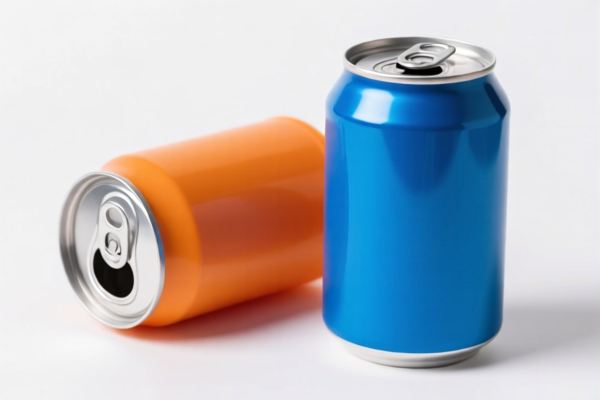
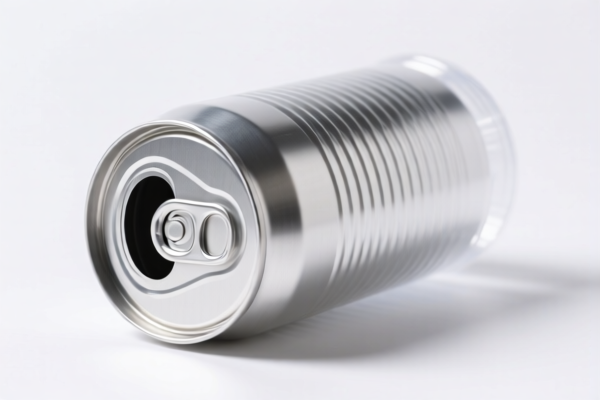
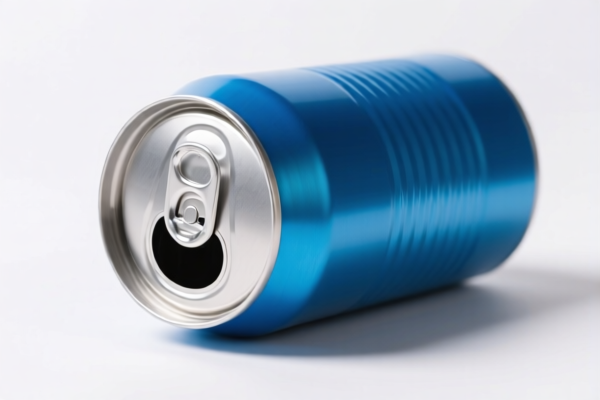

AI Analysis
🗑️ Scrap Cans (Metal Waste & Scrap)
🌐 HS Code Reference & Customs Clearance Guide | 2026 Latest Tariff Analysis | Professional Clearance Strategy
📌 One. Product Definition & Classification: What are "Scrap Cans"?
In the context of international trade and customs classification, "Scrap Cans" typically refer to waste aluminum cans (such as beverage cans) or steel/tin cans that are collected for recycling. They are classified under Chapter 72 (Ferrous waste) or Chapter 76 (Aluminum waste).
Key Distinction: * Aluminum Scrap: Beverage cans made of aluminum alloy → Fall under 7602. * Ferrous (Steel/Tin) Scrap: Tin-plated steel cans or steel waste → Fall under 7204.
⚠️ Critical Classification Point: * If the scrap is Aluminum, it is classified as 7602.00. * If the scrap is Steel/Iron, it is classified as 7204.49 (Other waste and scrap). * Note: The term "Cans" alone is ambiguous. Customs requires identification of the base metal (Aluminum vs. Steel).
📦 2. HS Code Classification Details (2026 Latest Tariff Authority Comparison)
Based on the provided <DATA>, here is the authoritative breakdown for Scrap Cans. Please select based on your material:
| HS Code | Product Description | Applicable Scenario | Material Type |
|---|---|---|---|
7602.00.00.35 |
Aluminum waste and scrap: Recyclable used beverage containers | Aluminum soda/beverage cans, strictly for recycling | 🥫 Aluminum |
7602.00.00.97 |
Aluminum waste and scrap: Other recyclable aluminum | Other aluminum scrap (non-beverage cans, e.g., extrusions, parts) | 🥫 Aluminum |
7204.49.00.40 |
Ferrous waste: Other No. 2 heavy melting | Heavy steel scrap, sometimes used for mixed ferrous scrap including steel cans if dense | 🥫 Steel/Iron |
7204.49.00.80 |
Ferrous waste: Other Other: Other | Other ferrous waste and scrap not specifically categorized as No. 2 | 🥫 Steel/Iron |
🔍 Important Reminder: * Aluminum Cans: Must use 7602.00.00.35. This is the specific code for "Recyclable used beverage containers." * Steel Cans: If they are steel/tin, they fall under 7204.
7204.49.00.40is often used for "No. 2 Heavy Melting" which can include dense ferrous scrap, but7204.49.00.80is the catch-all for other ferrous waste. * Do Not Mix: Never mix Aluminum and Ferrous scrap in the same declaration line if their HS codes differ, as they have different tax treatments and recycling values.
💰 3. 2026 Latest Tariff Rate Details (Including Surcharges, Policy Add-ons)
✅ Applicable Country: United States (US) ✅ Origin: China (CN) ✅ Effective Date: From November 10, 2025 (including subsequent imports)
🎯 1. Aluminum Scrap Cans (7602.00.00.35)
| Item | Content |
|---|---|
| Base Tariff Rate | 0.0% (ad valorem) |
| Additional Tariff (Section 301/USITC) | +25.0% |
| Total Tax Rate | 25.0% |
| Tax Calculation | CIF Value × 25% |
| De Minimis Exemption? | ❌ No (De Minimis does not apply to Section 301 goods from China) |
| Legal Basis Path | USITC:7602.00.00.35 → FOOTNOTE:301 → Total Tax: 25.0% |
📌 Explanation: * Aluminum waste and scrap from China are subject to a 25% additional tariff under US trade laws. * While the base tariff is 0%, the total effective rate is 25%. * This applies specifically to
7602.00.00.35(Recyclable beverage containers).
🎯 2. Ferrous Scrap Cans (7204.49.00.40 & 7204.49.00.80)
| Item | Content |
|---|---|
| Base Tariff Rate | 0.0% (ad valorem) |
| Additional Tariff (Section 301/USITC) | +25.0% |
| Total Tax Rate | 25.0% |
| Tax Calculation | CIF Value × 25% |
| De Minimis Exemption? | ❌ No |
| Legal Basis Path | USITC:7204.49.00.40 / 7204.49.00.80 → FOOTNOTE:301 → Total Tax: 25.0% |
📌 Explanation: * Ferrous waste and scrap from China are also subject to a 25% additional tariff. *
7204.49.00.40(No. 2 Heavy Melting) and7204.49.00.80(Other) both carry the 25% total tax. * Steel cans, if classified as ferrous waste, are equally expensive to import as aluminum cans.
⚠️ Special Note on 7602.00.00.97 (Other Recyclable Aluminum)
| Item | Content |
|---|---|
| Status | Failed to retrieve tax information |
| Total Tax | Error |
| Advice | ⚠️ High Risk: Do not use this code without prior clearance confirmation. It may be subject to different or higher tariffs, or require additional documentation. Always verify with a customs broker before importing "Other recyclable aluminum" scrap. |
🛠️ 4. Customs Clearance Practical Advice (Practical Pitfall Avoidance Guide)
✅ 1. Required Documentation Checklist
| Document | Must Provide | Explanation |
|---|---|---|
| ✅ Product Description | ✔️ | Clearly state "Aluminum Waste/Scrap - Beverage Cans" or "Ferrous Waste - Steel Cans". Do not just say "Scrap". |
| ✅ Material Certificate | ✔️ | Proof that the cans are 100% Aluminum or Steel. Mixed materials may lead to rejection or misclassification. |
| ✅ Commodity Inspection Certificate | ✔️ | For waste imports, China may require a commodity inspection certificate to ensure the scrap meets environmental standards. |
| ✅ Packing List | ✔️ | Detailed weight (Gross/Net), number of bales/bundles, and packaging type. |
| ✅ Commercial Invoice | ✔️ | Must match the HS Code exactly. |
| ✅ Origin Certificate | ✔️ | If origin is China, be aware of the 25% surcharge. |
✅ 2. Declaration Tips (Key Mantras)
🔥 "Material First, HS Code Second, Label Clearly, Tax Avoided!"
| Scenario | Correct Declaration | Wrong Practice |
|---|---|---|
| Aluminum Cans | 7602.00.00.35 + "Recyclable Aluminum Beverage Cans" |
Labeling as "General Aluminum Scrap" → Risk of higher tax or inspection |
| Steel Cans | 7204.49.00.40 or 80 + "Ferrous Waste" |
Labeling as "Plastic Scrap" → Smuggling charge! |
| Mixed Cans | Reject or Separate | Mixing Al and Steel in one shipment → Customs will detain and sort, incurring huge fees |
✅ 3. Special Handling
| Situation | Handling Advice |
|---|---|
| Moisture/Contamination | Scrap must be dry and free of hazardous waste. Wet scrap may be rejected or taxed as waste water/sludge. |
| Baling | Cans are usually baled. Ensure bales are tight and labeled. Loose cans may be considered "unprocessed waste" and face stricter inspections. |
| Recycling License | Importers in the US must have a valid EPA registration for handling waste metals. Ensure your supplier and you are compliant with local recycling laws. |
🌍 5. Global Main Market Customs Clearance Comparison (2026 Latest)
| Country/Region | Recommended HS Code | Tariff | Certification Requirements | Remarks |
|---|---|---|---|---|
| 🇺🇸 USA | 7602.00.00.35 (Al) / 7204.49.00.40 (Fe) |
25% (Total) | EPA Registration, USITC Compliance | High tariff for Chinese origin |
| 🇪🇺 EU | 7204.49 / 7602 |
Varies (0-6%) | CE (if reprocessed), Waste Shipment Regulation | Stricter waste import controls |
| 🇨🇳 China | 7204.49 / 7602 |
Varies | Commodity Inspection Certificate | Import restrictions on certain waste types |
| 🇮🇳 India | 7204.49 / 7602 |
Varies | DGFT Permit | Import license may be required |
📌 Conclusion: * USA: The 25% tariff is the biggest cost driver for Chinese scrap exports. Ensure your price model includes this. * EU: Focus on waste shipment regulations. Quality control is stricter than in the US. * China: Imports of certain waste types are restricted or banned. Check the latest "Prohibited Waste Catalog."
📌 6. Common Mistakes & Pitfall Guide (Blood & Tears Lessons)
❌ Mistake 1: Labeling Aluminum Cans as "General Scrap" to avoid inspection
👉 Consequence: Customs detects misdeclaration → Fines + Detention + 25% Tax + Legal Action
❌ Mistake 2: Using 7602.00.00.97 for beverage cans
👉 Consequence: Tax error (Error/Unknown) → Delay in Clearance + Back Taxes + Penalties
❌ Mistake 3: Not separating Aluminum and Steel
👉 Consequence: Contamination → Rejection of Entire Shipment + Disposal Costs
❌ Mistake 4: Assuming "Scrap" is tax-free
👉 Consequence: Ignoring Section 301 tariffs → Unexpected 25% Bill from CBP
✅ Correct Approach:
"Aluminum Waste: Recyclable Beverage Cans, Baled, Clean, No Contamination, HS Code: 7602.00.00.35, Origin: China"
🎯 7. Conclusion: Professional Declaration, Save Time & Money!
🎯 Remember the Mantra:
🔹 "Aluminum is 7602, Steel is 7204, Tax is 25%, Separate Them or Pay!"
🔹 "Scrap is not 'General Goods', Classification is Key, Tax is 25%, Don't Be Lazy!"
📌 Pro Tip:
If your scrap cans are not from China (e.g., Vietnam, Mexico), you may qualify for lower or zero tariffs. Always verify the Country of Origin before declaring. Recommend applying for an Advance Ruling from CBP if you are unsure about the classification of mixed scrap.
📣 Immediate Action:
📞 Contact a professional customs broker + Provide Product Photos + Verify HS Code 🚀 Let your scrap cans pass customs smoothly, reduce costs, and maximize profit!
✨ Professional Customs Clearance Starts with Accurate Classification!
💼 Every cent of your cost deserves precise calculation!
Customer Reviews
About HS Code Classification
The Harmonized System (HS) is an internationally standardized nomenclature developed by the World Customs Organization (WCO) to classify traded products. Over 200 countries use the HS system as the basis for customs tariffs, trade statistics, and import/export regulations.
Each HS code follows a hierarchical structure:
- Chapter (2 digits) — Broad category of goods (e.g., Chapter 84: Machinery and Mechanical Appliances)
- Heading (4 digits) — More specific grouping within the chapter
- Subheading (6 digits) — Internationally standardized breakdown, used by all WCO member countries
- National subdivisions (8-10 digits) — Country-specific extensions for further classification, such as US HTSUS 10-digit codes
Correct HS code classification is essential for smooth customs clearance, accurate duty payment, and compliance with trade regulations. Misclassification can lead to customs delays, overpayment of duties, or penalties.
When importing from CN to US, the applicable tariff rates may include:
- Most-Favored-Nation (MFN) rate — The standard duty rate applied to WTO members
- General rate — Applied to countries without trade agreements
- Trade remedy duties — Additional tariffs such as Section 301 (anti-dumping), Section 232 (national security), or countervailing duties
The information provided on this page is for reference purposes only. For official classification, please consult with your local customs authority or a licensed customs broker.