Scrap Metal
CN → US| HS Code | Tariff Rate | Origin | Destination | Doc |
|---|---|---|---|---|
| 7204490080 | 35.0% | CN | US | Official Doc |
| 7404006090 | 35.0% | CN | US | Official Doc |
| 7404006020 | 35.0% | CN | US | Official Doc |
| 7204410080 | 35.0% | CN | US | Official Doc |
| 2620998500 | 35.0% | CN | US | Official Doc |
Product Images
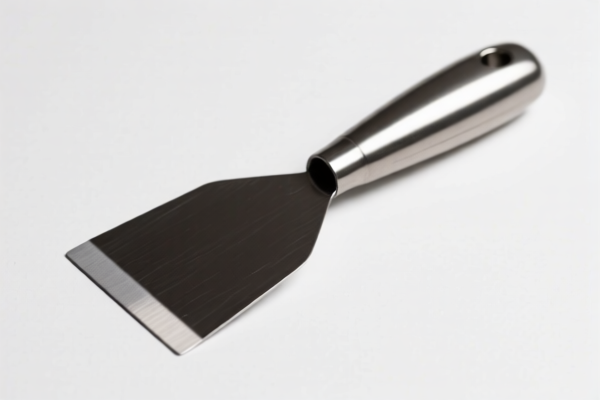
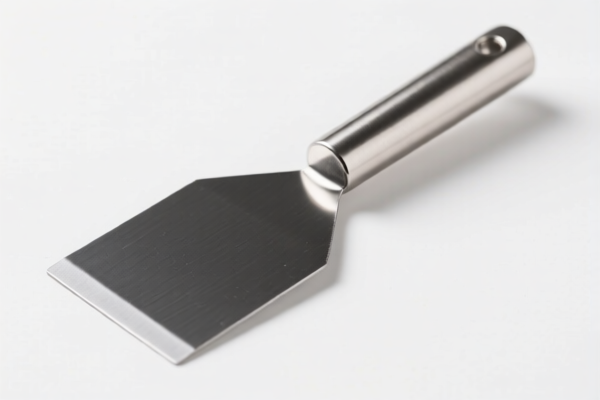
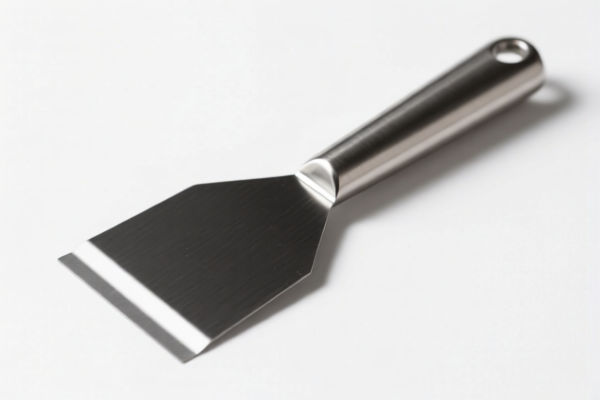
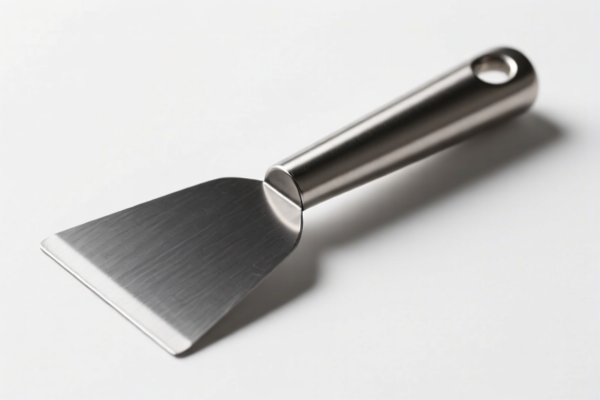
AI Analysis
🗑️ Scrap Metal (Ferrous & Non-Ferrous Residues)
🌐 HS Code Reference & Customs Clearance Guide | 2026 Latest Tariff Analysis | Special Focus on US Trade Restrictions
📌 1. Product Definition: What is "Scrap Metal Residue"?
Scrap metal residues refer to the leftover waste materials generated from manufacturing, processing, or consumption of metal products. In international trade, these are not uniform. They are classified based on material composition (Ferrous/Iron/Steel vs. Non-Ferrous/Copper/Other) and form (residues, turnings, shavings).
⚠️ Key Distinction:
- Ferrous Residues: Iron or non-alloy steel waste →归入 Heading 7204.
- Copper Residues: Waste and scrap of copper →归入 Heading 7404.
- Other Residues: Waste of other base metals (Aluminum, Zinc, etc.) →归入 Heading 2620 (as a residual catch-all for metallic waste not specified elsewhere).📌 Critical Note for US Imports:
All scrap metal residues of Chinese origin face significant Section 301 Tariffs (25%) and Section 122 Tariffs (10%), regardless of the base HS code. The Base Duty is 0%, but the Total Effective Rate is 35%.
📦 2. HS Code Classification Matrix (2026 Authorized Codes)
Based on the specific material and residue type, here are the authorized HS Codes and their rationales:
| HS Code | Summary & Classification Logic | Material Type | Form |
|---|---|---|---|
| 7204.49.00.80 | Ferrous Residues: Specifically for iron or non-alloy steel residues falling under "Other". | Iron / Non-alloy Steel | Residue |
| 7404.00.60.90 | Copper Residues: Copper waste and scrap residues. Classified under "Other" based on fallback principles. | Copper | Residue |
| 7404.00.60.20 | Copper Residues: Fallback classification for metallic residues compatible with copper characteristics. | Copper | Residue |
| 7204.41.00.80 | Ferrous Residues: Black metal attributes match; residue falls under "Other" sub-category. | Ferrous Metal | Residue |
| 2620.99.85.00 | Other Metallic Residues: For residues of non-ferrous/non-steel metals that don't fit specific headers. Fallback logic applies. | Other Base Metals | Residue |
🔍 Explanation of Logic:
- 7204 Series: Covers waste of iron, steel, and ferroalloys. If the material is iron/steel, look here first.
- 7404 Series: Dedicated exclusively to waste and scrap of copper. If copper is detected, this is the correct category.
- 2620 Series: Acts as a "catch-all" for residues of other base metals (like aluminum, zinc, lead) or mixed residues that don't fit the specific ferrous/copper definitions.
💰 3. 2026 Tariff Breakdown (Detailed Tax Clause Analysis)
✅ Applicable Market: United States (US)
✅ Origin: China (CN) (Assumed based on Section 122 & 301 context in data)
✅ Effective Date: Current regulations apply.
🎯 General Tax Structure for All Listed HS Codes
| Component | Rate | Legal Basis |
|---|---|---|
| Base Duty | 0.0% | HTSUS General Rate for Scrap Metal |
| Section 301 Duty | +25.0% | USITC Footnote 9903.88.01 (China Origin) |
| Section 122 Duty | +10.0% | IEEPA Authorities (Specific China Restrictions) |
| TOTAL EFFECTIVE RATE | 35.0% | Sum of all applicable duties |
📌 Detailed Tax Clause Interpretation:
1. Base Tariff (0%): Scrap metal is generally considered a raw material resource, so the standard import duty is often 0%.
2. Section 301 (25%): This is a punitive tariff imposed on goods of Chinese origin to address unfair trade practices. It applies to all HS codes listed above (7204, 7404, 2620).
3. Section 122 (10%): Additional tariff under the International Emergency Economic Powers Act (IEEPA), specifically targeting certain categories of Chinese goods, including metallic residues.
4. De Minimis Exemption: ❌ NOT APPLICABLE.
- Warning: Scrap metal does not qualify for the $800 de minimis exemption (Section 321). Every shipment, regardless of value, must go through formal customs entry (CBP Form 7501) and pay the full 35% tax.
🛠️ 4. Customs Clearance Practical Advice
✅ 1. Mandatory Documentation
| Document | Requirement | Why It Matters |
|---|---|---|
| Commercial Invoice | Must explicitly state "Scrap Metal Residues" and material type (e.g., "Steel Turnings," "Copper Slag"). | Avoids ambiguity in classification. |
| Packing List | Detailed weight breakdown (Net/Gross). | Customs verifies weight vs. declared duty value. |
| Material Certificate | Proof of origin and composition (e.g., mill test reports or lab analysis). | Crucial to distinguish between Iron (7204) vs. Copper (7404) vs. Other (2620). |
| Bill of Lading (B/L) | Clear description of goods. | Must match invoice and packing list. |
✅ 2. Classification Strategy (Risk Mitigation)
| Scenario | Recommended HS Code | Risk if Incorrect |
|---|---|---|
| Iron/Steel Scrap | 7204.49.00.80 or 7204.41.00.80 |
Misclassification as non-ferrous could trigger fraud investigations. |
| Copper Scrap | 7404.00.60.90 or 7404.00.60.20 |
Copper has higher value; error leads to significant underpayment. |
| Mixed/Unknown Metals | 2620.99.85.00 |
Use only if material cannot be definitively identified as Iron/Copper. |
🔥 Pro Tip:
"Know Your Metal!"
- If you mix copper and steel scrap in one container, you must separate them for classification purposes.
- Mixed scrap declared as "Steel" when it contains significant copper will be reclassified, fined, and possibly seized.
✅ 3. Common Mistakes & Pitfalls
❌ Mistake 1: Assuming De Minimis ($800) applies.
👉 Consequence: Goods held at border, fines issued, and 100% duty + penalties applied retroactively.
❌ Mistake 2: Vague Description ("Mixed Metal Waste").
👉 Consequence: CBP may reclassify to the highest duty code or deny entry due to lack of specificity.
❌ Mistake 3: Ignoring Section 122.
👉 Consequence: Only paying 25% (Section 301) instead of 35% (25% + 10%) results in underpayment and interest accrual.
🌍 5. Global Market Comparison
| Market | HS Code Example | Base Duty | Additional Duties | Total Est. Rate | Notes |
|---|---|---|---|---|---|
| 🇺🇸 USA | 7204.49.00.80 |
0% | 25% (Sec 301) + 10% (Sec 122) | 35% | High Barrier. No De Minimis. |
| 🇪🇺 EU | 7204.49.00 |
~6.5% | None | ~6.5% | Standard WCO Tariff. No Section 301. |
| 🇨🇳 China | 7204.49.00 |
0% | None | 0% | Import of scrap is often restricted/banned. |
| 🇮🇳 India | Varies | 0-5% | SWS (Social Welfare Surcharge) | ~5-10% | Import licensing may apply. |
📌 Conclusion:
The US market is the most challenging due to the cumulative 35% tariff and lack of de minimis exemption. Importers must budget for this cost or explore supply chain alternatives.
📌 6. Final Checklist for Importers
- Identify Material: Is it Iron, Copper, or Other?
- Select HS Code: Use the matrix above (7204, 7404, or 2620).
- Calculate Tax: CIF Value × 35%.
- Prepare Docs: Invoice, PL, B/L, Material Cert.
- File Entry: Formal CBP Entry (Form 7501). Do NOT use Line 83 (De Minimis).
🎯 Key Takeaway:
"Scrap Metal is Not 'Small Value' Exemption."
Every pound counts. With a 35% total tax rate, accurate classification and complete documentation are the only ways to ensure smooth clearance and avoid costly delays.
📣 Action Step:
Consult a licensed customs broker before shipping. Verify the exact material composition to lock in the correct 10-digit HS Code. Avoid ambiguity to prevent CBP audits.
✨ Accurate Classification = Cost Control & Compliance.
💼 Don't let 35% tariffs eat your margin.
Customer Reviews
About HS Code Classification
The Harmonized System (HS) is an internationally standardized nomenclature developed by the World Customs Organization (WCO) to classify traded products. Over 200 countries use the HS system as the basis for customs tariffs, trade statistics, and import/export regulations.
Each HS code follows a hierarchical structure:
- Chapter (2 digits) — Broad category of goods (e.g., Chapter 84: Machinery and Mechanical Appliances)
- Heading (4 digits) — More specific grouping within the chapter
- Subheading (6 digits) — Internationally standardized breakdown, used by all WCO member countries
- National subdivisions (8-10 digits) — Country-specific extensions for further classification, such as US HTSUS 10-digit codes
Correct HS code classification is essential for smooth customs clearance, accurate duty payment, and compliance with trade regulations. Misclassification can lead to customs delays, overpayment of duties, or penalties.
When importing from CN to US, the applicable tariff rates may include:
- Most-Favored-Nation (MFN) rate — The standard duty rate applied to WTO members
- General rate — Applied to countries without trade agreements
- Trade remedy duties — Additional tariffs such as Section 301 (anti-dumping), Section 232 (national security), or countervailing duties
The information provided on this page is for reference purposes only. For official classification, please consult with your local customs authority or a licensed customs broker.