Scrap Metal Offcuts
CN → US| HS Code | Tariff Rate | Origin | Destination | Doc |
|---|---|---|---|---|
| 7602000095 | 0.0% | CN | US | Official Doc |
| 7602000097 | 0.0% | CN | US | Official Doc |
| 7204490080 | 35.0% | CN | US | Official Doc |
| 7204490060 | 35.0% | CN | US | Official Doc |
| 7204210000 | 35.0% | CN | US | Official Doc |
| 7204290000 | 35.0% | CN | US | Official Doc |
Product Images
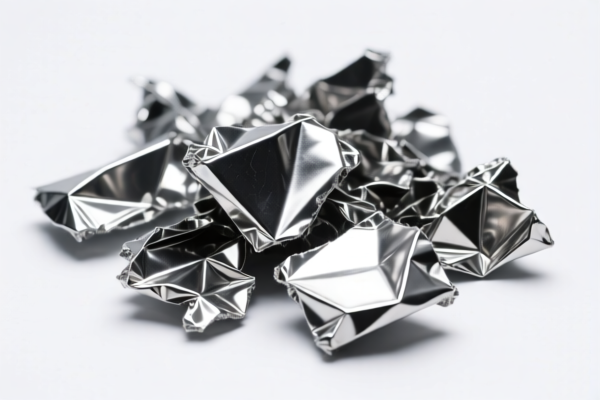
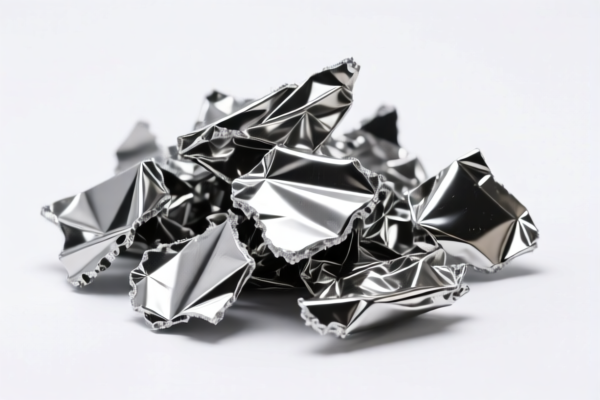
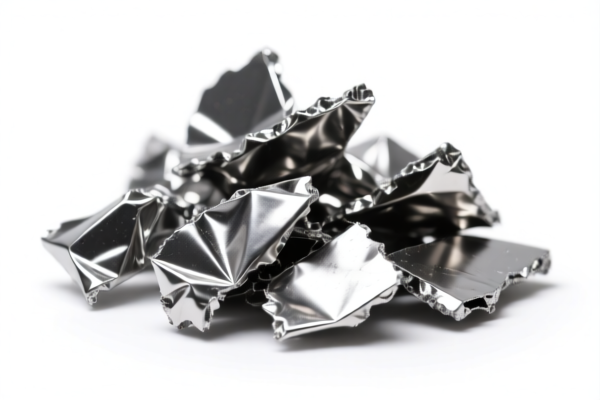
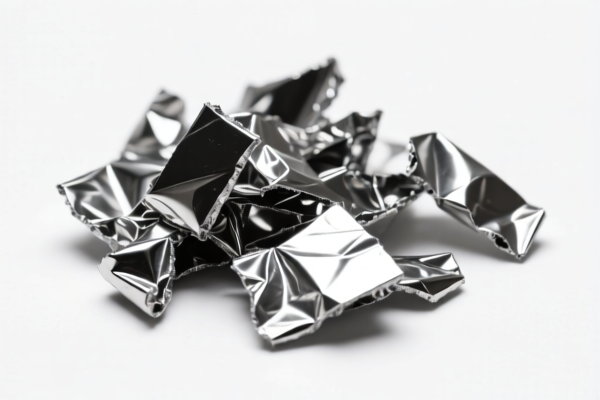
AI Analysis
🏭 Scrap Metal Offcuts: Iron, Steel & Aluminum
🌐 HS Code Reference & Customs Clearance Guide | 2026 Latest Tariff Analysis | Professional Clearance Strategy
📌 I. Product Definition & Classification: What is "Scrap Metal Offcuts"?
Scrap metal offcuts refer to the residual materials left over from industrial manufacturing processes (such as cutting, stamping, machining, or welding). These are not suitable for direct remelting into primary ingots without further processing in many cases, or they fall into specific waste categories depending on their composition and form.
In international trade, scrap metal is strictly categorized by base material (Iron/Steel vs. Aluminum) and physical state (Turnings/Shavings vs. Other Waste). Misclassification can lead to significant duty differences and customs holds.
⚠️ Key Distinction:
- Iron/Steel Offcuts: Must distinguish between "not suitable for remelting" (basic scrap) and specific forms like "cut plate/structural." - Aluminum Offcuts: Typically classified as "waste and scrap of aluminum," but tax information retrieval failed in the current dataset, requiring special attention.
📦 II. HS Code Classification Details (2026 Latest Tariff Authority Cross-Reference)
| HS Code | Product Description | Applicable Scenario | Tax Status |
|---|---|---|---|
7204.21.00.00 |
Iron and steel scrap, including turnings and shavings, not suitable for remelting | Basic steel turnings, borings, shavings that are contaminated or too small for direct remelting | ⚠️ 25.0% Total Tax |
7204.29.00.00 |
Other iron and steel scrap, including turnings and shavings, not suitable for remelting | Other forms of steel scrap not covered by 7204.21.00.00 | ✅ 0.0% Total Tax |
7204.49.00.80 |
Ferrous waste and scrap; remelting scrap ingots of iron or steel: Other waste and scrap: Other: Other: Other | General ferrous waste/scrap not specifically categorized elsewhere (e.g., mixed steel debris) | ⚠️ 25.0% Total Tax |
7204.49.00.60 |
Ferrous waste and scrap; remelting scrap ingots of iron or steel: Other waste and scrap: Other: Other: Cut plate and structural | Offcuts in the form of cut plates or structural steel pieces | ⚠️ 25.0% Total Tax |
7602.00.00.95 |
Aluminum waste and scrap: Recyclable aluminum from industrial processes, including turnings, borings, shavings, filings, clippings, and chips | Clean aluminum machining swarf, clean chips, recyclable aluminum waste | ❓ Error (Failed to retrieve) |
7602.00.00.97 |
Aluminum waste and scrap: Other recyclable aluminum | Other forms of aluminum scrap not specified above | ❓ Error (Failed to retrieve) |
🔍 Focus Reminder:
- For Iron/Steel, the distinction between7204.21and7204.29is critical for duty calculation (25% vs. 0%). - For Aluminum, tax information is unavailable in the source data. Do not assume 0% or 25%. You must consult the latest USITC or CBP database for accurate rates.
💰 III. 2026 Latest Tariff Rate Details (Detailed Breakdown)
✅ Note on Tax Structure: The provided data shows "Total Tax" percentages. Based on the "Basic Tariff: 0.0%" noted for some codes, the Total Tax appears to consist entirely of Additional Tariffs (likely Section 301 duties for China-origin goods, given the common 25% rate).
🎯 1. 7204.21.00.00 —— Iron/Steel Scrap (Turnings/Shavings, Not Suitable for Remelting)
| Item | Content |
|---|---|
| Basic Tariff | 0.0% |
| Additional Tariff | 25.0% |
| Total Tax Rate | 25.0% |
| Calculation Basis | CIF Value × 25.0% |
| De Minimis Exemption | ❌ Not Applicable (Scrap metal is generally subject to full duties and quotas) |
| Legal Basis | HS Code 7204.21.00.00 |
📌 Explanation:
- This code covers basic ferrous turnings and shavings that are not suitable for direct remelting into high-quality ingots. - The 25% total tax is likely an additional duty (e.g., Section 301 tariffs for Chinese origin).
🎯 2. 7204.29.00.00 —— Other Iron/Steel Scrap (Turnings/Shavings, Not Suitable for Remelting)
| Item | Content |
|---|---|
| Basic Tariff | 0.0% |
| Additional Tariff | 0.0% |
| Total Tax Rate | 0.0% |
| Calculation Basis | CIF Value × 0.0% |
| De Minimis Exemption | ❌ Not Applicable (Even if tax is 0%, proper documentation is required) |
| Legal Basis | HS Code 7204.29.00.00 |
📌 Explanation:
- This is a zero-duty category for other types of steel scrap (turnings/shavings) not covered by 7204.21. - Critical: Ensure your product truly fits this description to avoid misclassification and penalties.
🎯 3. 7204.49.00.80 & 7204.49.00.60 —— Other Ferrous Waste and Scrap
| Item | Content |
|---|---|
| Basic Tariff | 0.0% |
| Additional Tariff | 25.0% |
| Total Tax Rate | 25.0% |
| Calculation Basis | CIF Value × 25.0% |
| De Minimis Exemption | ❌ Not Applicable |
| Legal Basis | HS Codes 7204.49.00.80 / 7204.49.00.60 |
📌 Explanation:
-7204.49.00.60specifically covers cut plates and structural steel offcuts. -7204.49.00.80is a catch-all for other ferrous waste/scrap. - Both incur a 25% total tax.
🎯 4. Aluminum Scrap (7602.00.00.95 & 7602.00.00.97)
| Item | Content |
|---|---|
| Basic Tariff | Unknown (Failed to retrieve) |
| Additional Tariff | Unknown (Failed to retrieve) |
| Total Tax Rate | Error / Unknown |
| Calculation Basis | Cannot Calculate |
| De Minimis Exemption | ❌ Not Applicable |
| Legal Basis | HS Codes 7602.00.00.95 / 7602.00.00.97 |
📌 Critical Warning:
- Tax information retrieval failed for all aluminum scrap codes. - Do not assume zero tax. Aluminum scrap often faces different duties (sometimes 0%, sometimes additional tariffs depending on origin and form). - Action Required: You MUST verify the current tariff for7602.00.00.95and7602.00.00.97with a customs broker or via the USITC HTS search tool before clearing.
🛠️ IV. Customs Clearance Practical Advice (Real-World Pitfall Avoidance)
✅ 1. Document Checklist (Non-negotiable)
| Document | Must Provide | Purpose |
|---|---|---|
| ✅ Product Photos | ✔️ | Show physical form (shavings, plates, structural pieces) to prove classification. |
| ✅ Material Certificate | ✔️ | Confirm composition (Steel vs. Aluminum) to avoid cross-code confusion. |
| ✅ Commercial Invoice | ✔️ | Clearly state "Scrap Metal Offcuts," specify "Iron/Steel" or "Aluminum," and indicate "Not Suitable for Direct Remelting" if applicable. |
| ✅ Packing List | ✔️ | Detail weight, number of packages, and any protective packaging. |
| ✅ Customs Declaration | ✔️ | Use precise HS Codes (7204.xxxx.xx.xx or 7602.00.00.xx). |
✅ 2. Classification Strategy (Key Tips)
🔥 "Steel Split: 21 vs. 29; Aluminum: Check Tax!"
| Scenario | Correct HS Code | Duty Rate | Risk |
|---|---|---|---|
| Steel turnings/shavings, basic type | 7204.21.00.00 |
25% | High if misclassified as 7204.29 |
| Other steel turnings/shavings | 7204.29.00.00 |
0% | High if misclassified as 7204.21 |
| Cut steel plates/structural offcuts | 7204.49.00.60 |
25% | Low (clearly defined) |
| General steel waste | 7204.49.00.80 |
25% | Medium (broad category) |
| Aluminum turnings/chips | 7602.00.00.95 |
Unknown | Critical – Verify tax before shipping |
| Other aluminum scrap | 7602.00.00.97 |
Unknown | Critical – Verify tax before shipping |
✅ 3. Special Handling Notes
| Scenario | Handling Advice |
|---|---|
| Mixed Metals | If steel and aluminum are mixed, the shipment may be classified under the higher-duty or more restrictive code. Separate them if possible. |
| "Not Suitable for Remelting" | This phrase is critical for 7204.21 and 7204.29. If the scrap is suitable for remelting, different codes may apply (e.g., 7204.10 for ingots). Ensure accurate description. |
| Aluminum Tax Uncertainty | Since tax data is missing for aluminum, consult a customs broker to determine if Section 301 tariffs apply. Assuming 0% could result in back-taxes and penalties. |
🌍 V. Global Market Comparison (2026 Latest)
| Country/Region | Recommended HS Code | Tariff (China Origin) | Certification | Notes |
|---|---|---|---|---|
| 🇺🇸 USA | 7204.21.00.00 / 7204.29.00.00 |
25% or 0% | N/A | Scrap metal is heavily regulated; ensure no hazardous waste content. |
| 🇨🇳 China | 7204.21.00.00 / 7204.29.00.00 |
Varies | N/A | China imports scrap steel; verify if export restrictions apply in the source country. |
| 🇪🇺 EU | 7204.21 / 7204.29 |
Varies | REACH | EU has strict environmental standards for scrap metal imports. |
| 🇦🇺 Australia | 7204.21 / 7204.29 |
Varies | N/A | Check for biosecurity risks (e.g., contamination). |
📌 Conclusion:
- USA is the primary market for this data, with a 25% additional tariff on most iron/steel scrap categories. - Aluminum requires urgent verification of tax rates due to data gaps.
📌 VI. Common Mistakes & Pitfall Guide (Lessons Learned)
❌ Mistake 1: Misclassifying 7204.21 as 7204.29
👉 Consequence: Underpaying 25% duty → Penalties + Back Taxes + Seizure Risk
❌ Mistake 2: Assuming Aluminum Scrap has 0% tax
👉 Consequence: If actual rate is 25% (or higher), you face huge back-taxes and fines.
❌ Mistake 3: Not specifying "Not Suitable for Remelting"
👉 Consequence: Customs may reclassify as "remelting scrap ingots," leading to different duty rates and documentation requirements.
❌ Mistake 4: Mixing Steel and Aluminum in one container
👉 Consequence: Customs may classify the entire shipment under the most complex code, delaying clearance and increasing costs.
✅ Correct Approach:
"Steel Offcuts, Turnings and Shavings, Not Suitable for Direct Remelting, HS Code 7204.21.00.00, Origin: China"
🎯 VII. Conclusion: Precision in Scrap Classification Saves Money!
🎯 Key Takeaways:
🔹 "Steel: 25% for 21, 0% for 29. Don't mix them up!"
🔹 "Aluminum: Tax Unknown. Verify Before You Ship!"
🔹 "Clear Documentation = Smooth Clearance."
📌 Pro Tip:
- For Aluminum Scrap, use the USITC HTS Search Tool to find the latest 7602.00.00.95 and 7602.00.00.97 rates.
- For Iron/Steel, ensure your product matches the exact description of the HS code to avoid audits.
📣 Immediate Action:
📞 Contact a Licensed Customs Broker to verify Aluminum tariffs.
📄 Prepare Detailed Product Photos showing the physical form of the offcuts.
🚀 Accurate Classification = Cost Savings + Faster Clearance!
✨ Professional Clearance, Starting with Exact Classification!
💼 Every Dollar of Duty Matters!
Customer Reviews
About HS Code Classification
The Harmonized System (HS) is an internationally standardized nomenclature developed by the World Customs Organization (WCO) to classify traded products. Over 200 countries use the HS system as the basis for customs tariffs, trade statistics, and import/export regulations.
Each HS code follows a hierarchical structure:
- Chapter (2 digits) — Broad category of goods (e.g., Chapter 84: Machinery and Mechanical Appliances)
- Heading (4 digits) — More specific grouping within the chapter
- Subheading (6 digits) — Internationally standardized breakdown, used by all WCO member countries
- National subdivisions (8-10 digits) — Country-specific extensions for further classification, such as US HTSUS 10-digit codes
Correct HS code classification is essential for smooth customs clearance, accurate duty payment, and compliance with trade regulations. Misclassification can lead to customs delays, overpayment of duties, or penalties.
When importing from CN to US, the applicable tariff rates may include:
- Most-Favored-Nation (MFN) rate — The standard duty rate applied to WTO members
- General rate — Applied to countries without trade agreements
- Trade remedy duties — Additional tariffs such as Section 301 (anti-dumping), Section 232 (national security), or countervailing duties
The information provided on this page is for reference purposes only. For official classification, please consult with your local customs authority or a licensed customs broker.