Scrapbook
CN → US| HS Code | Tariff Rate | Origin | Destination | Doc |
|---|---|---|---|---|
| 4820500000 | 35.0% | CN | US | Official Doc |
| 4820900000 | 35.0% | CN | US | Official Doc |
| 3926904800 | 13.4% | CN | US | Official Doc |
| 3926100000 | 15.3% | CN | US | Official Doc |
Product Images
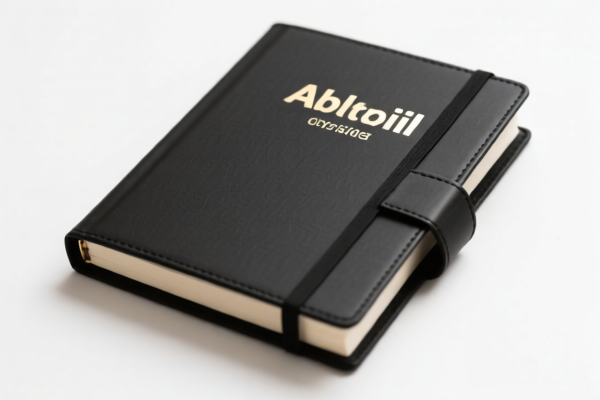
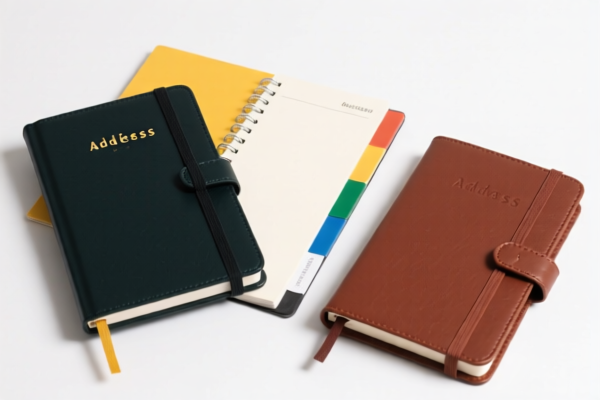
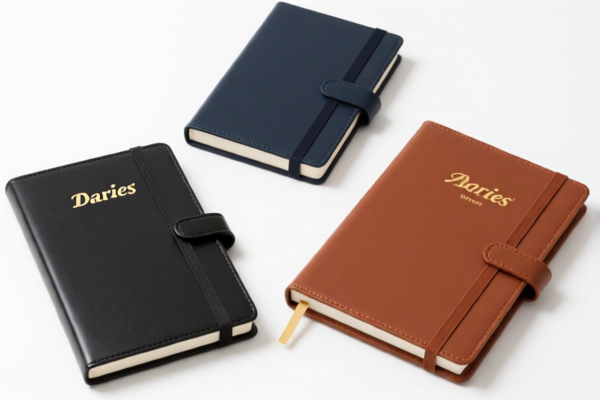
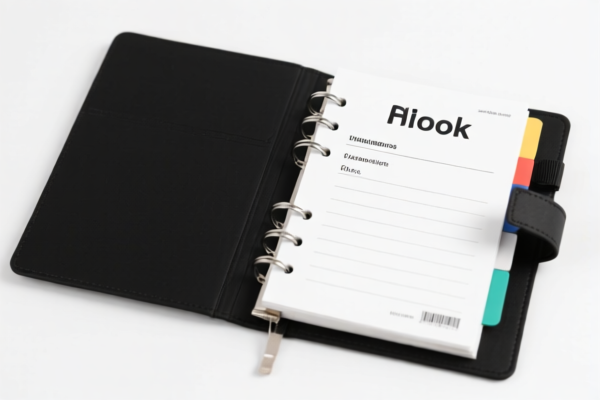
AI Analysis
📔 Scrapbook (Paper, Plastic, & Mixed Materials)
🌐 HS Code Reference & Customs Clearance Guide | 2026 Latest Tariff Analysis | Professional Clearance Strategy
📌 I. Product Definition & Classification: What Exactly is a "Scrapbook"?
A scrapbook is primarily a stationery item or collectible album used for pasting photographs, memorabilia, or decorative papers. In international trade, its classification depends heavily on its material composition and functional design. It is not a monolithic category; instead, it splits into two main material-based groups:
- Paper/Cardboard Scrapbooks: Made primarily of paper, cardboard, or similar fibrous materials. These are treated as stationery or albums.
- Plastic/Mixed Material Scrapbooks: Made primarily of plastic or containing significant plastic components (e.g., plastic covers, plastic sleeves, binding mechanisms). These are treated as plastic articles or general office supplies.
⚠️ Key Distinction Point:
- If the material is predominantly paper/cardboard → It falls under Chapter 48.
- If the material is predominantly plastic (or plastic-based office supplies) → It falls under Chapter 39.
📦 II. HS Code Classification Details (Based on Provided Data)
| HS Code | Product Description | Material Composition | Primary Function |
|---|---|---|---|
4820.50.00.00 |
Scrapbooks equivalent to collectors' albums | Paper or Cardboard | Collecting/Preserving |
4820.90.00.00 |
Stationery albums of the scrapbook type | Paper or Cardboard | Office/General Use |
3926.90.48.00 |
Scrapbooks/Albums with functional consistency | Plastic or Paper-based Materials | General Plastic Article |
3926.10.00.00 |
Office supplies containing plastic components | Contains Plastic Parts | Office Stationery |
🔍 Critical Note:
- Chapter 48 (4820.xxxx) applies when the item is fundamentally a paper product.
- Chapter 39 (3926.xxxx) applies when the item is fundamentally a plastic product or general plastic office supply.
- The provided data does not include mixed-material combinations that don't fit neatly into "plastic-containing" or "plastic-based," so we strictly adhere to the four codes above.
💰 III. 2026 Latest Tariff Rate Breakdown (Including Surcharges & Policy Add-ons)
✅ Applicable Country: United States (US)
✅ Origin: China (CN)
✅ Effective Date: Current Rates (Based on IEEPA & USITC Data Provided)
🎯 1. 4820.50.00.00 & 4820.90.00.00 —— Paper/Cardboard Scrapbooks & Albums
Both codes under Chapter 48 share the same tariff structure in the provided data:
| Item | Content |
|---|---|
| Base Tariff | 0.0% (ad valorem) |
| Section 301 Surcharge | +25.0% (Additional Tariff) |
| IEEPA Surcharge (Section 122) | +10.0% (Specific Chinese Import Fee) |
| Total Tariff Rate | 35.0% |
| Tax Calculation | CIF Value × 35% |
| De Minimis Exemption | ❌ Not Eligible (High tariff threshold prevents Section 321 de minimis benefits in most cases) |
| Legal Basis Path | USITC:4820.xxxx → Section 301: 25% → IEEPA/Section 122: 10% |
📌 Explanation:
- Although the base tariff is 0%, the Section 301 additional tariff of 25% significantly increases the cost.
- The IEEPA Section 122 tariff of 10% is a specific surcharge applied to certain Chinese imports.
- Total Effective Rate: 35%. This is a high-cost entry for paper-based scrapbooks.
🎯 2. 3926.90.48.00 —— Plastic/Material Scrapbooks (General Plastic Article)
| Item | Content |
|---|---|
| Base Tariff | 3.4% (ad valorem) |
| Section 301 Surcharge | 0.0% (No Additional Tariff in this specific data set) |
| IEEPA Surcharge (Section 122) | +10.0% |
| Total Tariff Rate | 13.4% |
| Tax Calculation | CIF Value × 13.4% |
| De Minimis Exemption | ⚠️ Check Eligibility (Lower total rate may allow for de minimis benefits under Section 321, depending on current CBP enforcement) |
| Legal Basis Path | USITC:3926.90.48.00 → IEEPA/Section 122: 10% |
📌 Note:
- This code has a base tariff of 3.4%.
- Unlike Chapter 48, there is no 25% Section 301 surcharge listed in the provided data for this specific code.
- The IEEPA 10% still applies.
- Total Effective Rate: 13.4%. This is significantly cheaper than paper-based scrapbooks.
🎯 3. 3926.10.00.00 —— Plastic Office Supplies (Scrapbooks as Office Items)
| Item | Content |
|---|---|
| Base Tariff | 5.3% (ad valorem) |
| Section 301 Surcharge | 0.0% (No Additional Tariff in this specific data set) |
| IEEPA Surcharge (Section 122) | +10.0% |
| Total Tariff Rate | 15.3% |
| Tax Calculation | CIF Value × 15.3% |
| De Minimis Exemption | ⚠️ Check Eligibility |
| Legal Basis Path | USITC:3926.10.00.00 → IEEPA/Section 122: 10% |
📌 Note:
- Classifies scrapbooks as general office supplies containing plastic.
- Base tariff is 5.3%.
- IEEPA 10% applies.
- Total Effective Rate: 15.3%. Slightly higher than3926.90.48.00but still much lower than paper-based options.
🛠️ IV. Customs Clearance Practical Advice (Avoiding Pitfalls)
✅ 1. Material Declaration is Critical
| Scenario | Correct Declaration | Risk of Error |
|---|---|---|
| Paper Cover, Paper Pages | HS 4820.50.00.00 or 4820.90.00.00 |
Low risk if purely paper |
| Plastic Cover, Paper Pages | HS 3926.90.48.00 (Preferred) |
High Risk: If declared as paper, you face 35% tax. If declared as plastic, you pay 13.4%. |
| Plastic Sleeves/Binding | HS 3926.10.00.00 or 3926.90.48.00 |
Must prove plastic component is significant |
| Mixed Materials | HS 3926.90.48.00 (If plastic-dominated) |
Ambiguity can lead to customs audits |
🔥 Strategic Insight:
If your scrapbook has a plastic cover (even if the pages are paper), declaring it under Chapter 48 (Paper) could result in a massive overpayment of taxes (35% vs 13.4%). Always prioritize Chapter 39 if plastic components are substantial.
✅ 2. Documentation Checklist
| Document | Requirement | Purpose |
|---|---|---|
| Commercial Invoice | Must specify material (e.g., "Plastic Cover Scrapbook") | Determines HS Code eligibility |
| Product Photographs | Clear view of cover and binding | Prove plastic content vs. paper |
| Bill of Lading | Standard shipping docs | Basic clearance requirement |
| Certificate of Origin | If applicable | Check for trade agreement benefits (not applicable for US-China in this data) |
✅ 3. Common Errors & Consequences
| Error | Consequence |
|---|---|
| Declaring Plastic Scrapbook as Paper | Pay 35% tax instead of 13.4%. Overpayment of 21.6% on value. |
| Failing to Declare IEEPA Surcharge | Risk of penalties, fines, and seizure for misdeclaration. The 10% IEEPA tax is mandatory. |
| Ignoring Section 301 (if applicable) | If customs determines 4820 codes apply, the 25% surcharge is retroactive. |
🌍 V. Market Comparison & Strategic Recommendations
| Market | Recommended HS Code | Estimated Total Rate | Notes |
|---|---|---|---|
| 🇺🇸 United States | 3926.90.48.00 |
13.4% | Best Option for plastic-containing scrapbooks. Avoid Chapter 48 if possible. |
| 🇺🇸 United States | 4820.50.00.00 |
35.0% | High Cost. Only use if item is purely paper/cardboard. |
| 🇨🇳 China (Export) | N/A | Varies | China exports these items. Check Chinese export rebates. |
| 🇪🇺 EU | Varies | Varies | EU has different HS codes. Not covered in provided data. |
📌 Conclusion:
- For US Importers: If your scrapbook has any significant plastic component (cover, sleeves, binding), use3926.90.48.00to save 21.6% in taxes compared to paper-based classification.
- Pure Paper Scrapbooks: Must pay 35%. No way around it in the provided data.
📌 VI. Final Tips for Cost Optimization
- Material Analysis:
- If your scrapbook has a plastic cover, do not declare it as "Paper Scrapbook."
- Use
3926.90.48.00(13.4% total) or3926.10.00.00(15.3% total).
- IEEPA 10% is Universal:
- Regardless of the HS code, the 10% IEEPA surcharge applies to all items in the provided data. This is a non-negotiable cost for Chinese-origin goods.
- De Minimis Consideration:
- For shipments under $800 (Section 321), high tariffs may still exempt the item from de minimis benefits depending on CBP enforcement. Consult a customs broker for small parcel shipments.
- Pre-Clearance Verification:
- Before shipping, get a Binding Ruling from US Customs if the material mix is ambiguous. This protects you from retroactive tariff changes.
🎯 Final Strategy:
🔹 "Plastic Cover? Go Chapter 39!" (13.4% vs 35%)
🔹 "Pure Paper? Prepare for 35%."
🔹 "Always Declare IEEPA 10%."
📣 Immediate Action:
📞 Contact a Customs Broker to verify material composition.
📦 Update Invoice Descriptions to reflect "Plastic Component" if applicable.
🚀 Optimize Your Supply Chain to choose the lowest-tariff HS code based on design.
✨ Professional Clearance Starts with Accurate Classification!
💼 Every Percentage Point Saved is Profit Gained!
Customer Reviews
About HS Code Classification
The Harmonized System (HS) is an internationally standardized nomenclature developed by the World Customs Organization (WCO) to classify traded products. Over 200 countries use the HS system as the basis for customs tariffs, trade statistics, and import/export regulations.
Each HS code follows a hierarchical structure:
- Chapter (2 digits) — Broad category of goods (e.g., Chapter 84: Machinery and Mechanical Appliances)
- Heading (4 digits) — More specific grouping within the chapter
- Subheading (6 digits) — Internationally standardized breakdown, used by all WCO member countries
- National subdivisions (8-10 digits) — Country-specific extensions for further classification, such as US HTSUS 10-digit codes
Correct HS code classification is essential for smooth customs clearance, accurate duty payment, and compliance with trade regulations. Misclassification can lead to customs delays, overpayment of duties, or penalties.
When importing from CN to US, the applicable tariff rates may include:
- Most-Favored-Nation (MFN) rate — The standard duty rate applied to WTO members
- General rate — Applied to countries without trade agreements
- Trade remedy duties — Additional tariffs such as Section 301 (anti-dumping), Section 232 (national security), or countervailing duties
The information provided on this page is for reference purposes only. For official classification, please consult with your local customs authority or a licensed customs broker.