Scrapbook Paper Storage Box
CN → US| HS Code | Tariff Rate | Origin | Destination | Doc |
|---|---|---|---|---|
| 4202926010 | 41.3% | CN | US | Official Doc |
| 3926909989 | 22.8% | CN | US | Official Doc |
| 3926901000 | 20.9% | CN | US | Official Doc |
| 4420908000 | 38.2% | CN | US | Official Doc |
| 4202999000 | 55.0% | CN | US | Official Doc |
| 3923102000 | 35.0% | CN | US | Official Doc |
Product Images

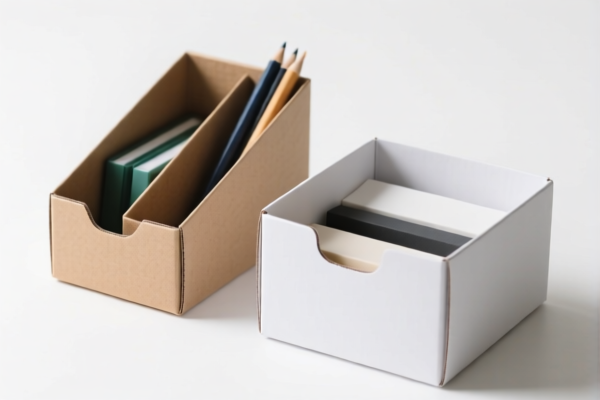
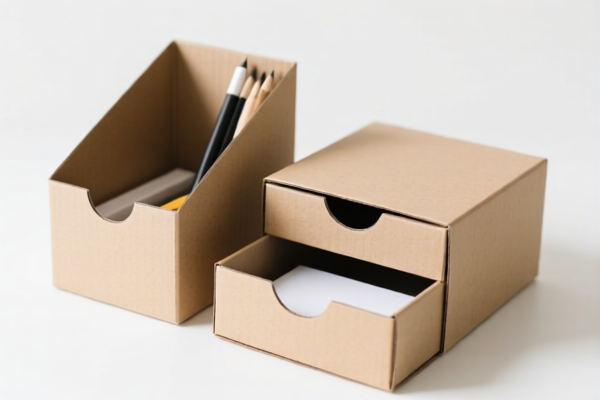

AI Analysis
📇 Scrapbook Paper Storage Box (The "Creative Organizer")
🌐 HS Code Reference & Customs Clearance Guide | 2024/2026 Latest Tariff Analysis | Professional Strategy for Creative Goods
📌 I. Product Definition: What is a "Scrapbook Paper Storage Box"?
A "scrapbook paper storage box" is a versatile container designed to hold, organize, and protect paper-based craft supplies (e.g., scrapbook paper, cards, envelopes, stickers). In international trade, its classification depends heavily on material composition and primary function:
- Jewelry/Trinket Box Equivalent: If it has velvet lining, mirrors, or specific compartments for small items, it may be viewed as a "box of similar nature."
- Plastic Container: If it is a simple, rigid plastic bin for bulk storage.
- Packaging: If it is a disposable or light-duty container primarily for wrapping/transport.
- Wooden Box: If made of wood, often resembling decorative home storage.
⚠️ Key Classification Point:
- If it is a luxury/ornate container (even for paper) → Potential4202(Travel goods/Cases).
- If it is a simple plastic bin → Potential3926(Plastic articles) or3923(Plastic packaging).
- If it is wooden → Potential4420(Wooden articles).
- If it is a general plastic container → Potential4202.99(Other articles).
📦 II. HS Code Classification Matrix (2024/2026 Latest Tariff Concordance)
| HS Code | Product Description | Material | Primary Feature | Total Tax Rate* |
|---|---|---|---|---|
4202.92.60.10 |
Jewelry Boxes & Similar Containers | Plastic/Textile | Ornate, lined, compartmentalized | 41.3% |
3926.90.99.89 |
Other Plastic Articles | Plastic | General-purpose, non-packaging plastic item | 22.8% |
3926.90.10.00 |
Plastic Containers (Bucket-type) | Plastic | Rigid, container-like, bucket shape | 20.9% |
4420.90.80.00 |
Wooden Articles (Jewelry/Utensil Boxes) | Wood | Wooden, decorative or functional storage | 38.2% |
4202.99.90.00 |
Other Travel Goods/Cases | Mixed/Plastic/Textile | General purpose, no specific lining/mirror | 55.0% |
3923.10.20.00 |
Plastic Packaging Articles | Plastic | Disposable/light-duty packaging | 35.0% |
🔍 Note on Tax Rates:
All rates above include: Base Duty + Section 301 Tariff (Additional) + Section 122 Tariff (10%).
Rates reflect US Import Tariffs on Chinese Origin Goods.
💰 III. Detailed Tariff Breakdown by HS Code
🎯 1. 4202.92.60.10 —— Jewelry Boxes & Similar Containers
- Material: Plastic or Textile
- Tax Detail:
- Base Duty: 6.3%
- Additional (Section 301): 25.0%
- Section 122 Tariff: 10%
- Total Tax: 41.3%
- Why this code? If the storage box has a velvet lining, mirror, or specific compartments typically found in jewelry/trinket boxes, customs may classify it under
4202because it mimics the form and function of jewelry boxes, even if used for paper.
🎯 2. 3926.90.99.89 —— Other Plastic Articles
- Material: Plastic
- Tax Detail:
- Base Duty: 5.3%
- Additional (Section 301): 7.5%
- Section 122 Tariff: 10%
- Total Tax: 22.8%
- Why this code? This is a common classification for simple, rigid plastic storage bins that do not qualify as "packaging" (
3923) or "buckets" (3926.10). It is a "plastic article" of no specific purpose other than containment.
🎯 3. 3926.90.10.00 —— Plastic Containers (Bucket-type)
- Material: Plastic
- Tax Detail:
- Base Duty: 3.4%
- Additional (Section 301): 7.5%
- Section 122 Tariff: 10%
- Total Tax: 20.9%
- Why this code? If the box is rigid, stackable, and resembles a bucket or tub in shape and function, it may be classified here. This often has the lowest total tax rate among plastic options.
🎯 4. 4420.90.80.00 —— Wooden Articles (Jewelry/Utensil Boxes)
- Material: Wood
- Tax Detail:
- Base Duty: 3.2%
- Additional (Section 301): 25.0%
- Section 122 Tariff: 10%
- Total Tax: 38.2%
- Why this code? If the storage box is made of wood and has a decorative or functional form similar to jewelry or utensil boxes, it falls under wooden articles.
🎯 5. 4202.99.90.00 —— Other Travel Goods/Cases
- Material: Plastic, Textile, or Paperboard
- Tax Detail:
- Base Duty: 20.0%
- Additional (Section 301): 25.0%
- Section 122 Tariff: 10%
- Total Tax: 55.0%
- Why this code? This is a fallback category. If the box does not fit neatly into jewelry boxes (
4202.92) or other specific plastics, it may be classified as "other articles" under travel goods. This has the highest tax rate (55%) and should be avoided if possible.
🎯 6. 3923.10.20.00 —— Plastic Packaging Articles
- Material: Plastic
- Tax Detail:
- Base Duty: 0.0%
- Additional (Section 301): 25.0%
- Section 122 Tariff: 10%
- Total Tax: 35.0%
- Why this code? If the box is lightweight, disposable, or primarily used for packaging/shipping (e.g., a thin plastic sleeve or box that is part of the product's retail packaging), it may be classified as packaging. Note: The base duty is 0%, but the 25% + 10% still apply.
🛠️ IV. Customs Clearance Practical Advice (Risk Mitigation)
✅ 1. Required Documentation Checklist
| Document | Requirement | Purpose |
|---|---|---|
| ✅ Product Specifications | Material, dimensions, weight, usage | Determines HS Code (Plastic vs. Wood vs. Textile) |
| ✅ Product Photos | Clear images of interior/exterior, lining, compartments | Proves if it's "jewelry-like" (4202) or "simple bin" (3926) |
| ✅ Commercial Invoice | Clear description: "Plastic Storage Box for Paper Crafts" | Avoids ambiguity |
| ✅ Packing List | Net/Gross weight, items per box | Ensures accurate duty calculation |
| ✅ Material Declaration | Explicitly state "100% Plastic" or "Wooden" | Critical for correct HS Code selection |
✅ 2. Strategic Classification Tips (Save Money!)
🔥 Golden Rule: "Shape & Lining Determine Tax!"
| Scenario | Recommended HS Code | Why? | Tax Rate |
|---|---|---|---|
| Simple Plastic Bin (No lining, stackable) | 3926.90.10.00 |
Resembles a bucket/tub; lowest base duty | 20.9% ✅ Best Option |
| Ornate Box (Velvet, mirror, compartments) | 4202.92.60.10 |
Mimics jewelry box form | 41.3% |
| Wooden Box | 4420.90.80.00 |
Wood material + box form | 38.2% |
| Lightweight Packaging (Thin plastic) | 3923.10.20.00 |
Considered packaging, not durable good | 35.0% |
| Unclear/Mixed Material | 4202.99.90.00 |
Fallback category | 55.0% ❌ Avoid! |
✅ 3. Common Pitfalls & Solutions
| ❌ Mistake | ✅ Solution |
|---|---|
| Calling it "Paper Box" | If it's plastic, do not say "paper." Use "Plastic Storage Container." |
| Misdeclaring as "Packaging" | If it's a durable, reusable bin, do NOT use 3923. Customs will audit and penalize. |
| Ignoring Section 122 | Remember the 10% additional tariff applies to ALL these codes. Factor it into your cost. |
| Using Generic Terms | Be specific: "Rigid Plastic Craft Storage Box" vs. "Craft Box." |
🌍 V. Global Market Comparison (2024/2026)
| Country | Recommended HS Code | Base Duty | Additional Tariffs | Total Effective Rate |
|---|---|---|---|---|
| 🇺🇸 USA | 3926.90.10.00 |
3.4% | 7.5% (301) + 10% (122) | 20.9% |
| 🇨🇳 China | 3926.90.99.00 |
6.5% | None | 6.5% |
| 🇪🇺 EU | 3926.90.99 |
6.5% | None (if non-packaging) | 6.5% |
| 🇬🇧 UK | 3926.90.99 |
6.5% | None | 6.5% |
| 🇨🇦 Canada | 3926.90.99 |
5.0% | None | 5.0% |
📌 Key Insight:
- The USA imposes significant additional tariffs (Section 301 + Section 122) on Chinese goods.
- Choosing the right HS Code can reduce the total tax from 55% to 20.9% (a 34.1% savings).
- For other markets (EU, UK, Canada, China), the tax burden is much lower, but you must still ensure correct material declaration.
📌 VI. Final Recommendations for Importers
- Opt for
3926.90.10.00if possible: If your plastic box is rigid and bucket-shaped, this code offers the lowest total tax rate (20.9%) among the plausible options. - Avoid
4202.99.90.00: This 55% tax rate is a trap for poorly classified goods. Ensure your product clearly fits a more specific category. - Be Honest About Material: If it's wood, declare wood. If it's plastic, declare plastic. Misdeclaration leads to fines and delays.
- Consider Section 122: Remember the 10% Section 122 tariff applies to all these codes. It is not optional.
🎯 VII. Conclusion: Smart Classification = Higher Profit
🎯 Key Takeaway:
🔹 "Plastic Bucket Shape = 20.9% Tax"
🔹 "Jewelry Box Shape = 41.3% Tax"
🔹 "Unclear/Mixed = 55.0% Tax (Avoid!)"
📌 Action Step:
📞 Consult a Customs Broker before shipment to confirm the HS Code based on product photos and material specs.
📄 Update your Product Description to align with the chosen HS Code (e.g., "Rigid Plastic Storage Container" for3926.90.10.00).
✨ Accurate Classification Saves Thousands!
💼 Don't Let Tax Misclassification Eat Your Margins!
Customer Reviews
About HS Code Classification
The Harmonized System (HS) is an internationally standardized nomenclature developed by the World Customs Organization (WCO) to classify traded products. Over 200 countries use the HS system as the basis for customs tariffs, trade statistics, and import/export regulations.
Each HS code follows a hierarchical structure:
- Chapter (2 digits) — Broad category of goods (e.g., Chapter 84: Machinery and Mechanical Appliances)
- Heading (4 digits) — More specific grouping within the chapter
- Subheading (6 digits) — Internationally standardized breakdown, used by all WCO member countries
- National subdivisions (8-10 digits) — Country-specific extensions for further classification, such as US HTSUS 10-digit codes
Correct HS code classification is essential for smooth customs clearance, accurate duty payment, and compliance with trade regulations. Misclassification can lead to customs delays, overpayment of duties, or penalties.
When importing from CN to US, the applicable tariff rates may include:
- Most-Favored-Nation (MFN) rate — The standard duty rate applied to WTO members
- General rate — Applied to countries without trade agreements
- Trade remedy duties — Additional tariffs such as Section 301 (anti-dumping), Section 232 (national security), or countervailing duties
The information provided on this page is for reference purposes only. For official classification, please consult with your local customs authority or a licensed customs broker.