Screen Magnifier
CN → US| HS Code | Tariff Rate | Origin | Destination | Doc |
|---|---|---|---|---|
| 9013809100 | 22.0% | CN | US | Official Doc |
| 9013802000 | 16.6% | CN | US | Official Doc |
| 9002909500 | 35.0% | CN | US | Official Doc |
| 9033009000 | 39.4% | CN | US | Official Doc |
| 9002119000 | 37.3% | CN | US | Official Doc |
Product Images
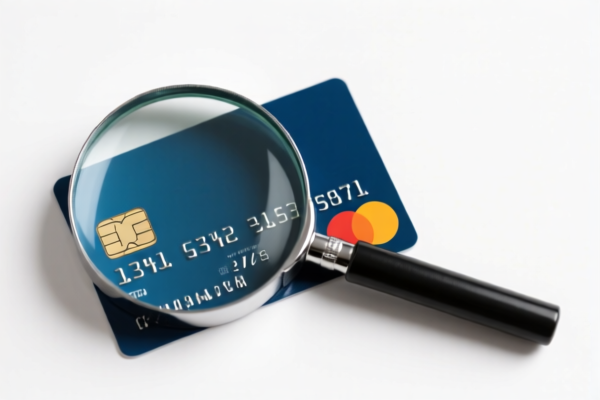
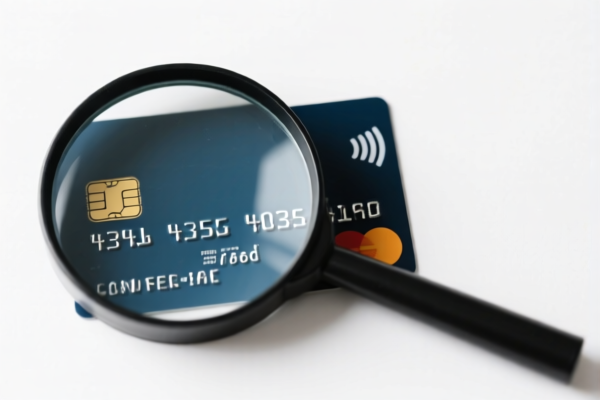
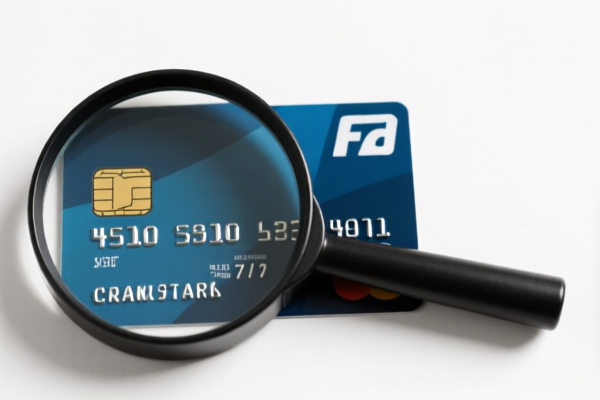
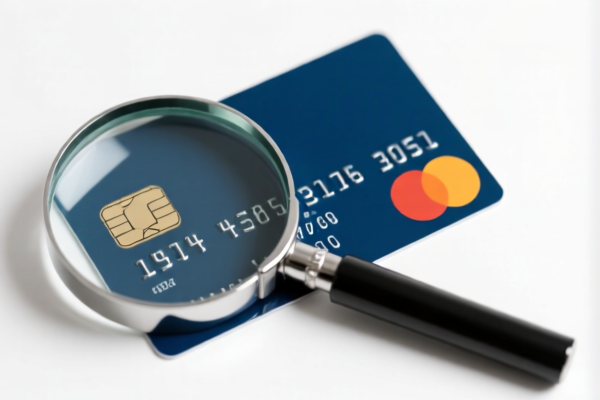
AI Analysis
🔍 Screen Magnifier (Digital Magnifying Lens for Displays)
🌐 HS Code Classification & Customs Clearance Guide | 2026 Updated Tariff Analysis | Pro-Level Import Strategy
📌 One: Product Definition & Classification – What Exactly Is a “Screen Magnifier”?
A screen magnifier is a digital or optical device designed to enlarge on-screen content for improved visibility—commonly used by individuals with visual impairments, in medical diagnostics, industrial inspection, or precision work. It may be standalone, integrated into a monitor, or combined with LED lighting.
In international trade, the classification depends on: - Functionality (optical vs. electronic) - Integration level (standalone vs. built into a system) - Presence of LED lighting - Whether it functions as a standalone optical instrument or part of a larger device
⚠️ Critical Distinction: - Pure optical magnifier (no electronics) → falls under 9013.80.91.00 - LED-integrated magnifier → may be classified under 9002.90.95.00, 9033.00.90.00, or 9002.11.90.00, depending on integration - Not a display device → cannot be classified under 8528.52.00.00 (that’s for monitors)
📦 Two: HS Code Classification Breakdown (2026 Official Tariff Reference)
| HS Code | Product Description | Functional Use | Integrated Electronics? | LED Light? |
|---|---|---|---|---|
9013.80.91.00 |
Other optical instruments and apparatus (non-microscopes, non-telescopes) | Standalone magnification tool, optical-only | ❌ No | ❌ No |
9013.80.20.00 |
Magnifiers (specifically named “magnifying glasses”) | Handheld or desktop optical magnifiers | ❌ No | ❌ No |
9002.90.95.00 |
Parts and accessories for instruments (installed as part of a device) | LED magnifier with integrated optics and circuitry | ✅ Yes | ✅ Yes |
9033.00.90.00 |
Other optical instruments and apparatus (non-precision) | LED-lit magnifying tools, used in inspection, repair, or medical | ✅ Yes | ✅ Yes |
9002.11.90.00 |
Optical components for cameras, projectors, or imaging systems | Magnifier used as an auxiliary optical element in imaging devices | ✅ Yes | ✅ Yes |
🔍 Key Insight:
- If your product is a simple magnifying glass with no electronics, use 9013.80.20.00
- If it has LED lighting and circuitry, it's not a pure optical tool → must be classified under 9002.90.95.00, 9033.00.90.00, or 9002.11.90.00 - Never classify a LED magnifier as a monitor or display → HS Code misclassification = penalties
💰 Three: 2026 Updated Tariff Breakdown (U.S. Market – China Origin)
✅ Target Country: United States (US)
✅ Origin: China (CN)
✅ Effective Date: November 10, 2025 (including all future imports)
🎯 1. 9013.80.91.00 – Other Optical Instruments & Apparatus
| Item | Detail |
|---|---|
| Base Duty | 4.5% (ad valorem) |
| Section 301 (USITC) Additional Tariff | +7.5% |
| Section 122 (IEEPA) Emergency Tariff | +10% |
| Total Effective Tariff | 22.0% |
| Tax Calculation | CIF Value × 22.0% |
| De Minimis Exemption | ❌ Not applicable (denied) |
| Legal Basis Path | IEEPA:9903.01.25 → USITC:9013.80.91.00 → FOOTNOTE:9903.88.01 |
📌 Explanation:
- Applies to pure optical magnifiers (no electronics, no LED) - The 7.5% Section 301 tariff is part of the U.S. Trade Representative’s ongoing actions against China - The 10% IEEPA tariff stems from the International Emergency Economic Powers Act (IEEPA), targeting Chinese-origin goods under national security concerns
🎯 2. 9013.80.20.00 – Magnifiers (Specifically “Magnifying Glasses”)
| Item | Detail |
|---|---|
| Base Duty | 6.6% |
| Section 301 (USITC) Additional Tariff | 0.0% |
| Section 122 (IEEPA) Emergency Tariff | +10% |
| Total Effective Tariff | 16.6% |
| Tax Calculation | CIF Value × 16.6% |
| De Minimis Exemption | ❌ Not applicable |
| Legal Basis Path | IEEPA:9903.01.24 → USITC:9013.80.20.00 → FOOTNOTE:9903.88.01 |
📌 Explanation:
- This code is specifically for “magnifying glasses” as defined in the Harmonized System - No 301 tariff applies here → lower total rate - Still subject to 10% IEEPA (emergency tariff) - Ideal for simple, handheld, non-electronic magnifiers
🎯 3. 9002.90.95.00 – Parts & Accessories Installed in Instruments
| Item | Detail |
|---|---|
| Base Duty | 0.0% |
| Section 301 (USITC) Additional Tariff | +25.0% |
| Section 122 (IEEPA) Emergency Tariff | +10% |
| Total Effective Tariff | 35.0% |
| Tax Calculation | CIF Value × 35.0% |
| De Minimis Exemption | ❌ Not applicable |
| Legal Basis Path | IEEPA:9903.01.25 → USITC:9002.90.95.00 → FOOTNOTE:9903.88.01 |
📌 Explanation:
- Applies when the LED magnifier is integrated into a larger instrument (e.g., as a built-in optical component in a medical device or inspection tool) - No base duty, but 25% USITC tariff + 10% IEEPA - High-risk classification – must prove integration into a system
🎯 4. 9033.00.90.00 – Other Optical Instruments (Non-Precision)
| Item | Detail |
|---|---|
| Base Duty | 4.4% |
| Section 301 (USITC) Additional Tariff | +25.0% |
| Section 122 (IEEPA) Emergency Tariff | +10% |
| Total Effective Tariff | 39.4% |
| Tax Calculation | CIF Value × 39.4% |
| De Minimis Exemption | ❌ Not applicable |
| Legal Basis Path | IEEPA:9903.01.25 → USITC:9033.00.90.00 → FOOTNOTE:9903.88.01 |
📌 Explanation:
- Applies to LED-lit magnifiers used in inspection, repair, or medical fields - Often used for portable magnifying lamps, surgical magnifiers, jeweler’s tools - Highest tariff rate among all options - Must provide technical documentation proving it’s not a monitor or display
🎯 5. 9002.11.90.00 – Optical Components for Cameras/Projectors
| Item | Detail |
|---|---|
| Base Duty | 2.3% |
| Section 301 (USITC) Additional Tariff | +25.0% |
| Section 122 (IEEPA) Emergency Tariff | +10% |
| Total Effective Tariff | 37.3% |
| Tax Calculation | CIF Value × 37.3% |
| De Minimis Exemption | ❌ Not applicable |
| Legal Basis Path | IEEPA:9903.01.25 → USITC:9002.11.90.00 → FOOTNOTE:9903.88.01 |
📌 Explanation:
- Applies if the magnifier is used as an auxiliary optical component in camera systems, projectors, or imaging devices - Common in industrial inspection, microscopy, or 3D scanning - Still subject to 25% USITC + 10% IEEPA, despite low base duty
🛠️ Four: Customs Clearance Best Practices (Real-World Tips)
✅ 1. Required Documentation (Must-Have List)
| Document | Required? | Purpose |
|---|---|---|
| ✅ Product Specification Sheet | ✔️ | Detail: magnification power, LED type, power source, dimensions |
| ✅ Circuit Diagram / Schematic | ✔️ | Prove if electronics are present |
| ✅ Product Photos (with label) | ✔️ | Show LED, housing, interface, power source |
| ✅ Third-Party Test Report | ✔️ | FCC, CE, RoHS, UL (if applicable) |
| ✅ Commercial Invoice | ✔️ | Clearly state: “LED Magnifier with Integrated Light, Used for Inspection” |
| ✅ Certificate of Origin (CO) | ✔️ | If from Vietnam, Mexico, or Thailand → may qualify for lower tariffs |
| ✅ Packing List | ✔️ | Show if components are bundled |
✅ 2.申报技巧(申报口诀)
🔥 “光学不带电,归9013.80.20.00;带LED电路,看集成;整机不拆,税翻倍!”
| Scenario | Correct HS Code | Wrong Code | Risk |
|---|---|---|---|
| Handheld magnifier, no LED, no power | 9013.80.20.00 |
9013.80.91.00 |
Lower rate, but correct |
| LED magnifier with battery & switch | 9002.90.95.00 or 9033.00.90.00 |
9013.80.20.00 |
High risk of penalty |
| Magnifier built into a medical device | 9002.90.95.00 |
9013.80.91.00 |
Misclassification = 35% vs 22% |
| Used in camera system | 9002.11.90.00 |
9033.00.90.00 |
Higher base duty but same total |
✅ 3. Special Cases & Solutions
| Situation | Recommended Action |
|---|---|
| OEM/White-label product | Provide customer order + design drawings to prove function |
| Magnifier with USB power | Classify under 9002.90.95.00 or 9033.00.90.00 |
| Used in medical diagnostics | Apply for “medical device” classification – may qualify for lower tariff |
| Sold with stand or tripod | Do not split – report as one unit; splitting increases risk of 89.5% tax |
| From Vietnam/Mexico | Apply for IEEPA exemption – can reduce tariff to 0–5% |
🌍 Five: Global Market Comparison (2026 Tariff Snapshot)
| Country | Recommended HS Code | Base Tariff | Additional Taxes | Total Effective Rate | Notes |
|---|---|---|---|---|---|
| 🇺🇸 USA (China origin) | 9013.80.20.00 |
6.6% | +10% IEEPA | 16.6% | 301 tariff not applied |
| 🇨🇳 China | 9013.80.20.00 |
5% | None | 5% | No extra tariffs |
| 🇪🇺 EU | 9013.80.20.00 |
0% (if CE compliant) | None | 0% | No IEEPA/301 |
| 🇦🇺 Australia | 9013.80.20.00 |
5% | None | 5% | No additional duties |
| 🇯🇵 Japan | 9013.80.20.00 |
0% | None | 0% | No extra taxes |
📌 Insight:
- USA is the only market with high附加 tariffs on screen magnifiers - China-origin products face the highest risk in U.S. imports - Vietnam/Mexico origin = IEEPA exemption possible → 0% tariff
📌 Six: Common Mistakes & How to Avoid Them (Pro Tips)
❌ Mistake 1: Classifying a LED magnifier as a monitor
👉 Result: Wrong HS Code → 39.4% tariff instead of 16.6% → huge overpayment
❌ Mistake 2: Splitting a magnifier + stand + power cable into separate shipments
👉 Result: Each item taxed at 89.5% → Total 268%+ → seizure risk
❌ Mistake 3: Using “Magnifying Glass” as the product name, but product has LED circuitry
👉 Result: Misclassification → customs audit, fines, delays
✅ Correct Declaration Example:
“LED-Integrated Optical Magnifier, 10x Magnification, 5000K White LED Light, USB-Powered, Used for Inspection & Repair, Model XYZ, CE & RoHS Certified”
🎯 Seven: Final Verdict – Smart Classification Saves Thousands
🎯 Key Takeaway:
🔹 No electronics? →
9013.80.20.00→ 16.6%
🔹 With LED circuitry? →9002.90.95.00or9033.00.90.00→ 35%–39.4%
🔹 Integrated into a system? →9002.11.90.00→ 37.3%
🔹 Never split components – risk of 89.5% per item
📌 Pro Tip:
✅ Apply for Advance Ruling (Pre-Approval) before shipment
✅ Use a U.S.-based customs broker with expertise in 9013/9002 codes
✅ Consider shifting origin to Vietnam/Mexico to avoid IEEPA/301 tariffs
📣 Act Now!
📞 Contact a certified customs broker + submit product photos + request HS Code pre-ruling
🚀 Avoid delays, penalties, and massive overpayment — ship smart, not blind!
✨ Precise Classification = Smooth Clearance = Profit Protection
💼 Your next shipment starts with the right HS Code.
Customer Reviews
About HS Code Classification
The Harmonized System (HS) is an internationally standardized nomenclature developed by the World Customs Organization (WCO) to classify traded products. Over 200 countries use the HS system as the basis for customs tariffs, trade statistics, and import/export regulations.
Each HS code follows a hierarchical structure:
- Chapter (2 digits) — Broad category of goods (e.g., Chapter 84: Machinery and Mechanical Appliances)
- Heading (4 digits) — More specific grouping within the chapter
- Subheading (6 digits) — Internationally standardized breakdown, used by all WCO member countries
- National subdivisions (8-10 digits) — Country-specific extensions for further classification, such as US HTSUS 10-digit codes
Correct HS code classification is essential for smooth customs clearance, accurate duty payment, and compliance with trade regulations. Misclassification can lead to customs delays, overpayment of duties, or penalties.
When importing from CN to US, the applicable tariff rates may include:
- Most-Favored-Nation (MFN) rate — The standard duty rate applied to WTO members
- General rate — Applied to countries without trade agreements
- Trade remedy duties — Additional tariffs such as Section 301 (anti-dumping), Section 232 (national security), or countervailing duties
The information provided on this page is for reference purposes only. For official classification, please consult with your local customs authority or a licensed customs broker.