Screwdriver
CN → US| HS Code | Tariff Rate | Origin | Destination | Doc |
|---|---|---|---|---|
| 8205400000 | 41.2% | CN | US | Official Doc |
| 7326908688 | 87.9% | CN | US | Official Doc |
| 7326190080 | 87.9% | CN | US | Official Doc |
| 8205595560 | 40.3% | CN | US | Official Doc |
| 8205906000 | 0.0% | CN | US | Official Doc |
Product Images
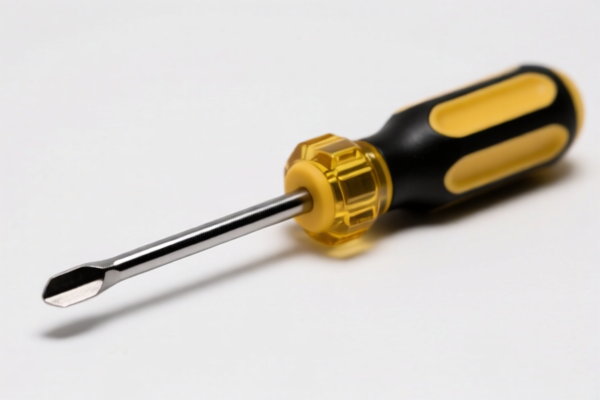
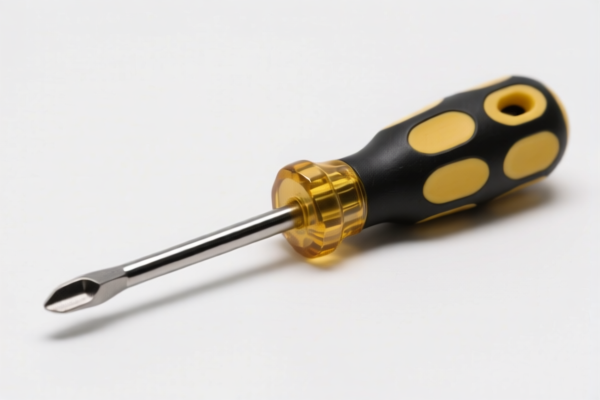
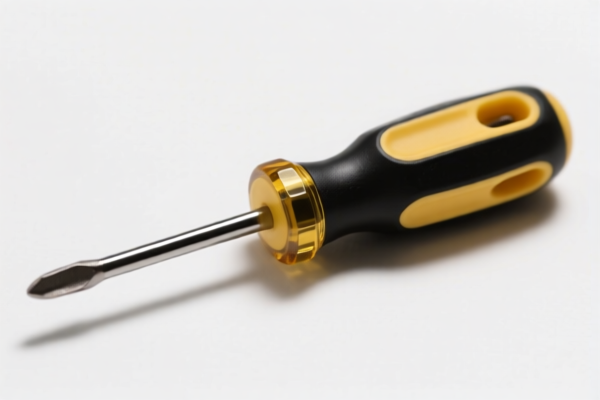
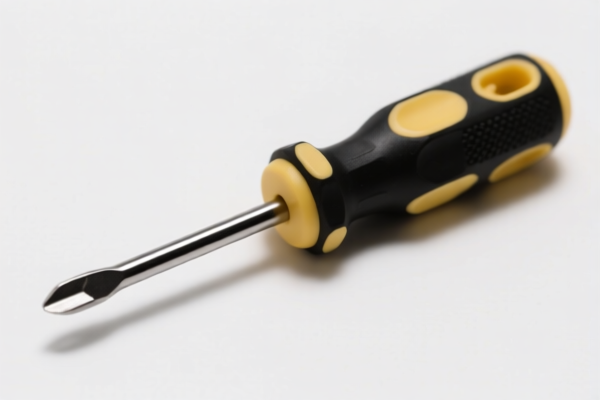
AI Analysis
🔧 Screwdrivers (Hand Tools: Screwdrivers)
🌐 HS Code Reference & Customs Clearance Guide | 2026 Latest Tariff Analysis | Professional Clearance Strategy
📌 I. Product Definition & Classification: Are You Sure About "Screwdriver"?
Screwdrivers are fundamental hand tools used for driving screws. In international trade, their classification depends heavily on material composition, packaging format (set vs. single), and specific construction. Misclassification can lead to massive tariff discrepancies (from ~40% to nearly 90%) due to US trade policy surcharges.
Key Distinctions: 1. Precision/General Hand Tools (Chapter 82): Typically apply to tools made of base metal but not specifically classified as "iron/steel articles" in Chapter 73, or specific subsets like precision screwdrivers. 2. Iron/Steel Articles (Chapter 73): Many common steel screwdrivers fall here because they are classified as "articles of iron or steel" rather than "hand tools of heading 82.05" depending on specific manufacturing specs and customs rulings. 3. Sets vs. Individual: Sets are often taxed based on the component with the highest duty rate, or specific set rules apply.
⚠️ Critical Warning:
- Chapter 82 (8205) generally carries lower base duties but is subject to Section 301 and 122 tariffs.
- Chapter 73 (7326/7329) often attracts higher base duties PLUS an additional 50% surcharge on steel, aluminum, and copper products under specific trade acts, leading to total rates near 88%.
- Do NOT assume all screwdrivers are equal. The material (Iron/Steel vs. Other) dictates the HS Code.
📦 II. HS Code Classification Details (2026 Latest Tariff Authority Comparison)
Based on the provided data, here are the applicable HS Codes and their specific tax implications:
| HS Code | Product Description | Summary from Data | Applicable Duty Rate | Key Tax Components |
|---|---|---|---|---|
| 8205.40.00.00 | Metal Screwdrivers or Screwdriver Sets | Classified under Hand Tools | 41.2% | Base: 6.2% + Sec 301: 25% + Sec 122: 10% |
| 7326.90.86.88 | Iron Metal Screwdrivers | Classified as Other Iron/Steel Articles | 87.9% | Base: 2.9% + Sec 301: 25% + Sec 122: 10% + Steel Surcharge: 50% |
| 7326.19.00.80 | Metal Screwdrivers (Iron/Steel) | Classified as Other Iron/Steel Articles | 87.9% | Base: 2.9% + Sec 301: 25% + Sec 122: 10% + Steel Surcharge: 50% |
| 8205.59.55.60 | Iron or Steel Screwdrivers | Classified as Other Hand Tools | 40.3% | Base: 5.3% + Sec 301: 25% + Sec 122: 10% |
| 8205.90.60.00 | Screwdriver Sets | Classified as Sets of Hand Tools | Total: Rate of Set + 35% | Base: Applicable to set components + Sec 301: 25% + Sec 122: 10% |
🔍 Analysis of Discrepancy:
- 8205 Codes (Hand Tools): Total tax ranges from 40.3% to 41.2%. These are generally more favorable for standard steel screwdrivers.
- 7326 Codes (Iron/Steel Articles): Total tax hits 87.9%. This is because, in addition to standard Section 301 (25%) and 122 (10%) tariffs, there is an additional 50% surcharge on steel products.
- Why the difference? Customs may classify a simple steel screwdriver as an "article of iron/steel" (Ch 73) if it doesn't meet specific "hand tool" manufacturing standards under Ch 82, or if specific rulings apply. Always verify with a customs broker.
💰 III. 2026 Latest Tariff Rate Breakdown (Including Surcharges)
✅ Applicable Country: United States (US)
✅ Origin: China (CN)
✅ Effective Date: Current trade policies (Section 301, 122, etc.)
🎯 1. 8205.40.00.00 – Metal Screwdrivers or Sets (Hand Tools Category)
| Item | Details |
|---|---|
| Base Duty | 6.2% |
| Section 301 Surcharge | 25.0% |
| Section 122 Surcharge | 10.0% |
| Total Effective Rate | 41.2% |
| Steel/Aluminum/Copper Surcharge | ❌ Not Applied (Not classified under Ch 73 steel surcharge provisions) |
📌 Explanation:
This classification treats the item as a standard hand tool. The total burden is significant but significantly lower than the Ch 73 classification.
🎯 2. 7326.90.86.88 & 7326.19.00.80 – Iron/Steel Screwdrivers (Iron/Steel Articles Category)
| Item | Details |
|---|---|
| Base Duty | 2.9% |
| Section 301 Surcharge | 25.0% |
| Section 122 Surcharge | 10.0% |
| Steel/Al/Cu Product Surcharge | 50.0% (Critical Addition!) |
| Total Effective Rate | 87.9% |
| Calculation | Cumulative on CIF Value |
📌 Explanation:
- The 50% surcharge is the killer here. It applies to "Steel, Aluminum, and Copper Products" under specific trade enforcement actions.
- Even though the base duty is low (2.9%), the addition of 25% + 10% + 50% results in a near-doubling of the product cost.
- This applies to7326.19.00.80(Other Iron/Steel Articles) and7326.90.86.88(Other Articles).
🎯 3. 8205.59.55.60 – Iron or Steel Screwdrivers (Other Hand Tools)
| Item | Details |
|---|---|
| Base Duty | 5.3% |
| Section 301 Surcharge | 25.0% |
| Section 122 Surcharge | 10.0% |
| Total Effective Rate | 40.3% |
📌 Explanation:
This is a "middle ground" classification. It is still under Chapter 82 (Hand Tools), so it avoids the punitive 50% steel surcharge, keeping the total rate under 41%.
🎯 4. 8205.90.60.00 – Screwdriver Sets
| Item | Details |
|---|---|
| Base Duty | Rate applicable to the component in the set |
| Section 301 Surcharge | 25.0% |
| Section 122 Surcharge | 10.0% |
| Total Effective Rate | Applicable Rate + 35% |
📌 Explanation:
- Sets are taxed based on the "chief component" or the most taxed item within the set.
- If the set contains items classified under Ch 73 (87.9% rate), the whole set may inherit that high rate.
- If it contains only Ch 82 items (41.2% rate), the set rate will be lower.
- Rule of Thumb: The 35% addition (25% Sec 301 + 10% Sec 122) is applied on top of the underlying base rate.
🛠️ IV. Customs Clearance Practical Advice (Pitfall Avoidance Guide)
✅ 1. Preparation Checklist (Mandatory)
| Document | Required? | Purpose |
|---|---|---|
| Product Specification Sheet | ✅ Yes | Must detail: Material (e.g., "Chrome Vanadium Steel"), Type (Phillips, Flathead), Handle Material. |
| High-Resolution Photos | ✅ Yes | Show the tool clearly. Differentiate between "Hand Tool" (Ch 82) and generic "Steel Article" (Ch 73). |
| Commercial Invoice | ✅ Yes | Clearly state "Screwdriver" or "Screwdriver Set". Avoid vague terms like "Hardware". |
| Packing List | ✅ Yes | Specify if items are sold individually or as a "Set". Sets have different valuation rules. |
| Material Certification | ✅ Yes | Proof of material composition (e.g., "Carbon Steel" vs. "Alloy Steel") to argue for Ch 82 if possible. |
✅ 2. Declaration Strategy (Key Mantra)
🔥 "Material Matters, Set vs. Single, Chapter 82 Saves Money!"
| Scenario | Recommended HS Code | Risk of Wrong Classification |
|---|---|---|
| Single Steel Screwdriver | 8205.59.55.60 or 8205.40.00.00 | ⚠️ If misclassified as 7326..., you pay 87.9% instead of ~41%. Huge savings if correct! |
| Screwdriver Set | 8205.90.60.00 | ⚠️ If components include Ch 73 items, tax rate increases. Break down components if possible. |
| Precision Screwdriver (Electronics) | 8205.40.00.00 | Ensure it's not classified as a "general article" (Ch 73). |
| Raw Steel Shaft (No Handle) | 7326... | Likely classified as an unfinished article of iron/steel. |
📌 Key Tip:
- Argue for Chapter 82 (Hand Tools). The difference between ~41% and ~88% is massive.
- To qualify for Ch 82, ensure the product is finished and intended for hand operation as a tool, not just a "metal article".
- Provide clear technical data showing it meets the definition of a "hand tool" under HTSUS Chapter 82.
✅ 3. Special Cases
| Case | Handling Advice |
|---|---|
| OEM/Private Label | Ensure invoice lists both manufacturer and brand. Mislabeling can cause delays. |
| Mixed Sets | If a set contains a screwdriver (Ch 82) and a wrench (Ch 82), use 8205.90.60.00. If it contains a Ch 73 item, the whole set may be taxed at the highest rate. |
| Plastic/Handle-only | If only the handle is imported, it may fall under 3926 or 5903, not Ch 82/73. |
🌍 V. Global Market Comparison (2026)
| Country/Region | Recommended HS Code | Estimated Duty (China Origin) | Notes |
|---|---|---|---|
| 🇺🇸 USA | 8205.59.55.60 |
~40.3% | Avoid 7326 (87.9%) if possible. High tariffs due to Sec 301 & 122. |
| 🇨🇳 China | 8205.59.55.60 |
~6-10% | Lower import duties. No Section 301. |
| 🇪🇺 EU | 8205.59.55.60 |
~4-6% | No additional surcharges like US Sec 301. |
| 🇯🇵 Japan | 8205.59.55.60 |
~5-8% | Generally favorable for hand tools. |
📌 Conclusion:
- The US market is the most expensive for Chinese-made screwdrivers due to layered tariffs.
- Correct HS Code selection is critical. A 50% differential exists between Chapter 82 and Chapter 73 classifications.
- Recommendation: Always aim for HS Code 8205.x and provide evidence that the product is a "hand tool" to avoid the punitive 50% steel surcharge.
📌 VI. Common Mistakes & Pitfalls (Lessons Learned)
❌ Mistake 1: Classifying all steel screwdrivers as 7326... (Iron/Steel Articles)
👉 Result: Paying 87.9% tax instead of ~41%.
💡 Fix: Argue that the product is a "finished hand tool" under Chapter 82.
❌ Mistake 2: Declaring "Screwdriver Set" without listing components
👉 Result: Customs may assign the highest rate of any component. If one item is Ch 73, the whole set pays Ch 73 rates.
💡 Fix: Clearly itemize contents. Ensure all components are Ch 82 if possible.
❌ Mistake 3: Ignoring Section 122 and Section 301
👉 Result: Underestimating landed cost by ~35%.
💡 Fix: Always include 25% (Sec 301) + 10% (Sec 122) in cost calculations for US imports.
🎯 VII. Conclusion: Precision in Classification Saves Money!
🎯 Remember the Mantra:
🔹 "Chapter 82 is King for Screwdrivers!"
🔹 "Avoid Chapter 73 Steel Surcharge (50%)!"
🔹 "Total Tax: ~41% (Ch 82) vs. ~88% (Ch 73)!"
📌 Pro Tip:
If you are exporting to the US, request a Binding Tariff Ruling (BTR) from US Customs and Border Protection (CBP) before shipping. This legally binds CBP to your classification and protects you from surprise 88% tariffs.
📣 Immediate Action:
📞 Contact a Customs Broker: Ask them specifically: "Can we classify this steel screwdriver under 8205.59.55.60 to avoid the 50% steel surcharge?"
📝 Prepare Evidence: Have product specs and photos ready to prove it's a "hand tool," not just an "iron article."
✨ Professional clearance starts with precise classification!
💼 Don't let a 50% surcharge eat your profit margin!
Customer Reviews
About HS Code Classification
The Harmonized System (HS) is an internationally standardized nomenclature developed by the World Customs Organization (WCO) to classify traded products. Over 200 countries use the HS system as the basis for customs tariffs, trade statistics, and import/export regulations.
Each HS code follows a hierarchical structure:
- Chapter (2 digits) — Broad category of goods (e.g., Chapter 84: Machinery and Mechanical Appliances)
- Heading (4 digits) — More specific grouping within the chapter
- Subheading (6 digits) — Internationally standardized breakdown, used by all WCO member countries
- National subdivisions (8-10 digits) — Country-specific extensions for further classification, such as US HTSUS 10-digit codes
Correct HS code classification is essential for smooth customs clearance, accurate duty payment, and compliance with trade regulations. Misclassification can lead to customs delays, overpayment of duties, or penalties.
When importing from CN to US, the applicable tariff rates may include:
- Most-Favored-Nation (MFN) rate — The standard duty rate applied to WTO members
- General rate — Applied to countries without trade agreements
- Trade remedy duties — Additional tariffs such as Section 301 (anti-dumping), Section 232 (national security), or countervailing duties
The information provided on this page is for reference purposes only. For official classification, please consult with your local customs authority or a licensed customs broker.