Sculpting Moulding Kit
CN → US| HS Code | Tariff Rate | Origin | Destination | Doc |
|---|---|---|---|---|
| 7326908688 | 87.9% | CN | US | Official Doc |
| 8480600090 | 17.5% | CN | US | Official Doc |
| 8480799090 | 38.1% | CN | US | Official Doc |
| 7326190080 | 87.9% | CN | US | Official Doc |
| 3926400090 | 15.3% | CN | US | Official Doc |
Product Images
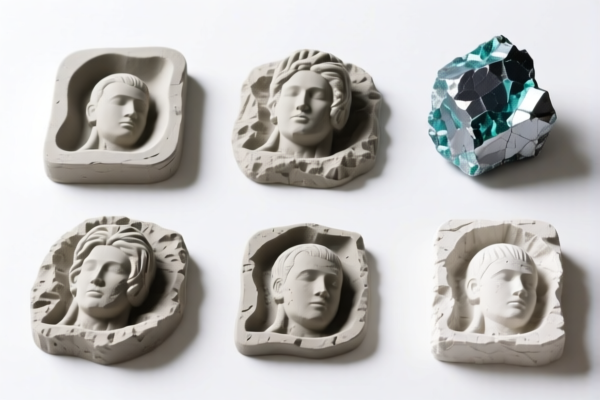
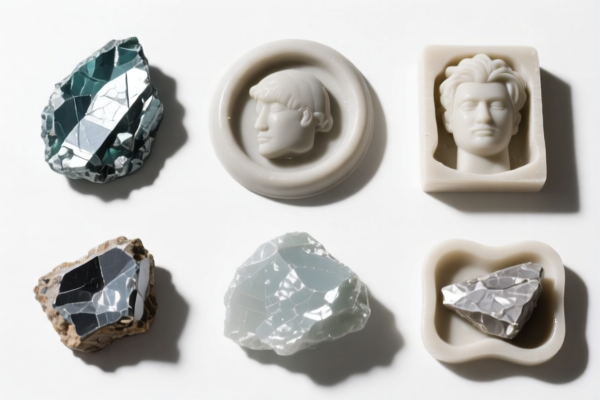
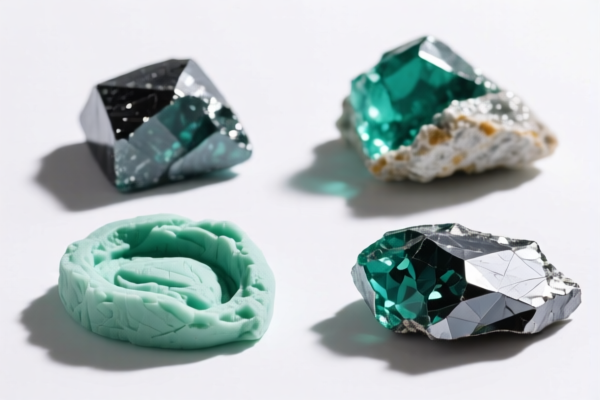
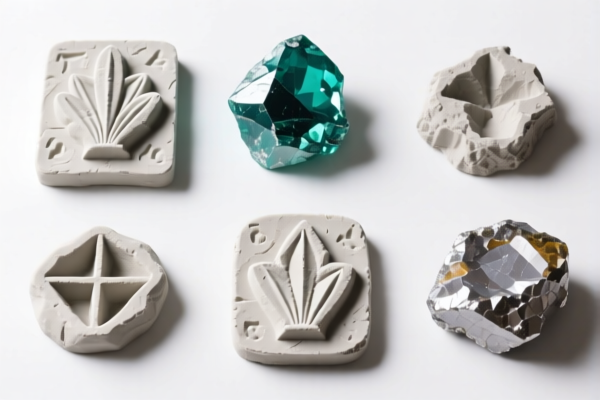
AI Analysis
🎨 Sculpting Moulding Kit (模具套装/雕塑模具)
🌐 HS Code Reference & Customs Clearance Guide | 2026 Latest Tariff Analysis | Professional Clearance Strategy
📌 I. Product Definition & Classification: What is a "Sculpting Moulding Kit"?
A Sculpting Moulding Kit is generally categorized as a manufacturing tool or an artistic supply. In international trade, its classification heavily depends on the primary material (metal, plastic, or rubber) and its specific function. Based on common sense and typical industry standards, these kits can fall into several conflicting categories, leading to vastly different tariff rates.
⚠️ Key Distinction Point:
- If the moulds are primarily Metal (Iron/Steel) → Classified as "Articles of Iron or Steel"
- If the moulds are primarily Plastic → Classified as "Articles of Plastic" or "Plastic Moulds"
- If the moulds are Rubber → Classified as "Other Moulds"
- The material dictates the HS Code, which dictates the Tax Rate!
📦 II. HS Code Classification Details (2026 Latest Tariff Authority Comparison)
| HS Code | Product Description | Basis for Classification | Primary Material Inference |
|---|---|---|---|
7326.90.86.88 |
Other articles of iron or steel (General metal articles) | Based on common sense, mould sets are often metal. Fits "Other" category for metal products. | Metal (Iron/Steel) |
8480.60.00.90 |
Moulds for metal (other than ingot moulds) | "Sculpture" implies artistic processing of minerals/metals/plastics. Fits the "Mould" form factor. | Metal/Composite |
8480.79.90.90 |
Other moulds (Other types) | Moulds for sculpture are often rubber or plastic. Fits the "Other" catch-all for non-standard moulds. | Rubber/Plastic |
7326.19.00.80 |
Other articles of iron or steel (Forged/Stamped) | Material inferred as steel. Shape belongs to unprocessed stamping/forging categories. | Steel |
3926.40.00.90 |
Statues and other ornamental articles of plastic | Via "Sculpture" match to "Statues/Ornaments". "Other" catch-all. Assumes plastic material. | Plastic |
🔍 Critical Reminder:
- Material Misclassification is the #1 Risk: If you declare a metal mould as3926.40.00.90(Plastic), customs will seize it or impose heavy penalties. - "Kit" Ambiguity: If the kit contains both moulds and clay/silicone, the primary function (the mould) usually drives the classification, but this must be declared clearly.
💰 III. 2026 Latest Tariff Rate Details (Including Surcharges & Policy Add-ons)
✅ Applicable Country: United States (US)
✅ Origin: China (CN)
✅ Effective Time: Current 2025-2026 Tariff Regime
🎯 1. 7326.90.86.88 & 7326.19.00.80 —— Articles of Iron or Steel
⚠️ HIGH RISK CATEGORY: Maximum Tax Burden
| Item | Content |
|---|---|
| Base Tariff | 2.9% (Ad Valorem) |
| Section 301 Surcharge | +25.0% |
| Section 232 Surcharge (Steel/Aluminum) | +50% |
| Total Tax Rate | 87.9% |
| Tax Calculation | CIF Value × 87.9% |
| De Minimis Exemption | ❌ NOT APPLICABLE (High tax rates void de minimis benefits for many carriers) |
| Legal Basis Path | USITC:7326.90.86.88 → FOOTNOTE:Section 232 + Section 301 |
📌 Explanation:
- Steel/Aluminum Tariff (50%): Under Section 232, steel articles imported from China face a 50% surcharge. This is the most punitive rate. - Section 301 Tariff (25%): An additional 25% applies to Chinese goods under trade action lists. - Result: Nearly 88% tax. This makes importing steel sculpting kits extremely costly.
🎯 2. 8480.60.00.90 —— Moulds for Metal (Other than Ingot Moulds)
📉 MEDIUM HIGHER TIER
| Item | Content |
|---|---|
| Base Tariff | 0.0% |
| Section 301 Surcharge | +7.5% |
| Total Tax Rate | 17.5% |
| Tax Calculation | CIF Value × 17.5% |
| De Minimis Exemption | ❌ NOT APPLICABLE (Section 301 goods are generally excluded from $800 de minimis exemption) |
| Legal Basis Path | USITC:8480.60.00.90 → Section 301: 17.5% |
📌 Note:
- While the base tariff is 0%, the 7.5% Section 301 surcharge still applies. - This classification is safer than steel articles but still incurs a significant surcharge compared to non-301 items.
🎯 3. 8480.79.90.90 —— Other Moulds (Rubber/Plastic)
📈 HIGH SURCHARGE DUE TO 301 LIST
| Item | Content |
|---|---|
| Base Tariff | 3.1% |
| Section 301 Surcharge | +25.0% |
| Total Tax Rate | 38.1% |
| Tax Calculation | CIF Value × 38.1% |
| De Minimis Exemption | ❌ NOT APPLICABLE |
| Legal Basis Path | USITC:8480.79.90.90 → Section 301: 25% |
📌 Explanation:
- Rubber/plastic moulds (8480.79) are subject to the 25% Section 301 surcharge. - 38.1% is a very high effective rate. This is the typical rate for "Other Moulds" from China.
🎯 4. 3926.40.00.90 —— Statues and Ornamental Articles of Plastic
💰 LOWEST TAX RATE OPTION (If Classified Correctly)
| Item | Content |
|---|---|
| Base Tariff | 5.3% |
| Section 301 Surcharge | 0.0% |
| Total Tax Rate | 15.3% |
| Tax Calculation | CIF Value × 15.3% |
| De Minimis Exemption | ❌ NOT APPLICABLE (Still subject to 15.3% tax) |
| Legal Basis Path | USITC:3926.40.00.90 |
📌 Strategic Insight:
- No 301 Surcharge!: This HS code (3926.40) is NOT on the Section 301 list (unlike8480or7326). - Only 15.3% Total Tax: This is significantly cheaper than8480(38.1%) or7326(87.9%). - Condition: The product must be definitively classified as "Ornamental Articles" (Statues/Decor) made of plastic, NOT as industrial "Moulds" (8480). If customs determines it is a mould used for production, they will force it into8480(38.1%). - Argument: If the kit is for home artistic use (creating statues) rather than industrial replication, argue it is an "Artistic Ornament Kit" rather than an industrial tool.
🛠️ IV. Customs Clearance Practical Advice (Battle-Tested Pitfall Guide)
✅ 1. Documentation Checklist (Essential)
| Document | Must Provide | Description |
|---|---|---|
| ✅ Product Composition Sheet | ✔️ | Detailed breakdown: % Metal, % Plastic, % Rubber. |
| ✅ Product Photos | ✔️ | Clear images of the mould material texture (shiny metal vs. matte plastic). |
| ✅ Usage Declaration | ✔️ | "For Home Artistic Use" vs. "For Industrial Mass Production". |
| ✅ Commercial Invoice | ✔️ | Describe as "Sculpting Art Set" or "Plastic Ornament Kit" if aiming for 3926. Avoid "Industrial Mould" if possible. |
| ✅ HS Code Pre-Ruling | ✔️ | Strongly recommended to lock in 3926.40.00.90 vs 8480.79.90.90. |
✅ 2. Declaration Strategy (Key Mantra)
🔥 "Material First, Usage Second, Name Matters, Tax Drops!"
| Scenario | Correct Declaration | Wrong Practice |
|---|---|---|
| Plastic Sculpting Kit | 3926.40.00.90 (Statues/Ornaments) |
Call it "Plastic Mould" → Goes to 8480 (38.1%) |
| Metal Sculpting Tools | 7326.90.86.88 |
Try to hide material → Seizure/Fraud |
| Rubber Moulds | 8480.79.90.90 |
Declare as Plastic → Misclassification Penalty |
| Mixed Kit | Split Declaration or Primary Function | Mixed bag → Customs will pick the highest tax rate |
✅ 3. Special Circumstances Handling
| Situation | Handling Advice |
|---|---|
| "Sculpting Kit" contains Clay + Mould | If the mould is the essential feature, classify by mould. If it's a "Set" for creating statues, 3926 is defensible. |
| OEM Custom Moulds | Must be declared as "Moulds for Production" → Goes to 8480 (High Tax). No 3926 benefit. |
| Samples for Evaluation | Ensure "Sample" value is under $800 (De Minimis) IF the HS code allows it. However, 301 surcharges often negate De Minimis. Check current CBP enforcement on 301 de minimis. |
| Plastic vs. Resin | Resin is often treated as Plastic. Ensure material data sheet says "Plastic/Polymer". |
🌍 V. Global Market Clearance Comparison (2026 Latest)
| Country/Region | Recommended HS Code | Tariff (CN Origin) | Certification | Notes |
|---|---|---|---|---|
| 🇺🇸 USA | 3926.40.00.90 |
15.3% | No special cert | Best option. Avoid 8480 (38.1%) and 7326 (87.9%). |
| 🇪🇺 EU | 8480.71 (Rubber) |
0% - 4.5% | CE (if electrical) | EU does not have Section 301. Lower taxes overall. |
| 🇨🇳 China | 8480.79 |
3% - 8% | CCC (if applicable) | Domestic production often cheaper. |
| 🇬🇧 UK | 8480.79 |
0% - 6% | UKCA | Post-Brexit rules apply. |
📌 Conclusion:
- The US is the most hostile market due to Section 301 and Section 232 tariffs. - Strategy: If the product is plastic and used for artistic/ornamental purposes, aggressively pursue classification under3926.40.00.90to save over 20% in taxes compared to8480. - Warning: Do not attempt to misdeclare metal as plastic. CBP uses X-rays and material testing.
📌 VI. Common Mistakes & Pitfall Guide (Blood & Tears Lessons)
❌ Mistake 1: Calling "Sculpting Moulds" "Plastic Moulds" and declaring 3926
👉 Consequence: Customs checks material. If it's plastic for moulding, it's 8480. Penalty + 38.1% Tax.
✅ Fix: Emphasize "Ornamental Statue Kit" if it includes finished or semi-finished artistic pieces, not just industrial tooling.
❌ Mistake 2: Ignoring the 50% Steel Tariff for metal kits
👉 Consequence: Unexpected 87.9% duty. Profit margin destroyed.
✅ Fix: If metal, calculate cost before shipping. Consider switching to plastic/resin moulds for the US market.
❌ Mistake 3: Assuming De Minimis ($800) applies to all kits
👉 Consequence: Even under $800, Section 301 (25%) and Section 232 (50%) apply. De Minimis exemption is often waived for these surcharges.
✅ Fix: Verify current CBP enforcement on "Trade Action List" goods under Section 321 (De Minimis).
❌ Mistake 4: Vague Description "Sculpting Kit"
👉 Consequence: Customs assigns highest possible rate (8480 or 7326) due to lack of detail.
✅ Fix: Detailed Description: "Artistic Sculpting Kit, Plastic Moulds for Home Use, Not for Industrial Production".
🎯 VII. Conclusion: Professional Declaration, Save Money, Ensure Clearance!
🎯 Remember the Mantra:
🔹 "Plastic Art? Use 3926. Tax 15.3%. Safe."
🔹 "Metal Mould? Use 7326. Tax 87.9%. Pain."
🔹 "Rubber/Plastic Tool? Use 8480. Tax 38.1%. Ouch."
🔹 "HS Code is King, Tariff Difference is Life!"
📌 Pro Tip:
For Plastic Sculpting Kits, ensure your invoice description highlights "Ornamental" or "Artistic" rather than "Manufacturing Tool". This supports the 3926.40.00.90 classification and avoids the 301 surcharge on moulds.
📣 Immediate Action:
📞 Contact a licensed customs broker.
📤 Provide material composition (MSDS/Spec Sheet).
🚀 Apply for an HS Code Advance Ruling if the volume is high.
💰 Optimize for3926if possible to save 22%+ vs8480!
✨ Professional Clearance Starts with Precise Classification!
💼 Every Cent of Tax is Calculated!
Customer Reviews
About HS Code Classification
The Harmonized System (HS) is an internationally standardized nomenclature developed by the World Customs Organization (WCO) to classify traded products. Over 200 countries use the HS system as the basis for customs tariffs, trade statistics, and import/export regulations.
Each HS code follows a hierarchical structure:
- Chapter (2 digits) — Broad category of goods (e.g., Chapter 84: Machinery and Mechanical Appliances)
- Heading (4 digits) — More specific grouping within the chapter
- Subheading (6 digits) — Internationally standardized breakdown, used by all WCO member countries
- National subdivisions (8-10 digits) — Country-specific extensions for further classification, such as US HTSUS 10-digit codes
Correct HS code classification is essential for smooth customs clearance, accurate duty payment, and compliance with trade regulations. Misclassification can lead to customs delays, overpayment of duties, or penalties.
When importing from CN to US, the applicable tariff rates may include:
- Most-Favored-Nation (MFN) rate — The standard duty rate applied to WTO members
- General rate — Applied to countries without trade agreements
- Trade remedy duties — Additional tariffs such as Section 301 (anti-dumping), Section 232 (national security), or countervailing duties
The information provided on this page is for reference purposes only. For official classification, please consult with your local customs authority or a licensed customs broker.