Seal Bag
CN → US| HS Code | Tariff Rate | Origin | Destination | Doc |
|---|---|---|---|---|
| 4202991000 | 38.4% | CN | US | Official Doc |
| 3926909989 | 22.8% | CN | US | Official Doc |
| 3923210011 | 38.0% | CN | US | Official Doc |
| 3923210020 | 38.0% | CN | US | Official Doc |
| 4202321000 | 0.0% | CN | US | Official Doc |
Product Images
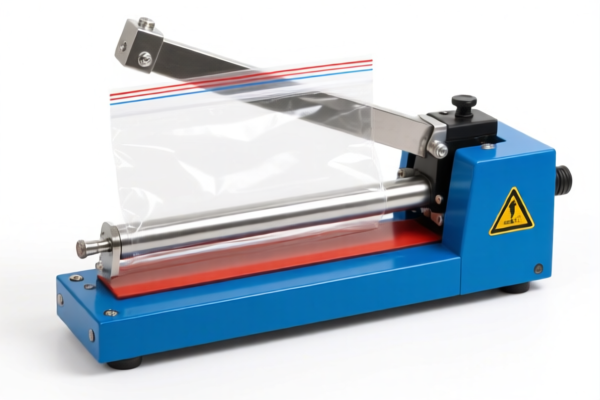
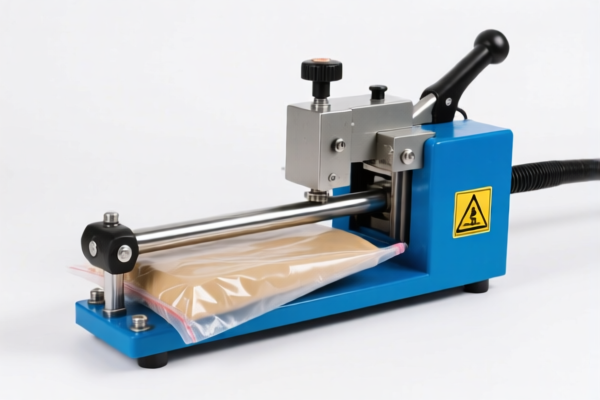
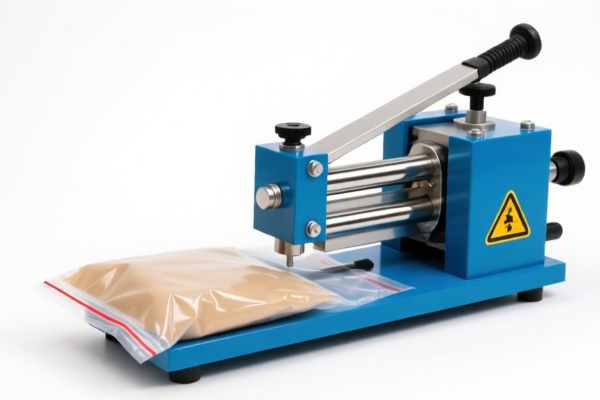
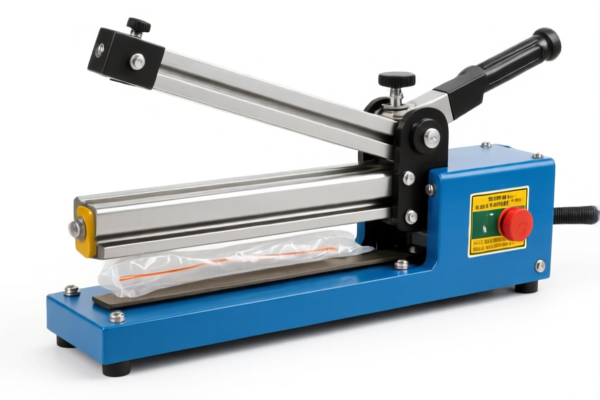
AI Analysis
📦 Seal Bags (Ziplock / Zipper Sealed Bags)
🌐 HS Code Reference & Customs Clearance Guide | 2026 Latest Tariff Analysis | Professional通关 Strategy
📌 I. Product Definition & Classification: Do You Really Understand "Seal Bags"?
Seal Bags, commonly known as Ziplock bags or zipper sealed bags, are flexible packaging containers used for storing, protecting, and organizing goods. In international trade, they are primarily classified based on their material composition and physical form. The two main categories are:
- Plastic Bags (Polyethylene/Polymer based): Classified under Chapter 39 (Articles of Plastics). This is the most common classification for standard household, food, or industrial storage bags.
- Articles of Leather/Synthetic Leather (Containers): Classified under Chapter 42 (Articles of Leather; Saddle Harness). This applies if the bag is considered a "container" or "article" rather than simple plastic film, often involving specific structural features or material layering.
⚠️ Key Distinction Point:
- If the bag is made of simple plastic films (PE/PP) with a zipper mechanism → Chapter 39 (e.g., 3923.21)
- If the bag is treated as a finished "container" article, possibly with reinforced edges or specific synthetic material structures not merely defined as film → Chapter 42 (e.g., 4202.99)
- Note: The presence of a "zipper" alone does not dictate Chapter 42; the material and function are the primary drivers. Most standard plastic seal bags fall under Chapter 39, but misclassification under Chapter 42 occurs when the bag is viewed as a "portable container."
📦 II. HS Code Classification Details (2026 Latest Tariff Authority Comparison)
| HS Code | Product Description | Application Scenario | Material/Form |
|---|---|---|---|
4202.99.10.00 |
Other containers of plastic or other materials; Seal Bag as a container | General storage, treated as a "container" article | Plastic/Synthetic |
3926.90.99.89 |
Other articles of plastics; Seal Bag as a plastic article | General plastic制品, no specific sub-heading for bags | Plastic |
3923.21.00.11 |
Sacks and bags, incl. cones, of polyethylene; Seal Bag (Specific Sub-item) | Standard PE seal bags, specific regulatory sub-class | Polyethylene (PE) |
3923.21.00.20 |
Sacks and bags, incl. cones, of polyethylene; Seal Bag (Reusable/Closable) | Reusable polyethylene bags, focused on packaging function | Polyethylene (PE) |
4202.32.10.00 |
Articles of plastics, layered plastics, or sheeting of plastics; Portable Containers | Small portable containers, often with structural integrity beyond simple film | Layered Plastic/Synthetic |
🔍 Critical Reminder:
- Chapter 39 (3923.21) is generally the most accurate for standard plastic seal bags made of polyethylene.
- Chapter 42 (4202.99/4202.32) is riskier and often leads to higher tariffs or additional scrutiny, as it implies a more complex "article of leather/synthetic" or "container" structure.
- 3926.90.99.89 is a catch-all for plastic articles not specified elsewhere, often used when specific bag sub-headings (like 3923.21) don't perfectly match the product description.
💰 III. 2026 Latest Tariff Rate Breakdown (Including Surtaxes & Policy Add-ons)
✅ Applicable Country: United States (US)
✅ Origin: China (CN)
✅ Effective Time: 2025/2026 Tariff Period
🎯 1. 4202.99.10.00 —— Other Containers (Plastic/Synthetic)
| Item | Details |
|---|---|
| Base Tariff | 3.4% |
| Section 301 Surtax | +25.0% |
| Section 122 Tariff | +10.0% |
| Total Rate | 38.4% |
| Calculation Basis | CIF Value × 38.4% |
| De Minimis Eligibility | ❌ No (Denied) |
| Legal Path | Base Tariff → Section 301 → Section 122 |
📌 Explanation:
- This classification treats the seal bag as a general "container" under Chapter 42.
- The 38.4% rate is extremely high, driven by both Section 301 (25%) and Section 122 (10%) tariffs.
- Warning: Misclassifying a simple plastic bag as a "container" under Ch. 42 can result in significantly higher costs than necessary.
🎯 2. 3926.90.99.89 —— Other Plastic Articles
| Item | Details |
|---|---|
| Base Tariff | 5.3% |
| Section 301 Surtax | +7.5% |
| Section 122 Tariff | +10.0% |
| Total Rate | 22.8% |
| Calculation Basis | CIF Value × 22.8% |
| De Minimis Eligibility | ❌ No (Denied) |
| Legal Path | Base Tariff → Section 301 (lower rate) → Section 122 |
📌 Explanation:
- This is a "catch-all" for plastic articles.
- The Section 301 rate is lower (7.5%) compared to other classifications, making the total tariff 22.8%.
- This may be a viable option if the product doesn't fit neatly into 3923.21, but it requires careful justification as a "plastic article" rather than a "bag."
🎯 3. 3923.21.00.11 & 3923.21.00.20 —— Polyethylene Sacks and Bags
| Item | Details |
|---|---|
| Base Tariff | 3.0% |
| Section 301 Surtax | +25.0% |
| Section 122 Tariff | +10.0% |
| Total Rate | 38.0% |
| Calculation Basis | CIF Value × 38.0% |
| De Minimis Eligibility | ❌ No (Denied) |
| Legal Path | Base Tariff → Section 301 → Section 122 |
📌 Explanation:
- These codes are specific for Polyethylene (PE) bags.
- Despite being the most technically accurate for PE bags, the Section 301 surtax is high (25%), leading to a total rate of 38.0%.
- Crucial: If your seal bags are made of materials other than pure polyethylene (e.g., PVC, PP, or mixed layers), these codes may not apply, risking misdeclaration.
🎯 4. 4202.32.10.00 —— Portable Containers (Plastic Layered)
| Item | Details |
|---|---|
| Base Tariff | $0.121/kg + 4.6% |
| Section 301 Surtax | +25.0% |
| Section 122 Tariff | +10.0% |
| Total Rate | $0.121/kg + 4.6% + 35.0% (Note: 25%+10%叠加) |
| Calculation Basis | (CIF Value × 4.6%) + (Weight × $0.121) + Additional Surtaxes |
| De Minimis Eligibility | ❌ No (Denied) |
| Legal Path | Base Tariff → Section 301 → Section 122 |
📌 Explanation:
- This code applies to portable containers made of layered plastics.
- It has a mixed duty structure (ad valorem + specific duty per kg).
- The Section 301 + 122 total surtax is 35% (25%+10%).
- Warning: This classification is complex and often used for structured bags (e.g., with handles or rigid parts). For simple flat seal bags, this may be inappropriate.
🛠️ IV. Customs Clearance Practical Advice (Risk Mitigation Guide)
✅ 1. Preparation Checklist (Non-negotiable)
| Document | Required | Explanation |
|---|---|---|
| ✅ Product Specification Sheet | ✔️ | Must detail material (PE/PP/PVC), thickness, zipper type, and dimensions. |
| ✅ Material Composition Certificate | ✔️ | Proves if the bag is 100% Polyethylene (for 3923.21) or other materials. |
| ✅ Product Photos (Open & Closed) | ✔️ | Show the zipper mechanism and material transparency. |
| ✅ Commercial Invoice | ✔️ | Must clearly state "Seal Bag" or "Ziplock Bag" and material type. |
| ✅ Packing List | ✔️ | Include net weight and gross weight for specific duty calculations (if applicable). |
| ✅ Country of Origin Certificate | ✔️ | Required for Section 301/122 determination. |
✅ 2. Declaration Strategy (Key Tips)
🔥 “Material First, Function Second, Code Accuracy Saves Money!”
| Scenario | Recommended HS Code | Risk of Misclassification |
|---|---|---|
| Standard PE Ziplock Bags | 3923.21.00.11 or 3923.21.00.20 |
Low if material is proven PE; High tariff (38%) but technically accurate. |
| Non-PE Plastic Bags (e.g., PP, PVC) | 3926.90.99.89 |
Medium; Lower surtax (7.5%) but requires justification as "other plastic articles." |
| Structured/Reinforced Bags | 4202.32.10.00 or 4202.99.10.00 |
High; Complex duty calculation (38.4% or $/kg + %). Often misused for simple bags. |
| Mixed Material Bags | 3926.90.99.89 |
Low risk if no specific sub-heading exists; 22.8% total rate is favorable. |
📌 Critical Advice:
- Do NOT simply declare "Plastic Bag" without specifying material.
- Do NOT use4202codes unless the bag has significant structural features (e.g., handles, rigid bases) that elevate it from a "film" to a "container."
- Verify Material: If your bag is 100% Polyethylene,3923.21is the most logical choice, despite the 25% Section 301 tax. Using3926.90for PE bags may be challenged by customs.
✅ 3. Special Handling Scenarios
| Scenario | Handling Advice |
|---|---|
| Sample Bags (Free of Charge) | Still subject to tariff declaration; declare value as $0 or nominal, but duty may still apply based on customs valuation rules. |
| Food-Grade Seal Bags | Provide FDA compliance documentation; does not affect HS code but may trigger additional FDA inspections. |
| Industrial vs. Household Use | Use does not change HS code; material and form do. However, industrial bulk bags may fall under different sub-headings. |
| Recycled Plastic Bags | If made from post-consumer recycled plastic, ensure material declaration matches; HS code remains same, but environmental compliance may be scrutinized. |
🌍 V. Global Market Clearance Comparison (2026 Latest)
| Country/Region | Recommended HS Code | Tariff Rate (China Origin) | Certification Requirements | Notes |
|---|---|---|---|---|
| 🇺🇸 USA | 3923.21.00.11 / 3926.90.99.89 |
22.8% - 38.4% | FDA (if food contact), Prop 65 | High Section 301/122 tariffs; De Minimis exempt. |
| 🇨🇳 China | 3923.21.00.00 |
5% - 10% | CCC (if applicable), Environmental | Lower tariffs; No Section 301. |
| 🇪🇺 EU | 3923.29.90 |
0% - 4.5% | REACH, PFAS regulations | No Section 301; Strict chemical compliance. |
| 🇬🇧 UK | 3923.29.90 |
0% - 4.5% | UKCA, Environmental | Post-Brexit rules apply; Similar to EU. |
| 🇨🇦 Canada | 3923.29.10 |
0% - 5% | Canadian Food Inspection Agency | No Section 301; Favorable if CUSMA eligible. |
📌 Conclusion:
- USA is the most expensive market due to Section 301 and 122 tariffs.
- Material declaration is critical in the US to avoid penalties for misclassification.
- Consider supply chain diversification if targeting the US market due to high tariff burdens.
📌 VI. Common Errors & Pitfalls (Lessons Learned)
❌ Error 1: Using 4202.99.10.00 for simple plastic seal bags
👉 Consequence: Higher tariff (38.4%) and increased scrutiny; Customs may reclassify to 3923.21 and demand back taxes + penalties.
❌ Error 2: Ignoring Section 122 Tariff
👉 Consequence: Underpayment of 10% additional tariff; Leads to audits and fines.
❌ Error 3: Declaring "Plastic Bag" without material specification
👉 Consequence: Customs may assign a default code with higher tariffs or delay shipment for inspection.
❌ Error 4: Using 3926.90.99.89 for pure Polyethylene bags
👉 Consequence: While the tariff (22.8%) is lower, customs may argue that 3923.21 is more specific, leading to disputes.
✅ Best Practice:
“Seal Bag, Zipper Type, 100% Polyethylene, Clear, Food-Grade, Model XYZ, Dimensions 10x12 inches”
🎯 VII. Conclusion: Precision in Classification, Savings in Tariffs
🎯 Key Takeaways:
🔹 “Material Dictates Code, Tariff Dictates Cost.”
🔹 Polyethylene Bags →3923.21(High surtax, but accurate).
🔹 Other Plastic Bags →3926.90.99.89(Lower surtax, 22.8%).
🔹 Avoid4202unless the bag is a structured container, not just a film bag.
🔹 Always declare Section 122 Tariff (10%) to avoid penalties.
📌 Pro Tip:
If your products are shipped via de minimis (under $800), they may be exempt from tariffs under Section 321, but Section 122 and 301 may still apply if goods are from China. Always verify de minimis eligibility for Chinese-origin goods in the US.
📣 Immediate Action:
📞 Consult a licensed customs broker + Provide Material Test Reports + Apply for Advance Ruling if unsure.
🚀 Ensure compliant clearance, avoid delays, and optimize your supply chain costs!
✨ Professional Customs Clearance Starts with Accurate Classification!
💼 Every percentage point of tariff savings matters!
Customer Reviews
About HS Code Classification
The Harmonized System (HS) is an internationally standardized nomenclature developed by the World Customs Organization (WCO) to classify traded products. Over 200 countries use the HS system as the basis for customs tariffs, trade statistics, and import/export regulations.
Each HS code follows a hierarchical structure:
- Chapter (2 digits) — Broad category of goods (e.g., Chapter 84: Machinery and Mechanical Appliances)
- Heading (4 digits) — More specific grouping within the chapter
- Subheading (6 digits) — Internationally standardized breakdown, used by all WCO member countries
- National subdivisions (8-10 digits) — Country-specific extensions for further classification, such as US HTSUS 10-digit codes
Correct HS code classification is essential for smooth customs clearance, accurate duty payment, and compliance with trade regulations. Misclassification can lead to customs delays, overpayment of duties, or penalties.
When importing from CN to US, the applicable tariff rates may include:
- Most-Favored-Nation (MFN) rate — The standard duty rate applied to WTO members
- General rate — Applied to countries without trade agreements
- Trade remedy duties — Additional tariffs such as Section 301 (anti-dumping), Section 232 (national security), or countervailing duties
The information provided on this page is for reference purposes only. For official classification, please consult with your local customs authority or a licensed customs broker.