Seamless Commercial Gloves (Other Materials)
CN → US| HS Code | Tariff Rate | Origin | Destination | Doc |
|---|---|---|---|---|
| 6216000800 | 18.3% | CN | US | Official Doc |
| 6116999560 | 13.8% | CN | US | Official Doc |
| 6216004600 | 20.3% | CN | US | Official Doc |
| 6116993500 | 20.3% | CN | US | Official Doc |
| 6216000800 | 18.3% | CN | US | Official Doc |
Product Images
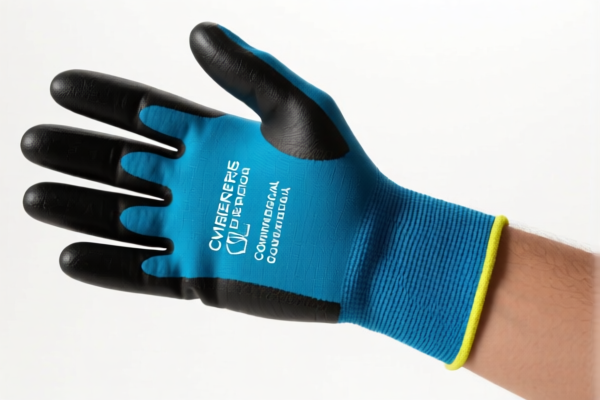
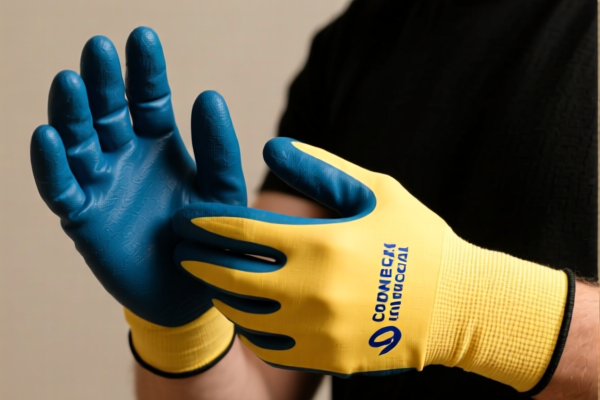
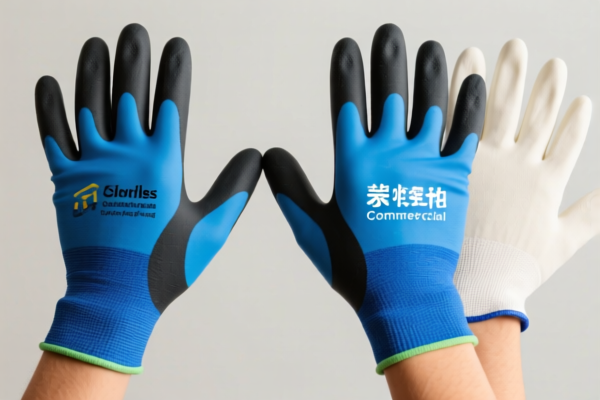
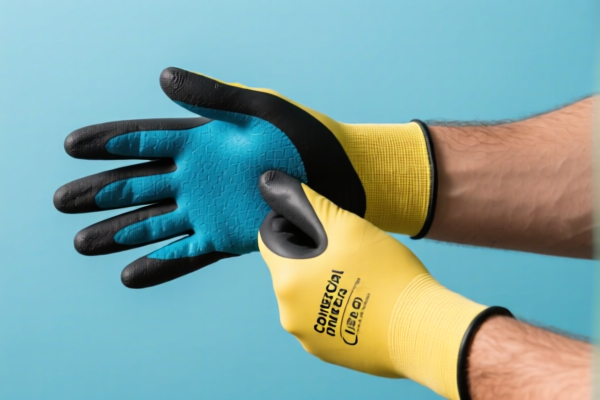
AI Analysis
🧤 Seamless Commercial Gloves (Other Materials)
🌐 HS Code Reference & Customs Clearance Guide | 2026 Latest Tariff Analysis | Professional Clearance Strategy
📌 I. Product Definition & Classification: Do You Really Understand "Other Materials"?
Seamless commercial gloves made of "other materials" refer to gloves that are not knitted/crocheted (Chapter 61) nor made from specific textile materials like cotton, wool, or synthetic fibers explicitly listed in other headings. They often include gloves made from plastics, rubber, leather, or composite "other" materials. In international trade, precise classification is critical because the manufacturing process (knitted vs. non-knitted) and material composition drastically alter the tariff burden.
⚠️ Key Distinction Point:
- Knitted/Crocheted (Chapter 61): If the glove is knitted, it falls under 6116. Generally has lower base tariffs but may be subject to specific "122" clauses depending on the exact material.
- Non-Knitted (Chapter 62): If the glove is cut and sewn or molded (seamless molded often treated as non-knitted if not defined as knitted), it falls under 6216. Often subject to higher base tariffs combined with Section 301 (122 Clause) duties.
- "Other Materials": This is a residual category. It captures materials not specified elsewhere (e.g., certain plastics, rubber, or mixed composites).
📦 II. HS Code Classification Details (2026 Latest Tariff Authority Comparison)
Based on the provided data for Seamless Commercial Gloves (Other Materials), here are the matched HS Codes and their specific tax implications.
| HS Code | Product Description | Matching Basis | Total Tax Rate |
|---|---|---|---|
| 6116.99.95.60 | Gloves, knitted or crocheted, of other textile materials | Match Basis: Product name contains "other materials," conforming to the definition of other textile materials, and is knitted or crocheted. | 13.8% |
| 6216.00.08.00 | Gloves, other, not knitted or crocheted | Match Basis: Product form is gloves, use is for sports/commercial, material is other materials, conforms to classification description. | 18.3% |
| 6216.00.46.00 | Gloves, other, of other materials | Match Basis: Product use matches classification, form belongs to glove category, material is other materials, no conflict. | 20.3% |
| 6116.99.35.00 | Gloves, knitted or crocheted, of other man-made fibers | Match Basis: Product form and use match, material belongs to the fallback category of other spun yarn/fabrics/man-made fibers, no conflict. | 20.3% |
🔍 Key Reminder:
- Knitted (6116) generally offers a lower base tariff (0.8% or 2.8% or 3.8%) compared to Non-Knitted (6216) variants which may have different base rates but are subject to the same aggressive surcharges.
- The term "Seamless" can be tricky. If "seamless" implies a molded plastic/rubber glove, it might lean towards 6216. If it implies a circular-knit fabric glove, it leans towards 6116. The data provided suggests a mix, so verification of the manufacturing process is vital.
💰 III. 2026 Latest Tariff Rate Breakdown (Including Surcharges & Policy Add-ons)
✅ Applicable Country: United States (US)
✅ Origin: China (CN)
✅ Effective Time: Current applicable rates as per provided data (Section 301 / 122 Clause context)
🎯 1. 6116.99.95.60 —— Gloves of Other Textile Materials (Knitted/Crocheted)
| Item | Content |
|---|---|
| Base Tariff | 3.8% |
| Section 301 Surcharge | 0.0% |
| 122 Clause Tariff | 10% |
| Total Tax Rate | 13.8% |
| Tax Calculation | CIF Value × 13.8% |
| De Minimis Eligibility | ❌ No (Subject to high scrutiny due to 122 Clause) |
| Legal Basis Path | Base Tariff: 3.8% + 122 Clause: 10% |
📌 Explanation:
- This is the most favorable option among the matches if the glove is indeed knitted.
- The 0.0% Section 301 is a significant advantage, but the 10% "122 Clause" tariff still applies.
- Warning: Ensure the glove is truly "knitted or crocheted." If it is molded plastic labeled "seamless," this code may be rejected.
🎯 2. 6216.00.08.00 —— Other Gloves (Non-Knitted/Crocheted)
| Item | Content |
|---|---|
| Base Tariff | 0.8% |
| Section 301 Surcharge | 7.5% |
| 122 Clause Tariff | 10% |
| Total Tax Rate | 18.3% |
| Tax Calculation | CIF Value × 18.3% |
| De Minimis Eligibility | ❌ No |
| Legal Basis Path | Base Tariff: 0.8% + Section 301: 7.5% + 122 Clause: 10% |
📌 Explanation:
- Even with a very low base tariff (0.8%), the combined surcharges push the total to 18.3%.
- This code is suitable for molded or sewn gloves made of "other materials" that do not fall under Chapter 61.
🎯 3. 6216.00.46.00 —— Gloves of Other Materials (Non-Knitted)
| Item | Content |
|---|---|
| Base Tariff | 2.8% |
| Section 301 Surcharge | 7.5% |
| 122 Clause Tariff | 10% |
| Total Tax Rate | 20.3% |
| Tax Calculation | CIF Value × 20.3% |
| De Minimis Eligibility | ❌ No |
| Legal Basis Path | Base Tariff: 2.8% + Section 301: 7.5% + 122 Clause: 10% |
📌 Explanation:
- Similar to6216.00.08.00, this code attracts the full burden of Section 301 (7.5%) and the 122 Clause (10%).
- Use this if the product description explicitly aligns with "other materials" under Chapter 62 without conflicting with other specific subheadings.
🎯 4. 6116.99.35.00 —— Gloves of Other Man-Made Fibers (Knitted)
| Item | Content |
|---|---|
| Base Tariff | 2.8% |
| Section 301 Surcharge | 7.5% |
| 122 Clause Tariff | 10% |
| Total Tax Rate | 20.3% |
| Tax Calculation | CIF Value × 20.3% |
| De Minimis Eligibility | ❌ No |
| Legal Basis Path | Base Tariff: 2.8% + Section 301: 7.5% + 122 Clause: 10% |
📌 Explanation:
- Although it is in Chapter 61 (Knitted), the material composition ("other man-made fibers") triggers the 7.5% Section 301 surcharge.
- This results in the same total rate (20.3%) as the Chapter 62 codes, but with a different legal basis.
- Critical Check: Is the material truly "man-made fiber" or "other textile material"? Misclassification here can lead to penalties.
🛠️ IV. Customs Clearance Practical Advice (Real-World Pitfall Avoidance)
✅ 1. Required Documentation Checklist
| Document | Required | Description |
|---|---|---|
| ✅ Product Specifications | ✔️ | Must clearly state: Material Composition (e.g., 100% PVC, Nylon/Spandex blend, Rubber), Manufacturing Process (Knitted vs. Molded), Use (Sport/Commercial). |
| ✅ Product Photos | ✔️ | Clear images of the inner texture (to prove knitting vs. molding) and labeling. |
| ✅ Certificate of Origin (CO) | ✔️ | Essential for verifying China origin and applying correct Section 301/122 rates. |
| ✅ Commercial Invoice | ✔️ | Must accurately describe the goods as "Gloves, Other Materials" and not just "Gloves." |
| ✅ Packing List | ✔️ | Weight and dimensions for CIF calculation. |
| ✅ Third-Party Test Report | ✔️ | If "other materials" implies specific chemicals (e.g., plasticizers in gloves), a safety test may be required. |
✅ 2. Declaration Strategy (Key Mantra)
🔥 "Knitted is 61, Non-Knitted is 62; Check the Material, Avoid the Trap!"
| Scenario | Correct Declaration | Error to Avoid |
|---|---|---|
| Circular Knit Gloves (Elastic, stretchy) | 6116.99.95.60 (13.8%) | Declaring as 6216 → Pay 18.3% or 20.3% unnecessarily. |
| Molded Plastic/Rubber Gloves | 6216.00.08.00 or 6216.00.46.00 (18.3%/20.3%) | Declaring as 6116 → Customs will reject as "not knitted." |
| "Seamless" but actually Knitted | 6116.99.95.60 | Declaring as 6216 due to the word "seamless" without verifying structure. |
| Material Ambiguity | Provide Material Composition Breakdown | Vague description like "Synthetic" → Risk of reclassification to highest tariff bracket. |
✅ 3. Special Circumstances Handling
| Situation | Handling Advice |
|---|---|
| "Other Materials" is Vague | If the material is a blend (e.g., 50% Cotton, 50% Plastic), customs may classify based on the essential character or the dominant material. Clarify the % composition. |
| 122 Clause Applicability | The 122 Clause (10%) applies to many textile/apparel items from China. Ensure your supplier provides data that justifies the specific subheading to avoid arbitrary application. |
| De Minimis ($800) Risk | Since the total tax rate is 13.8% - 20.3%, shipments under $800 are NOT exempt from duties if classified correctly. Plan for tax payment on all shipments. |
🌍 V. Global Main Market Customs Clearance Comparison (2026 Latest)
| Country/Region | Recommended HS Code | Estimated Tariff (China Origin) | Certification Requirements | Remarks |
|---|---|---|---|---|
| 🇺🇸 USA | 6116.99.95.60 |
13.8% | None specific for gloves | Lowest rate if knitted. |
| 🇺🇸 USA | 6216.00.08.00 |
18.3% | None specific | Higher rate for non-knitted. |
| 🇪🇺 EU | 6116.10 or 6216.90 |
Varies (0-12%) | REACH Compliance | No Section 301/122 surcharges. |
| 🇨🇳 China | 6116.99.95 |
Low | N/A | Export to China not applicable here. |
📌 Conclusion:
- The US market is the most challenging due to the叠加 (stacking) of Base Tariff, Section 301 (if applicable), and the 122 Clause (10%).
- Optimization Strategy: If the glove can be manufactured as knitted using other textile materials,6116.99.95.60at 13.8% is the most cost-effective classification among the provided options.
- If the glove is molded (plastic/rubber), you are stuck with 18.3% - 20.3%.
📌 VI. Common Errors & Pitfall Guide (Lessons Learned)
❌ Mistake 1: Calling "Seamless" gloves as 6216 when they are actually Knitted
👉 Consequence: You pay 18.3% - 20.3% instead of 13.8%. Overpayment of ~4.5-6.5%!
❌ Mistake 2: Vague Description "Other Materials" without Material Composition
👉 Consequence: Customs may reclassify to the highest duty subcategory or request extensive documentation, causing clearance delays.
❌ Mistake 3: Ignoring the "122 Clause"
👉 Consequence: Underestimating landed cost. The 10% surcharge is significant on high-value shipments.
✅ Correct Practice:
"Gloves, Knitted, Other Textile Material, 100% Nylon/Spandex Blend, for Sports Use, Model ABC"
HS Code:6116.99.95.60
Tax: 13.8%
🎯 VII. Conclusion: Precise Classification Saves Money!
🎯 Remember the Mantra:
🔹 "Knitted wins on rate, Non-Knitted pays more."
🔹 "Seamless is not a HS Code; Material and Process are."
🔹 "122 Clause is 10%, Don't Forget It!"
📌 Pro Tip:
If you are importing large volumes, consider:
1. Advance Ruling: Apply for a binding ruling from CBP to confirm the 6116.99.95.60 classification for your specific "seamless" product if it is knitted.
2. Supply Chain Audit: Verify if your "seamless" gloves are truly knitted on circular knitting machines. If yes, insist on the 13.8% code.
📣 Immediate Action:
📞 Contact your Customs Broker with product samples and material data sheets.
🚀 Optimize your tariff code, reduce landed cost, and secure smooth clearance!
✨ Professional Clearance Starts with Accurate Classification!
💼 Every Percentage Point Saved is Pure Profit!
Customer Reviews
About HS Code Classification
The Harmonized System (HS) is an internationally standardized nomenclature developed by the World Customs Organization (WCO) to classify traded products. Over 200 countries use the HS system as the basis for customs tariffs, trade statistics, and import/export regulations.
Each HS code follows a hierarchical structure:
- Chapter (2 digits) — Broad category of goods (e.g., Chapter 84: Machinery and Mechanical Appliances)
- Heading (4 digits) — More specific grouping within the chapter
- Subheading (6 digits) — Internationally standardized breakdown, used by all WCO member countries
- National subdivisions (8-10 digits) — Country-specific extensions for further classification, such as US HTSUS 10-digit codes
Correct HS code classification is essential for smooth customs clearance, accurate duty payment, and compliance with trade regulations. Misclassification can lead to customs delays, overpayment of duties, or penalties.
When importing from CN to US, the applicable tariff rates may include:
- Most-Favored-Nation (MFN) rate — The standard duty rate applied to WTO members
- General rate — Applied to countries without trade agreements
- Trade remedy duties — Additional tariffs such as Section 301 (anti-dumping), Section 232 (national security), or countervailing duties
The information provided on this page is for reference purposes only. For official classification, please consult with your local customs authority or a licensed customs broker.