Seamless Flame Retardant Gloves of Other Materials
CN → US| HS Code | Tariff Rate | Origin | Destination | Doc |
|---|---|---|---|---|
| 3926201020 | 10.0% | CN | US | Official Doc |
| 6116999510 | 13.8% | CN | US | Official Doc |
| 3926201050 | 10.0% | CN | US | Official Doc |
| 6116999560 | 13.8% | CN | US | Official Doc |
| 3926201020 | 10.0% | CN | US | Official Doc |
Product Images
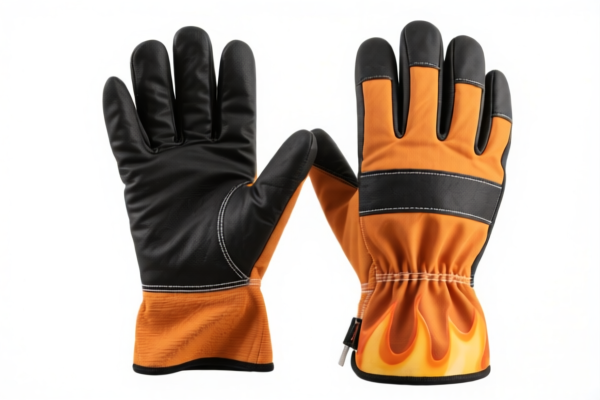
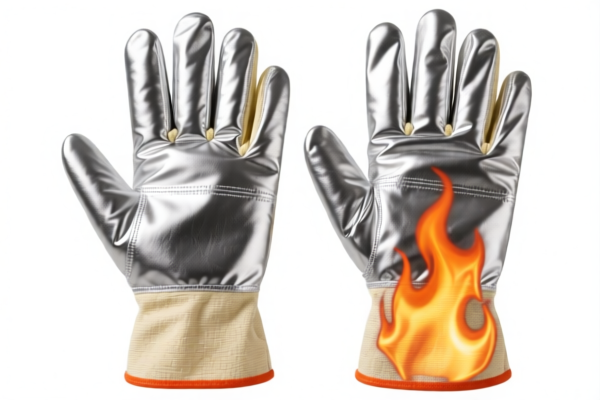
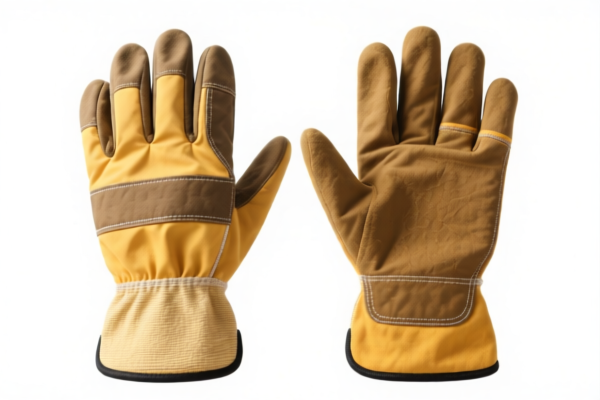
AI Analysis
🧤 Seamless Flame Retardant Gloves of Other Materials
🌐 HS Code Reference & Customs Clearance Guide | 2026 Latest Tariff Analysis | Professional Compliance Strategy
📌 I. Product Definition & Classification: Do You Really Understand "Other Material" Gloves?
Seamless flame retardant gloves made of "other materials" typically refer to industrial protection gloves that do not fall under standard rubber (natural/synthetic) or standard textile categories in the traditional sense, or are classified under residual chapters. In international trade, the critical distinction lies in the material composition and whether they are considered "Plastics/Synthetic Rubber" (Ch 39) or "Textiles" (Ch 61).
Classification Logic: 1. Plastic/Synthetic Basis (Ch 39): If the glove's primary structure or coating is based on plastics or synthetic rubber materials (often used for chemical/industrial resistance), it falls under Chapter 39. Even if labeled "flame retardant," if the base material is classified as a plastic article, it uses the 3926 heading. 2. Textile Basis (Ch 61): If the glove is knitted or crocheted from other textile materials (e.g., specific fiber blends, aramid blends not fully covered elsewhere) and has a seamless construction, it falls under Chapter 61.
⚠️ Key Distinction Point:
- If the material is predominantly plastic/synthetic polymer-based →归类 to 3926.20.10.xx
- If the material is predominantly textile/fabric-based →归类 to 6116.99.95.xx
📦 II. HS Code Classification Details (2026 Latest Tariff Authority Comparison)
Based on the provided data, here are the exact HS Codes and their corresponding tax treatments for "Seamless Flame Retardant Gloves of Other Materials."
| HS Code | Product Description | Application Scenario | Material Basis |
|---|---|---|---|
3926.20.10.20 |
Other Seamless Gloves, Plastic/Synthetic Material Residual Category | Industrial gloves with plastic/synthetic base, non-standard specific codes | ✅ Plastic/Synthetic |
6116.99.95.10 |
Other Seamless Gloves, Other Textile Material Gloves | Industrial gloves made of specific textile fibers, seamless knit | ✅ Textile |
3926.20.10.50 |
Other Seamless Gloves, Other Category Plastic Products | Industrial gloves classified under other plastic sub-categories | ✅ Plastic/Synthetic |
6116.99.95.60 |
Other Seamless Gloves, Other Textile Material Gloves | Industrial gloves made of specific textile fibers, seamless knit (Variant) | ✅ Textile |
3926.20.10.20 |
Other Material Seamless Industrial Gloves, Plastic/Synthetic Residual Category | Specialized industrial use, plastic/synthetic base, same as above | ✅ Plastic/Synthetic |
🔍 Important Note:
- Codes3926.20.10.20and3926.20.10.50both fall under Plastic/Synthetic articles. - Codes6116.99.95.10and6116.99.95.60both fall under Textile articles. - The "Other Materials" description in the prompt maps to these residual categories when the specific material doesn't fit into primary headings like Natural Rubber (Ch 40) or Leather (Ch 41).
💰 III. 2026 Latest Tariff Rate Breakdown (Including Surcharges & Policy Add-ons)
✅ Applicable Country: United States (US)
✅ Origin: China (CN)
✅ Effective Time: Current applicable rates including Section 122 tariffs
🎯 1. Plastic/Synthetic Material Gloves (3926.20.10.20 & 3926.20.10.50)
| Item | Detail |
|---|---|
| HS Code | 3926.20.10.20 / 3926.20.10.50 |
| Base Tariff | 0.0% (Ad Valorem) |
| Section 301 Add-on | 0.0% (Not listed in specific surcharge line for this sub-category in this data) |
| Section 122 Tariff | 10.0% (Specific surcharge for certain industrial goods/plastics) |
| Total Tax Rate | 10.0% |
| Tax Calculation | CIF Value × 10.0% |
| Legal Basis Path | HTSUS:3926.20.10 → Section 122: 10% |
📌 Explanation:
- The Base Tariff for these plastic articles is 0%. - There is no Section 301 (25%) surcharge applied in this specific data set for these codes. - The 10% comes entirely from Section 122 tariffs, which are often applied to specific industrial inputs and plastics. - Total Effective Rate: 10%. This is significantly lower than the 25%+ rates for textiles.
🎯 2. Textile Material Gloves (6116.99.95.10 & 6116.99.95.60)
| Item | Detail |
|---|---|
| HS Code | 6116.99.95.10 / 6116.99.95.60 |
| Base Tariff | 3.8% (Ad Valorem) |
| Section 301 Add-on | 0.0% (Not listed in specific surcharge line for this sub-category in this data) |
| Section 122 Tariff | 10.0% (Specific surcharge for certain industrial goods/textiles) |
| Total Tax Rate | 13.8% |
| Tax Calculation | CIF Value × 13.8% |
| Legal Basis Path | HTSUS:6116.99.95 → Base 3.8% + Section 122 10% |
📌 Explanation:
- The Base Tariff for other textile gloves is 3.8%. - Like the plastic counterparts, there is no Section 301 (25%) surcharge applied in this specific data set. - The 10% is the Section 122 tariff. - Total Effective Rate: 13.8%.
🛠️ IV. Customs Clearance Practical Advice (Real-World Pitfall Avoidance)
✅ 1. Document Preparation Checklist (Must-Haves)
| Document | Required? | Reason |
|---|---|---|
| ✅ Material Composition Statement | ✔️ | Crucial to distinguish between Plastic (Ch 39) and Textile (Ch 61). Must specify % of polymer vs. fiber. |
| ✅ Technical Data Sheet | ✔️ | Shows flame retardant treatment is a surface finish/treatment, not a change in material class. |
| ✅ Product Photos | ✔️ | Must show seamless construction and lack of rubber/leather dominance. |
| ✅ Commercial Invoice | ✔️ | Must clearly state "Seamless Gloves" and material basis (e.g., "Polymer-based" vs "Textile-based"). |
| ✅ Certificate of Origin | ✔️ | To verify China origin for Section 122 application. |
✅ 2. Declaration Tips (Key Mantra)
🔥 "Material Defines Code, Section 122 Adds 10%, Base Varies by Fabric!"
| Scenario | Correct HS Code | Tax Rate | Common Error |
|---|---|---|---|
| Plastic/Synthetic Base | 3926.20.10.20 / .50 |
10.0% | Misdeclaring as Textile → Higher Base + Risk |
| Textile Base | 6116.99.95.10 / .60 |
13.8% | Misdeclaring as Plastic → Lower Base, but incorrect classification |
| Mixed Material | Depends on Essential Character | ? | Ambiguous declaration → Delays & Audits |
✅ 3. Special Considerations
| Situation | Handling Advice |
|---|---|
| Flame Retardant Chemicals | Ensure the FR treatment is documented as a finish, not the primary material. If the base is still plastic/textile, it stays in Ch 39 or 61. |
| Seamless Construction | Highlight "Seamless" in description. This confirms it’s not a sewn textile glove (which might have different codes). |
| Industrial Use | Clearly state "Industrial Use" to avoid confusion with medical or household gloves. |
🌍 V. Global Market Comparison (2026 Context)
| Country/Region | Recommended HS Code | Tariff (China Origin) | Notes |
|---|---|---|---|
| 🇺🇸 USA | 3926.20.10.20 (Plastic) or 6116.99.95.10 (Textile) |
10.0% (Plastic) / 13.8% (Textile) | Includes Section 122 tariff. No Section 301 in this specific data set. |
| 🇨🇳 China | Same HS Codes | ~5-7% | Standard MFN rates, no Section 122. |
| 🇪🇺 EU | Check NC Codes | Varies | Often higher for textiles; plastics may have different duties. |
📌 Conclusion:
- USA Tariffs are driven by Section 122 (10%) in this dataset. - Plastic-based gloves (Ch 39) are cheaper (10%) than Textile-based gloves (Ch 61, 13.8%). - Ensure material classification is accurate to avoid misdeclaration penalties.
📌 VI. Common Mistakes & Pitfall Guide (Blood & Tears Lessons)
❌ Mistake 1: Assuming "Flame Retardant" changes the HS Code.
👉 Reality: FR is a treatment. The base material (Plastic vs. Textile) dictates the code.
Result: Incorrect code → Potential audit.
❌ Mistake 2: Confusing "Plastic" (Ch 39) with "Rubber" (Ch 40).
👉 Reality: Many synthetic gloves are Plastics (39), not Rubber (40). Rubber has different tariffs.
Result: Wrong Chapter → Wrong Tax.
❌ Mistake 3: Ignoring Section 122.
👉 Reality: Even if Base Tariff is 0% (for plastics), Section 122 adds 10%.
Result: Underpayment of duties → Penalties.
✅ Correct Declaration Example:
"Seamless Industrial Gloves, 100% Synthetic Polymer (Plastic), Flame Retardant Treated, No Rubber/Leather, Model XYZ" → HS: 3926.20.10.20, Tax: 10%
🎯 VII. Conclusion: Precise Classification Saves Costs
🎯 Remember the Mantra:
🔹 "Plastic Base? 10% Total. Textile Base? 13.8% Total. Section 122 is King!"
🔹 "Material First, Treatment Second, Code Follows!"
📌 Pro Tip:
If your glove material is ambiguous (e.g., coated fabric), consult a customs broker for a Pre-Ruling. Misclassification between Ch 39 and Ch 61 can lead to duty discrepancies and delays.
📣 Immediate Action:
📞 Verify Material Composition → Select Correct HS Code → Prepare Docs → Clear Customs Smoothly!
✨ Professional Clearance Starts with Accurate Classification!
💼 Every Percent Counts in Global Trade!
Customer Reviews
About HS Code Classification
The Harmonized System (HS) is an internationally standardized nomenclature developed by the World Customs Organization (WCO) to classify traded products. Over 200 countries use the HS system as the basis for customs tariffs, trade statistics, and import/export regulations.
Each HS code follows a hierarchical structure:
- Chapter (2 digits) — Broad category of goods (e.g., Chapter 84: Machinery and Mechanical Appliances)
- Heading (4 digits) — More specific grouping within the chapter
- Subheading (6 digits) — Internationally standardized breakdown, used by all WCO member countries
- National subdivisions (8-10 digits) — Country-specific extensions for further classification, such as US HTSUS 10-digit codes
Correct HS code classification is essential for smooth customs clearance, accurate duty payment, and compliance with trade regulations. Misclassification can lead to customs delays, overpayment of duties, or penalties.
When importing from CN to US, the applicable tariff rates may include:
- Most-Favored-Nation (MFN) rate — The standard duty rate applied to WTO members
- General rate — Applied to countries without trade agreements
- Trade remedy duties — Additional tariffs such as Section 301 (anti-dumping), Section 232 (national security), or countervailing duties
The information provided on this page is for reference purposes only. For official classification, please consult with your local customs authority or a licensed customs broker.