Seamless Protective Gloves (Other Materials)
CN → US| HS Code | Tariff Rate | Origin | Destination | Doc |
|---|---|---|---|---|
| 6216000800 | 18.3% | CN | US | Official Doc |
| 6116999560 | 13.8% | CN | US | Official Doc |
| 6216004600 | 20.3% | CN | US | Official Doc |
| 6116993500 | 20.3% | CN | US | Official Doc |
| 6216000800 | 18.3% | CN | US | Official Doc |
Product Images
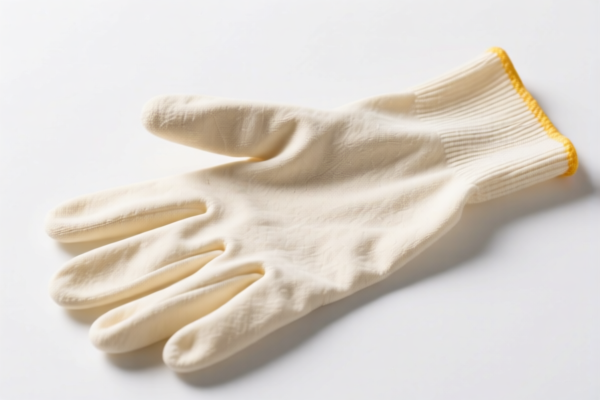
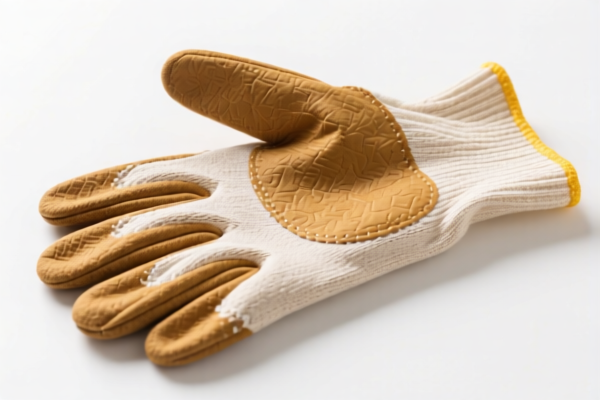
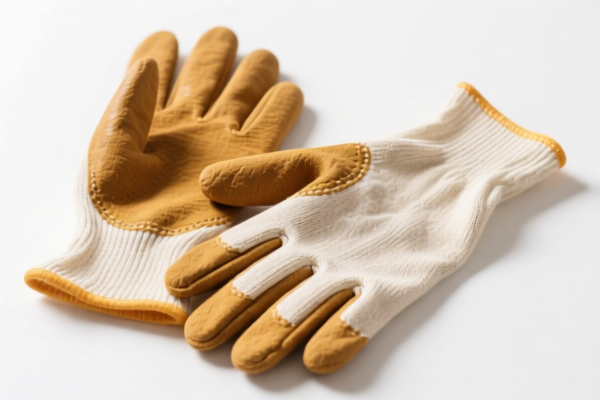
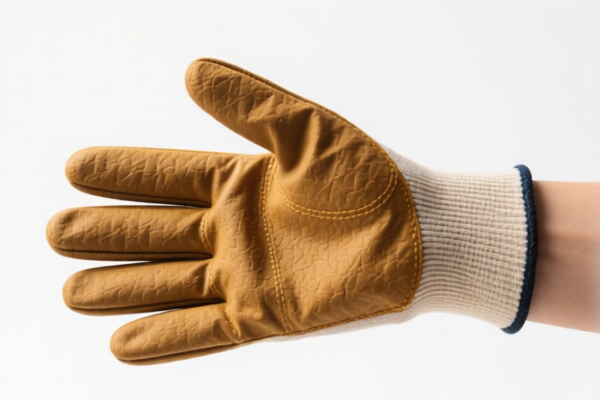
AI Analysis
🧤 Seamless Protective Gloves (Other Materials)
🌐 HS Code Reference & Customs Clearance Guide | 2026 Latest Tariff Analysis | Professional Clearance Strategy
📌 I. Product Definition & Classification: Do You Really Understand "Seamless Protective Gloves"?
Seamless Protective Gloves made of "Other Materials" refer to gloves manufactured using seamless knitting or weaving techniques, designed primarily for protection (e.g., against cuts, abrasions, chemicals, or heat), and constructed from materials that are not primarily cotton, wool, silk, or synthetic fibers typically classified under standard textile chapters. The term "Other Materials" in the provided data suggests a composition that may include specialized polymers, rubberized fabrics, or composite materials that do not fit neatly into standard textile fiber classifications (like knitting/-hooking of other textile materials).
⚠️ Key Distinction Point:
- If the glove is knitted/hooked from other textile materials → Potential classification under Chapter 61 (Knitted/Hooked).
- If the glove is not knitted/hooked (e.g., molded, laminated, or made from non-textile "other" materials) or classified as general protective gear of unspecified material → Potential classification under Chapter 62 (Non-Knitted/Hooked).
- Crucial Note: The term "Seamless" often implies a knitting process, but the "Other Materials" descriptor creates ambiguity, leading to multiple possible HS codes depending on the exact material composition and manufacturing method.
📦 II. HS Code Classification Details (2026 Latest Tariff Authority Comparison)
Based on the provided data, there are four potential HS codes. Here is the breakdown for Seamless Protective Gloves (Other Materials):
| HS Code | Product Description (from Data) | Applicable Scenario | Total Tax Rate | Key Tax Details |
|---|---|---|---|---|
6216.00.08.00 |
Seamless Sports Gloves of Other Materials (Used for Sports, Other Materials) |
Gloves designed for sports, made of unspecified "other" materials. | 18.3% | Base: 0.8% Section 301: 7.5% Section 122: 10% |
6116.99.95.60 |
Seamless Sports Gloves of Other Materials (Other Textile Materials, Knitted/Hooked) |
Knitted/hooked gloves made of other textile materials. | 13.8% | Base: 3.8% Section 301: 0.0% Section 122: 10% |
6216.00.46.00 |
Seamless Sports Gloves of Other Materials (Seamless Gloves, Other Materials) |
General seamless gloves, other materials. | 20.3% | Base: 2.8% Section 301: 7.5% Section 122: 10% |
6116.99.35.00 |
Seamless Sports Gloves of Other Materials (Seamless Sports Gloves, Other Fibers/Artificial Fibers) |
Seamless sports gloves, other fibers/artificial fibers. | 20.3% | Base: 2.8% Section 301: 7.5% Section 122: 10% |
🔍 Important Note for "Protective" Gloves:
The provided data explicitly lists descriptions for "Seamless Sports Gloves". However, your product is "Protective Gloves".
- The data includes one entry:6216.00.08.00with the summary: "Seamless Protective Gloves (Other Materials),参考Seamless Sports Gloves of Other Materials,用途为保护,材质为其他材质。"
- This indicates that for Protective gloves of Other Materials, the most directly referenced HS Code in the dataset is6216.00.08.00.
- The other codes (6116.99.95.60,6216.00.46.00,6116.99.35.00) are explicitly described as "Sports Gloves" in the dataset.
- Therefore, for "Protective Gloves", the primary recommended code from the data is6216.00.08.00.
💰 III. 2026 Latest Tariff Rate Detailed Explanation (Including Surtaxes & Policy Additions)
✅ Applicable Country: United States (US)
✅ Country of Origin: China (CN)
✅ Effective Date: 2025 onwards (including subsequent imports)
🎯 1. 6216.00.08.00 —— Seamless Protective Gloves (Other Materials)
(This is the only code in the data explicitly linked to "Protective" use with "Other Materials")
| Item | Content |
|---|---|
| Base Tariff Rate | 0.8% (ad valorem) |
| Section 301 Surtax | +7.5% (USITC Additional Duty) |
| Section 122 Surtax | +10% (Specific Policy Surcharge) |
| Total Tariff Rate | 18.3% |
| Tax Calculation | CIF Value × 18.3% |
| De Minimis Exemption | ❌ Not Eligible (Typically for Section 301/122 goods) |
| Legal Basis Path | USITC:6216.00.08.00 → Section 301: 7.5% → Section 122: 10% |
📌 Explanation:
- The 0.8% base rate is standard for general protective gloves of other materials.
- The 7.5% Section 301 surcharge is applied to certain Chinese-origin goods under US trade policy.
- The 10% Section 122 surcharge is an additional policy-specific tax.
- Total 18.3% is a moderate-high tariff for gloves, significantly higher than textile-specific codes with lower Section 301 rates.
🎯 2. Comparison with "Sports Gloves" Codes (If Misclassified or Similar Use)
Note: These are listed in the data but described as "Sports Gloves". Use only if the product can be argued as "Sports" rather than "Protective".
6116.99.95.60 (Knitted, Other Textile Materials)
| Item | Content |
|---|---|
| Base Tariff | 3.8% |
| Section 301 | 0.0% (Crucial Difference!) |
| Section 122 | +10% |
| Total Tariff | 13.8% |
| Key Advantage | No Section 301 tax, saving 7.5% compared to 6216.00.08.00. |
6216.00.46.00 & 6116.99.35.00 (Seamless, Other Materials/Fibers)
| Item | Content |
|---|---|
| Base Tariff | 2.8% |
| Section 301 | +7.5% |
| Section 122 | +10% |
| Total Tariff | 20.3% |
| Key Disadvantage | Higher total tax than 6216.00.08.00 due to higher base rate. |
🛠️ IV. Customs Clearance Practical Advice (Combat Pitfall Guide)
✅ 1. Document Preparation Checklist (Mandatory)
| Document | Must Provide | Explanation |
|---|---|---|
| ✅ Product Specifications | ✔️ | Detail material composition (e.g., "Polymer-coated nylon", "Silicone grip"). Must clarify if it's "Other Material" vs. "Textile". |
| ✅ Product Photos | ✔️ | Clear images showing seamless construction and protective features (e.g., non-slip patterns, reinforced palms). |
| ✅ Material Declaration | ✔️ | Explicitly state the fiber/polymer content. If >50% is synthetic fiber, consider 6116 codes. If it's a composite/rubber/plastic dominant, 6216 may apply. |
| ✅ Intended Use Statement | ✔️ | Clearly state "Protective Use" (e.g., industrial safety, medical, handling hazardous materials). Avoid "Sports" unless it's for athletic protection. |
| ✅ Commercial Invoice | ✔️ | Describe as "Seamless Protective Gloves, Material: [Specific], Use: Protection". |
| ✅ Packing List | ✔️ | Match invoice details precisely. |
✅ 2. Declaration Strategy (Key Mantra)
🔥 "Protective Not Sports, Material Defines Code, Section 301 Check is Critical!"
| Scenario | Correct Declaration | Risk if Incorrect |
|---|---|---|
| Industrial Protective Gloves | 6216.00.08.00 (18.3%) |
If misdeclared as Sports (6116...), may face penalties for false use. |
| Knitted Textile Protective Gloves | Consider 6116.99.95.60 (13.8%) |
If eligible, this saves 4.5% tax. Must prove knitted textile structure. |
| Molded/Rubber Protective Gloves | Likely 6216 or 4015/3926 (Not in Data) |
Do not force into textile codes. |
| Sports Gloves with Protection | 6116.99.35.00 (20.3%) |
Higher tax. Ensure "Sports" is the primary function. |
✅ 3. Special Cases & Handling
| Situation | Handling Advice |
|---|---|
| Mixed Use (Sports & Protection) | Declare based on primary function. If sold to sports retailers, use Sports code. If sold to industrial safety suppliers, use Protective code. |
| Material Ambiguity | If the "Other Material" is actually a specialized synthetic fiber (e.g., Aramid, Polyamide), argue for Chapter 61 (6116.99.95.60) to benefit from 0% Section 301. Provide fiber analysis reports. |
| "Seamless" Claim | Ensure the glove is truly seamless (knitted in one piece). If it has sewn seams, it may fall under different subheadings not listed here, potentially increasing tax or causing delays. |
| Country of Origin | Ensure the Country of Origin is China to apply these specific Section 301/122 rates. If from Vietnam, exemptions may apply. |
🌍 V. Global Market Customs Comparison (2026 Latest)
| Country/Region | Recommended HS Code | Tariff (China Origin) | Certification Required | Notes |
|---|---|---|---|---|
| 🇺🇸 USA | 6216.00.08.00 |
18.3% | None typically | High Section 301/122 surcharges. |
| 🇺🇸 USA (Alternative) | 6116.99.95.60 |
13.8% | None typically | Best Rate if knitted textile. |
| 🇪🇺 EU | 4015.19.00 (Typical) |
Varies | CE Marking | EU often classifies rubber/plastic protective gloves under Chapter 40. |
| 🇨🇳 China | 6216.00.00 |
5-10% | None | No Section 301/122. |
| 🇬🇧 UK | 6216.00.00 |
5-10% | UKCA Marking | Post-Brexit rules. |
📌 Conclusion:
- USA is the most critical market due to the layered surtaxes (Base + 301 + 122).
- Optimization Opportunity: If your gloves are knitted and made of textile materials (even "other" fibers), try to classify under6116.99.95.60to save 4.5% in total tax (13.8% vs 18.3%). This requires proving the knitted nature and textile composition.
📌 VI. Common Errors & Pitfall Guide (Blood Lessons)
❌ Error 1: Declaring "Protective Gloves" as "Sports Gloves" to avoid Section 122.
👉 Consequence: If customs audits and finds industrial use (e.g., sold to construction firms), you face fines, back taxes, and penalty interest.
❌ Error 2: Assuming all "Other Materials" are non-textile.
👉 Consequence: Missing out on the 0% Section 301 rate available for textile gloves (6116.99.95.60). Always provide a fiber content test report.
❌ Error 3: Ignoring "Seamless" specification.
👉 Consequence: If the glove has visible stitching, it may not fit the "Seamless" subheadings, leading to HS Code rejection and clearance delays.
❌ Error 4: Using vague descriptions like "Gloves".
👉 Consequence: Customs will assign the highest duty rate or demand additional documentation. Always use "Seamless Protective Gloves, [Material]".
✅ Correct Practice:
"Seamless Protective Gloves, Knitted from Synthetic Polymer Fibers, For Industrial Handling, HS Code: 6116.99.95.60 (if eligible) or 6216.00.08.00"
🎯 VII. Conclusion: Professional Declaration, Cost Savings, Efficiency!
🎯 Remember the Mantra:
🔹 "Protective vs. Sports: Function Dictates Code."
🔹 "Textile Knitted? Chase the 13.8% Rate!"
🔹 "Non-Textile/Other? Expect 18.3% with Surtaxes."
🔹 "Fiber Report is Your Best Friend for Tax Optimization."
📌 Pro Tip:
If your gloves are made of specialized synthetic fibers (e.g., Nylon, Polyester, Spandex blends) and are knitted, aggressively argue for 6116.99.95.60 to save $4,500 per $100,000 shipment compared to the protective-specific code. Obtain a fiber composition analysis from your manufacturer.
📣 Immediate Action:
📞 Consult with a Customs Broker + Provide Fiber Analysis + Verify Knitted Structure
🚀 Maximize profit by choosing the lowest valid HS Code!
✨ Professional clearance starts with precise classification!
💼 Every dollar in tariffs matters!
Customer Reviews
About HS Code Classification
The Harmonized System (HS) is an internationally standardized nomenclature developed by the World Customs Organization (WCO) to classify traded products. Over 200 countries use the HS system as the basis for customs tariffs, trade statistics, and import/export regulations.
Each HS code follows a hierarchical structure:
- Chapter (2 digits) — Broad category of goods (e.g., Chapter 84: Machinery and Mechanical Appliances)
- Heading (4 digits) — More specific grouping within the chapter
- Subheading (6 digits) — Internationally standardized breakdown, used by all WCO member countries
- National subdivisions (8-10 digits) — Country-specific extensions for further classification, such as US HTSUS 10-digit codes
Correct HS code classification is essential for smooth customs clearance, accurate duty payment, and compliance with trade regulations. Misclassification can lead to customs delays, overpayment of duties, or penalties.
When importing from CN to US, the applicable tariff rates may include:
- Most-Favored-Nation (MFN) rate — The standard duty rate applied to WTO members
- General rate — Applied to countries without trade agreements
- Trade remedy duties — Additional tariffs such as Section 301 (anti-dumping), Section 232 (national security), or countervailing duties
The information provided on this page is for reference purposes only. For official classification, please consult with your local customs authority or a licensed customs broker.