Seamless Protective Gloves of Other Materials
CN → US| HS Code | Tariff Rate | Origin | Destination | Doc |
|---|---|---|---|---|
| 3926201050 | 10.0% | CN | US | Official Doc |
| 6116999560 | 13.8% | CN | US | Official Doc |
| 3926201020 | 10.0% | CN | US | Official Doc |
| 6116999510 | 13.8% | CN | US | Official Doc |
| 5603110070 | 35.0% | CN | US | Official Doc |
Product Images
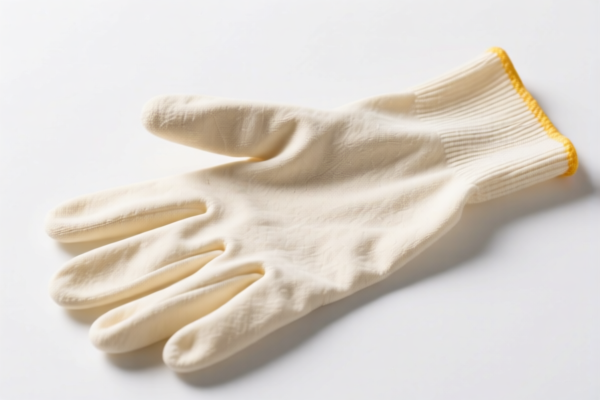
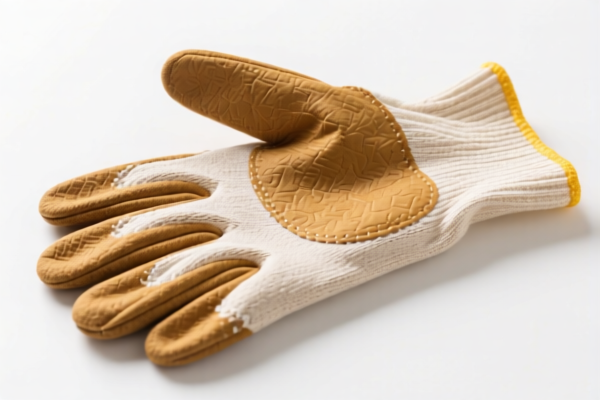
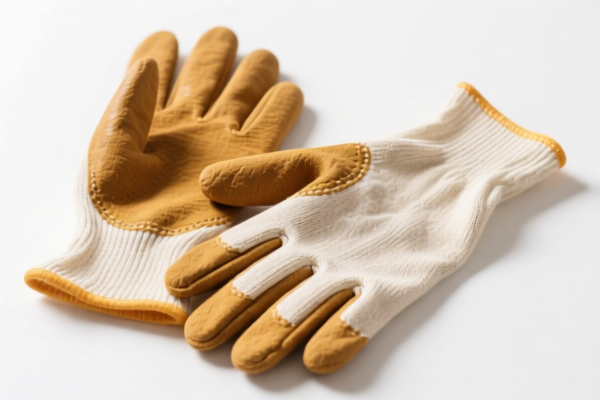
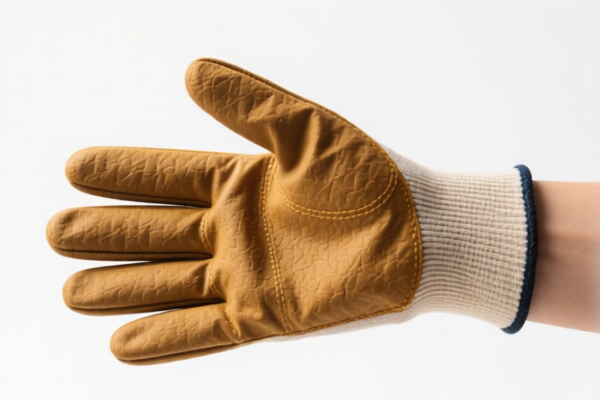
AI Analysis
🧤 Seamless Protective Gloves of Other Materials
🌐 HS Code Reference & Customs Clearance Guide | 2026 Latest Tariff Analysis | Professional Clearance Strategy
📌 I. Product Definition & Classification: What Are "Seamless Gloves of Other Materials"?
Seamless gloves are manufactured using a knitting or molding process that creates a continuous tube, eliminating the need for side seams. This structure provides superior fit, comfort, and protection compared to seamed alternatives. When classified under "Other Materials," these gloves exclude standard rubber/latex (Chapter 40) and standard textile knitted/crocheted gloves (Chapter 61, typically for basic labor or fashion). Instead, they fall into specific niches based on material composition (plastics, non-wovens, etc.) and intended use (industrial, medical, or general protection).
⚠️ Key Distinction:
- If made primarily of plastics/polyurethanes → Look at Chapter 39 (Plastics);
- If made primarily of textile fibers (knitted/seamless) → Look at Chapter 61 (Clothing Accessories);
- If made of non-woven fabrics (often for industrial/disposable use) → Look at Chapter 56 (Non-wovens).
📦 II. HS Code Classification Details (2026 Latest Tariff Authority Match)
Based on the provided data, here are the exact HS Codes and their corresponding tax structures. Each entry explains why it fits and how the tax is calculated.
1. 🧪 Plastic-Based Seamless Gloves
Material Logic: These are seamless gloves made from plastic materials (e.g., PVC, PE, PU coatings on plastic substrates) that do not fit other specific plastic headings.
| HS Code | Product Description | Application/Logic | Total Tax | Tax Breakdown |
|---|---|---|---|---|
3926.20.10.50 |
Other Seamless Gloves of Other Materials: Matches form and use, material is "other materials" (Plastics). | Industrial/General purpose plastic gloves. | 10.0% | Base: 0.0% Section 301: 0.0% 122 Clause: 10% |
3926.20.10.20 |
Other Seamless Gloves of Other Materials: Classified under "Other plastic articles" (catch-all principle). | Generic plastic seamless gloves lacking specific sub-category. | 10.0% | Base: 0.0% Section 301: 0.0% 122 Clause: 10% |
🔍 Interpretation:
- Both codes fall under Chapter 39 (Articles of Plastic).
- The Total Tax is 10%, driven entirely by the 122 Clause Tariff (10%).
- There is no Base Tariff (0%) and no Section 301 Tariff (0%) for these specific plastic sub-codes in this dataset.
- Why two codes?10.50and10.20may represent slight variations in product specification or regulatory sub-categorization (e.g., medical vs. industrial), but they share the same tax rate in this context.
2. 🧵 Textile-Based Seamless Gloves
Material Logic: These are seamless gloves made from other textile materials (e.g., nylon, polyester, acrylic blends) that are not covered under standard knitted cotton/gloves. They are classified as clothing accessories (Chapter 61).
| HS Code | Product Description | Application/Logic | Total Tax | Tax Breakdown |
|---|---|---|---|---|
6116.99.95.60 |
Other Seamless Gloves of Other Materials: Made of other textile materials, conforming to glove form/use. | Industrial/General textile seamless gloves. | 13.8% | Base: 3.8% Section 301: 0.0% 122 Clause: 10% |
6116.99.95.10 |
Other Seamless Gloves of Other Materials: Made of other textile materials, conforming to glove use/form. | Generic textile seamless gloves. | 13.8% | Base: 3.8% Section 301: 0.0% 122 Clause: 10% |
🔍 Interpretation:
- Both codes fall under Chapter 61 (Articles of Apparel and Clothing Accessories, Knitted or Crocheted).
- The Total Tax is 13.8%, composed of:
- Base Tariff: 3.8%
- 122 Clause Tariff: 10%
- Note: Unlike the plastic codes, textile gloves carry a non-zero base tariff (3.8%).
3. 🧱 Non-Woven Industrial Gloves
Material Logic: These are seamless industrial gloves made from non-woven fabric (e.g., spunbond, meltblown), often used for disposable protection, hygiene, or specific industrial tasks.
| HS Code | Product Description | Application/Logic | Total Tax | Tax Breakdown |
|---|---|---|---|---|
5603.11.00.70 |
Other Material Seamless Industrial Gloves: Conform to non-woven finished product description, no obvious material conflict. | Industrial-grade non-woven gloves. | 35.0% | Base: 0.0% Section 301: 25.0% 122 Clause: 10% |
🔍 Interpretation:
- This code falls under Chapter 56 (Batting, Felt, and Non-Woven Fabrics).
- The Total Tax is 35.0%, the highest among all options.
- It includes a Section 301 Tariff of 25.0% (in addition to the 122 Clause 10%).
- Why so high? Non-wovens are often subject to stricter trade remedies (Section 301) due to their strategic importance in medical/industrial supplies.
💰 III. 2026 Tariff Rate Breakdown & Legal Basis
✅ Applicable Market: United States (US)
✅ Origin: China (CN)
✅ Effective Date: Current (2025-2026 period)
🎯 1. Plastic Seamless Gloves (3926.20.10.50 / 3926.20.10.20)
| Item | Detail |
|---|---|
| Base Tariff | 0.0% |
| Section 301 Tariff | 0.0% |
| 122 Clause Tariff | 10.0% |
| Total Effective Rate | 10.0% |
| Legal Basis | 122 Clause: 10% applies to specific plastic articles. |
📌 Insight:
- These are the most cost-effective options if made of plastic.
- No Section 301 burden makes them competitive against other plastic imports.
🎯 2. Textile Seamless Gloves (6116.99.95.60 / 6116.99.95.10)
| Item | Detail |
|---|---|
| Base Tariff | 3.8% |
| Section 301 Tariff | 0.0% |
| 122 Clause Tariff | 10.0% |
| Total Effective Rate | 13.8% |
| Legal Basis | 122 Clause: 10% + Standard textile duty. |
📌 Insight:
- Slightly higher than plastic due to the 3.8% base duty.
- Still exempt from Section 301, which is a significant advantage.
🎯 3. Non-Woven Industrial Gloves (5603.11.00.70)
| Item | Detail |
|---|---|
| Base Tariff | 0.0% |
| Section 301 Tariff | 25.0% |
| 122 Clause Tariff | 10.0% |
| Total Effective Rate | 35.0% |
| Legal Basis | Section 301: 25% + 122 Clause: 10%. |
📌 Insight:
- Most expensive option due to the 25% Section 301 tariff.
- Only choose this if the product must be classified as non-woven (e.g., specific industrial hygiene requirements).
- Warning: This category is subject to high trade barriers.
🛠️ IV. Customs Clearance Practical Advice
✅ 1. Critical Documentation Checklist
| Document | Mandatory? | Purpose |
|---|---|---|
| Product Spec Sheet | ✅ Yes | Must state: "Seamless," "Material Composition" (e.g., 100% PU, Nylon, Non-woven PP), "Use" (Industrial/Medical/General). |
| Material Declaration | ✅ Yes | Clearly define if it's Plastic (Ch.39), Textile (Ch.61), or Non-Woven (Ch.56). Misclassification leads to severe penalties. |
| Manufacturing Process Description | ✅ Yes | Confirm "Seamless" knitting/molding process to distinguish from sewn gloves. |
| Commercial Invoice | ✅ Yes | Must match HS Code exactly. Use terms like "Seamless Industrial Glove, [Material]," not just "Gloves." |
| Certificate of Origin | ✅ Yes | Required for origin determination (China vs. Vietnam, etc.). |
✅ 2. Classification Strategy & Pitfalls
🔥 “Material is King! Classification Determines Tax!”
| Scenario | Correct HS Code | Tax Rate | Risk if Misclassified |
|---|---|---|---|
| Plastic Gloves | 3926.20.10.50 or 3926.20.10.20 |
10% | If misclassified as textile (6116), tax jumps to 13.8%. If misclassified as non-woven (5603), tax jumps to 35%! |
| Textile Gloves | 6116.99.95.60 or 6116.99.95.10 |
13.8% | If misclassified as plastic, tax drops to 10% (but may face scrutiny for material mismatch). If misclassified as non-woven, tax jumps to 35%! |
| Non-Woven Gloves | 5603.11.00.70 |
35% | If misclassified as plastic/textile, you underpay duties → Back taxes + Penalties. |
⚠️ Critical Warning:
- Do NOT assume "Gloves" = One HS Code.
- Material composition is the primary determinant.
- Section 301 (25%) applies only to the non-woven category (5603.11.00.70) in this dataset. Plastic and textile gloves are exempt from this 25% charge.
✅ 3. Special Clearance Tips
| Situation | Recommendation |
|---|---|
| OEM Custom Gloves | Provide design specs and material samples. Prove "Seamless" structure with photos/diagrams. |
| Mixed Materials | If glove has plastic coating on textile, determine the essential character. If plastic coating dominates → Chapter 39. If textile structure dominates → Chapter 61. |
| Industrial vs. Medical | If intended for medical use, ensure compliance with FDA/medical device regulations, even if classified under general gloves. |
| Origin Strategy | If possible, consider sourcing from Vietnam or Thailand to avoid Section 301 (25%) and 122 Clause (10%) tariffs, depending on current trade agreements. |
🌍 V. Global Market Comparison (2026)
| Country | Recommended HS Code (Plastic) | Tariff (China Origin) | Note |
|---|---|---|---|
| 🇺🇸 USA | 3926.20.10.50 |
10% (122 Clause) | Exempt from Section 301. |
| 🇪🇺 EU | 3926.90.97 (Est.) |
~6.5% | Check EUTR/EPR compliance. |
| 🇨🇳 China | 3926.20.10 |
0-5% | No 122 Clause. |
| 🇯🇵 Japan | 3926.90.90 |
6-8% | Check JP-EPA benefits. |
📌 Key Takeaway:
- The USA is unique with the 122 Clause.
- Non-woven gloves face the highest barrier (35%) due to Section 301.
- Plastic and textile seamless gloves are more tariff-efficient in the US market.
📌 VI. Common Errors & Avoidance Guide
❌ Error 1: Labeling "Seamless Gloves" as generic "Gloves" without material specification.
👉 Consequence: Customs may assign the highest default tariff (35%) or delay clearance for classification review.
❌ Error 2: Classifying non-woven gloves under plastic (Ch. 39) to save tax.
👉 Consequence: Audit risk, back taxes of 25% (Section 301), and potential fraud charges.
❌ Error 3: Assuming all gloves are exempt from 122 Clause.
👉 Consequence: The 122 Clause applies to all three categories in this dataset. Plan for at least 10% additional cost.
✅ Correct Practice:
"Seamless [Material] Gloves for [Intended Use], Model [XYZ]. Material: 100% [Plastic/Textile/Non-Woven]. Manufacturing Process: Seamless Knitting/Molding."
🎯 VII. Conclusion: Optimize Your Classification for Cost Savings
🎯 Key Rule of Thumb:
🔹 Plastic Gloves: 10% Tax (Best for plastic materials)
🔹 Textile Gloves: 13.8% Tax (Best for fabric materials)
🔹 Non-Woven Gloves: 35% Tax (Avoid if possible due to 25% Section 301)
📌 Pro Tip:
- If your product can be formulated as Plastic or Textile, prioritize these over Non-Woven to save 21-25% in tariffs.
- Always provide material composition reports to support your HS Code selection.
- Consult a licensed customs broker for Advance Rulings if product composition is complex.
📣 Action Required:
📞 Verify Material → Select HS Code → Prepare Documentation → Declare Accurately.
🚀 Save Costs, Clear Smoothly, Maximize Profit!
✨ Precision in Classification is Your Best Defense Against Tariff Risks!
💼 Every Percent Matters in Global Trade.
Customer Reviews
About HS Code Classification
The Harmonized System (HS) is an internationally standardized nomenclature developed by the World Customs Organization (WCO) to classify traded products. Over 200 countries use the HS system as the basis for customs tariffs, trade statistics, and import/export regulations.
Each HS code follows a hierarchical structure:
- Chapter (2 digits) — Broad category of goods (e.g., Chapter 84: Machinery and Mechanical Appliances)
- Heading (4 digits) — More specific grouping within the chapter
- Subheading (6 digits) — Internationally standardized breakdown, used by all WCO member countries
- National subdivisions (8-10 digits) — Country-specific extensions for further classification, such as US HTSUS 10-digit codes
Correct HS code classification is essential for smooth customs clearance, accurate duty payment, and compliance with trade regulations. Misclassification can lead to customs delays, overpayment of duties, or penalties.
When importing from CN to US, the applicable tariff rates may include:
- Most-Favored-Nation (MFN) rate — The standard duty rate applied to WTO members
- General rate — Applied to countries without trade agreements
- Trade remedy duties — Additional tariffs such as Section 301 (anti-dumping), Section 232 (national security), or countervailing duties
The information provided on this page is for reference purposes only. For official classification, please consult with your local customs authority or a licensed customs broker.