Seamless Rubber Gardening Gloves
CN → US| HS Code | Tariff Rate | Origin | Destination | Doc |
|---|---|---|---|---|
| 4015191150 | 38.0% | CN | US | Official Doc |
| 4015195100 | 49.0% | CN | US | Official Doc |
| 3926204050 | 16.5% | CN | US | Official Doc |
| 6116106500 | 24.5% | CN | US | Official Doc |
| 3926204050 | 16.5% | CN | US | Official Doc |
Product Images
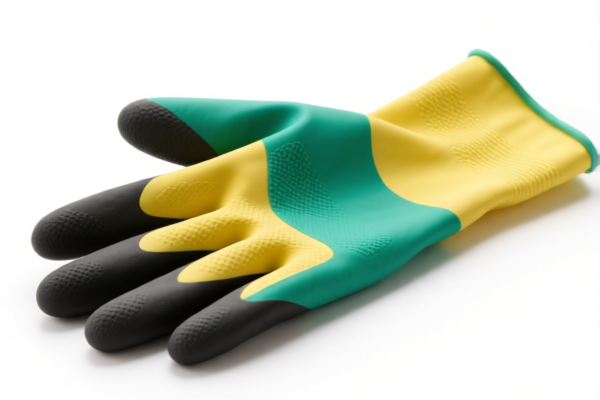
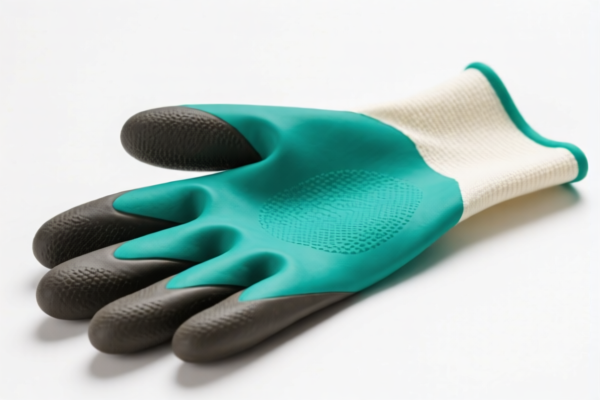
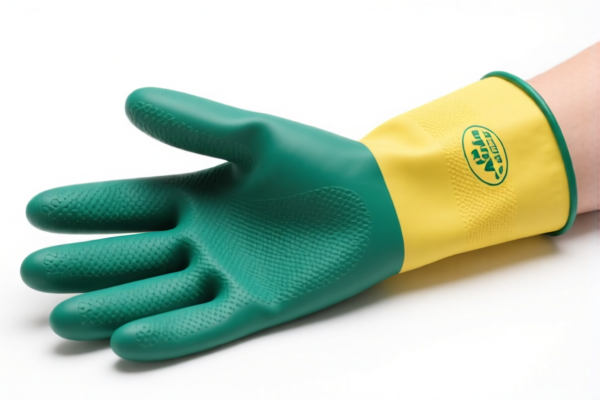
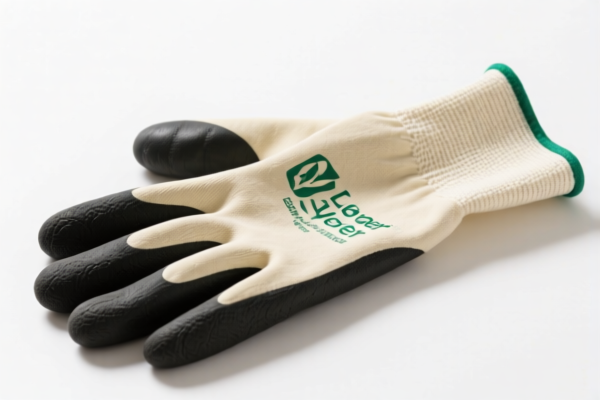
AI Analysis
🧤 Seamless Rubber Gardening Gloves (Agricultural/Nonspecific)
🌐 HS Code Reference & Customs Clearance Guide | 2026 Latest Tariff Analysis | Professional Entry Strategy
📌 Part 1: Product Definition & Classification Logic
Seamless Rubber Gardening Gloves are protective wear primarily designed for agricultural, horticultural, or industrial use. In international trade, the classification of these gloves depends heavily on their material composition, manufacturing method (seamless vs. lined), and specific design features (fingers vs. fingerless).
Key Classification Nuances: * Material: Primarily rubber or plastic (latex, nitrile, PVC). * Form: "Seamless" often implies a specific manufacturing process, but HS codes group them by whether they are lined, unlined, or made of specific rubber types. * Usage: Agricultural/Gardening context does not always change the HS code; the physical characteristics (Chapter 39 vs. Chapter 40 vs. Chapter 61) drive the classification.
⚠️ Critical Distinction:
- Are they vulcanized rubber garments (Chapter 40)? → Likely 4015.
- Are they plastic/rubber articles not elsewhere specified (Chapter 39/40 mix)? → Likely 3926.
- Are they knitted/crocheted with rubber impregnation? → Likely 6116.
📦 Part 2: HS Code Classification Details (2026 Latest Tariff Cross-Reference)
Based on the provided data, here are the four distinct classification pathways for "Seamless Rubber Gardening Gloves":
| HS Code | Product Description Summary | Classification Logic | Key Features |
|---|---|---|---|
4015.19.11.50 |
Rubber agricultural gloves, no fingers. | Chapter 40: Rubber goods. | Specifically for no-finger gloves made of rubber. |
4015.19.51.00 |
Rubber agricultural gloves. | Chapter 40: Vulcanized rubber clothing/accessories. | Classified as vulcanized rubber garments and accessories. |
3926.20.40.50 |
Rubber gloves, general category. | Chapter 39/40: Other articles of plastics/rubber. | Fits general logic for other gloves not specified elsewhere. |
6116.10.65.00 |
Rubber impregnated/covered gloves. | Chapter 61: Clothing accessories. | Specifically for gloves impregnated, covered, or coated with rubber/plastics. |
🔍 Important Note:
-3926.20.40.50appears twice in the source data with identical summaries and tax rates, indicating it is a robust, common classification for general rubber gloves.
-4015codes are stricter, relating to vulcanized rubber specifically for garments.
-6116applies if the glove structure is knitted/crocheted first, then coated/impregnated.
💰 Part 3: 2026 Tariff Rate Breakdown (Detailed Tax Analysis)
✅ Applicable Country: United States (US)
✅ Origin: China (CN)
✅ Effective Date: Current rates as per provided data
🎯 1. 4015.19.11.50 – Rubber Agricultural No-Finger Gloves
| Item | Detail |
|---|---|
| Base Tariff | 3.0% (Ad Valorem) |
| Section 301 Surcharge | 25.0% |
| Section 122 Tariff | 10.0% |
| Total Tax Rate | 38.0% |
| Calculation Basis | CIF Value × 38% |
| Legal Reference | Base: HTS 4015.19.11.50 → Surcharge: Sec 301 → Additional: Sec 122 |
📌 Explanation:
- This classification carries a high total tax burden of 38%.
- The 25% Section 301 tariff is standard for Chinese goods under this subheading.
- The 10% "Section 122" tariff (likely referring to specific retaliatory or emergency tariffs) adds further cost.
- Cost Impact: Significant. Must be factored into pricing models.
🎯 2. 4015.19.51.00 – Vulcanized Rubber Garments
| Item | Detail |
|---|---|
| Base Tariff | 14.0% |
| Section 301 Surcharge | 25.0% |
| Section 122 Tariff | 10.0% |
| Total Tax Rate | 49.0% |
| Calculation Basis | CIF Value × 49% |
| Legal Reference | Base: HTS 4015.19.51.00 → Surcharge: Sec 301 → Additional: Sec 122 |
📌 Warning:
- This is the highest tax bracket (49%) in the dataset.
- It classifies gloves as garments/accessories, which often have higher base duties (14%) than simple articles.
- Avoid this classification if possible unless the glove is strictly defined as vulcanized rubber clothing (e.g., long gauntlets).
🎯 3. 3926.20.40.50 – Other Rubber/Plastic Gloves
| Item | Detail |
|---|---|
| Base Tariff | 6.5% |
| Section 301 Surcharge | 0.0% |
| Section 122 Tariff | 10.0% |
| Total Tax Rate | 16.5% |
| Calculation Basis | CIF Value × 16.5% |
| Legal Reference | Base: HTS 3926.20.40.50 → Surcharge: None → Additional: Sec 122 |
📌 Optimization Tip:
- 16.5% is the most tax-efficient option in the list.
- Zero Section 301 Surcharge is a major advantage.
- Only the 10% Section 122 tariff applies.
- Recommendation: If the product fits this description (general rubber glove, not strictly vulcanized garment), pursue this classification to save 21.5%–32.5% in taxes.
🎯 4. 6116.10.65.00 – Impregnated/Covered Gloves
| Item | Detail |
|---|---|
| Base Tariff | 7.0% |
| Section 301 Surcharge | 7.5% |
| Section 122 Tariff | 10.0% |
| Total Tax Rate | 24.5% |
| Calculation Basis | CIF Value × 24.5% |
| Legal Reference | Base: HTS 6116.10.65.00 → Surcharge: Sec 301 (partial) → Additional: Sec 122 |
📌 Analysis:
- Moderate tax rate at 24.5%.
- Applies if the gloves are knitted/crocheted and then impregnated/coated with rubber.
- Lower Section 301 surcharge (7.5%) compared to 25%.
- Good middle-ground option if Chapter 40 is not applicable.
🛠️ Part 4: Customs Clearance Practical Advice
✅ 1. Documentation Checklist (Essential)
| Document | Required? | Notes |
|---|---|---|
| Commercial Invoice | ✔️ | Must clearly state "Seamless Rubber Gardening Gloves" |
| Packing List | ✔️ | Detail quantity, weight, and package dimensions |
| Product Specifications | ✔️ | Include material type (natural/synthetic rubber), lining status, and manufacturing process |
| Certificate of Origin | ✔️ | Crucial for determining surcharge eligibility |
| Test Reports | ✔️ | FDA (if food contact), REACH, or Prop 65 if applicable |
| Labeling | ✔️ | "Made in China" must be visible and legible |
✅ 2. Classification Strategy (Key Decisions)
| Scenario | Recommended HS Code | Reason |
|---|---|---|
| General Rubber Glove | 3926.20.40.50 |
Lowest Tax (16.5%). Best for cost optimization if product qualifies. |
| Knitted + Rubber Coated | 6116.10.65.00 |
Moderate Tax (24.5%). Use if structure is knitted fabric with rubber impregnation. |
| No-Finger Rubber Glove | 4015.19.11.50 |
High Tax (38%). Only use if specifically no-finger and rubber. |
| Vulcanized Rubber Garment | 4015.19.51.00 |
Highest Tax (49%). Avoid unless legally required by physical characteristics. |
🔥 Golden Rule:
"Check Material & Structure First!"
- If it’s knitted + coated →6116
- If it’s solid rubber/molded →3926or4015
- Avoid4015unless it’s clearly a garment (e.g., long, vulcanized) due to high duties.
✅ 3. Risk Mitigation
| Risk | Mitigation Strategy |
|---|---|
| Misclassification | Provide detailed photos and technical specs to customs broker for pre-clearance |
| High Tariff Burden | Consider 3926.20.40.50 if product allows; it saves ~30% vs. 4015.19.51.00 |
| Section 301 Exemption | Verify if product qualifies for any exclusions (though rare for general gloves) |
| Delayed Customs | Ensure all labels are compliant with US CBP requirements |
🌍 Part 5: Global Market Comparison (2026)
| Market | Preferred HS Code | Est. Tariff (China Origin) | Key Consideration |
|---|---|---|---|
| 🇺🇸 USA | 3926.20.40.50 |
16.5% | Lowest duty rate; avoid 4015 due to 25% surcharge |
| 🇺🇸 USA | 6116.10.65.00 |
24.5% | Good alternative if 3926 is not applicable |
| 🇪🇺 EU | 4015.19 |
Varies (often 0-4%) | No Section 301 or 122 tariffs; much lower cost |
| 🇨🇳 China | 4015.19 |
~5-10% | Import duties differ; focus on export market tariffs |
📌 Conclusion:
- USA is the most expensive market due to Section 301 and Section 122 tariffs.
-3926.20.40.50is the strategic choice for US entry to minimize costs.
📌 Part 6: Common Pitfalls & How to Avoid Them
❌ Pitfall 1: Classifying all rubber gloves as 4015.19.51.00
👉 Result: 49% tax → Massive profit loss.
✅ Fix: Determine if gloves are "garments" or "articles." Most gardening gloves are articles → 3926.
❌ Pitfall 2: Ignoring the "Seamless" manufacturing method
👉 Result: Customs may doubt the classification.
✅ Fix: Provide manufacturing process documentation (molded vs. knitted/coated).
❌ Pitfall 3: Assuming "Gardening" lowers the tariff
👉 Result: Misclassification. Usage does not override material/structure rules.
✅ Fix: Focus on material (rubber/plastic) and form (glove type).
🎯 Part 7: Final Recommendation
🎯 For Seamless Rubber Gardening Gloves:
- Best Case: Classify under
3926.20.40.50→ 16.5% Total Tax.- Why? Lowest burden, no Section 301 surcharge.
- Second Best: Classify under
6116.10.65.00→ 24.5% Total Tax.- Why? If gloves are knitted and coated.
- Worst Case: Classify under
4015.19.51.00→ 49.0% Total Tax.- Why? Only use if gloves are vulcanized rubber garments.
📞 Action Step:
Consult your customs broker with product samples and photos to confirm if they fall under3926or6116.
Do not assume they belong to Chapter 40 without verifying the vulcanization and garment status.
✨ Smart Classification Saves Money!
💼 16.5% vs. 49% is a huge difference. Choose wisely!
Customer Reviews
About HS Code Classification
The Harmonized System (HS) is an internationally standardized nomenclature developed by the World Customs Organization (WCO) to classify traded products. Over 200 countries use the HS system as the basis for customs tariffs, trade statistics, and import/export regulations.
Each HS code follows a hierarchical structure:
- Chapter (2 digits) — Broad category of goods (e.g., Chapter 84: Machinery and Mechanical Appliances)
- Heading (4 digits) — More specific grouping within the chapter
- Subheading (6 digits) — Internationally standardized breakdown, used by all WCO member countries
- National subdivisions (8-10 digits) — Country-specific extensions for further classification, such as US HTSUS 10-digit codes
Correct HS code classification is essential for smooth customs clearance, accurate duty payment, and compliance with trade regulations. Misclassification can lead to customs delays, overpayment of duties, or penalties.
When importing from CN to US, the applicable tariff rates may include:
- Most-Favored-Nation (MFN) rate — The standard duty rate applied to WTO members
- General rate — Applied to countries without trade agreements
- Trade remedy duties — Additional tariffs such as Section 301 (anti-dumping), Section 232 (national security), or countervailing duties
The information provided on this page is for reference purposes only. For official classification, please consult with your local customs authority or a licensed customs broker.