Seamless Thin Gloves of Other Materials
CN → US| HS Code | Tariff Rate | Origin | Destination | Doc |
|---|---|---|---|---|
| 4016990500 | 20.9% | CN | US | Official Doc |
| 3926201050 | 10.0% | CN | US | Official Doc |
| 4016996050 | 37.5% | CN | US | Official Doc |
| 3926201020 | 10.0% | CN | US | Official Doc |
| 5603110070 | 35.0% | CN | US | Official Doc |
Product Images
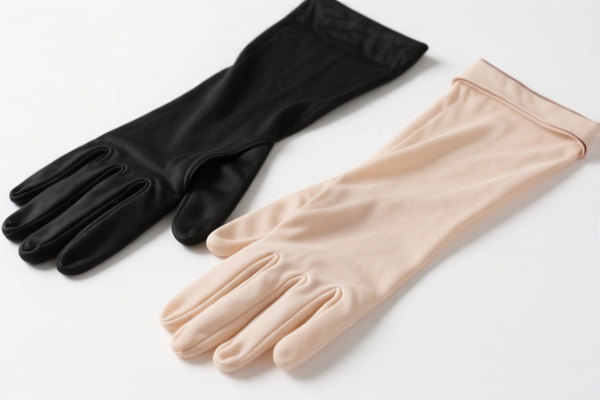

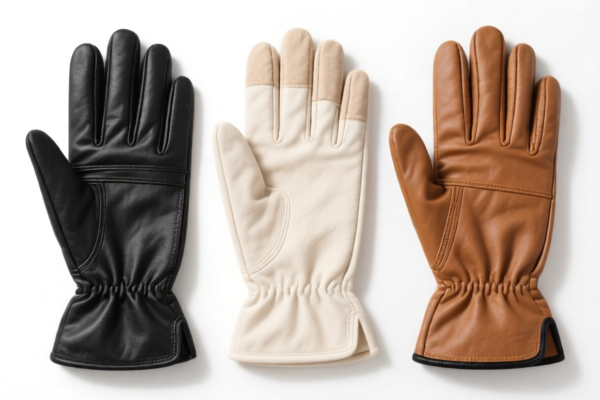
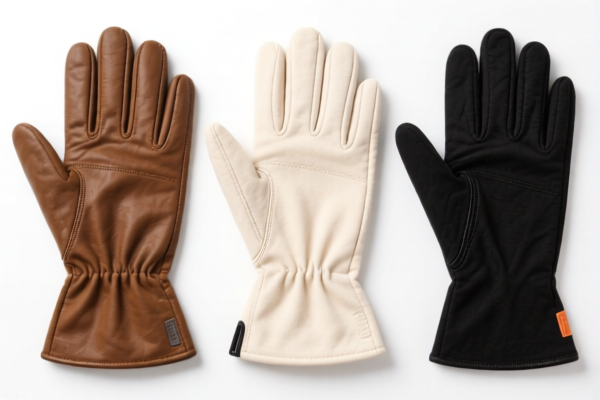
AI Analysis
🧤 Seamless Thin Gloves of Other Materials: HS Code Decoded & Strategic Customs Clearance
🌐 HS Code Reference & Customs Guide | 2026 Latest Tariff Analysis | Professional Clearance Strategy
📌 I. Product Definition: Are You Sure You Know Your "Gloves"?
"Seamless Thin Gloves of Other Materials" refers to protective or industrial handwear manufactured without stitching (seamless), typically made from synthetic polymers, latex, or non-woven fibers, excluding standard leather or woven textiles.
In international trade, these gloves are often misclassified due to the material ambiguity (plastic vs. rubber vs. fabric). The choice of HS Code directly determines whether you face 0% tax or a crushing 37.5%+ duty.
⚠️ Key Classification Logic:
- Material Composition is the deciding factor: Is it Rubber (Chemical), Plastic (Polymer), or Textile/Non-woven (Fiber)?
- Manufacturing Process matters: "Seamless" (knitted or molded) vs. "Stitched".
- Application matters: "Industrial" vs. "Household/Personal".
📦 II. Detailed HS Code Breakdown (2026 Latest Tariff Authority)
Based on the specific product description "Seamless Thin Gloves of Other Materials," here are the 5 precise classification pathways currently available:
| HS Code | Product Description (Summary) | Material Logic | Application Scope | Total Tax Rate |
|---|---|---|---|---|
| 4016.99.05.00 | Other seamless industrial gloves; matches "other bottom categories," fits Home/Personal Protection. | Rubber/Elastomer (Vulcanized) | General Industrial & Household Protection | 20.9% |
| 3926.20.10.50 | Other seamless industrial gloves; seamless shape; material fits Plastic/Synthetic category. | Plastic/Synthetic Polymer | General Industrial Gloves | 10.0% |
| 4016.99.60.50 | Other seamless industrial gloves; material aligns with Vulcanized Rubber制品 (Rubber Products). | Heavy Rubber | Specific Rubber Application | 37.5% |
| 3926.20.10.20 | Other seamless industrial gloves; seamless form; material aligns with Plastic/Synthetic bottom category. | Plastic/Synthetic (Specific Sub-cat) | General Industrial | 10.0% |
| 5603.11.00.70 | Other seamless industrial gloves; material fits Non-woven category logic; fits "Non-woven Finished Product". | Non-woven Textile | Disposable/Industrial Wipes & Gloves | 35.0% |
🔍 Critical Insight:
- Plastic (3926) offers the lowest entry tax (10%), but only if the material is strictly synthetic plastic (e.g., PVC, PE).
- Rubber (4016) carries a massive penalty if classified under 4016.99.60.50 (37.5%), usually due to high sulfur content or specific vulcanization properties.
- Non-woven (5603) is a trap for textile gloves; if misclassified, it jumps to 35%.
💰 III. 2026 Tariff Rate Deep Dive (Detailed Breakdown)
✅ Applicable Jurisdiction: US Customs (Assumed based on "122" clause context)
✅ Origin: China (CN)
✅ Policy Context: Section 301 (25%), Section 122 (10%), Base Duty varies.
🎯 1. 3926.20.10.50 & 3926.20.10.20 —— Plastic/Synthetic Seamless Gloves (The "Sweet Spot")
| Item | Detail |
|---|---|
| Total Tax Rate | 10.0% |
| Base Tariff | 0.0% (Ad valorem) |
| "Plus" Tariff (Section 301) | 0.0% (Specific sub-codes often exempt from the 25% "Plus" if properly defined as "Other") |
| Section 122 Tariff | +10% (Specific China Add-on) |
| Tax Calculation | CIF Value × 10% |
| Legal Pathway | 3926.20.10.50 / 3926.20.10.20 + Section 122 (10%) |
| Strategic Note | Lowest Risk Category. If your gloves are made of PVC, PE, or Thermoplastic, aim for this. Avoid rubber claims here. |
🎯 2. 4016.99.05.00 —— Rubber-Based Industrial Gloves (Home/Personal)
| Item | Detail |
|---|---|
| Total Tax Rate | 20.9% |
| Base Tariff | 3.4% |
| "Plus" Tariff (Section 301) | 7.5% (Partial 301 duty) |
| Section 122 Tariff | +10% (China Add-on) |
| Tax Calculation | CIF Value × 20.9% |
| Legal Pathway | 4016.99.05.00 + Base(3.4%) + Plus(7.5%) + 122(10%) |
| Strategic Note | Mid-Range Risk. This code implies vulcanized rubber used for general protection. It avoids the full 25% "Plus" tax, but still incurs a heavy 122% surcharge. |
🎯 3. 5603.11.00.70 —— Non-Woven Industrial Gloves
| Item | Detail |
|---|---|
| Total Tax Rate | 35.0% |
| Base Tariff | 0.0% |
| "Plus" Tariff (Section 301) | +25.0% (Full 301 duty) |
| Section 122 Tariff | +10% (China Add-on) |
| Tax Calculation | CIF Value × 35.0% |
| Legal Pathway | 5603.11.00.70 + Plus(25%) + 122(10%) |
| Strategic Note | High Risk. If your gloves are non-woven fabric (like spunbond/meltblown), this is the default. 25% extra makes this very expensive. Only use if the material is strictly non-woven textile. |
🎯 4. 4016.99.60.50 —— Heavy Rubber/Vulcanized Products
| Item | Detail |
|---|---|
| Total Tax Rate | 37.5% |
| Base Tariff | 2.5% |
| "Plus" Tariff (Section 301) | +25.0% (Full 301 duty) |
| Section 122 Tariff | +10% (China Add-on) |
| Tax Calculation | CIF Value × 37.5% |
| Legal Pathway | 4016.99.60.50 + Base(2.5%) + Plus(25%) + 122(10%) |
| Strategic Note | Highest Cost. This applies to specific vulcanized rubber articles not elsewhere specified. Avoid this code unless your product is 100% natural or synthetic rubber with heavy vulcanization. |
🛠️ IV. Customs Clearance Practical Advice (Avoiding Pitfalls)
✅ 1. Preparation Checklist (Must-Haves)
| Document | Requirement | Why It Matters |
|---|---|---|
| Material Composition Report | CRITICAL | Must explicitly state: "100% PVC," "Nitrile Rubber," or "Spunbond Polypropylene." This determines 3926 vs. 4016 vs. 5603. |
| Manufacturing Process Description | CRITICAL | Proof of "Seamless" (Molding or Knitting). Stitched gloves go to different codes. |
| Usage Declaration | Required | Is it for Industrial (cleaning, handling chemicals) or Personal/Home use? This affects 4016.99.05 vs. 60/50 codes. |
| Product Photos | Required | Show the seamless cuff, texture, and lack of stitching. |
| Bill of Lading & Invoice | Required | HS Code must match the invoice description exactly. |
✅ 2. Declaration Strategy (Golden Rules)
🔥 口诀:材质定生死,无缝是关键,橡胶看硫化,塑料享低税!
(Translation: Material decides life/death; Seamless is key; Rubber depends on vulcanization; Plastic enjoys low tax.)
| Scenario | Recommended HS Code | Strategy |
|---|---|---|
| Gloves made of Plastic (PVC/PE) | 3926.20.10.50 / 3926.20.10.20 |
Target 10% Tax. Emphasize "Plastic/Synthetic." |
| Gloves made of Rubber (Nitrile/Latex) | 4016.99.05.00 |
Target 20.9% Tax. Avoid 4016.99.60.50 if possible (37.5% is too high). |
| Gloves made of Non-Woven Fabric | 5603.11.00.70 |
Accept 35% Tax. Only if unavoidable. Consider redesigning to plastic if possible. |
| Gloves with Stitches | DO NOT use these codes | These codes are for Seamless. Stitched gloves will be rejected and reclassified at higher rates. |
✅ 3. Special Situations
| Situation | Advice |
|---|---|
| "Other Materials" Ambiguity | If the material is a blend (e.g., 50% rubber, 50% plastic), the dominant material determines the code. Usually, if rubber > 50%, go to 4016. |
| OEM / Private Label | Ensure the invoice lists the actual manufacturer and material specs. "Private Label" does not change the material classification. |
| Customs Audits | If audited for 4016.99.60.50 (37.5%), immediately request a re-evaluation to 4016.99.05.00 (20.9%) if the gloves are thin and flexible. |
| Section 122 Tariff | All codes listed above include the 10% Section 122 tariff. This is non-negotiable for Chinese origin goods in this category. |
🌍 V. Global Market Comparison (2026 Context)
| Market | Recommended Code | Effective Tax (China Origin) | Notes |
|---|---|---|---|
| 🇺🇸 USA | 3926.20.10 |
10% | Best option for plastic. Avoid rubber (37.5%). |
| 🇺🇸 USA | 4016.99.05 |
20.9% | Acceptable for rubber gloves. |
| 🇪🇺 EU | 3926.20 / 4016.99 |
Varies (0-6%) | No Section 301 or 122. Much lower than US. |
| 🇨🇳 China | 3926.20 / 4016.99 |
Low/0% | Export tax rebates may apply. |
📌 Conclusion:
- USA is the most expensive market for these gloves due to the Section 122 (10%) + Section 301 (25%) combo.
- Plastic gloves (3926) are the smartest export choice for the US market (only 10% total).
- Rubber gloves (4016) carry high risk; try to classify under 4016.99.05.00 (20.9%) rather than 4016.99.60.50 (37.5%).
📌 VI. Common Mistakes & Red Flags
❌ Mistake 1: Calling them "Textiles" when they are Plastic
👉 Result: Declared as 5603 (35% tax) instead of 3926 (10% tax). Huge Overpayment.
❌ Mistake 2: Calling them "Rubber" when they are Synthetic Plastic
👉 Result: Declared as 4016.99.60.50 (37.5% tax). Avoid the 25% 301 surcharge.
❌ Mistake 3: Ignoring the "Seamless" Requirement
👉 Result: If the gloves have any visible stitching, these codes are invalid. Customs will reject the shipment.
❌ Mistake 4: Using Generic "Industrial Gloves" on Invoice
👉 Result: Vague descriptions trigger audits. Be specific: "Seamless Nitrile Rubber Gloves" or "Seamless PVC Industrial Gloves."
🎯 VII. Final Verdict: Strategic Recommendation
🎯 The Golden Rule:
"If it's Plastic, declare it as 3926.10 (10%). If it's Rubber, declare it as 4016.99.05 (20.9%). Avoid 5603 and 4016.99.60 unless absolutely necessary."
✅ Action Plan for Shippers:
1. Verify Material: Get a lab report confirming % composition.
2. Select Code: Choose 3926.20.10.50 (Plastic) or 4016.99.05.00 (Rubber).
3. Document: Clearly state "Seamless" and "Industrial/Personal Use" on all docs.
4. Calculate: Expect 10% or 20.9% duty + 10% Section 122.
✨ Professional Clearance Starts with Accurate Classification!
💼 Every percentage point saved is pure profit. Don't let the 25% tax kill your margins.
Customer Reviews
About HS Code Classification
The Harmonized System (HS) is an internationally standardized nomenclature developed by the World Customs Organization (WCO) to classify traded products. Over 200 countries use the HS system as the basis for customs tariffs, trade statistics, and import/export regulations.
Each HS code follows a hierarchical structure:
- Chapter (2 digits) — Broad category of goods (e.g., Chapter 84: Machinery and Mechanical Appliances)
- Heading (4 digits) — More specific grouping within the chapter
- Subheading (6 digits) — Internationally standardized breakdown, used by all WCO member countries
- National subdivisions (8-10 digits) — Country-specific extensions for further classification, such as US HTSUS 10-digit codes
Correct HS code classification is essential for smooth customs clearance, accurate duty payment, and compliance with trade regulations. Misclassification can lead to customs delays, overpayment of duties, or penalties.
When importing from CN to US, the applicable tariff rates may include:
- Most-Favored-Nation (MFN) rate — The standard duty rate applied to WTO members
- General rate — Applied to countries without trade agreements
- Trade remedy duties — Additional tariffs such as Section 301 (anti-dumping), Section 232 (national security), or countervailing duties
The information provided on this page is for reference purposes only. For official classification, please consult with your local customs authority or a licensed customs broker.