Seamless Transparent Tape
CN → US| HS Code | Tariff Rate | Origin | Destination | Doc |
|---|---|---|---|---|
| 3919905040 | 40.8% | CN | US | Official Doc |
| 3919102040 | 40.8% | CN | US | Official Doc |
| 3919905040 | 40.8% | CN | US | Official Doc |
| 3919905040 | 40.8% | CN | US | Official Doc |
| 3919102040 | 40.8% | CN | US | Official Doc |
Product Images
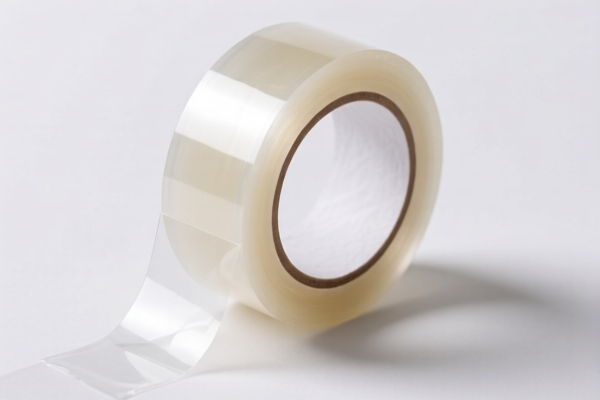
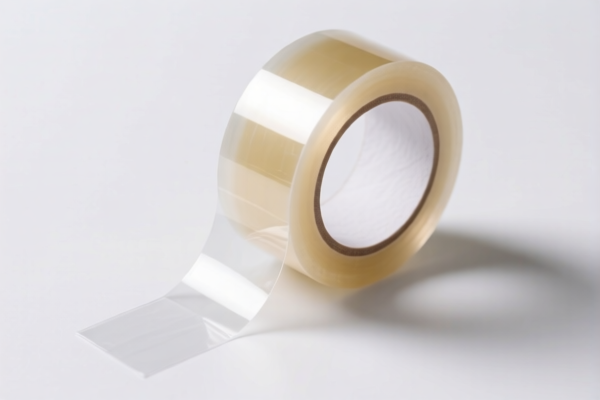
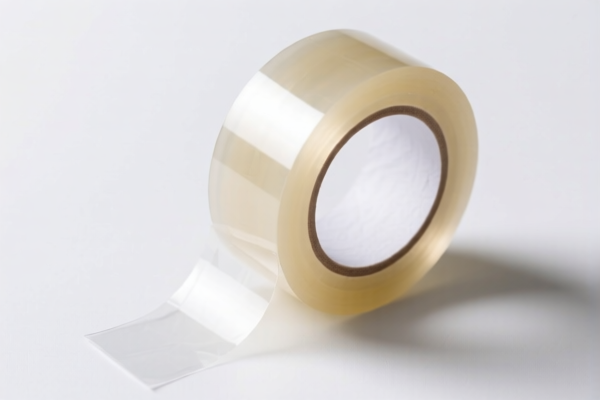
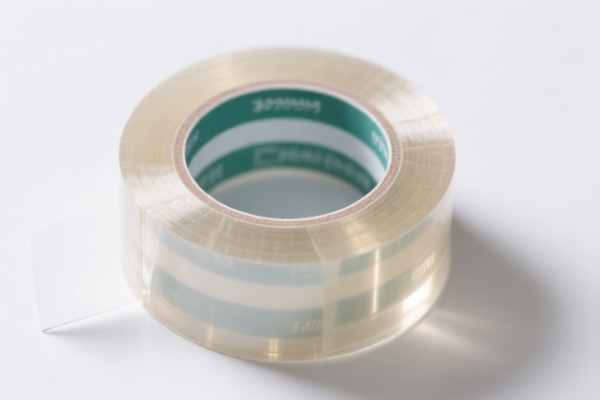
AI Analysis
🎀 Seamless Transparent Tape (The Ultimate Adhesive Solution)
🌐 HS Code Reference & Customs Clearance Guide | 2026 Latest Tariff Analysis | Professional-Level Clearance Strategy
📌 I. Product Definition & Classification: Do You Really Understand "Seamless Transparent Tape"?
Seamless transparent tape is a ubiquitous adhesive product used for packaging, sealing, office supplies, and industrial applications. In international trade, it falls under Chapter 39: Plastics and Articles Thereof. Specifically, it is classified as a self-adhesive plastic tape.
Key Attributes: * Material: Plastic (typically BOPP - Biaxially Oriented Polypropylene, or PVC). * Form: Roll form, self-adhesive, transparent. * Feature: "Seamless" indicates it is a continuous sheet without longitudinal seams, which reinforces its classification as a standard plastic tape rather than a woven textile or fabric tape.
⚠️ Key Distinction:
- If the tape is Plastic-based (e.g., BOPP, PVC) → Classified under 3919 (Plastics self-adhesive products).
- If the tape is Textile/Paper-based → Classified under different chapters (e.g., 5906 or 4823), but "Transparent Tape" almost exclusively refers to plastic BOPP/PVC in general commerce.
📦 II. HS Code Classification Details (2026 Latest Tariff Authority Comparison)
Based on the provided data, the product "Seamless Transparent Tape" matches two primary HS Codes due to minor sub-heading variations, but the tax implication is identical.
| HS Code | Product Description | Matching Criteria from Data | Tax Applicability |
|---|---|---|---|
3919.90.50.40 |
Other self-adhesive plates, sheets, film, foil, strip and other shapes of plastics, whether or not in rolls | Match Confirmed. The item is a tape (shape), inferred as plastic (material), and "Seamless/Transparent" aligns with general plastic adhesive strips. | ✅ 40.8% Total |
3919.10.20.40 |
Self-adhesive plates, sheets, film, foil, strip and other shapes of plastics, whether or not in rolls, of a width of ≤ 20 cm | Match Confirmed. "Transparent tape" often comes in widths ≤ 20cm. The description "Transparent Tape" matches the category. Material inferred as plastic. | ✅ 40.8% Total |
🔍 Critical Note:
- Both codes lead to the same total tax rate of 40.8%.
- The distinction between3919.90(Other) and3919.10(Specific width/material subtype) depends on the exact width and specific plastic type, but for clearance purposes, both are subject to the same high tariff structure for Chinese-origin goods entering the US.
- "Seamless" is a performance/format descriptor that does not change the fundamental plastic self-adhesive nature of the product.
💰 III. 2026 Latest Tariff Rate Details (Including Additional Duties & Policy Surcharges)
✅ Applicable Country: United States (US)
✅ Origin: China (CN)
✅ Effective Time: Post-2025/2026 Trade Policies (Including Section 301 & 122 Clauses)
🎯 1. 3919.90.50.40 & 3919.10.20.40 —— Self-Adhesive Plastic Tape (Transparent)
| Item | Content |
|---|---|
| Base Tariff Rate | 5.8% (Standard Most Favored Nation Rate for Plastics) |
| Section 301 Additional Tariff | +25.0% (Specific to Chinese plastic articles and adhesive products) |
| Section 122 Clause Tariff | +10.0% (Specific additional surcharge applicable to this category) |
| Total Tax Rate | 40.8% |
| Tax Calculation | CIF Value × 40.8% |
| De Minimis Exemption? | ❌ NOT ELIGIBLE (High tariff rates exceed the de minimis threshold benefits; risk of seizure/penalty if misdeclared) |
| Legal Basis Path | USITC:3919.90.50.40 / 3919.10.20.40 → SECTION301:25% → SECTION122:10% |
📌 Explanation:
- "Base Tariff 5.8%": The standard duty for plastic self-adhesive tapes.
- "Section 301 Tariff 25%": The significant punitive tariff imposed on a wide range of Chinese goods, including plastic articles.
- "Section 122 Tariff 10%": An additional specific clause tariff applied to this item type in the current regulatory environment.
- Total 40.8%: This is a VERY HIGH effective tax rate. Importers must factor this into their pricing strategy immediately.
🛠️ IV. Customs Clearance Practical Advice (Real-World Pitfall Avoidance Guide)
✅ 1. Preparation Checklist (Missing Documents Will Cause Delays)
| Document | Required? | Purpose |
|---|---|---|
| ✅ Product Specification Sheet | ✔️ | Must confirm material is Plastic (BOPP/PVC) and width < 20cm (if claiming 3919.10). |
| ✅ Material Composition Statement | ✔️ | Explicitly state: "100% Plastic, Adhesive Coated, No Textile Reinforcement." |
| ✅ Product Images | ✔️ | Clear photos showing the roll, label, and transparent nature. |
| ✅ Commercial Invoice | ✔️ | Describe as "Transparent Adhesive Plastic Tape" – do NOT use vague terms like "Cling Film" (which may be 3920) or "Paper Tape". |
| ✅ Packaging List | ✔️ | Details on weight, dimensions, and number of rolls. |
| ✅ Country of Origin Certificate | ✔️ | Proves Chinese origin (triggering the 40.8% rate). |
💡 Pro Tip: If your tape contains any textile backing or is actually Paper-based, the HS Code changes completely (and the tax may differ). "Transparent" alone does not guarantee HS 3919 if the substrate is paper. Ensure your material is Plastic.
✅ 2. Declaration Strategy (Key Mantra)
🔥 "Plastic Core, Self-Adhesive, No Cloth, No Paper!"
| Scenario | Correct Declaration | Wrong Practice | Consequence |
|---|---|---|---|
| Standard BOPP Tape | 3919.90.50.40 or 3919.10.20.40 |
Calling it "Packaging Film" (3920) | Misclassification → Penalty + Back Taxes |
| Masking Tape (Paper) | 4823.90.00.00 |
Calling it "Plastic Tape" | Wrong Tax Rate (Lower or Higher) → Audit |
| Transparent Tape with Fabric Mesh | 5906.xxxx |
Calling it "Plastic Tape" | Wrong Chapter → Seizure |
| Seamless Transparent Tape | 3919.90.50.40 |
Omitting "Plastic" in description | Customs may demand additional proof of material |
✅ 3. Special Considerations for "Seamless"
- "Seamless" is not a HS Code Trigger: The term "Seamless" describes the manufacturing process (continuous winding) but does not create a new tariff category. It is still classified under 3919.
- Width Matters: If the tape width is greater than 20 cm, it MUST go to
3919.90.50.40. If it is 20 cm or less, it can go to3919.10.20.40(depending on specific plastic type). Most office/clearance tapes are < 20cm, so3919.10.20.40is often used, but3919.90.50.40is the safe fallback. Both have the same tax rate.
🌍 V. Global Market Comparison (2026 Outlook)
| Country/Region | Recommended HS Code | Tariff (China Origin) | Notes |
|---|---|---|---|
| 🇺🇸 USA | 3919.90.50.40 / 3919.10.20.40 |
40.8% | High burden due to Section 301 + 122. |
| 🇨🇳 China (Import) | 3919.90.50.40 |
Low (Check FTAs) | If sourced from Vietnam/Malaysia, may be lower. |
| 🇪🇺 EU | 3919.10.00 / 3919.90.00 |
Varies (0-6.5%) | No Section 301 equivalent, but anti-dumping duties may apply. |
| 🇬🇧 UK | 3919.10.00 / 3919.90.00 |
Varies | Post-Brexit tariffs apply. |
📌 Conclusion:
- The USA is the most expensive market for this product due to the layered tariffs (5.8% + 25% + 10%).
- Strategic Suggestion: If importing to the US, consider supply chain diversification (e.g., sourcing from Vietnam, Thailand, or Malaysia) to potentially avoid the 25% Section 301 duty, though Section 122 may still apply depending on origin rules.
📌 VI. Common Mistakes & Pitfalls (Lessons Learned)
❌ Mistake 1: Declaring "Transparent Tape" as "Clings Film" (HS 3920)
👉 Consequence: Wrong HS Code. Cling film is often for food preservation and has different tax rates. Misdeclaration leads to fines.
❌ Mistake 2: Ignoring the "Plastic" Component
👉 Consequence: If the adhesive is water-based and the backing is paper, it is NOT 3919. It might be 4823. Using the wrong code causes tax underpayment and later audits.
❌ Mistake 3: Assuming "Seamless" means "No Duty" or "Lower Duty"
👉 Consequence: "Seamless" is a technical descriptor, not a tariff incentive. The 40.8% rate applies regardless of the seam.
✅ Correct Practice:
"Self-Adhesive Tape, BOPP Material, Transparent, Width: 18mm, Roll Form, Plastic, Origin: China"
🎯 VII. Conclusion: Precise Classification Saves Money!
🎯 Remember the Mantra:
🔹 "Plastic + Adhesive = 3919"
🔹 "China Origin = 40.8% Total Tax (5.8% Base + 25% Sec301 + 10% Sec122)"
🔹 "Width < 20cm? Try 3919.10. But 3919.90 is safer if unsure."
📌 Small Tip:
If your volume is high, apply for a Binding Tariff Information (BTI) or Ruling from CBP (Customs and Border Protection) for the exact HS code. This provides legal certainty against the 40.8% rate and prevents retroactive duties.
📣 Immediate Action:
📞 Consult a licensed customs broker.
📄 Verify material composition (Is it 100% Plastic?).
📉 Calculate landed cost including 40.8% tax.
🚀 Optimize your supply chain to mitigate high US tariffs.
✨ Professional Clearance Starts with Accurate Classification!
💼 Your Cost Efficiency Depends on These Numbers!
Customer Reviews
About HS Code Classification
The Harmonized System (HS) is an internationally standardized nomenclature developed by the World Customs Organization (WCO) to classify traded products. Over 200 countries use the HS system as the basis for customs tariffs, trade statistics, and import/export regulations.
Each HS code follows a hierarchical structure:
- Chapter (2 digits) — Broad category of goods (e.g., Chapter 84: Machinery and Mechanical Appliances)
- Heading (4 digits) — More specific grouping within the chapter
- Subheading (6 digits) — Internationally standardized breakdown, used by all WCO member countries
- National subdivisions (8-10 digits) — Country-specific extensions for further classification, such as US HTSUS 10-digit codes
Correct HS code classification is essential for smooth customs clearance, accurate duty payment, and compliance with trade regulations. Misclassification can lead to customs delays, overpayment of duties, or penalties.
When importing from CN to US, the applicable tariff rates may include:
- Most-Favored-Nation (MFN) rate — The standard duty rate applied to WTO members
- General rate — Applied to countries without trade agreements
- Trade remedy duties — Additional tariffs such as Section 301 (anti-dumping), Section 232 (national security), or countervailing duties
The information provided on this page is for reference purposes only. For official classification, please consult with your local customs authority or a licensed customs broker.