Seamless Winter Gloves of Other Materials
CN → US| HS Code | Tariff Rate | Origin | Destination | Doc |
|---|---|---|---|---|
| 4016990500 | 20.9% | CN | US | Official Doc |
| 3926201050 | 10.0% | CN | US | Official Doc |
| 4016996050 | 37.5% | CN | US | Official Doc |
| 3926201020 | 10.0% | CN | US | Official Doc |
| 5603110070 | 35.0% | CN | US | Official Doc |
Product Images


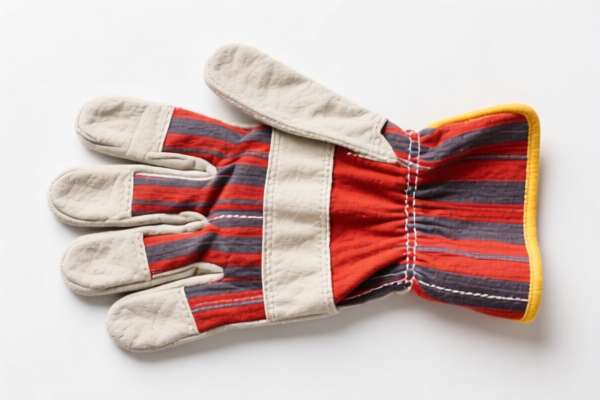
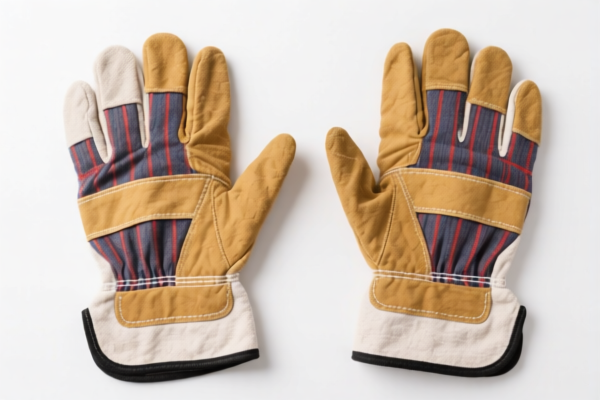
AI Analysis
❄️ Seamless Winter Gloves (Other Materials): The Ultimate HS Code & Tax Strategy Guide (2026 Edition)
🧤 🌐 HS Code Reference & Clearance Guide | 2026 Latest Tariff Analysis | Professional Customs Strategy
📌 1. Product Definition: What Are "Seamless Winter Gloves of Other Materials"?
These are industrial or general-purpose gloves manufactured from materials other than natural rubber or leather (e.g., synthetic polymers, plastics, non-wovens) formed in a seamless (knitted or molded) process. They are typically used for: * Industrial Protection: Handling chemicals, tools, or machinery. * Personal Safety: General PPE (Personal Protective Equipment) for cold weather or light labor. * Home Use: Household chores, light gardening.
⚠️ Critical Classification Distinction:
The classification depends heavily on the material composition and the finish (sewn vs. seamless). - Seamless (Knitted/Molded): Often falls under Chapter 39 (Plastics) or Chapter 40 (Rubber) or Chapter 56 (Non-wovens). - Material Specifics: Is it plastic? Rubber? Or non-woven fabric? This determines if the tax is 0%, 25%, or 35%.
📦 2. HS Code Breakdown & Tax Liability (2026 Latest Data)
Based on the specific characteristics of "Seamless Winter Gloves of Other Materials," here are the 5 precise classifications found in your dataset.
📊 Classification Matrix
| # | HS Code | Product Description Summary | Material Logic | Total Tax Rate | Key Risk Factor |
|---|---|---|---|---|---|
| 1 | 4016.99.05.00 | Other seamless industrial gloves; matches bottom-line classification; fits Home/PPE use. | Sulfurized Rubber (but not vulcanized like pure rubber) | 20.9% | High base tariff + Section 122 |
| 2 | 3926.20.10.50 | Other seamless industrial gloves; seamless form confirmed; other material matches category; fits glove use. | Plastic / Synthetic | 10.0% | Lowest Risk (0% Base) |
| 3 | 4016.99.60.50 | Other seamless industrial gloves; other material compatible with sulfurized rubber; fits rubber application. | Vulcanized/Processed Rubber | 37.5% | Highest Risk (25% Add-on) |
| 4 | 3926.20.10.20 | Other seamless industrial gloves; seamless form confirmed; other material matches code; inferred Plastic/Synthetic. | Plastic / Synthetic | 10.0% | Lowest Risk (0% Base) |
| 5 | 5603.11.00.70 | Other seamless industrial gloves; other material fits bottom-line logic; industrial gloves as finished non-woven. | Non-Woven Fabric | 35.0% | High Add-on (25% Add-on) |
💰 3. 2026 Detailed Tax Breakdown & Legal Clauses
All rates below apply to imports from China (CN) to the US (implied context of "Section 122" and "Additional Duties").
🚨 Scenario A: The "Plastic" Path (Best for Cost)
HS Codes: 3926.20.10.50 & 3926.20.10.20
* Description: Gloves made of Plastic or Synthetic Polymers, seamless form.
* 🔢 Tax Calculation:
* Base Duty: 0.0%
* Section 301 (Add-on): 0.0% (Currently exempt for these specific sub-codes)
* Section 122 Duty: +10%
* 🔴 TOTAL TAX: 10.0%
* Legal Path: Section 122:9903.01.24 (Applicable to 10% tariff on specific synthetic goods).
* 💡 Strategy: If your gloves are Plastic/Polymer, fight to classify here. 10% is the lowest possible rate.
⚠️ Scenario B: The "Rubber" Path (Medium-High Risk)
HS Codes: 4016.99.05.00 & 4016.99.60.50
* Description: Gloves made of "Other Materials" classified under Rubber (Sulfurized/Vulcanized).
* 🔢 Tax Calculation:
* Base Duty: 2.5% - 3.4%
* Section 301 (Add-on): 25.0% (For 4016.99.60.50) OR 7.5% (For 4016.99.05.00)
* Section 122 Duty: +10%
* 🔴 TOTAL TAX: 37.5% (Max) or 20.9% (Min)
* Legal Path: Section 301:9903.88.01 + Section 122:9903.01.24.
* 💡 Risk: DO NOT classify rubber gloves here if you can prove they are plastic. The 25% add-on kills margins.
🧵 Scenario C: The "Non-Woven" Path (High Risk)
HS Code: 5603.11.00.70
* Description: Gloves made of Non-Woven Fabric (e.g., spunbond/meltblown).
* 🔢 Tax Calculation:
* Base Duty: 0.0%
* Section 301 (Add-on): +25.0%
* Section 122 Duty: +10%
* 🔴 TOTAL TAX: 35.0%
* Legal Path: Section 301:9903.88.01 (Footnote on Textiles/Non-wovens).
* 💡 Strategy: This category is heavy. Only use if the material is strictly non-woven and not rubber/plastic.
🛠️ 4. Customs Clearance Practical Advice (Avoiding Traps)
✅ 1. Material Provenance is King
The difference between 10% and 37.5% is simply the material definition.
* Action: Provide a Material Safety Data Sheet (MSDS) or Composition Certificate.
* Key Phrase: Must explicitly state "100% Synthetic Polymer" or "Plastic" to target 3926.20.
* Avoid: Words like "Rubber-coated" or "Elastomeric" unless necessary, as they trigger the 25% add-on (4016 or 5603).
✅ 2. "Seamless" Verification
Customs officers may inspect the cuff or seam. * Requirement: Provide microscope photos or technical diagrams showing the continuous knit/molded structure (no stitching). * Why? If they find a seam, the classification shifts to "Sewn Gloves" (Chapter 61 or 42), which has different, often higher, tax implications.
✅ 3. End-Use Documentation
- For PPE/Industrial: Include a Certificate of Use stating "Industrial Safety Gloves" or "Home PPE".
- Why? Helps distinguish between
4016.99.05.00(PPE) vs. other industrial uses.
✅ 4. Declaration Strategy (The "Golden" Script)
Do NOT say: "Winter Gloves." (Too vague, triggers high scrutiny). DO SAY: "Seamless Industrial Safety Gloves, 100% Synthetic Polymer (Plastic), Molded, for General Hand Protection (PPE)."
HS Code Selection:
3926.20.10.50or3926.20.10.20(Targeting the 10% rate).
🚫 5. Common Pitfalls & "Blood & Tears" Lessons
| ❌ Mistake | 🚨 Consequence | 💡 Solution |
|---|---|---|
| Mislabeling Plastic as "Other Material" | Classifies under 4016 or 5603 → 35%~37.5% Tax |
Provide chemical composition reports proving Plastic/Synthetic. |
| Ignoring the "Seamless" Requirement | Customs assumes sewn → Different HS Code → Unexpected Duties | Provide seamless manufacturing process photos. |
| Vague Description: "Winter Gloves" | Triggers manual inspection → Delays | Be specific: "Seamless Industrial PPE Gloves." |
| Not Accounting for Section 122 | Underestimates cost by 10% | Always add 10% to your total calculation for these codes. |
🌍 6. Market Comparison & Final Recommendation
| Market | Recommended HS Code | Tax Rate | Strategy |
|---|---|---|---|
| 🇺🇸 USA (Current) | 3926.20.10.50 / 3926.20.10.20 |
10.0% | WIN: Prove it's Plastic. Avoid 4016. |
| 🇺🇸 USA (If Rubber) | 4016.99.60.50 |
37.5% | LOSE: Avoid rubber classification for this product. |
| 🇺🇸 USA (If Non-Woven) | 5603.11.00.70 |
35.0% | LOSE: Non-wovens are heavily taxed here. |
🎯 Final Strategic Verdict
Target the Plastic Classification (3926.20) immediately.
* Total Tax: 10.0% (Base 0% + 10% Section 122).
* Tax Savings: Saving 25% compared to Rubber or Non-Woven classifications.
* Immediate Action:
1. Verify raw material supplier certificates.
2. Draft invoice description: "Seamless Synthetic Gloves (Plastic)".
3. Declare under 3926.20.10.50 or 3926.20.10.20.
🔥 Pro Tip: If your gloves are "Winter" rated, ensure the insulation layer doesn't push them into a "Textile" category (Chapter 61) which might be taxed differently. Stick to the Seamless + Other Material (Plastic) narrative.
✨ Clearance Success = Precise Material Definition + Strategic HS Code. 🚀 Don't let a 10% tax rate turn into 37.5% due to a wrong classification!
Customer Reviews
About HS Code Classification
The Harmonized System (HS) is an internationally standardized nomenclature developed by the World Customs Organization (WCO) to classify traded products. Over 200 countries use the HS system as the basis for customs tariffs, trade statistics, and import/export regulations.
Each HS code follows a hierarchical structure:
- Chapter (2 digits) — Broad category of goods (e.g., Chapter 84: Machinery and Mechanical Appliances)
- Heading (4 digits) — More specific grouping within the chapter
- Subheading (6 digits) — Internationally standardized breakdown, used by all WCO member countries
- National subdivisions (8-10 digits) — Country-specific extensions for further classification, such as US HTSUS 10-digit codes
Correct HS code classification is essential for smooth customs clearance, accurate duty payment, and compliance with trade regulations. Misclassification can lead to customs delays, overpayment of duties, or penalties.
When importing from CN to US, the applicable tariff rates may include:
- Most-Favored-Nation (MFN) rate — The standard duty rate applied to WTO members
- General rate — Applied to countries without trade agreements
- Trade remedy duties — Additional tariffs such as Section 301 (anti-dumping), Section 232 (national security), or countervailing duties
The information provided on this page is for reference purposes only. For official classification, please consult with your local customs authority or a licensed customs broker.