Seasoning Box
CN → US| HS Code | Tariff Rate | Origin | Destination | Doc |
|---|---|---|---|---|
| 3924101000 | 13.4% | CN | US | Official Doc |
| 3924104000 | 13.4% | CN | US | Official Doc |
| 7310290065 | 85.0% | CN | US | Official Doc |
| 7310210075 | 85.0% | CN | US | Official Doc |
| 6911104100 | 16.3% | CN | US | Official Doc |
| 6911108010 | 38.3% | CN | US | Official Doc |
Product Images
AI Analysis
🧂 Seasoning Box (Dispensers & Containers)
🌐 HS Code Reference & Customs Clearance Guide | 2026 Latest Tariff Analysis | Strategic Compliance for Kitchenware & Metal Containers
📌 I. Product Definition: What is a "Seasoning Box"?
In international trade, the term "Seasoning Box" is ambiguous and can refer to two entirely different categories of goods depending on the material and function:
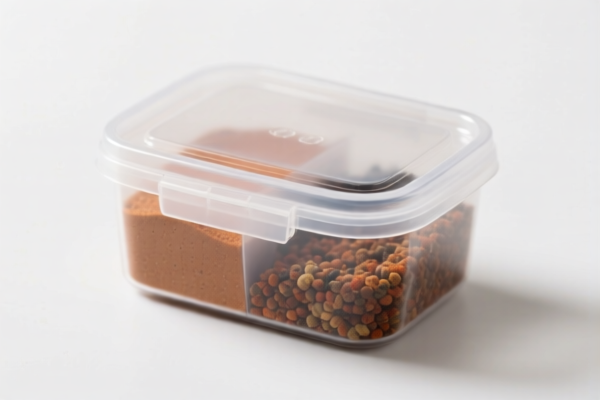
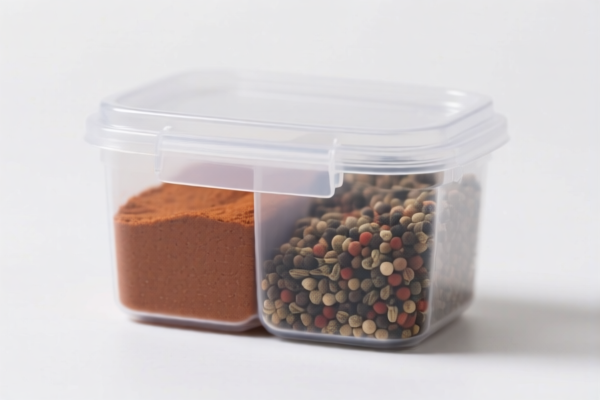
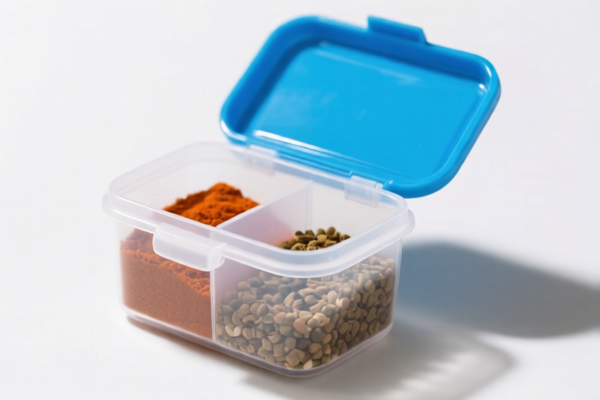
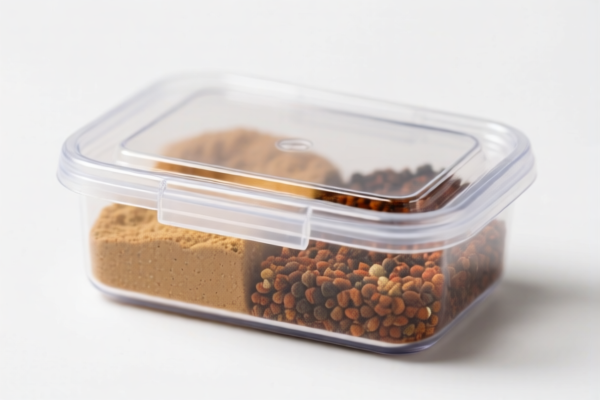
- Plastic Dispensers: Shakers, shaker tops, or boxes made of plastic designed to hold salt, pepper, mustard, etc. These fall under Chapter 39.
- Metal Containers: Small tins, drums, or cans made of iron or steel used to store condiments or dry goods. These fall under Chapter 73.
⚠️ Critical Distinction:
- If it is a plastic shaker/dispenser for salt/pepper/mustard → HS Code 3924.10.10.00
- If it is a metal can/container (< 50 liters) for any material → HS Code 7310.29.00.65 or 7310.21.00.75
📦 II. HS Code Classification Details (Based on Provided Data)
| HS Code | Product Description | Material | Capacity | Function/Type |
|---|---|---|---|---|
3924.10.10.00 |
Tableware, kitchenware, etc., of plastics: Salt, pepper, mustard and ketchup dispensers and similar dispensers | Plastic | N/A | Shakers/Dispensers |
7310.29.00.65 |
Tanks, casks, drums, cans... of iron or steel, capacity < 300L: Of a capacity of less than 50 liters: Other | Iron/Steel | < 50 Liters | General Metal Container (Not closed by soldering/crimping) |
7310.21.00.75 |
Tanks, casks, drums, cans... of iron or steel, capacity < 300L: Of a capacity of less than 50 liters: Cans to be closed by soldering or crimping | Iron/Steel | < 50 Liters | Soldered/Crimped Metal Cans |
6911.10.41.00 |
Tableware, kitchenware... of porcelain or china: Steins with pewter lids, candy boxes, decanters... salt and pepper shaker sets | Porcelain/China | N/A | Luxury Ceramic Shakers/Decanters |
6911.10.80.10 |
Tableware, kitchenware... of porcelain or china: Other Suitable for food or drink contact | Porcelain/China | N/A | General Ceramic Kitchenware |
🔍 Focus for "Seasoning Box":
- Most common "seasoning boxes" in mass trade are Plastic Dispensers (3924.10.10.00) or Metal Tins (7310.29.00.65/7310.21.00.75).
- The provided data does not include ceramic/porcelain shakers in the primary low-tax categories, but lists them at higher rates (6911.10.41.00/6911.10.80.10).
💰 III. 2026 Latest Tariff Rate Breakdown
✅ Applicable Country: United States (US)
✅ Origin: China (CN)
✅ Effective Date: Current Rates (Based on 25% Section 301 + 50% Section 301/Other)
🎯 1. 3924.10.10.00 —— Plastic Salt/Pepper/Mustard Dispensers
| Item | Content |
|---|---|
| Base Tariff | 3.4% |
| Section 301 / Additional Tariff | 0.0% |
| Total Tariff | 3.4% |
| Tax Detail | Base: 3.4%, Additional: 0.0% |
📌 Analysis:
- Plastic kitchenware is NOT subject to the high 25% or 50% steel/aluminum tariffs.
- This is a low-cost clearance category.
- Ensure the product is strictly "plastic" and used for dispensing condiments.
🎯 2. 7310.29.00.65 —— Other Iron/Steel Cans/Drums (< 50L)
| Item | Content |
|---|---|
| Base Tariff | 0.0% |
| Section 301 / Additional Tariff | 25.0% |
| Steel/Aluminum/Copper Additional Tariff | 50.0% |
| Total Tariff | 75.0% |
| Tax Detail | Base: 0.0%, Additional: 25.0%, Steel/Al/Cu Add'l: 50.0% |
📌 Analysis:
- This is a HIGH-TARIFF category.
- The "Steel/Aluminum/Copper Additional Tariff" of 50% is a critical hidden cost.
- Even if the base duty is 0%, the total effective rate is 75%.
🎯 3. 7310.21.00.75 —— Soldered/Crimped Iron/Steel Cans (< 50L)
| Item | Content |
|---|---|
| Base Tariff | 0.0% |
| Section 301 / Additional Tariff | 25.0% |
| Steel/Aluminum/Copper Additional Tariff | 50.0% |
| Total Tariff | 75.0% |
| Tax Detail | Base: 0.0%, Additional: 25.0%, Steel/Al/Cu Add'l: 50.0% |
📌 Analysis:
- Same high tariff rate as above.
- Applies specifically to cans closed by soldering or crimping (common for food tins).
🛠️ IV. Customs Clearance Practical Advice
✅ 1. Material Identification is Key
| Scenario | Recommended HS Code | Tax Rate | Risk Level |
|---|---|---|---|
| Plastic Shakers (Salt/Pepper/Mustard) | 3924.10.10.00 |
3.4% | 🟢 Low |
| Plastic Boxes (General Kitchenware) | 3924.10.40.00 |
3.4% | 🟢 Low |
| Metal Tins/Drums (Steel, <50L) | 7310.29.00.65 or 7310.21.00.75 |
75.0% | 🔴 High |
| Ceramic Shakers (Set) | 6911.10.41.00 |
6.3% | 🟡 Medium |
| Ceramic Shakers (Other Food-Contact) | 6911.10.80.10 |
28.3% | 🟡 Medium |
⚠️ Warning:
- Do NOT misdeclare metal containers as plastic to avoid the 75% tariff. Customs will inspect the material.
- If the "seasoning box" is made of tinplate (steel coated with tin), it is still classified under Chapter 73 (Iron/Steel), not Chapter 79 (Tin).
✅ 2. Declaration Guidelines
| Field | Correct Entry Example | Incorrect Entry Example |
|---|---|---|
| Product Name | "Plastic Salt and Pepper Shaker Set" | "Seasoning Box" (Too vague) |
| Material | "100% Polypropylene (Plastic)" | "Metal" (if it's plastic) |
| Capacity | N/A (for plastic dispensers) | "< 50 Liters" (for metal cans) |
| Use | "Tableware/Kitchenware" | "Industrial Storage" (if for food) |
🔥 Golden Rule:
"Plastic Dispensers = 3.4% | Steel Containers = 75%"
Choose your material wisely! If you are importing plastic shakers, ensure the description clearly states "Plastic" and "Dispenser/Shaker."
✅ 3. Special Notes for Metal Containers
- Capacity Limit: The 75% tariff applies to containers of capacity less than 50 liters. If the container is 50 liters or more, it may fall under a different subheading (not in the provided data, but generally higher duty).
- Closure Method:
- If the metal can is soldered or crimped, use
7310.21.00.75. - If it is other (e.g., screw-top, press-fit), use
7310.29.00.65. - Both carry the 75% total tax rate.
🌍 V. Global Market Comparison (2026)
| Country | Plastic Dispenser (3924.10) |
Metal Container (7310) |
Notes |
|---|---|---|---|
| 🇺🇸 USA | 3.4% | 75.0% | High steel tariffs apply |
| 🇨🇳 China | 5% - 9% | 5% - 10% | Lower tariffs for domestic export |
| 🇪🇺 EU | 6.5% | 5.4% | No 301-style additional tariffs |
| 🇬🇧 UK | 6.5% | 5.4% | Post-Brexit tariffs similar to EU |
📌 Conclusion:
- The US market is the most expensive for metal seasoning containers due to the 50% steel/additional tariff.
- Plastic dispensers are a favorable option for US export due to low duty (3.4%).
- Consider material substitution (plastic vs. metal) for cost optimization if the product design allows.
📌 VI. Common Errors & Pitfalls
❌ Error 1: Declaring a metal tin as "Plastic Seasoning Box"
👉 Consequence: Severe penalty, seizure, or reclassification with back-taxes. Customs uses X-ray and material tests.
❌ Error 2: Misidentifying the closure type for metal cans
👉 Consequence: Wrong HS Code subheading. While both 7310.21 and 7310.29 have the same 75% rate in this data, accuracy is required for compliance records.
❌ Error 3: Ignoring the "Food Contact" requirement for ceramics
👉 Consequence: If ceramic items are not certified for food contact, they may be rejected or reclassified under non-food household articles with different duties.
✅ Correct Approach:
For Plastic: "Plastic Salt & Pepper Shakers, Food Grade, PP Material" →
3924.10.10.00
For Metal: "Steel Cans for Food Storage, 10L Capacity, Screw Top" →7310.29.00.65
🎯 VII. Conclusion: Strategic Sourcing & Clearance
🎯 Key Takeaway:
🔹 "Plastic is Low Cost (3.4%), Steel is High Cost (75%)"
🔹 "Check Material First, Then Check Capacity"
📌 Tips for Importers:
1. If possible, switch to plastic or ceramic alternatives to avoid the 75% steel tariff.
2. For metal containers, ensure accurate declaration of closure type (soldered/crimped vs. other).
3. Always verify if the container is "suitable for food or drink contact" to ensure correct ceramic classification (6911.10.80.10).
📣 Immediate Action:
📞 Confirm material composition with supplier.
🚀 If Metal: Budget for 75% tax.
🚀 If Plastic: Budget for 3.4% tax.
💼 Accurate classification saves thousands in duties!
✨ Professional Customs Clearance Starts with the Right HS Code!
💼 Every percentage point of duty matters!
Customer Reviews
About HS Code Classification
The Harmonized System (HS) is an internationally standardized nomenclature developed by the World Customs Organization (WCO) to classify traded products. Over 200 countries use the HS system as the basis for customs tariffs, trade statistics, and import/export regulations.
Each HS code follows a hierarchical structure:
- Chapter (2 digits) — Broad category of goods (e.g., Chapter 84: Machinery and Mechanical Appliances)
- Heading (4 digits) — More specific grouping within the chapter
- Subheading (6 digits) — Internationally standardized breakdown, used by all WCO member countries
- National subdivisions (8-10 digits) — Country-specific extensions for further classification, such as US HTSUS 10-digit codes
Correct HS code classification is essential for smooth customs clearance, accurate duty payment, and compliance with trade regulations. Misclassification can lead to customs delays, overpayment of duties, or penalties.
When importing from CN to US, the applicable tariff rates may include:
- Most-Favored-Nation (MFN) rate — The standard duty rate applied to WTO members
- General rate — Applied to countries without trade agreements
- Trade remedy duties — Additional tariffs such as Section 301 (anti-dumping), Section 232 (national security), or countervailing duties
The information provided on this page is for reference purposes only. For official classification, please consult with your local customs authority or a licensed customs broker.