Seat Belt Protector Cover
CN → US| HS Code | Tariff Rate | Origin | Destination | Doc |
|---|---|---|---|---|
| 6307908940 | 17.0% | CN | US | Official Doc |
| 3926909987 | 22.8% | CN | US | Official Doc |
| 6307909891 | 24.5% | CN | US | Official Doc |
| 3926906090 | 39.2% | CN | US | Official Doc |
| 8517130000 | 10.0% | CN | US | Official Doc |
Product Images
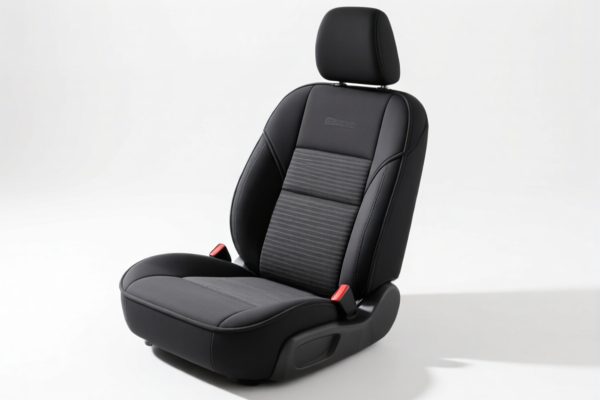
AI Analysis
🛡️ Seat Belt Protector Cover
🌐 HS Code Classification & Customs Clearance Guide | 2026 Latest Tariff Analysis | Strategic Import Strategy for China-to-US Trade
📌 Part 1: Product Definition & Classification: What Exactly is a "Seat Belt Protector Cover"?
A Seat Belt Protector Cover is an automotive accessory designed to prevent seat belts from causing skin irritation, chafing, or damage to vehicle upholstery. These covers typically slide over the seat belt buckle or wrap around the belt strap itself.
In international trade, classification depends heavily on Material Composition and Functionality. Because these products are often made from textiles (cotton, polyester, microfiber) or plastics (silicone, PVC, TPU), they can be classified under different HS Codes, leading to significantly different tariff outcomes.
⚠️ Key Classification Pivot Point:
- If made of Textiles (Cotton, Polyester, etc.) → Consider Chapter 63 (Other Made-Up Articles).
- If made of Plastic/Rubber (Silicone, PVC) → Consider Chapter 39 (Articles of Plastics).
- If considered a specific Accessory for Phones/Devices (rare but possible in specific contexts) → Consider Chapter 85 (Electrical Machinery), though this is less common for standard automotive covers.
📦 Part 2: HS Code Classification Details (Based on Provided Data)
The following classification analysis is strictly based on the provided <DATA> and <TAX> context. Each HS Code represents a different interpretation of the product's material and functional nature.
| HS Code | Summary Logic from Data | Total Tax Rate | Material/Function Inference |
|---|---|---|---|
| 6307.90.89.40 | Matches form and use; shell/case type article; component/accessory attribute; inferred material: Cotton or Synthetic Fiber. | 17.0% | Textile-Based: Focuses on the "cover/shell" aspect as a made-up textile article. |
| 3926.90.99.87 | Inferred plastic/synthetic material from form; belongs to parts/components category; no conflict with plastic product attributes. | 22.8% | Plastic/Synthetic Part: Focuses on the material being plastic-like, classified as a general plastic article. |
| 6307.90.98.91 | Classified as a finished product; protective accessory; fits the "other made-up articles" category; no conflict with catch-all attributes. | 24.5% | Textile Finished Good: Broad classification for protective textile accessories, not specifically listed elsewhere. |
| 3926.90.60.90 | Shape inferred as ribbon-like or tubular; common sense suggests plastic material; fits "other plastic articles." | 39.2% | Plastic Strip/Tubing: Specific sub-category for plastic strips/tubes, likely due to the shape of the cover wrapping around the belt. |
| 8517.13.00.00 | Parts/Accessories rule; protective case inferred as phone accessory; reasonably inferred as plastic or silicone material. | 10.0% | Electronic Accessory Case: Aggressive interpretation treating the cover as a case for an electronic device (e.g., if attached to a phone holder or similar). |
🔍 Critical Insight:
The tax rates range from 10.0% to 39.2%. This is a massive difference (almost 4x). The classification depends entirely on how you describe the material and the intended use in your commercial invoice and product description.
💰 Part 3: 2026 Tariff Rate Breakdown (US Imports from China)
✅ Applicable Country: United States (US)
✅ Country of Origin: China (CN)
✅ Effective Date: From Nov 10, 2025 (including subsequent imports)
🎯 1. 6307.90.89.40 —— Other Made-Up Textile Articles (Most Balanced Option)
| Item | Details |
|---|---|
| Base Duty | 7.0% |
| Section 301 Duty (25%) | 0.0% (Note: Data shows 0.0% for this specific sub-code, likely due to specific exclusions or sub-category nuances) |
| Section 122 Tariff (10%) | +10% |
| Total Rate | 17.0% |
| Calculation | CIF Value × 17.0% |
| De Minimis Exemption | ❌ Not Applicable (High-value classification) |
| Legal Path | HTSUS:6307.90.89.40 → Section 301: 0% → Section 122: 10% |
📌 Analysis:
This is often the most favorable textile classification if the product is clearly made of cotton or synthetic fabric. The Section 301 duty appears to be 0% for this specific sub-code in the provided data, making it significantly cheaper than other plastic classifications.
🎯 2. 3926.90.99.87 —— Articles of Plastic, N.E.S. (Plastic Variant)
| Item | Details |
|---|---|
| Base Duty | 5.3% |
| Section 301 Duty (25%) | +7.5% (Partial Section 301 application) |
| Section 122 Tariff (10%) | +10% |
| Total Rate | 22.8% |
| Calculation | CIF Value × 22.8% |
| De Minimis Exemption | ❌ Not Applicable |
| Legal Path | HTSUS:3926.90.99.87 → Section 301: 7.5% → Section 122: 10% |
📌 Analysis:
If the product is silicone or hard plastic, this code applies. The Section 301 duty is higher than the textile option.
🎯 3. 6307.90.98.91 —— Other Made-Up Articles (Catch-All Textile)
| Item | Details |
|---|---|
| Base Duty | 7.0% |
| Section 301 Duty (25%) | +7.5% |
| Section 122 Tariff (10%) | +10% |
| Total Rate | 24.5% |
| Calculation | CIF Value × 24.5% |
| De Minimis Exemption | ❌ Not Applicable |
📌 Analysis:
A broader textile category. Slightly higher than the specific6307.90.89.40due to the additional Section 301 component.
🎯 4. 3926.90.60.90 —— Plastic Strips/Tubes (Highest Risk)
| Item | Details |
|---|---|
| Base Duty | 4.2% |
| Section 301 Duty (25%) | +25.0% (Full Section 301 application) |
| Section 122 Tariff (10%) | +10% |
| Total Rate | 39.2% |
| Calculation | CIF Value × 39.2% |
| De Minimis Exemption | ❌ Not Applicable |
📌 Analysis:
AVOID IF POSSIBLE. This classification attracts the full 25% Section 301 tariff. It assumes the product is a plastic strip or tube. Only use if the product is strictly rigid plastic tubing and not a soft cover.
🎯 5. 8517.13.00.00 —— Parts of Telephone Sets (Lowest Cost, High Risk of Rejection)
| Item | Details |
|---|---|
| Base Duty | 0.0% |
| Section 301 Duty (25%) | 0.0% |
| Section 122 Tariff (10%) | +10% |
| Total Rate | 10.0% |
| Calculation | CIF Value × 10.0% |
| De Minimis Exemption | ❌ Not Applicable |
| Legal Path | HTSUS:8517.13.00.00 → Section 301: 0% → Section 122: 10% |
📌 Analysis:
⚠️ CAUTION: This code is for "Parts of Telephone Sets." Classifying a seat belt cover under this code is highly aggressive and likely to be challenged by CBP unless the product is specifically marketed and used as a holder for a smartphone attached to the seat belt. Misclassification can lead to penalties. Only use if the product is explicitly a phone case/holder attached to the belt.
🛠️ Part 4: Customs Clearance Practical Advice
✅ 1. Documentation Checklist (Crucial for Classification)
| Document | Required? | Purpose |
|---|---|---|
| Product Photos | ✅ Yes | Must clearly show material (fabric vs. plastic/silicone). |
| Material Composition Statement | ✅ Yes | E.g., "100% Polyester," "Food-Grade Silicone," "TPU." |
| Commercial Invoice | ✅ Yes | Description must match the HS Code logic. Avoid vague terms like "Accessory." |
| Product Description | ✅ Yes | E.g., "Cotton Seat Belt Cover for Infant" vs. "Silicone Seat Belt Strap Protector." |
| Function Description | ✅ Yes | Explain how it protects the belt or user. |
✅ 2. Classification Strategy & Keywords
🔥 "Material is King, Function is Queen"
| Product Type | Recommended HS Code | Key Description Words |
|---|---|---|
| Cotton/Polyester Fabric Cover | 6307.90.89.40 |
"Cotton," "Fabric," "Textile," "Seat Belt Cover," "Anti-Chafe" |
| Silicone/Plastic Soft Cover | 3926.90.99.87 |
"Silicone," "Plastic," "Flexible," "Case," "Protector" |
| Rigid Plastic Tubing | 3926.90.60.90 |
"Plastic Tube," "Strap," "Rigid," "TPU" |
| Phone Holder on Seat Belt | 8517.13.00.00 |
"Phone Holder," "Case," "Smartphone Accessory," "Mount" |
✅ 3. Common Mistakes & Pitfalls
❌ Mistake 1: Calling it a "Car Accessory" generically.
👉 Consequence: CBP may classify it under the highest duty rate or require manual review, delaying clearance.
👉 Fix: Specify material and specific function.
❌ Mistake 2: Using 8517.13.00.00 for a fabric seat belt cover.
👉 Consequence: High risk of classification error, potential penalties, and shipment delay.
👉 Fix: Only use for actual phone/electronic accessories.
❌ Mistake 3: Ignoring the Section 301 and 122 tariffs.
👉 Consequence: Unexpected costs. For 3926.90.60.90, the tax is nearly 40%.
👉 Fix: Choose the lower-tax classification that accurately reflects the product (e.g., 6307.90.89.40).
🌍 Part 5: Global Market Comparison (2026)
| Market | Recommended HS Code | Est. Total Duty | Notes |
|---|---|---|---|
| 🇺🇸 USA | 6307.90.89.40 |
17.0% | Best balance of cost and accuracy for textile covers. |
| 🇨🇳 China | 6307.90.90.00 |
~7% | No Section 301/122. Standard import duty. |
| 🇪🇺 EU | 6307.90.98 |
~5% + VAT | No additional punitive tariffs for textiles. |
| 🇬🇧 UK | 6307.90.98 |
~5% + VAT | Post-Brexit rules apply. |
📌 Conclusion:
The US market is the most complex due to Section 301 and 122 tariffs. Textile-based covers (6307.90.89.40) offer the most cost-effective and compliant path for standard seat belt protectors. Avoid plastic tubing classifications (3926.90.60.90) due to high duties.
📌 Part 6: Final Recommendations
✅ Do:
- Clearly state Material Composition (e.g., "100% Cotton") on the invoice.
- Use accurate product titles like "Cotton Seat Belt Cover for Baby" to align with 6307.90.89.40.
- Ensure photos match the declared material.
❌ Don't:
- Misclassify textile products as plastic to avoid duties (risky and fraudulent).
- Use vague terms like "Auto Accessory" without details.
- Ignore the Section 122 Tariff (10%) which applies to all these codes.
🎯 Pro Tip:
If your seat belt cover includes a smartphone holder, consider classifying the holder separately under 8517.13.00.00 (10% tax) if it's a distinct electronic accessory, but keep the fabric cover under 6307.90.89.40 (17% tax). Do not mix them into one line item unless they are functionally inseparable.
📣 Call to Action:
📞 Consult a Customs Broker to confirm the final classification based on your specific product sample.
🚀 Optimize your supply chain by choosing the right material (Textile vs. Plastic) to minimize US import duties.
✨ Smart Classification, Lower Duties, Faster Clearance!
💼 Every percent counts in cross-border e-commerce!
Customer Reviews
About HS Code Classification
The Harmonized System (HS) is an internationally standardized nomenclature developed by the World Customs Organization (WCO) to classify traded products. Over 200 countries use the HS system as the basis for customs tariffs, trade statistics, and import/export regulations.
Each HS code follows a hierarchical structure:
- Chapter (2 digits) — Broad category of goods (e.g., Chapter 84: Machinery and Mechanical Appliances)
- Heading (4 digits) — More specific grouping within the chapter
- Subheading (6 digits) — Internationally standardized breakdown, used by all WCO member countries
- National subdivisions (8-10 digits) — Country-specific extensions for further classification, such as US HTSUS 10-digit codes
Correct HS code classification is essential for smooth customs clearance, accurate duty payment, and compliance with trade regulations. Misclassification can lead to customs delays, overpayment of duties, or penalties.
When importing from CN to US, the applicable tariff rates may include:
- Most-Favored-Nation (MFN) rate — The standard duty rate applied to WTO members
- General rate — Applied to countries without trade agreements
- Trade remedy duties — Additional tariffs such as Section 301 (anti-dumping), Section 232 (national security), or countervailing duties
The information provided on this page is for reference purposes only. For official classification, please consult with your local customs authority or a licensed customs broker.