Seat Clip
CN → US| HS Code | Tariff Rate | Origin | Destination | Doc |
|---|---|---|---|---|
| 7326908630 | 87.9% | CN | US | Official Doc |
| 7326200090 | 88.9% | CN | US | Official Doc |
| 3926908500 | 24.0% | CN | US | Official Doc |
| 3926906530 | 14.2% | CN | US | Official Doc |
| 6307909885 | 24.5% | CN | US | Official Doc |
Product Images

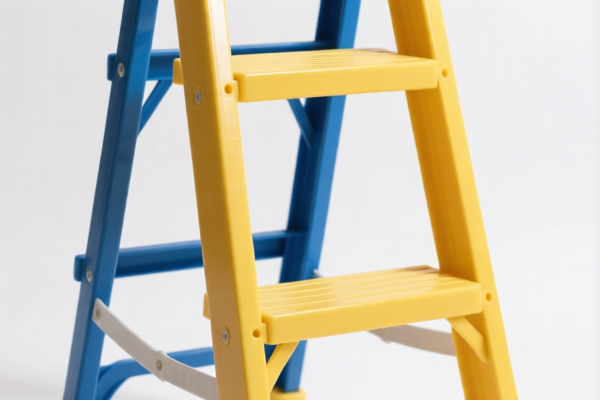
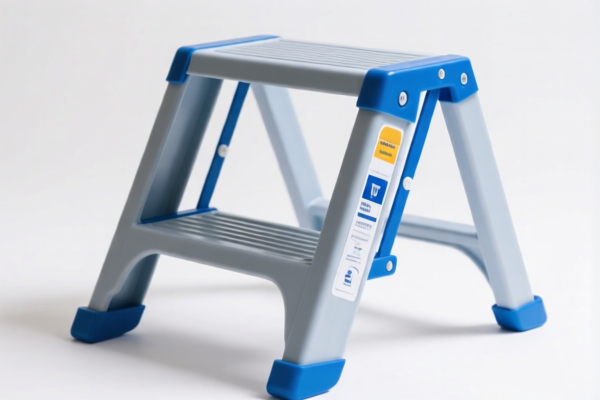
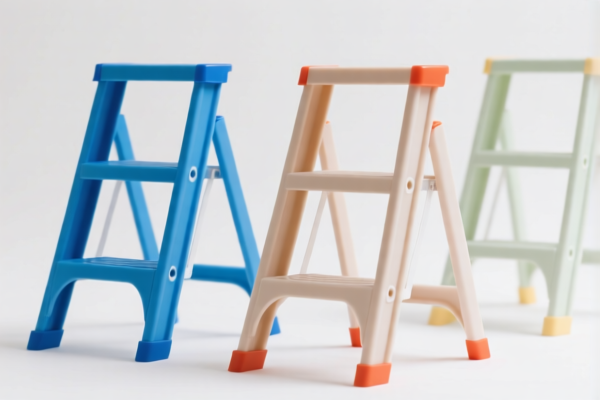
AI Analysis
🪑 Seat Clip (Chairs/Furniture Accessories)
🌐 HS Code Reference & Customs Clearance Guide | 2026 Latest Tariff Analysis | Professional Entry Strategy
📌 Part I: Product Definition & Classification: Do You Really Understand "Seat Clips"?
Seat clips are small but critical hardware components used to secure, support, or fix seats in various environments (offices, vehicles, stadiums, etc.). In international trade, they are classified differently based on material and function.
There are two main categories:
Metal Seat Clips (Iron/Steel/Aluminum):
- Generally fall under Chapter 73 (Articles of Iron or Steel).
- Subcategories depend on whether they are wire products (Ch. 73.20) or other general metal articles (Ch. 73.26).
Non-Metal Seat Clips (Plastic/Office Supplies):
- Plastic clips fall under Chapter 39 (Plastics and articles thereof).
- Office-style clips (e.g., paper clips, though "seat clip" implies structural use) may fall under different subheads if strictly for office stationery.
⚠️ Key Distinction Point:
- If it is a structural support/bracket made of metal → Usually 7326 or 7326.
- If it is a wire product (like a bent steel wire holder) → 7326.20.
- If it is plastic and used for mechanical fixing → 3926.90.
- If it is purely an office/art supply clip (non-structural) → 3926.90 (specific subhead for office items) or potentially other chapters if not plastic.
- Note: The data provided also includes "Seat Cushion" (6307), which is structurally different from a "Clip." We must distinguish these clearly.
📦 Part II: HS Code Classification Details (2026 Latest Tariff Authority Comparison)
| HS Code | Product Description | Application Scenario | Material/Type | Total Tax Rate (China Origin to US) |
|---|---|---|---|---|
| 7326.90.86.30 | Seat Clip, Metal Small Clamp/Support | Pipe/Tube hangers, general metal brackets | Iron/Steel (General) | 87.9% |
| 7326.20.00.90 | Seat Clip, Iron/Steel Wire Products | Bent wire holders, iron/steel wire articles | Iron/Steel (Wire) | 88.9% |
| 3926.90.85.00 | Seat Clip, Plastic, Mechanical Fixing | Plastic brackets, clamps for seats | Plastic | 24.0% |
| 3926.90.65.30 | Seat Clip, Office/Art Stationery Clip | Non-structural clips, stationery-like | Plastic (Office) | 14.2% |
| 6307.90.98.85 | Seat Cushion, Furniture Accessory | Not a clip. Cushion/Pad made of fabric/fiber | Textile/Fabric | 24.5% |
🔍 Critical Alert:
- Metal clips are heavily taxed due to additional tariffs (Section 301/122).
- Plastic clips have significantly lower total tariffs, making them a potential cost-saving alternative if material allows.
- 6307.90.98.85 is for "Seat Cushions" (pads), not clips. Do not misclassify a clip as a cushion, or vice versa. They have different materials and uses.
💰 Part III: 2026 Latest Tariff Rate Breakdown (Including Additional Taxes)
✅ Applicable Country: United States (US)
✅ Origin: China (CN)
✅ Effective Date: 2025/2026 Tariff Regime
🎯 1. 7326.90.86.30 —— Metal Seat Clip (General Metal Article)
| Item | Details |
|---|---|
| Base Duty | 2.9% |
| Section 301 Additional Tariff | 25.0% |
| Section 122 Steel/Aluminum Tariff | 10.0% |
| Additional Steel/Aluminum/Copper Surcharge | 50.0% |
| Total Tax Rate | 87.9% |
| Calculation Basis | CIF Value × 87.9% |
| De Minimis Exemption | ❌ Not Available |
📌 Explanation:
- This HS code attracts multiple layers of punitive tariffs.
- The 50% surcharge for steel/aluminum products is the highest burden.
- Total effective rate nearly 88% makes importing metal seat clips from China to the US extremely expensive.
🎯 2. 7326.20.00.90 —— Iron/Steel Wire Seat Clip
| Item | Details |
|---|---|
| Base Duty | 3.9% |
| Section 301 Additional Tariff | 25.0% |
| Section 122 Steel/Aluminum Tariff | 10.0% |
| Additional Steel/Aluminum/Copper Surcharge | 50.0% |
| Total Tax Rate | 88.9% |
| Calculation Basis | CIF Value × 88.9% |
| De Minimis Exemption | ❌ Not Available |
📌 Note:
- Wire products are also subject to the 50% steel surcharge.
- Slightly higher base duty (3.9% vs 2.9%) results in a higher total tax than 7326.90.86.30.
🎯 3. 3926.90.85.00 —— Plastic Seat Clip (Mechanical/General)
| Item | Details |
|---|---|
| Base Duty | 6.5% |
| Section 301 Additional Tariff | 7.5% |
| Section 122 Surcharge | 10.0% |
| Total Tax Rate | 24.0% |
| Calculation Basis | CIF Value × 24.0% |
| De Minimis Exemption | ❌ Not Available |
📌 Explanation:
- No 50% steel surcharge applies (it's plastic).
- Total rate drops from ~88% to 24%. This is a massive saving.
- Ideal for manufacturers who can switch to engineering plastics.
🎯 4. 3926.90.65.30 —— Plastic Clip (Office/Stationery Type)
| Item | Details |
|---|---|
| Base Duty | 4.2% |
| Section 301 Additional Tariff | 0.0% |
| Section 122 Surcharge | 10.0% |
| Total Tax Rate | 14.2% |
| Calculation Basis | CIF Value × 14.2% |
| De Minimis Exemption | ❌ Not Available |
📌 Note:
- Lowest tariff among all options.
- Only applies if the product can be legally classified as "Office/Art Stationery."
- Risky if the clip is used for heavy-duty seating (structural), as customs may reclassify it to 3926.90.85.00 or higher.
🎯 5. 6307.90.98.85 —— Seat Cushion (Furniture Accessory)
| Item | Details |
|---|---|
| Base Duty | 7.0% |
| Section 301 Additional Tariff | 7.5% |
| Section 122 Surcharge | 10.0% |
| Total Tax Rate | 24.5% |
| Calculation Basis | CIF Value × 24.5% |
| De Minimis Exemption | ❌ Not Available |
📌 Important:
- This is for Seat Cushions/Pads, NOT clips.
- Material is typically cotton/fabric/textile.
- Do not use this code for metal/plastic clips.
🛠️ Part IV: Customs Clearance Practical Advice (Real-World Pitfall Avoidance)
✅ 1. Documentation Checklist (Must-Have)
| Document | Required? | Description |
|---|---|---|
| ✅ Product Specification Sheet | ✔️ | Must clearly state Material (Metal/Plastic/Steel/Aluminum), Function (Clip vs. Cushion), and Weight. |
| ✅ Product Photos (Clear) | ✔️ | Show the entire item, close-up of the clamping mechanism, and any labels/marks. |
| ✅ Commercial Invoice | ✔️ | Must use precise English descriptions: "Plastic Seat Clip, Part #XYZ" or "Steel Seat Bracket, Part #ABC". Avoid vague terms like "Furniture Part." |
| ✅ Packing List | ✔️ | Match invoice exactly. |
| ✅ Material Declaration | ✔️ | Crucial for distinguishing between 7326 (Metal) and 3926 (Plastic). |
✅ 2. Classification Strategy (Key Mantras)
🔥 "Material First, Function Second, Name Accurate, Tax Low!"
| Scenario | Correct HS Code | Mistake to Avoid |
|---|---|---|
| Metal Clip (Bracket/Support) | 7326.90.86.30 or 7326.20.00.90 |
Misdeclaring as Plastic → 24% → Customs Penalty/Reclassification to 88% |
| Plastic Clip (General) | 3926.90.85.00 |
Misdeclaring as Office Clip if it's structural |
| Plastic Clip (Office-Style) | 3926.90.65.30 |
Using this for heavy-duty seating clips → Rejection |
| Seat Cushion (Pad) | 6307.90.98.85 |
Misdeclaring a clip as a cushion → Wrong Duty, Delay |
✅ 3. Special Cases & Handling
| Situation | Handling Advice |
|---|---|
| Hybrid Materials (Plastic Cover + Metal Core) | Declare as Metal (7326) if metal is the essential character. High tax risk. |
| OEM Custom Clips | Provide design drawings. If it’s a unique shape, emphasize "General Use" to avoid specific restrictive codes. |
| "Seat Clip" vs. "Seat Bracket" | Brackets are often 7326. Clips might be 7326 or 3926 depending on size and load-bearing. |
| Origin Shifting | If possible, manufacture in Vietnam, Thailand, or Mexico to avoid Section 301/122 tariffs (check current FTAs). |
🌍 Part V: Global Market Clearance Comparison (2026)
| Country/Region | Recommended HS Code (Plastic) | Tariff (China Origin) | Certification | Notes |
|---|---|---|---|---|
| 🇺🇸 USA | 3926.90.85.00 |
24.0% | None specific | Metal clips face ~88% tax. Plastic is strongly preferred. |
| 🇺🇸 USA | 7326.90.86.30 |
87.9% | None specific | Avoid if possible. |
| 🇪🇺 EU | 3926.90 |
~4-6% | CE (if applicable) | No Section 301. Much cheaper than US. |
| 🇨🇳 China | 3926.90 |
~4-6% | None | Low duty for import into China. |
| 🇬🇧 UK | 3926.90 |
~4% | UKCA | Post-Brexit tariffs apply. |
📌 Conclusion:
- The US is the most expensive market for Chinese-made seat clips, especially metal ones.
- Plastic clips are significantly more cost-effective in the US market (24% vs 88%).
- Consider material substitution if designing new products for the US market.
📌 Part VI: Common Errors & Pitfall Guide (Lessons Learned)
❌ Mistake 1: Declaring a Metal Seat Bracket as a Plastic Clip.
👉 Consequence: Customs inspection reveals metal. Reclassification to 7326.90.86.30 (87.9%). Back taxes + penalties.
❌ Mistake 2: Using 6307.90.98.85 (Seat Cushion) for a Plastic Clip.
👉 Consequence: Wrong product description. Customs may detain for "false declaration."
❌ Mistake 3: Ignoring the 50% Steel Surcharge.
👉 Consequence: Even if base duty is 2.9%, the 50% surcharge on steel/aluminum products makes it unprofitable.
❌ Mistake 4: Vague Description: "Furniture Part."
👉 Consequence: Customs has discretion to assign the highest applicable tariff or demand excessive documentation.
✅ Correct Approach:
"Plastic Seat Clip, Injection Molded, Polypropylene, for Office Chairs, Part #SC-001"
OR
"Steel Seat Support Clip, Galvanized, Structural Hardware, Part #SSC-002"
🎯 Part VII: Conclusion: Smart Classification, Cost Control, Efficiency!
🎯 Key Takeaways:
🔹 "Material Matters: Plastic Saves 64% Tax vs. Metal in the US!"
🔹 "Metal Clips Face ~88% Tax: Plan for Profitability or Shift Supply Chain."
🔹 "Office Clip vs. Structural Clip: One Code Difference = 10% Tax Saving."
📌 Pro Tip:
If your product is Plastic and intended for the US Market, ensure it is not overly "structural" if you want to argue for the lower 14.2% office-use category (though 24% is safer for general seat clips).
For Metal Clips, seriously consider supply chain diversification (e.g., sourcing from non-China origins) to avoid the 50% steel surcharge.
📣 Immediate Action:
📞 Contact a Licensed Customs Broker to pre-classify your specific product design.
📄 Provide Detailed Material Specs (Steel Grade, Plastic Type).
🚀 Optimize Your HS Code Declaration to minimize duty costs and clearance delays.
✨ Professional Clearance Starts with Accurate Classification!
💼 Every Percentage Point of Tax is Directly Impacting Your Margin!
Customer Reviews
About HS Code Classification
The Harmonized System (HS) is an internationally standardized nomenclature developed by the World Customs Organization (WCO) to classify traded products. Over 200 countries use the HS system as the basis for customs tariffs, trade statistics, and import/export regulations.
Each HS code follows a hierarchical structure:
- Chapter (2 digits) — Broad category of goods (e.g., Chapter 84: Machinery and Mechanical Appliances)
- Heading (4 digits) — More specific grouping within the chapter
- Subheading (6 digits) — Internationally standardized breakdown, used by all WCO member countries
- National subdivisions (8-10 digits) — Country-specific extensions for further classification, such as US HTSUS 10-digit codes
Correct HS code classification is essential for smooth customs clearance, accurate duty payment, and compliance with trade regulations. Misclassification can lead to customs delays, overpayment of duties, or penalties.
When importing from CN to US, the applicable tariff rates may include:
- Most-Favored-Nation (MFN) rate — The standard duty rate applied to WTO members
- General rate — Applied to countries without trade agreements
- Trade remedy duties — Additional tariffs such as Section 301 (anti-dumping), Section 232 (national security), or countervailing duties
The information provided on this page is for reference purposes only. For official classification, please consult with your local customs authority or a licensed customs broker.