Security Camera
CN → US| HS Code | Tariff Rate | Origin | Destination | Doc |
|---|---|---|---|---|
| 8525893000 | 35.0% | CN | US | Official Doc |
| 8525895050 | 35.0% | CN | US | Official Doc |
| 9013809100 | 22.0% | CN | US | Official Doc |
| 9013105000 | 22.8% | CN | US | Official Doc |
| 8543709860 | 37.6% | CN | US | Official Doc |
Product Images
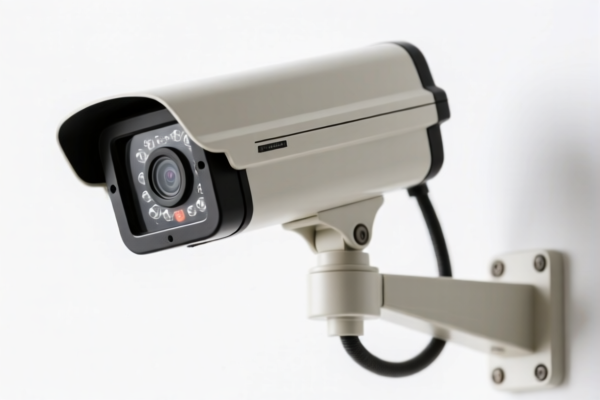
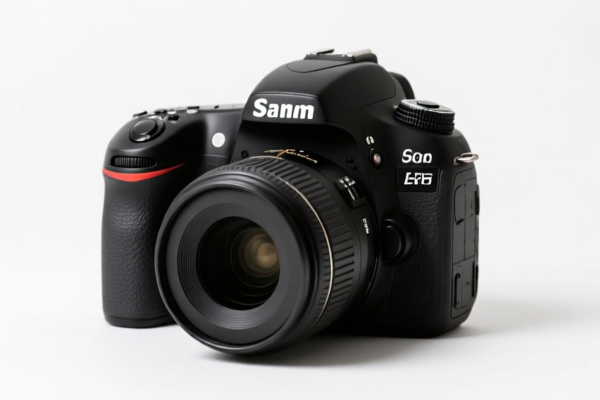

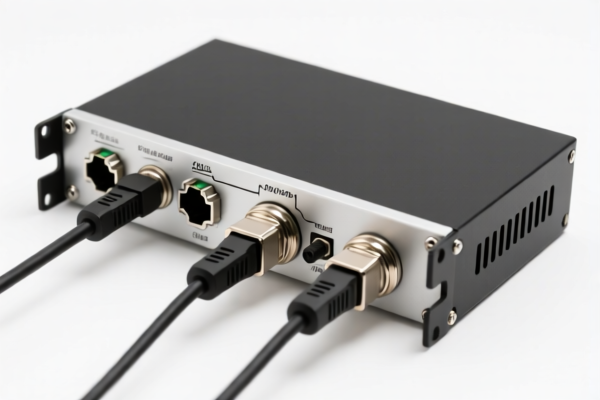
AI Analysis
📹 Security Camera (Surveillance & Imaging Systems)
🌐 HS Code Reference & Customs Clearance Guide | 2026 Tax Regime Breakdown | Professional Entry Strategy
📌 I. Product Definition & Classification: Do You Really Know "Security Cameras"?
Security cameras are intelligent imaging devices used for surveillance, monitoring, and data capture across industries. In international trade, they are classified based on functionality, optical composition, and integration level:
1. Imaging Capture Devices (8525 Series)
Cameras functioning as core components for broadcast, transmission, or dedicated imaging systems.
2. Optical Imaging Instruments (9013 Series)
Cameras treated as precision optical instruments or parts of other optical systems.
3. Independent Electronic Devices (8543 Series)
Cameras with unique functional capabilities that don't fit standard video categories.
⚠️ Critical Distinction:
- Is it a dedicated imaging system? → Likely 8525.
- Is it an optical instrument? → Likely 9013.
- Is it a standalone electronic device? → Likely 8543.
📦 II. HS Code Classification Details (2026 Authoritative Mapping)
| HS Code | Product Description | Classification Logic | Total Tax Rate |
|---|---|---|---|
8525.89.30.00 |
Imaging capture device (Broadcast/TV Cam) | Matches "Broadcast/TV Camera" definition; no material conflict. | 35.0% |
8525.89.50.50 |
Imaging capture device (General/Broadcast) | Fits "Other cameras" under broadcast/transmission categories. | 35.0% |
9013.80.91.00 |
Optical imaging instrument | Fits "Laser/Other Optical Instruments" category. | 22.0% |
9013.10.50.00 |
Optical imaging instrument (General) | Fits "Other Optical Appliances" catch-all definition; no material conflict. | 22.8% |
8543.70.98.60 |
Independent electronic device | Independent function; matches "Machines/Apparatus" property; no conflict. | 37.6% |
🔍 Key Insight:
- 8525 codes imply the camera is part of a video transmission system (higher tax due to "Special 10% Clause 122"). - 9013 codes treat the camera as an optical instrument (lower base tax, but still subject to "Clause 122"). - 8543 code classifies it as a standalone electronic machine (Highest total tax due to 2.6% base + 25% + 10%).
💰 III. 2026 Tax Rate Breakdown (US Market - China Origin)
✅ Target Market: United States (US)
✅ Origin: China (CN)
✅ Effective: Based on current 2026 Trade Regime
🎯 1. 8525.89.30.00 & 8525.89.50.50
Classification: Imaging Capture / Broadcast Cameras
Total Tax: 35.0%
| Tax Component | Rate | Source / Description |
|---|---|---|
| Base Duty | 0.0% | Free Trade / General Duty |
| Section 301 (Add-on) | 25.0% | "Section 301" Additional Tariff on China |
| Clause 122 | 10.0% | Specific "122 Clause" Tax on Imaging/Video Tech |
| Total | 35.0% | CIF Value × 35% |
📌 Explanation:
- 0% Base: No standard import duty.
- 25% Section 301: Standard punitive tariff on electronics from China.
- 10% Clause 122: Additional penalty specifically targeting video imaging technology.
- Risk: This is the highest risk for standard security cameras unless they are strictly optical instruments.
🎯 2. 9013.80.91.00 & 9013.10.50.00
Classification: Optical Imaging Instruments
Total Tax: 22.0% ~ 22.8%
| Tax Component | Rate | Source / Description |
|---|---|---|
| Base Duty | 4.5% ~ 5.3% | Standard Optical Instrument Duty |
| Section 301 (Add-on) | 7.5% | Reduced Section 301 rate for Optical Goods |
| Clause 122 | 10.0% | Still applies to optical imaging tech |
| Total | 22.0% / 22.8% | CIF Value × 22.x% |
📌 Explanation:
- Base Duty: Slightly higher than 8525, but Section 301 is lower (7.5% vs 25%).
- Clause 122: Remains 10%.
- Strategy: This classification offers ~13% savings compared to 8525 codes. It requires the camera to be marketed/factored as an "Optical Instrument" rather than a standard "Video Camera."
🎯 3. 8543.70.98.60
Classification: Independent Electronic Machine
Total Tax: 37.6%
| Tax Component | Rate | Source / Description |
|---|---|---|
| Base Duty | 2.6% | Standard Electronic Machine Duty |
| Section 301 (Add-on) | 25.0% | Full Section 301 Rate |
| Clause 122 | 10.0% | Full Clause 122 Rate |
| Total | 37.6% | CIF Value × 37.6% |
📌 Explanation:
- This is the most expensive classification.
- Avoid this unless the camera has unique, independent functions not fitting standard video or optical categories.
- High risk for standard security cameras.
🛠️ IV. Customs Clearance实操建议 (Practical Clearance Strategy)
✅ 1. Product Description & Declaration Tips
| Item | Requirement | Why It Matters |
|---|---|---|
| Name | "Optical Imaging Sensor" vs. "Surveillance Camera" | "Imaging Sensor" hints at 9013 (Lower Tax). "Camera" hints at 8525 (Higher Tax). |
| Function | Emphasize "Optical Measurement" or "Imaging" | Supports 9013 classification logic. |
| Material | List lens composition (Glass, Crystal) | Reinforces Optical Instrument status. |
| Usage | Specify "Industrial Inspection" or "Scientific" | Avoid "Security/Surveillance" to prevent 8525 scrutiny. |
✅ 2. Strategic Classification Choice
🔥 Golden Rule: "If it works optically, call it an instrument. If it broadcasts, call it a camera."
| Scenario | Recommended HS Code | Tax Savings vs. Standard |
|---|---|---|
| Standard Security Cam | 8525.89.30.00 |
Baseline (35%) |
| Optical Sensor Cam | 9013.80.91.00 |
Save ~13% (22%) |
| Specialized Machine | 8543.70.98.60 |
Avoid (37.6%) |
| Broadband Camera | 8525.89.50.50 |
Baseline (35%) |
✅ 3. Document Preparation Checklist
To support 9013 classification (Lower Tax): - Datasheet: Highlight optical specs (lens focal length, aperture, resolution) over video specs (fps, bandwidth). - Manual: Use terms like "Optical System" or "Imaging Instrument" instead of "Security Camera." - Photos: Show the lens assembly clearly, minimizing the "housing" or "electronic box" look. - Invoice: Declare "Optical Imaging Unit" or "Vision Sensor" rather than "Security Camera."
🚨 V. Pitfalls & Warnings (Avoid Costly Errors)
❌ Mistake 1: Declaring as "Security Camera" for a standard optical sensor.
👉 Result:海关 (Customs) forces 8525 classification → 35% Tax.
✅ Fix: Declare as "Optical Imaging Instrument" with supporting specs.
❌ Mistake 2: Over-splitting "Camera + Lens" to lower tax.
👉 Result: Customs may reject split shipment → Delay + Storage Fees.
✅ Fix: Declare the integrated unit as a single optical instrument.
❌ Mistake 3: Ignoring "Clause 122" in the tax calculation.
👉 Result: Unexpected 10% additional tax on both 8525 and 9013.
✅ Fix: Factor 10% Clause 122 into ALL imaging-related HS codes.
🌍 VI. Global Market Comparison (US vs. Others)
| Region | Primary Risk | Typical Tax Strategy |
|---|---|---|
| 🇺🇸 USA | Clause 122 (10%) + Sec 301 (25%) | Must optimize to 9013 to save ~13%. |
| 🇪🇺 EU | No Section 301 | Lower base tax; focus on CE/FCC. |
| 🇨🇳 China | No Export Tax | Focus on domestic standards (CCC). |
📌 US Specific: The Clause 122 tax is the "killer" here. It applies to all imaging devices from China.
Strategy: Only9013offers a slight reduction in the Section 301 portion (7.5% vs 25%), making it the best legal option for cost reduction.
🎯 VII. Conclusion: Optimize Classification, Maximize Profit
🎯 Action Plan:
1. Re-define your product description in all docs to emphasize "Optical" over "Security/Camera".
2. Support this with technical specs (lens, aperture, optical path).
3. Target HS Code 9013.80.91.00 or 9013.10.50.00 to reduce tax from 35% → 22%.
4. Avoid 8543.70.98.60 unless the device is truly "standalone" and "non-standard."
🔥 Remember:
"Optical = 22% | Imaging Camera = 35% | Standalone = 37.6%"
One word change in your invoice can save 13% of your CIF value!
📌 Pro Tip:
Apply for a Binding Tariff Ruling (BTR) from US Customs (CBP) before shipping. This legally locks in your preferred HS Code (9013) and prevents disputes at the border.
📣 Immediate Action:
📞 Contact Customs Broker + Update Product Datasheet → File Pre-Declaration
🚀 Secure your supply chain with the lowest legal tax rate!
✨ Precision Classification = Lower Cost, Faster Clearance
💼 Every 1% of tax saved is pure profit!
Customer Reviews
About HS Code Classification
The Harmonized System (HS) is an internationally standardized nomenclature developed by the World Customs Organization (WCO) to classify traded products. Over 200 countries use the HS system as the basis for customs tariffs, trade statistics, and import/export regulations.
Each HS code follows a hierarchical structure:
- Chapter (2 digits) — Broad category of goods (e.g., Chapter 84: Machinery and Mechanical Appliances)
- Heading (4 digits) — More specific grouping within the chapter
- Subheading (6 digits) — Internationally standardized breakdown, used by all WCO member countries
- National subdivisions (8-10 digits) — Country-specific extensions for further classification, such as US HTSUS 10-digit codes
Correct HS code classification is essential for smooth customs clearance, accurate duty payment, and compliance with trade regulations. Misclassification can lead to customs delays, overpayment of duties, or penalties.
When importing from CN to US, the applicable tariff rates may include:
- Most-Favored-Nation (MFN) rate — The standard duty rate applied to WTO members
- General rate — Applied to countries without trade agreements
- Trade remedy duties — Additional tariffs such as Section 301 (anti-dumping), Section 232 (national security), or countervailing duties
The information provided on this page is for reference purposes only. For official classification, please consult with your local customs authority or a licensed customs broker.