Seedling Heating Mat
CN → US| HS Code | Tariff Rate | Origin | Destination | Doc |
|---|---|---|---|---|
| 8419899585 | 39.2% | CN | US | Official Doc |
| 4016910000 | 37.7% | CN | US | Official Doc |
| 8419190160 | 35.0% | CN | US | Official Doc |
| 3926909989 | 22.8% | CN | US | Official Doc |
| 3926907500 | 14.2% | CN | US | Official Doc |
Product Images
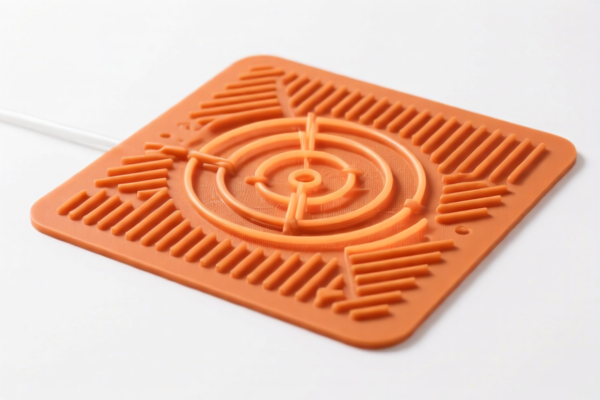
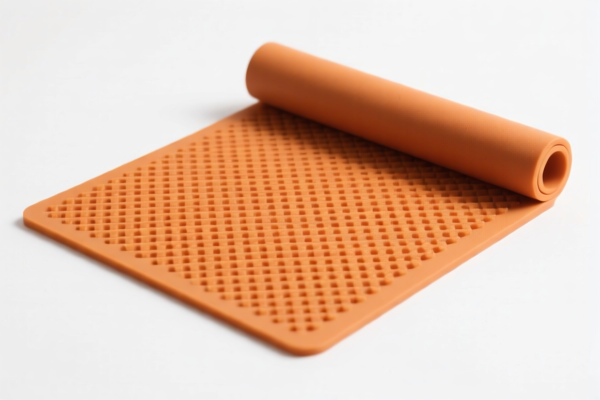
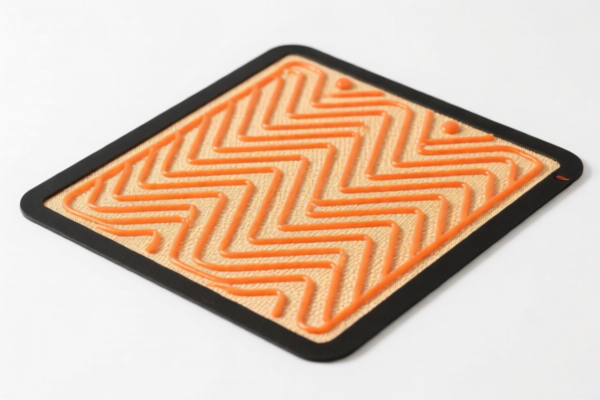

AI Analysis
🌱 Seedling Heating Mat (Seedling Heating Pads)
🌐 HS Code Reference & Customs Clearance Guide | 2026 Latest Tariff Analysis | Professional Clearance Strategy
📌 I. Product Definition & Classification: What Exactly is a "Seedling Heating Mat"?
A Seedling Heating Mat is a specialized agricultural tool used to provide consistent bottom heat to plant trays, accelerating germination and root growth. In international trade, its classification depends heavily on its construction (electric vs. non-electric) and material composition (rubber, plastic, or electronic components).
⚠️ Key Distinction:
- If it is a non-electric heated pad (e.g., hot water circulating or passive thermal pad) → It is classified as a Heating Apparatus (Chapter 84).
- If it is an electric heating pad with a thermostat → It is generally classified under Chapter 84 as other heating equipment.
- If it is primarily a rubber or plastic mat without active heating elements (e.g., a cold pad or simple insulator) → It may fall under Chapter 40 (Rubber) or Chapter 39 (Plastics).
- Note: Some suppliers may misclassify these as simple "mats" (Chapter 40/39) to avoid high duties, but if it contains heating wires/electronics, Customs will likely reclassify it as a heating device.
📦 II. HS Code Classification Details (2026 Latest Tariff Authority对照)
Based on the provided data, here are the potential HS Codes and their rationales:
| HS Code | Product Description | Rationale | Total Tax Rate (CN→US) |
|---|---|---|---|
8419.89.95.85 |
Seedling Heating Pad (Heating Equipment) | Classified as temperature-controlled heating equipment. Material may involve metal/plastic. Fits the "other heating apparatus" category. | 39.2% |
4016.91.00.00 |
Vulcanized Rubber Mat | Inferred as a heat-resistant mat made of vulcanized rubber or rubber-containing material. Fits "other vulcanized rubber articles." | 37.7% |
8419.19.01.60 |
Heating Equipment (Non-Electric Water Heater Type) | Classified as heating equipment. Functionally similar to non-electric instantaneous/storage water heaters (other classes). | 35.0% |
3926.90.99.89 |
Plastic Article (Other) | Material inferred as plastic. Form is an other plastic article not specifically listed elsewhere. | 22.8% |
3926.90.75.00 |
Plastic Mat/Pad (Inflatable Structure) | Inferred as a mat/inflatable structure made of plastic. Fits "other plastic articles" in the inflation/mat category. | 14.2% |
🔍 Critical Observation:
- The highest tax rate (39.2%) applies if it is correctly identified as active heating equipment (8419).
- The lowest tax rate (14.2%) applies if it is classified as a plastic mat/inflatable pad (3926.90.75.00).
- Risk: If you declare a heating mat as a simple plastic mat (3926) to save taxes, but Customs inspects and finds heating elements, they will reclassify it to8419, resulting in back taxes + penalties.
💰 III. 2026 Latest Tariff Rate Details (Including Surtaxes & Policy Additions)
✅ Applicable Country: United States (US)
✅ Origin: China (CN)
✅ Effective Date: Post-2025 adjustments (Based on provided data)
🎯 1. 8419.89.95.85 – Seedling Heating Mat (Heating Apparatus)
| Item | Content |
|---|---|
| Base Tariff | 4.2% |
| Section 301 Surcharge | 25.0% |
| Section 122 Tariff | 10.0% |
| Total Tax Rate | 39.2% |
| Tax Calculation | CIF Value × 39.2% |
| De Minimis Exemption | ❌ Not Eligible (High tariff items usually exclude de minimis) |
| Legal Basis Path | USITC:8419.89.95.85 → Section 301 Footnote → Section 122 Add-on |
📌 Explanation:
- This is the most likely classification for a functional electric seedling heating pad.
- The 25% Section 301 tariff is a major cost driver for Chinese-origin electronics/heating devices.
- The 10% Section 122 tariff (if applicable) adds further burden.
- High Risk/High Cost: Must ensure product description clearly states "Heating Equipment" to avoid fraud allegations.
🎯 2. 4016.91.00.00 – Vulcanized Rubber Mat
| Item | Content |
|---|---|
| Base Tariff | 2.7% |
| Section 301 Surcharge | 25.0% |
| Section 122 Tariff | 10.0% |
| Total Tax Rate | 37.7% |
| Tax Calculation | CIF Value × 37.7% |
| De Minimis Exemption | ❌ Not Eligible |
| Legal Basis Path | USITC:4016.91.00.00 → Section 301 → Section 122 |
📌 Explanation:
- Used if the mat is rubber-based and potentially non-electric or considered a simple rubber accessory.
- Still subject to high surcharges due to Section 301.
🎯 3. 8419.19.01.60 – Heating Equipment (Other)
| Item | Content |
|---|---|
| Base Tariff | 0.0% |
| Section 301 Surcharge | 25.0% |
| Section 122 Tariff | 10.0% |
| Total Tax Rate | 35.0% |
| Tax Calculation | CIF Value × 35.0% |
| De Minimis Exemption | ❌ Not Eligible |
| Legal Basis Path | USITC:8419.19.01.60 → Section 301 → Section 122 |
📌 Explanation:
- Fits if the device is interpreted as a non-electric heating unit (e.g., hot water pad) or a specific subclass of heating apparatus.
- Lower base rate (0%) but still heavily taxed by surcharges.
🎯 4. 3926.90.99.89 – Other Plastic Articles
| Item | Content |
|---|---|
| Base Tariff | 5.3% |
| Section 301 Surcharge | 7.5% |
| Section 122 Tariff | 10.0% |
| Total Tax Rate | 22.8% |
| Tax Calculation | CIF Value × 22.8% |
| De Minimis Exemption | ❌ Not Eligible |
| Legal Basis Path | USITC:3926.90.99.89 → Section 301 (Lower Tier) → Section 122 |
📌 Explanation:
- Applied if the mat is plastic and not considered active heating equipment.
- Note: Section 301 rate is lower (7.5%) for some plastic goods depending on the specific list.
🎯 5. 3926.90.75.00 – Plastic Mat/Pad (Inflatable/Other)
| Item | Content |
|---|---|
| Base Tariff | 4.2% |
| Section 301 Surcharge | 0.0% |
| Section 122 Tariff | 10.0% |
| Total Tax Rate | 14.2% |
| Tax Calculation | CIF Value × 14.2% |
| De Minimis Exemption | ❌ Not Eligible (Check specific de minimis rules for this code) |
| Legal Basis Path | USITC:3926.90.75.00 → Section 122 Only |
📌 Explanation:
- Lowest Cost Option: Only Section 122 (10%) applies, no Section 301 (0%).
- Strict Condition: Must be genuinely a plastic mat/pad without active heating elements, or classified under a specific "mat" subheading that is exempt from Section 301.
- ⚠️ WARNING: If this is an electric heating mat, misclassifying it here is customs fraud. Customs may inspect and find wires/thermostats, leading to reclassification to8419(39.2%) + penalties.
🛠️ IV. Customs Clearance Practical Advice (Real-World Pitfall Guide)
✅ 1. Preparation Checklist (Missing = Delay/Confiscation)
| Document | Required | Description |
|---|---|---|
| ✅ Product Specs Sheet | ✔️ | Must detail: Voltage, Wattage, Dimensions, Material (Rubber/Plastic), Heating Type. |
| ✅ Circuit Diagram | ✔️ | Crucial: Proves if it contains heating elements. If yes, 8419 is mandatory. |
| ✅ Product Photos | ✔️ | Clear images of the plug, thermostat, and heating surface. |
| ✅ Commercial Invoice | ✔️ | Accurate description: "Electric Seedling Heating Mat" vs. "Garden Mat." |
| ✅ Originality Certificate (CO) | ✔️ | To prove CN origin and apply correct tariffs. |
✅ 2. Declaration Strategy (Key Rules)
🔥 "Heat Means 8419, No Heat Check Material, Fraud Means Penalties!"
| Scenario | Correct Declaration | Incorrect Action |
|---|---|---|
| Electric Heating Mat (with plug/thermostat) | 8419.89.95.85 or 8419.19.01.60 |
Declare as 3926.90.75.00 (Plastic Mat) → High Risk of Audit |
| Non-Electric Rubber Pad (e.g., hot water fillable) | 4016.91.00.00 |
Declare as 8419 → Overpaying Taxes |
| Plastic Insulating Mat (No heat source) | 3926.90.99.89 or 3926.90.75.00 |
Declare as 8419 → Overpaying Taxes |
| Inflatable Plastic Mat (No heat) | 3926.90.75.00 |
Declare as 8419 → Overpaying Taxes |
✅ 3. Special Cases
| Situation | Handling Advice |
|---|---|
| OEM Custom Heaters | Provide client order + circuit diagram. Avoid vague names like "Pad." |
| Mixed Shipments | If shipping both electric mats and non-heating plastic trays, separate line items. Do not mix. |
| Certification | Ensure UL/ETL/CETL certification is attached. US Customs often checks for safety compliance for electrical goods. |
🌍 V. Global Market Comparison (2026)
| Country/Region | Recommended HS Code | Tariff (CN Origin) | Certification | Remarks |
|---|---|---|---|---|
| 🇺🇸 USA | 8419.89.95.85 |
39.2% (if electric) | UL/ETL + FCC | High tariff due to Sec 301. |
| 🇺🇸 USA | 3926.90.75.00 |
14.2% (if non-heating) | Non-Electric Proof | Only if NO heating elements. |
| 🇪🇺 EU | 8419.89 |
0% - 4% | CE + RoHS | Lower base tariffs, no Sec 301. |
| 🇨🇳 China | 8419.89 |
0% - 5% | CCC | Domestic trade low tax. |
📌 Conclusion:
- USA is the most expensive market for seedling heating mats due to Section 301 tariffs.
- Misclassification Risk is High: Trying to ship electric mats as "plastic mats" to save 25% is dangerous.
- Recommendation: If volume is high, consider pre-ruling or sourcing from non-CN countries (e.g., Vietnam, Thailand) if possible to avoid Section 301.
📌 VI. Common Mistakes & Pitfalls (Blood Tears Lesson)
❌ Mistake 1: Declaring an electric heating mat as a "Plastic Mat" (3926)
👉 Consequence: Customs detects heating wires → Reclassify to 8419 → Pay 39.2% + Fine + Delay.
❌ Mistake 2: Using vague descriptions like "Garden Accessory"
👉 Consequence: Customs requests detailed specs → Shipment Held for inspection.
❌ Mistake 3: Ignoring Section 122 Tariff
👉 Consequence: Underpaying by 10% → Back Taxes + Interest upon audit.
✅ Correct Practice:
"Electric Seedling Heating Mat, 20"x10", 50W, 110V, UL Listed, Model XYZ"
HS Code:8419.89.95.85
🎯 VII. Conclusion: Precision Classification Saves Money!
🎯 Remember:
🔹 "Heat = 8419 (High Tax), No Heat = 39/40 (Lower Tax)"
🔹 "Don't Risk Fraud for 25% Savings. It's Not Worth the Penalty."📌 Pro Tip:
If your product is non-electric (e.g., a thermal insulating pad), ensure your invoice and photos clearly show no wires/plug. You can then legally use3926.90.75.00(14.2%) or4016.91.00.00(37.7%).
For electric mats, budget for 35% - 39.2% total duty.
📣 Immediate Action:
📞 Consult a Licensed Customs Broker for your specific product design.
📝 Provide Circuit Diagrams to ensure correct HS Code.
🚀 Plan for 39.2% Duty if importing electric seedling heating mats from China to the US.
✨ Professional Customs Clearance Starts with Accurate Classification!
💼 Every Percentage Point Counts in International Trade!
Customer Reviews
About HS Code Classification
The Harmonized System (HS) is an internationally standardized nomenclature developed by the World Customs Organization (WCO) to classify traded products. Over 200 countries use the HS system as the basis for customs tariffs, trade statistics, and import/export regulations.
Each HS code follows a hierarchical structure:
- Chapter (2 digits) — Broad category of goods (e.g., Chapter 84: Machinery and Mechanical Appliances)
- Heading (4 digits) — More specific grouping within the chapter
- Subheading (6 digits) — Internationally standardized breakdown, used by all WCO member countries
- National subdivisions (8-10 digits) — Country-specific extensions for further classification, such as US HTSUS 10-digit codes
Correct HS code classification is essential for smooth customs clearance, accurate duty payment, and compliance with trade regulations. Misclassification can lead to customs delays, overpayment of duties, or penalties.
When importing from CN to US, the applicable tariff rates may include:
- Most-Favored-Nation (MFN) rate — The standard duty rate applied to WTO members
- General rate — Applied to countries without trade agreements
- Trade remedy duties — Additional tariffs such as Section 301 (anti-dumping), Section 232 (national security), or countervailing duties
The information provided on this page is for reference purposes only. For official classification, please consult with your local customs authority or a licensed customs broker.