Self Adhesive Plastic Home Appliance Film Rolls
CN → US| HS Code | Tariff Rate | Origin | Destination | Doc |
|---|---|---|---|---|
| 3919102055 | 40.8% | CN | US | Official Doc |
| 3919905060 | 40.8% | CN | US | Official Doc |
Product Images
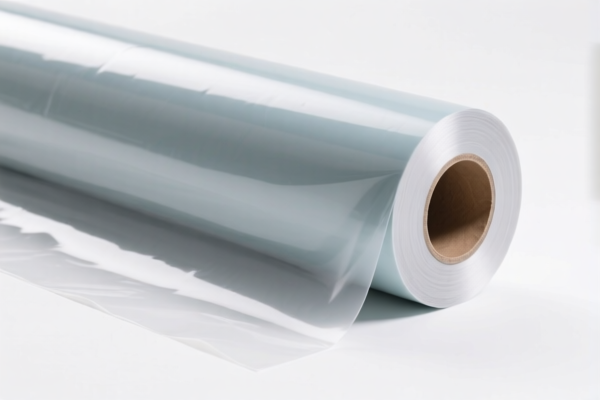
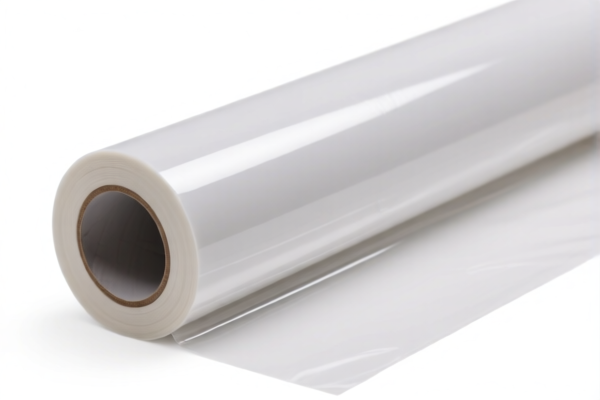
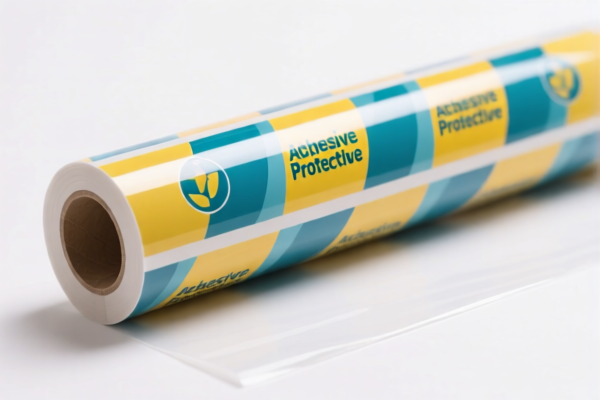
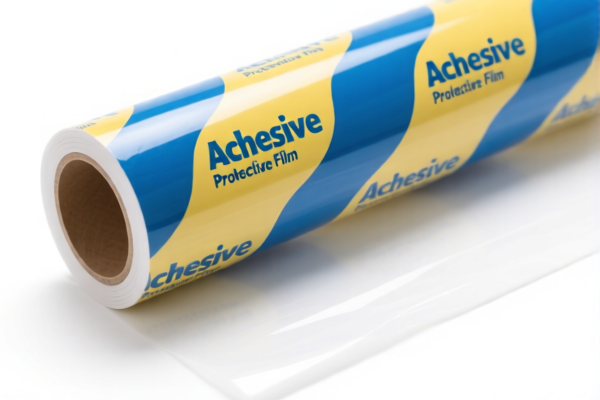
AI Analysis
🛍️ Self-Adhesive Plastic Home Appliance Film Rolls
🌐 HS Code Reference & Customs Clearance Guide | 2026 Latest Tariff Analysis | Professional-Level Clearance Strategy
📌 I. Product Definition & Classification: Do You Really Know "Plastic Film Rolls"?
Self-adhesive plastic films for home appliances are critical protective and decorative materials used during the manufacturing, transportation, and retail stages of appliances (e.g., refrigerators, washing machines, microwaves). In international trade, they are classified under Chapter 39 (Plastics and Articles Thereof), specifically focusing on their form (rolls), width, and self-adhesive nature.
Key Distinctions: * Width Matters: The classification heavily depends on whether the roll width is ≤ 20 cm or > 20 cm. * Adhesive Nature: Must be "self-adhesive" (sticky backing), distinguishing it from non-adhesive protective films. * Material: Pure plastics, not rubber or other materials.
⚠️ Critical Classification Point:
- If the rolls are narrow (width ≤ 20 cm) → Classified under 3919.10
- If the rolls are wide (width > 20 cm) → Classified under 3919.90
- Do NOT confuse with "labeling" codes (3920/3921) if the primary function is protective film in roll form.
📦 II. HS Code Classification Details (2026 Latest Tariff Authority对照)
| HS Code | Product Description | Applicable Scenario | Width Constraint |
|---|---|---|---|
3919.10.20.55 |
Self-adhesive plates, sheets, film, foil, tape, strip and other flat shapes, of plastics: In rolls of a width not exceeding 20 cm: Other Other: Other | Narrow tape/strips for edge sealing, small decorative strips, precision appliance trim tapes | ✅ ≤ 20 cm |
3919.90.50.60 |
Self-adhesive plates, sheets, film, foil, tape, strip and other flat shapes, of plastics: Other: Other Other | Wide rolls for surface protection of fridge doors, washing machine panels, or large decorative sheets | ✅ > 20 cm |
🔍 重点提醒 (Key Reminder):
- Width is the King: The 20 cm threshold is absolute. A 15 cm wide roll must go to3919.10, not3919.90, even if it's the same material.
- "Other" Category: Both codes fall under "Other" because they are standard self-adhesive plastic films not specified as "electrical insulation" or "labeling" in more specific subheadings.
- Packaging: Even if sold as "rolls," if the individual pieces are cut to shape and packaged as "sheets," the code might shift, but for "rolls" as described, these are the correct codes.
💰 III. 2026 Latest Tariff Rate Details (Detailed Tax Breakdown)
✅ Applicable Country: United States (US)
✅ Origin: China (CN)
✅ Effective Time: Current Rates (as per provided data)
🎯 1. 3919.10.20.55 —— Self-Adhesive Plastic Film (Narrow Rolls, ≤ 20 cm)
| Item | Content |
|---|---|
| Base Tariff Rate | 0.0% (ad valorem) |
| Additional Tariffs (Section 301 / IEEPA) | 0.0% |
| Total Tariff Rate | 0.0% |
| Tax Calculation | CIF Value × 0% = $0 |
| De Minimis Eligibility | ✅ Yes (if value < $800) |
| Legal Basis Path | USITC:3919.10.20.55 → No specific footnote for additional taxes in provided data. |
📌 Explanation:
- This specific subheading for narrow self-adhesive plastic films currently enjoys a 0% total tariff.
- No Section 301 or IEEPA surcharges are applied to this specific code in the provided dataset.
- This makes it a low-cost, high-volume import category, favorable for protective film manufacturers.
🎯 2. 3919.90.50.60 —— Self-Adhesive Plastic Film (Wide Rolls, > 20 cm)
| Item | Content |
|---|---|
| Base Tariff Rate | 0.0% (ad valorem) |
| Additional Tariffs (Section 301 / IEEPA) | 0.0% |
| Total Tariff Rate | 0.0% |
| Tax Calculation | CIF Value × 0% = $0 |
| De Minimis Eligibility | ✅ Yes (if value < $800) |
| Legal Basis Path | USITC:3919.90.50.60 → No specific footnote for additional taxes in provided data. |
📌 Explanation:
- Wide self-adhesive plastic films also have a 0% total tariff.
- No additional taxes are listed for this code in the provided data.
- Strategic Advantage: Unlike some electronic components or steel products, plastic films for home appliances currently face zero tariff barriers in the US market under these specific codes.
🛠️ IV. Customs Clearance Practical Advice (Combat Pitfall Guide)
✅ 1. Documentation Checklist (None Can Be Missing)
| Document | Required | Description |
|---|---|---|
| ✅ Product Specification Sheet | ✔️ | Must specify: Material (e.g., PE, PP, PET), Width, Length, Thickness, Adhesive Type. |
| ✅ Commercial Invoice | ✔️ | Clearly state: "Self-Adhesive Plastic Film Rolls for Home Appliance Protection" + HS Code. |
| ✅ Packing List | ✔️ | Specify dimensions to prove roll width (≤20cm or >20cm). |
| ✅ Photos of Product & Rolls | ✔️ | Show the roll structure, adhesive side (if visible), and labeling. |
| ✅ Certificate of Origin (CO) | ✔️ | Confirm Chinese origin to ensure correct tariff treatment (though 0% here, it’s still required for record-keeping). |
| ✅ Non-Dangerous Goods Declaration | ✔️ | Confirm no hazardous chemicals in adhesive. |
✅ 2. Declaration Tips (Key Mantra)
🔥 "Width Defines Code, Adhesive Defines Chapter, Rolls Define Form!"
| Scenario | Correct Declaration | Wrong Practice |
|---|---|---|
| Narrow Tape (<20cm) | 3919.10.20.55 + "Self-Adhesive Plastic Tape, ≤20cm Width" |
Mislabeling as "Plastic Tape" without width → Potential audit. |
| Wide Roll (>20cm) | 3919.90.50.60 + "Self-Adhesive Plastic Film, >20cm Width" |
Using narrow code for wide rolls → Classification Error. |
| Non-Adhesive Film | DO NOT use these codes → Go to Ch. 3901-3914. | Using self-adhesive codes for non-sticky film → Rejection. |
| Labeled Products | If pre-printed with logos/brands, still 3919.x if function is protective/adhesive. |
Misclassifying as "Labels" (3920/3921) → Wrong tax rate. |
✅ 3. Special Situations Handling
| Situation | Handling Advice |
|---|---|
| Composite Materials | If the film has a paper backing or fabric layer, consult Chapter 39 Notes. Pure plastic is key. |
| Samples | If value < $800, use De Minimis (Section 321) for duty-free entry, but still declare correct HS Code. |
| Color/Finish | Transparent vs. Colored: Does not change HS Code, but must be accurately described in invoice. |
| Roll Core Material | Plastic or cardboard core does not affect classification; focus on the plastic film itself. |
🌍 V. Global Market Customs Comparison (2026 Latest)
| Country/Region | Recommended HS Code | Tariff Rate | Certification Requirements | Notes |
|---|---|---|---|---|
| 🇺🇸 United States | 3919.10.20.55 / 3919.90.50.60 |
0.0% | None specific | Zero Tariff Advantage |
| 🇨🇳 China | 3919.10.20.55 / 3919.90.50.60 |
~5-10% | CCC (if applicable) | Export from US may face different rules |
| 🇪🇺 European Union | 3919.10 / 3919.90 |
~6.5% | REACH (Chemical Compliance) | Higher tariff than US |
| 🇦🇺 Australia | 3919.10 / 3919.90 |
~5% | None | Low tariff |
| 🇯🇵 Japan | 3919.10 / 3919.90 |
~0-3% | PSE (if electrical contact) | Generally low tariff |
📌 Conclusion:
- The US market currently offers a significant advantage with 0% tariffs on these specific plastic film codes.
- EU and other markets may charge higher duties, so US imports are highly cost-effective.
- No additional Section 301 or IEEPA taxes apply to these codes in the provided data, making them safe from trade war surcharges.
📌 VI. Common Mistakes & Pitfall Guide (Blood & Tears Lessons)
❌ Mistake 1: Confusing Self-Adhesive with Non-Adhesive
👉 Consequence: If you declare non-sticky film as self-adhesive, customs may reject or reclassify, leading to delays.
👉 Fix: Ensure product has adhesive backing.
❌ Mistake 2: Ignoring Roll Width
👉 Consequence: Declaring a 25cm wide roll under 3919.10 (≤20cm) → Classification Error → Potential fines.
👉 Fix: Measure width precisely. ≤20cm = 3919.10; >20cm = 3919.90.
❌ Mistake 3: Using "Plastic Film" Vague Description
👉 Consequence: Customs may assign a default higher rate or request extensive documentation.
👉 Fix: Use precise description: "Self-Adhesive PE Plastic Film Roll, Protective, Width XX cm."
❌ Mistake 4: Assuming All Plastic Films Are Tariff-Free
👉 Consequence: Not all plastic films are 0%. Some are 5-10%.
👉 Fix: Verify HS Code specificity. The provided data shows 0% for these two codes.
✅ Correct Practice:
"Self-Adhesive Plastic Protective Film Rolls for Home Appliances, Material: PP, Width: 30cm, Roll Length: 100m, Transparent"
🎯 VII. Conclusion: Professional Declaration, Save Time & Money!
🎯 Remember Mantra:
🔹 "Width ≤ 20cm: 3919.10 | Width > 20cm: 3919.90"
🔹 "Self-Adhesive: Chapter 39 | Non-Adhesive: Chapter 3901-3914"
🔹 "Tariff: 0% in US | No Surcharge | Pure Profit!"
📌 Tips:
- If you are exporting to the US, these codes are ideal due to 0% tariffs.
- If exporting to EU, prepare for ~6.5% duty + REACH compliance.
- Always provide clear photos of the roll and adhesive side to avoid customs queries.
📣 Immediate Action:
📞 Confirm roll width with your supplier.
📝 Prepare detailed invoice with HS Code3919.10.20.55or3919.90.50.60.
🚀 Enjoy Zero Tariff Advantage in the US Market!
✨ Professional Customs Clearance Starts with Precise Classification!
💼 Your Cost Efficiency Deserves Exact Calculation!
Customer Reviews
About HS Code Classification
The Harmonized System (HS) is an internationally standardized nomenclature developed by the World Customs Organization (WCO) to classify traded products. Over 200 countries use the HS system as the basis for customs tariffs, trade statistics, and import/export regulations.
Each HS code follows a hierarchical structure:
- Chapter (2 digits) — Broad category of goods (e.g., Chapter 84: Machinery and Mechanical Appliances)
- Heading (4 digits) — More specific grouping within the chapter
- Subheading (6 digits) — Internationally standardized breakdown, used by all WCO member countries
- National subdivisions (8-10 digits) — Country-specific extensions for further classification, such as US HTSUS 10-digit codes
Correct HS code classification is essential for smooth customs clearance, accurate duty payment, and compliance with trade regulations. Misclassification can lead to customs delays, overpayment of duties, or penalties.
When importing from CN to US, the applicable tariff rates may include:
- Most-Favored-Nation (MFN) rate — The standard duty rate applied to WTO members
- General rate — Applied to countries without trade agreements
- Trade remedy duties — Additional tariffs such as Section 301 (anti-dumping), Section 232 (national security), or countervailing duties
The information provided on this page is for reference purposes only. For official classification, please consult with your local customs authority or a licensed customs broker.