Self Adhesive Plastic Printing Film Rolls
CN → US| HS Code | Tariff Rate | Origin | Destination | Doc |
|---|---|---|---|---|
| 3919905060 | 40.8% | CN | US | Official Doc |
| 3919102055 | 40.8% | CN | US | Official Doc |
| 4811411000 | 35.0% | CN | US | Official Doc |
| 3919905060 | 40.8% | CN | US | Official Doc |
| 3919102055 | 40.8% | CN | US | Official Doc |
Product Images
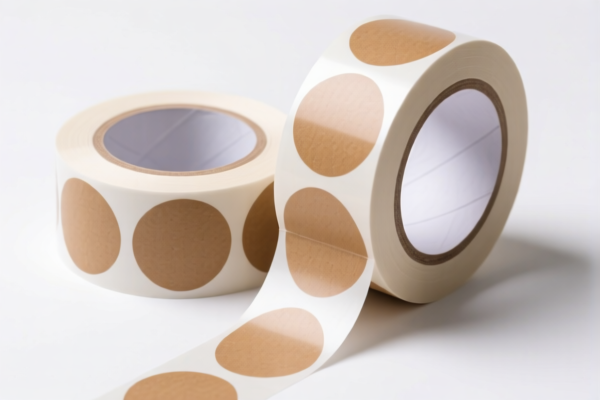
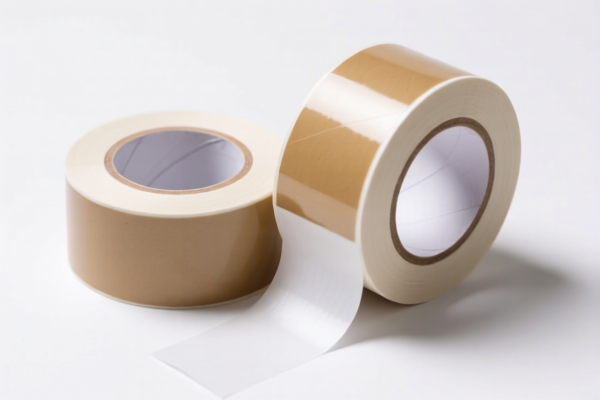
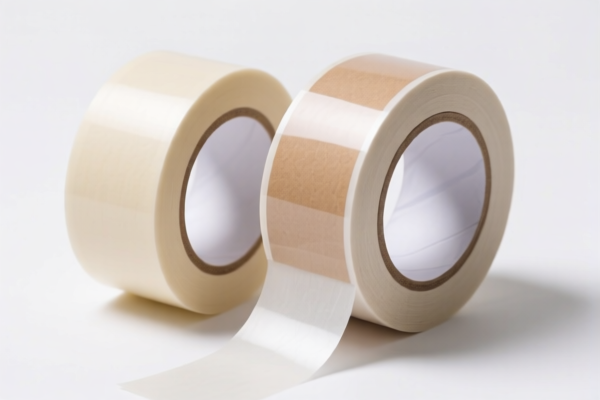
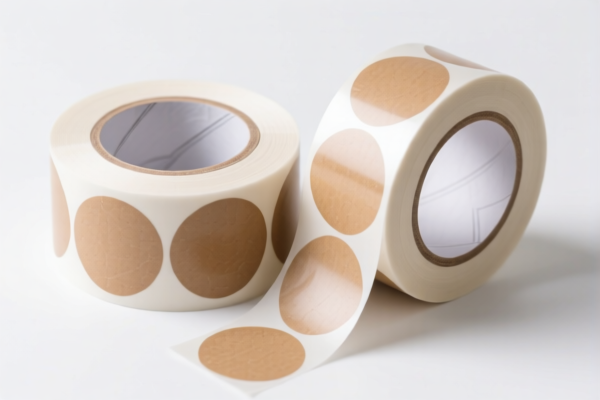
AI Analysis
🖨️ Self Adhesive Plastic Printing Film Rolls
🌐 HS Code Reference & Customs Clearance Guide | 2026 Latest Tariff Analysis | Professional Clearance Strategy
📌 1. Product Definition and Classification: Do You Truly Understand "Self-Adhesive Plastic Film"?
Self-adhesive plastic printing film rolls are flexible materials widely used in packaging, labeling, and decorative applications. In international trade, they are primarily categorized based on their material composition (plastic), physical form (rolls/flexible sheets), and key feature (self-adhesive nature).
Depending on the precise manufacturing process and primary function, these products are generally classified under two main chapters: 1. Chapter 39 (Plastics and Articles Thereof): For self-adhesive plastic films where the plastic itself is the primary carrier, often used for printing surfaces or protective layers. 2. Chapter 48 (Paper and Paperboard): For products where the self-adhesive backing is on a paper-like substrate or classified specifically as "self-adhesive tape" or "labeling materials" under paper-based classifications, though less common for pure "plastic film."
⚠️ Key Distinction Point:
- If the product is a plastic sheet/film that is self-adhesive and rolled, it typically falls under HS 3919 (Self-adhesive plates, sheets, film, etc., of plastics).
- If the product is considered a "tape" or "label" with a paper-like backing or specific adhesive tape function, it may fall under HS 4811 or other subheadings in Chapter 48.
- Crucial Note: The term "Printing Film" suggests it is intended for further processing (printing by the end-user), which supports the classification as a raw material (Film) rather than a finished printed product.
📦 2. HS Code Classification Details (2026 Latest Tariff Authority Comparison)
Based on the provided data, here are the specific HS Codes and their matching logic:
| HS Code | Product Description | Matching Logic & Summary | Total Tax Rate (US Import from CN) |
|---|---|---|---|
| 3919.90.50.60 | Self-adhesive plastic flat products, not otherwise specified | Match Basis: The product name contains key features: "Self-adhesive," "Plastic," and "Film." The material and form completely match the requirements of HS 3919.90.50.60, which covers self-adhesive plastic flat products. | 40.8% |
| 3919.10.20.55 | Self-adhesive plastic plates, sheets, film, etc. | Material Match: Fits plastic material. Form Match: Fits self-adhesive, film, roll format. Usage Match: Fits appliance film or similar protective/decorative film usage. No obvious conflicts. | 40.8% |
| 4811.41.10.00 | Self-adhesive tapes of paper | Match Success: The "Self-adhesive" attribute in the product name is consistent with the "Self-adhesive" requirement of the classification. Additionally, "Tape" is considered a typical form of adhesive paper products. Note: This implies the customs authority may view the product as a paper-based adhesive tape or label rather than pure plastic film. | 35.0% |
🔍 Key Insight:
- The Plastic Film (3919) classification leads to a 40.8% tax rate.
- The Paper/Tape (4811) classification leads to a 35.0% tax rate.
- The difference in 5.8% stems from the different Base Tariffs (5.8% for 3919 vs. 0% for 4811), while the surcharges are identical.
💰 3. Detailed Breakdown of 2026 Latest Tariff Rates (Including Surcharges & Policy Add-ons)
✅ Applicable Country: United States (US)
✅ Country of Origin: China (CN)
✅ Effective Time: From November 10, 2025 (including subsequent imports)
🎯 1. 3919.90.50.60 & 3919.10.20.55 —— Self-Adhesive Plastic Films
| Item | Content |
|---|---|
| Base Tariff | 5.8% (Ad valorem) |
| Section 301 Surcharge (USITC) | +25.0% (From USITC Footnote related to Section 301 tariffs) |
| Section 122 / IEEPA Surcharge | +10.0% (Specific surcharge for Chinese products under relevant emergency powers) |
| Total Tax Rate | 40.8% |
| Tax Calculation | CIF Value × 40.8% |
| De Minimis Eligibility | ❌ Not Eligible (Subject to strict scrutiny and high tariffs) |
| Legal Basis Path | USITC:3919.90.50.60 → FOOTNOTE:301 (+25%) → IEEPA/122 (+10%) |
📌 Explanation:
- The 5.8% base rate is standard for many plastic articles.
- The 25% surcharge is the well-known Section 301 tariff on Chinese goods.
- The 10% surcharge (often referred to as the "122 Clause" tariff in some contexts, or additional IEEPA measures) is applied on top.
- Total 40.8% is a very high tariff, significantly impacting profit margins. This must be factored into your pricing strategy.
🎯 2. 4811.41.10.00 —— Self-Adhesive Paper Products (Tapes/Labels)
| Item | Content |
|---|---|
| Base Tariff | 0.0% (Ad valorem) |
| Section 301 Surcharge (USITC) | +25.0% |
| Section 122 / IEEPA Surcharge | +10.0% |
| Total Tax Rate | 35.0% |
| Tax Calculation | CIF Value × 35.0% |
| De Minimis Eligibility | ❌ Not Eligible |
| Legal Basis Path | USITC:4811.41.10.00 → FOOTNOTE:301 (+25%) → IEEPA/122 (+10%) |
📌 Note:
- Although the base tariff is 0%, the surcharges remain 35% total.
- This classification might be used if the product is deemed to have a significant paper backing or is functionally a "tape" or "label" rather than a pure "plastic film."
- Savings: Choosing this classification could save 5.8% in total taxes compared to the plastic film classification. However, misclassification risks are high.
🛠️ 4. Customs Clearance Practical Advice (Pitfall Avoidance Guide)
✅ 1. Documentation Checklist (None of These Are Optional)
| Document | Required | Description |
|---|---|---|
| ✅ Product Specification Sheet | ✔️ | Must detail material composition (e.g., PET, PVC, PE), thickness, width, roll size, and adhesive type. |
| ✅ Technical Data Sheet (TDS) | ✔️ | Confirms whether it is a "film" or "tape" and its intended use (printing, labeling, protection). |
| ✅ Product Photos (Including Label) | ✔️ | Clear images showing the roll, the adhesive side, and any branding/packaging. |
| ✅ Commercial Invoice | ✔️ | Must clearly state: "Self-Adhesive Plastic Printing Film Rolls" or "Self-Adhesive Tape Rolls." Avoid vague terms like "Plastic Sheet." |
| ✅ Packing List | ✔️ | Details the number of rolls, net/gross weight, and dimensions. |
| ✅ Certificate of Origin (CO) | ✔️ | Mandatory for determining eligibility for any potential exemptions (though unlikely for China-origin goods under current 301/122 rules). |
✅ 2. Declaration Tips (Key Mantras)
🔥 "Material Defines HS, Form Defines Subheading, Name Must Be Precise!"
| Scenario | Correct Declaration Approach | Incorrect Approach |
|---|---|---|
| Pure Plastic Film (PET/PVC) | Use 3919.xx.xx. Declare as "Self-adhesive Plastic Film." | Declaring as "Tape" → Risk of misclassification penalty. |
| Paper-backed Self-Adhesive Film | Use 4811.xx.xx or 3919.xx.xx depending on primary material. Declare material composition accurately. | Vague description "Printing Roll" → Customs delay. |
| Finished Printed Label | May fall under 4911.xx (Printed matter) if fully printed. | Declaring unprinted raw film as "Printed Label" → Wrong tariff. |
| Roll Format | Emphasize "Rolls" in description. | Declaring as "Sheets" → Different tariff rate. |
✅ 3. Special Case Handling
| Situation | Handling Advice |
|---|---|
| Multi-layer Films (Plastic + Paper) | If the paper backing is significant, consider 4811. If plastic is dominant, stick to 3919. Consult a broker. |
| Adhesive Type | Specify if it is pressure-sensitive (standard for self-adhesive). This confirms the "self-adhesive" nature required for 3919/4811. |
| Value Declaration | Ensure CIF value is accurate. A 5.8% difference on base value can mean thousands of dollars. |
| Pre-Ruling (Advance Ruling) | Highly Recommended. Apply for a US Customs and Border Protection (CBP) Advance Ruling to confirm whether your specific product is 3919 or 4811. This provides legal certainty. |
🌍 5. Global Market Clearance Comparison (2026 Latest)
| Country/Region | Recommended HS Code | Tariff (China Origin) | Certification Requirements | Notes |
|---|---|---|---|---|
| 🇺🇸 USA | 3919.90.50.60 or 4811.41.10.00 |
40.8% or 35.0% | No special certs, but strict 301/122 tariffs apply. | High tariffs. Consider supply chain diversification. |
| 🇨🇳 China | 3919.90.50.60 or 4811.41.10.00 |
Low/0% (Imported back) | N/A | If re-exported, ensure proper inbound/outbound documentation. |
| 🇪🇺 EU | 3920.xx.xx or 3919.90 |
~6-7% | CE (if applicable), REACH compliance | No Section 301/122 surcharges. More favorable than US. |
| 🇬🇧 UK | 3920.xx.xx or 3919.90 |
~6-7% | UKCA (if applicable) | Post-Brexit rules apply. |
| 🇨🇦 Canada | 3920.xx.xx or 3919.90 |
~6-7% | No special surcharges | CUSMA may offer zero duty for eligible goods. |
📌 Conclusion:
- The US market is the most expensive due to the combination of base tariffs and multiple surcharges (301 + 122).
- The EU and UK offer significantly lower tariff burdens (~6-7%) for similar plastic films.
- If your product is destined for the US, cost optimization strategies (such as re-packaging in a third country like Vietnam, if possible under rules of origin) or precise classification (choosing 4811 over 3919 if legally justifiable) are critical.
📌 6. Common Errors & Pitfall Guide (Lessons from Experience)
❌ Error 1: Misclassifying "Plastic Film" as "Paper Tape" just to save tax.
👉 Consequence: Customs audit, retroactive taxes, penalties, and potential seizure if the product is clearly plastic (e.g., PET, PVC).
❌ Error 2: Ignoring the "Self-Adhesive" nature in the description.
👉 Consequence: If declared as "Non-self-adhesive plastic film," the wrong HS code (e.g., 3920) may be applied, leading to different (possibly higher or lower) duties and compliance issues.
❌ Error 3: Failing to account for Section 122/IEEPA tariffs.
👉 Consequence: Budgeting only for 301 tariffs (25%) and missing the additional 10% surcharge leads to unexpected costs of 35% instead of 40.8%.
❌ Error 4: Vague Product Name: "Plastic Roll."
👉 Consequence: Customs cannot determine the correct HS code. Shipment delayed for inspection.
✅ Correct Approach:
"Self-Adhesive PET Printing Film Roll, Clear, 12 Micron, Width 50cm, 100m per roll, For Commercial Printing."
🎯 7. Conclusion: Precision Classification Saves Money!
🎯 Remember the Mantra:
🔹 "Plastic Film = 3919 (40.8%) vs. Paper Tape = 4811 (35.0%). Verify Material!"
🔹 "301 + 122 = High Taxes. Plan Your Costs Accordingly!"
🔹 "Get a Pre-Ruling. It’s Worth the Investment."
📌 Pro Tip:
If your self-adhesive film has a significant paper backing or is primarily used as a label, try to qualify for HS 4811.41.10.00 to save 5.8%. However, if it is a pure plastic film (like PET or PVC), you must use HS 3919. Do not force a classification that doesn't match the physical product.
📣 Immediate Action:
📞 Contact a licensed US customs broker.
📄 Submit a Request for Advance Ruling to CBP with product samples and technical data.
💰 Factor 40.8% (or 35.0%) into your landed cost calculations to avoid margin erosion.
✨ Professional Clearance Starts with Accurate Classification!
💼 Your Profit Margin Depends on Getting the HS Code Right!
Customer Reviews
About HS Code Classification
The Harmonized System (HS) is an internationally standardized nomenclature developed by the World Customs Organization (WCO) to classify traded products. Over 200 countries use the HS system as the basis for customs tariffs, trade statistics, and import/export regulations.
Each HS code follows a hierarchical structure:
- Chapter (2 digits) — Broad category of goods (e.g., Chapter 84: Machinery and Mechanical Appliances)
- Heading (4 digits) — More specific grouping within the chapter
- Subheading (6 digits) — Internationally standardized breakdown, used by all WCO member countries
- National subdivisions (8-10 digits) — Country-specific extensions for further classification, such as US HTSUS 10-digit codes
Correct HS code classification is essential for smooth customs clearance, accurate duty payment, and compliance with trade regulations. Misclassification can lead to customs delays, overpayment of duties, or penalties.
When importing from CN to US, the applicable tariff rates may include:
- Most-Favored-Nation (MFN) rate — The standard duty rate applied to WTO members
- General rate — Applied to countries without trade agreements
- Trade remedy duties — Additional tariffs such as Section 301 (anti-dumping), Section 232 (national security), or countervailing duties
The information provided on this page is for reference purposes only. For official classification, please consult with your local customs authority or a licensed customs broker.