Self Adhesive Reflectorized Plate
CN → US| HS Code | Tariff Rate | Origin | Destination | Doc |
|---|---|---|---|---|
| 3919905010 | 40.8% | CN | US | Official Doc |
| 9405694000 | 41.0% | CN | US | Official Doc |
| 9405916080 | 39.5% | CN | US | Official Doc |
| 9405920000 | 38.7% | CN | US | Official Doc |
| 7020006000 | 40.0% | CN | US | Official Doc |
Product Images
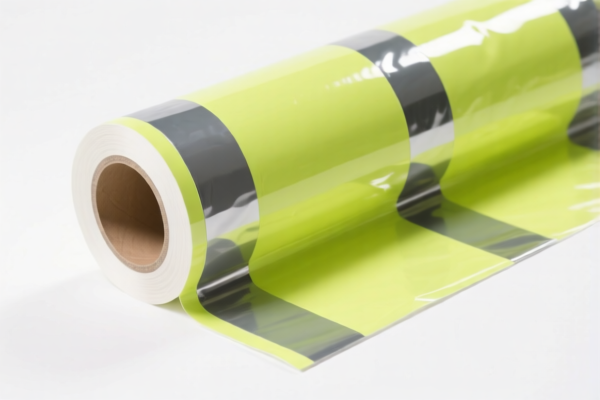
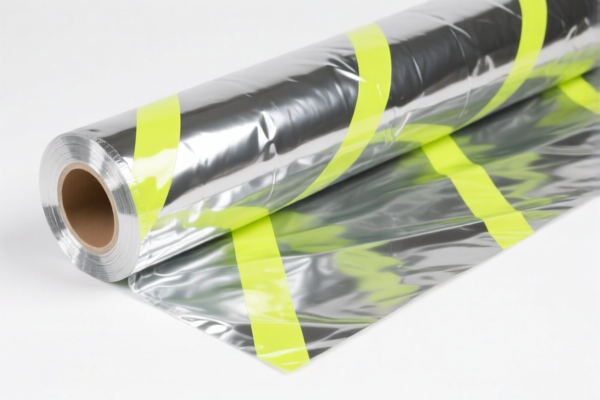
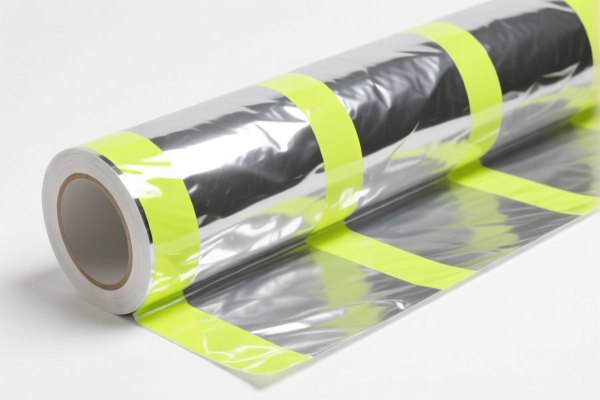
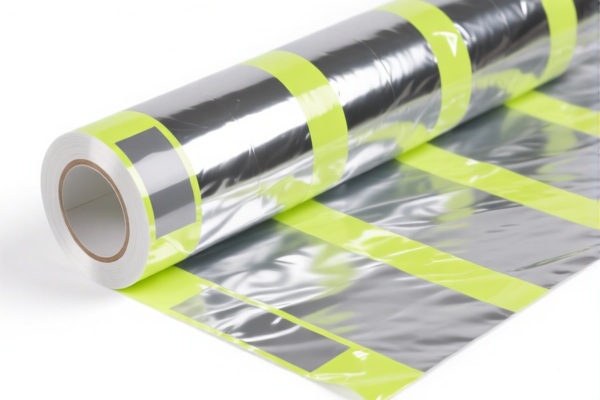
AI Analysis
🔄 Self-Adhesive Reflectorized Plate (Self-Adhesive Reflective Film/Sheet)
🌐 HS Code Reference & Customs Clearance Guide | 2026 Latest Tariff Analysis | Professional Clearance Strategy
📌 I. Product Definition & Classification: What is a "Self-Adhesive Reflectorized Plate"?
Self-adhesive reflectorized plates are versatile reflective materials widely used in traffic signs, safety apparel, vehicle markings, and decorative lighting. In international trade, these products are complex because they can be classified differently depending on their primary material, function, and structure (e.g., whether they contain metal coatings, glass substrates, or are simple plastic sheets).
Key Distinctions: * Plastic/Resin Based: Simple reflective films or sheets made primarily of plastic. * Metal-Coated: Reflective surfaces that include a metallic layer for higher reflectivity. * Glass/Resin Substrate: More rigid or specialized reflective panels. * Lighting Accessories: Components used as part of a larger lighting system.
⚠️ Critical Classification Point:
- If the product is a simple plastic sheet with adhesive → It falls under Chapter 39 (Plastics).
- If it is a lighting component or sign → It falls under Chapter 94 (Lamps/Lighting).
- If it is made of glass → It falls under Chapter 70 (Glass).
- Misclassification Risk: Declaring a metal-coated sign as a simple plastic sheet can lead to customs audits and penalties.
📦 II. HS Code Classification Details (2026 Latest Tariff Authority Match)
Based on the specific composition and usage of the Self-Adhesive Reflectorized Plate, here are the five potential classifications from the provided data:
| HS Code | Product Description | Applicable Scenario | Key Material/Feature |
|---|---|---|---|
3919.90.50.10 |
Self-adhesive reflectorized plate as plastic flat self-adhesive reflective sheet | Standard traffic signs, vehicle decals, safety labels | ✅ Plastic base, adhesive back, no complex lighting function |
9405.69.40.00 |
Self-adhesive reflectorized plate as luminous sign containing metal coating or substrate | High-intensity traffic signs, road markers | ✅ Metal-coated or metallic substrate, luminous/signage function |
9405.91.60.80 |
Self-adhesive reflectorized plate as plastic or composite accessory for lighting/luminaires | Interior/exterior decorative lighting, accent lights | ✅ Accessory for lighting systems, plastic/composite |
9405.92.00.00 |
Self-adhesive reflectorized plate as lighting sign parts with plastic or film medium | Signage parts, illuminated panels, film-based signs | ✅ Parts for lighting signs, plastic/film medium |
7020.00.60.00 |
Self-adhesive reflectorized plate as reflective board制品 with glass or resin substrate | Specialized industrial reflectors, high-durability signs | ✅ Glass or Resin substrate, rigid or semi-rigid reflective board |
🔍 Key Reminder:
- Chapter 39 (3919) is for "Plastics": Use if the primary identity is a self-adhesive plastic sheet.
- Chapter 94 (9405) is for "Lamps and Lighting": Use if the product is specifically for lighting or is a signboard component.
- Chapter 70 (7020) is for "Glass": Use only if the substrate is explicitly glass or rigid resin, not flexible plastic film.
💰 III. 2026 Latest Tariff Rate Breakdown (Including Additional Taxes & Policy Surcharges)
✅ Applicable Country: United States (US)
✅ Origin: China (CN)
✅ Effective Time: Includes subsequent imports (current trade war tariffs apply)
The tax structure for all these HS codes is remarkably similar due to the uniform application of US trade remedies against Chinese goods.
🎯 General Tax Structure for All Listed HS Codes
| Item | Content |
|---|---|
| Base Tariff Rate | Ranges from 3.7% to 6.0% (depending on specific HS code) |
| Additional Tariff (Section 301) | +25.0% (From USITC Footnote for Section 301 tariffs) |
| Section 122 Tariff | +10.0% (Specific trade remedy tariff) |
| Total Effective Tax Rate | 38.7% – 41.0% |
| Tax Calculation | CIF Value × Total Rate |
| De Minimis Exemption? | ❌ Not Applicable (Section 301 and 122 tariffs generally do not benefit from de minimis rules for China origin) |
| Legal Basis Path | Section 301 → Section 122 → USITC Specific HS Code |
📌 Explanation:
- "Additional Tariff 25%": This is the standard Section 301 tariff applied to most Chinese manufactured goods, including plastics and lighting accessories.
- "Section 122 Tariff 10%": This is an additional duty often applied to specific categories of imports to protect domestic industries or address trade deficits.
- Total Rate Calculation:
- Lowest:9405.92.00.00→ 3.7% (Base) + 25% + 10% = 38.7%
- Highest:9405.69.40.00→ 6.0% (Base) + 25% + 10% = 41.0%
🛠️ IV. Customs Clearance Practical Advice (Real-World Pitfall Guide)
✅ 1. Preparation Checklist (Must-Have Documents)
| Document | Required | Explanation |
|---|---|---|
| ✅ Product Specification Sheet | ✔️ | Must detail material composition (Plastic vs. Glass vs. Metal-coated). |
| ✅ Product Photos | ✔️ | Clear images of the product, adhesive side, and any packaging labels. |
| ✅ Commercial Invoice | ✔️ | Must clearly describe the product as "Self-Adhesive Reflective Sheet" or "Reflective Sign Part." |
| ✅ Origin Certificate | ✔️ | To prove Chinese origin for tariff calculation (and potential exemptions if applicable). |
| ✅ Material Safety Data Sheet (MSDS) | ✔️ | If the adhesive or material contains hazardous substances. |
| ✅ Declaration of Composition | ✔️ | Explicitly state: "Made of [Material], with [Adhesive], for [Use Case]." |
✅ 2. Declaration Strategy (Key Tips for Accuracy)
🔥 "Describe the Material, Not Just the Function!"
| Scenario | Correct Declaration | Wrong Declaration | Consequence |
|---|---|---|---|
| Plain Plastic Reflective Sheet | 3919.90.50.10 "Self-adhesive plastic reflective sheet" |
"Reflective Sign" (Vague) | Customs may classify under 9405 (higher base rate) or ask for clarification. |
| Metal-Coated Reflective Sign | 9405.69.40.00 "Luminous sign part, metal-coated" |
"Plastic Sticker" | Misclassification penalty + potential delay. |
| Lighting Accessory | 9405.91.60.80 "Reflective film for lighting fixtures" |
"Traffic Sign" | Incorrect function declaration. |
| Glass/Resin Reflector | 7020.00.60.00 "Glass reflective board" |
"Plastic Film" | Significant risk of audit if glass content is detected. |
📌 Crucial Tip:
- If your product is flexible and made of PET/Plastic, lean towards3919.90.50.10.
- If it is used as part of a lighting system or is a rigid sign, use9405codes.
- If it contains metal coating,9405.69.40.00is the most accurate.
✅ 3. Special Considerations
| Situation | Handling Advice |
|---|---|
| OEM Custom Signs | Provide design drawings and material specs. Clearly state if it's for "traffic" or "decorative" use. |
| Mixed Shipments | Do not mix 3919 (Plastic) and 7020 (Glass) in the same line item. Declare separately. |
| High-Volume Imports | Consider applying for an Advance Ruling from US Customs and Border Protection (CBP) to lock in the HS code and tariff rate. |
| Section 122 Exemptions | Check if your specific product type is excluded from Section 122 tariffs (rare, but worth verifying with a customs broker). |
🌍 V. Global Market Comparison (2026 Outlook)
| Country/Region | Recommended HS Code | Estimated Tax Rate (China Origin) | Key Certifications | Notes |
|---|---|---|---|---|
| 🇺🇸 USA | 3919.90.50.10 9405.69.40.00 |
38.7% – 41.0% | FCC (if electronic), DOE | High tariffs due to Section 301 + 122. |
| 🇨🇳 China | 3919.90.50.10 9405.69.40.00 |
5.8% – 6.0% | CCC (if applicable) | Base tariff only, no US-style surcharges. |
| 🇪🇺 EU | 3919.90.90 9405.92.00 |
4.0% – 6.0% | CE, RoHS, REACH | No Section 301 equivalents, but strict safety standards. |
| 🇯🇵 Japan | 3919.90.90 9405.99.00 |
3.0% – 5.0% | PSE, JIS | Generally lower tariffs, but requires detailed material declaration. |
📌 Conclusion:
- USA is the most expensive market for Chinese-origin reflectorized plates due to the combination of Base + Section 301 + Section 122 tariffs.
- Accurate HS classification is critical: A 2.3% difference in base rate (e.g.,9405.92vs9405.69) can add thousands of dollars in duties on large shipments.
- Consider Supply Chain Diversification: For high-volume US-bound goods, consider sourcing from Vietnam, Mexico, or Thailand to avoid Section 301/122 tariffs (if eligible).
📌 VI. Common Mistakes & Pitfalls (Blood Lessons)
❌ Mistake 1: Declaring all reflective films as 3919 regardless of material.
👉 Result: If the product contains metal coating or is a lighting part, customs will reclassify it to 9405, potentially changing the base rate and triggering audits.
❌ Mistake 2: Ignoring the "Section 122" tariff.
👉 Result: Underpaying taxes by 10%. Customs can assess back-duties + interest + penalties.
❌ Mistake 3: Using vague descriptions like "Reflective Material."
👉 Result: Customs delays for classification review. Always specify "Plastic," "Metal-coated," or "Glass."
❌ Mistake 4: Assuming de minimis applies.
👉 Result: Section 301 and 122 tariffs do not apply to de minimis (Section 321) shipments from China. Even small packages are subject to the full tax rate if entered formally.
✅ Correct Approach:
"Self-Adhesive Reflective Sheet, PET Material, Pressure-Sensitive Adhesive, for Traffic Signage, Model XYZ, Chinese Origin"
🎯 VII. Conclusion: Precision in Classification Saves Money!
🎯 Remember the Golden Rules:
🔹 "Plastic Sheet → 3919"
🔹 "Lighting/Sign Part → 9405"
🔹 "Glass/Resin Board → 7020"
🔹 "Total Tax ≈ 39-41% for USA (China Origin)"
🔹 "Always declare material composition clearly!"
📌 Pro Tip:
If your self-adhesive reflectorized plates are originating from Vietnam, Mexico, or Thailand, you may be eligible for lower tariffs (0% - 5%) due to trade agreements or exclusion lists.
👉 Action: Apply for an Advance Ruling from US CBP before shipment to secure the correct HS code and tariff rate.
📣 Immediate Action:
📞 Consult a licensed customs broker.
📄 Provide detailed product specs (Material, Adhesive, Substrate).
🚀 Ensure your commercial invoice matches the HS code declaration exactly.
✨ Professional Clearance Starts with Accurate Classification!
💼 Every percentage point matters in your profit margin!
Customer Reviews
About HS Code Classification
The Harmonized System (HS) is an internationally standardized nomenclature developed by the World Customs Organization (WCO) to classify traded products. Over 200 countries use the HS system as the basis for customs tariffs, trade statistics, and import/export regulations.
Each HS code follows a hierarchical structure:
- Chapter (2 digits) — Broad category of goods (e.g., Chapter 84: Machinery and Mechanical Appliances)
- Heading (4 digits) — More specific grouping within the chapter
- Subheading (6 digits) — Internationally standardized breakdown, used by all WCO member countries
- National subdivisions (8-10 digits) — Country-specific extensions for further classification, such as US HTSUS 10-digit codes
Correct HS code classification is essential for smooth customs clearance, accurate duty payment, and compliance with trade regulations. Misclassification can lead to customs delays, overpayment of duties, or penalties.
When importing from CN to US, the applicable tariff rates may include:
- Most-Favored-Nation (MFN) rate — The standard duty rate applied to WTO members
- General rate — Applied to countries without trade agreements
- Trade remedy duties — Additional tariffs such as Section 301 (anti-dumping), Section 232 (national security), or countervailing duties
The information provided on this page is for reference purposes only. For official classification, please consult with your local customs authority or a licensed customs broker.