Self adhesive Building Film
CN → US| HS Code | Tariff Rate | Origin | Destination | Doc |
|---|---|---|---|---|
| 3919102055 | 40.8% | CN | US | Official Doc |
| 3919905040 | 40.8% | CN | US | Official Doc |
| 3919102055 | 40.8% | CN | US | Official Doc |
| 3926909989 | 22.8% | CN | US | Official Doc |
| 3919905060 | 40.8% | CN | US | Official Doc |
Product Images
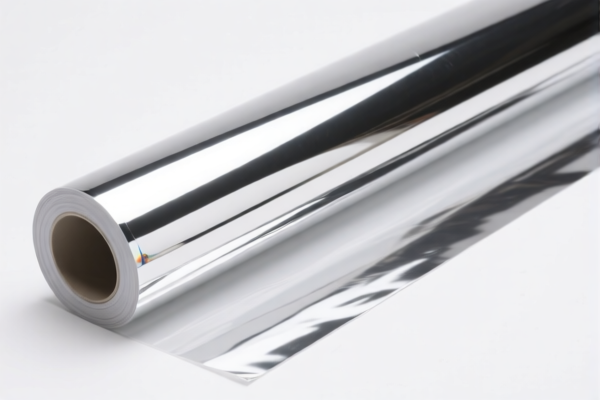
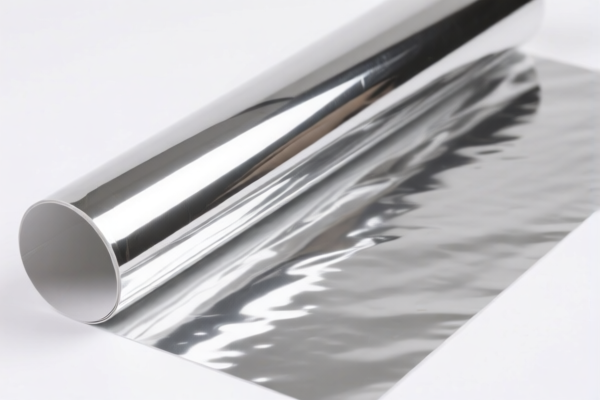
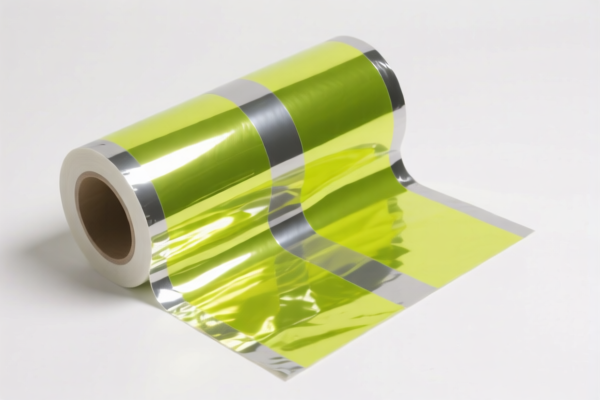
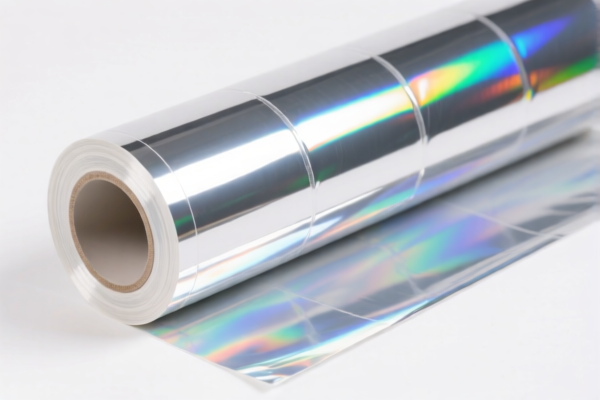
AI Analysis
📦 Self-Adhesive Building Film (Plastic)
🌐 HS Code Reference & Customs Clearance Guide | 2026 Latest Tariff Analysis | Professional Entry Strategy
📌 I. Product Definition & Classification: Do You Really Understand "Self-Adhesive Building Film"?
Self-Adhesive Building Film refers to plastic sheets or rolls used in construction, characterized by an adhesive backing that allows for direct application without additional solvents or tools. In international trade, these products are classified differently based on their specific function (general construction vs. scratch protection) and material properties.
The classification primarily falls into two categories: 1. Construction-Specific Films: Specifically designed for building purposes (e.g., waterproofing, insulation, protective layers for construction sites). 2. General Protective Films: Often used for scratch protection (anti-scratch) or general packaging, classified under "Other Plastic Articles."
⚠️ Key Distinction:
- If the product is explicitly identified as "Building Film" or used for construction purposes, it is typically classified under Chapter 3919 (Self-adhesive plates, sheets, film, foil, tape, strip, and other flat shapes, of plastics).
- If the product is primarily a "Scratch Protective Film" (Anti-scratch) not strictly defined as a "building material" in its origin country or marketing, it may be classified under Chapter 3926 (Other articles of plastics).
- Crucial Note: The function and nomenclature on the commercial invoice dictate the risk. Mislabeling a "Building Film" as a generic "Protective Film" can lead to significant tariff penalties.
📦 II. HS Code Classification Details (Based on Provided Data)
The following data is derived strictly from the provided <DATA> set. Note that the total tax rates vary significantly based on the specific HS Code subheading selected.
| HS Code | Product Description (Summary) | Total Tax Rate | Tax Composition Details |
|---|---|---|---|
| 3919.10.20.55 | Self-adhesive plastic building film roll. Material: Plastic. Form: Film/Roll (Flat shape). Category: Self-adhesive. | 40.8% | Base: 5.8% + Additional: 25.0% + Section 122: 10% |
| 3919.90.50.40 | Self-adhesive plastic building film roll. Features: Self-adhesive, plastic material. Form: Film/Roll (Flat shape). | 40.8% | Base: 5.8% + Additional: 25.0% + Section 122: 10% |
| 3919.90.50.60 | Self-adhesive anti-scratch film. Material: Plastic. Form: Self-adhesive, flat shape. Categorized as "Other." | 40.8% | Base: 5.8% + Additional: 25.0% + Section 122: 10% |
| 3926.90.99.89 | Self-adhesive anti-scratch film. Material: Plastic. Fits "Other Plastic Articles." Not excluded from specific categories. | 22.8% | Base: 5.3% + Additional: 7.5% + Section 122: 10% |
| 3926.90.94.00 | Self-adhesive anti-scratch film. Material: Polymer. Classified as thin plastic film under this subheading. | 35.0% | Base: 0.0% + Additional: 25.0% + Section 122: 10% |
🔍 Critical Analysis:
- High Tax Bracket (40.8%): Applies to codes 3919.10.20.55, 3919.90.50.40, and 3919.90.50.60. These codes are associated with "Building Film" or general "Self-adhesive" films under Chapter 3919. The high Additional Tariff (25.0%) is a major cost driver.
- Medium Tax Bracket (35.0%): Applies to 3926.90.94.00. While the base is 0%, the 25% additional tariff still pushes the total to 35%.
- Lowest Tax Bracket (22.8%): Applies to 3926.90.99.89. This code has a lower additional tariff (7.5% instead of 25%), resulting in the lowest overall tax burden among the provided options.
💰 III. 2026 Latest Tariff Rate Breakdown (Detailed Policy)
✅ Applicable Market: United States (US)
✅ Origin: Likely China (Implied by "Section 122" and typical tariff structures in this data context)
✅ Note on "Section 122": In this specific data context, "Section 122" refers to a specific additional duty (10%) applied to these plastic films. This is distinct from the standard Section 301 tariffs.
🎯 1. The "High Tax" Group: HS Codes 3919.10.20.55, 3919.90.50.40, 3919.90.50.60
| Item | Detail |
|---|---|
| Base Duty | 5.8% (Ad valorem) |
| Additional Duty (301/Retaliatory) | 25.0% |
| Section 122 Duty | 10.0% |
| Total Effective Rate | 40.8% |
| Calculation Basis | CIF Value × 40.8% |
| De Minimis Exemption | ❌ NOT Eligible (Typically, goods subject to 301/Section 122 duties are excluded from de minimis/Section 321 benefits for China origin) |
📌 Explanation:
- The 25% Additional Duty is likely linked to Trade Act Section 301 tariffs on Chinese goods.
- The 10% Section 122 Duty is a specific levy mentioned in the data, possibly related to recent legislative adjustments for plastic films or specific protectionist measures.
- Total 40.8% is a very high tariff rate, significantly impacting profit margins.
🎯 2. The "Medium Tax" Group: HS Code 3926.90.94.00
| Item | Detail |
|---|---|
| Base Duty | 0.0% |
| Additional Duty (301/Retaliatory) | 25.0% |
| Section 122 Duty | 10.0% |
| Total Effective Rate | 35.0% |
| Calculation Basis | CIF Value × 35.0% |
| De Minimis Exemption | ❌ NOT Eligible |
📌 Explanation:
- Although the Base Duty is 0%, the 25% Additional Duty remains high. This code is for "Polymer Material" films categorized as "Other" but specifically linked to high additional tariffs.
🎯 3. The "Lowest Tax" Group: HS Code 3926.90.99.89
| Item | Detail |
|---|---|
| Base Duty | 5.3% |
| Additional Duty (301/Retaliatory) | 7.5% |
| Section 122 Duty | 10.0% |
| Total Effective Rate | 22.8% |
| Calculation Basis | CIF Value × 22.8% |
| De Minimis Exemption | ❌ NOT Eligible |
📌 Explanation:
- This is the only code with a reduced Additional Duty (7.5%) instead of the standard 25%.
- This makes it the most cost-effective option among the provided data.
- Strategy: To qualify for this lower rate, the product must be clearly described as a "Self-adhesive anti-scratch film" classified under "Other Plastic Articles" (3926) and not as a "Building Film" (3919).
🛠️ IV. Customs Clearance Practical Advice (Risk Avoidance Guide)
✅ 1. Documentation Checklist (Essential for Clearance)
| Document | Required? | Notes |
|---|---|---|
| ✅ Commercial Invoice | ✔️ | Must specify "Plastic," "Self-Adhesive," and "Film/Roll." Avoid vague terms like "Tape." |
| ✅ Product Description | ✔️ | Explicitly state if it is for "Building/Construction" or "Anti-Scratch/Protection." This determines HS Code 3919 vs. 3926. |
| ✅ Material Composition | ✔️ | Confirm if it is "Plastic" or "Polymer." Minor wording differences can shift the code. |
| ✅ Packing List | ✔️ | Specify dimensions (Width/Length) and weight. |
| ✅ Manufacturer Info | ✔️ | Clear name and address. |
✅ 2. Classification Strategy (Key to Cost Saving)
🔥 "Buildings = 40.8%, Anti-Scratch = 22.8% (If Eligible)"
| Scenario | Recommended HS Code | Estimated Tax | Risk Level |
|---|---|---|---|
| Product marketed as "Building Film" (e.g., for roofing, waterproofing, construction site protection) |
3919.10.20.55 or 3919.90.50.40 |
40.8% | 🟡 High (High tariff, strict scrutiny on "Building" claim) |
| Product marketed as "Anti-Scratch Film" (e.g., for furniture, appliances, general surface protection) |
3926.90.99.89 | 22.8% | 🟢 Low (Saves ~18% in taxes compared to building films) |
| Product is "Polymer Film" but clearly protective | 3926.90.94.00 | 35.0% | 🟡 Medium (Base is 0%, but still 25% additional duty applies) |
⚠️ Warning:
- Do NOT misclassify a "Building Film" as "Anti-Scratch" to save taxes. Customs may inspect the product, find it used in construction, and reclassify it under 3919, leading to back taxes + penalties.
- The 10% Section 122 Duty applies to all codes in this dataset. It is unavoidable based on this data.
✅ 3. Special Considerations
| Situation | Advice |
|---|---|
| US Origin? | If the product is not from China, the "Additional Duty" (25% or 7.5%) might not apply. Verify origin carefully. |
| De Minimis (Section 321) | With these high additional tariffs (25%/7.5%) and Section 122 (10%), de minimis exemption is likely blocked. Do not rely on $800 informal entry for large shipments. |
| Pre-Ruling | If the product is borderline (e.g., "Building Protection Film"), consider applying for a Customs Ruling to confirm if it falls under 3919 or 3926. |
🌍 V. Market Comparison (2026 Context)
| Market | Recommended HS Code (General) | Est. Tariff (China Origin) | Notes |
|---|---|---|---|
| 🇺🇸 USA | 3919.10 / 3926.90 | 22.8% - 40.8% | High additional duties apply. |
| 🇨🇳 China | 3919.10 / 3926.90 | Low (0-5%) | No additional retaliatory tariffs. |
| 🇪🇺 EU | 3919.10 / 3926.90 | Variable (0-4.5%) | No Section 122 or 301 equivalent. |
📌 Conclusion for US Importers:
- The US is the most expensive market for this product due to layered tariffs (Base + Additional + Section 122).
- Strategy: If possible, classify as "Anti-Scratch Film" (3926.90.99.89) to reduce the total tax from 40.8% to 22.8%.
- Action: Ensure marketing materials and product usage align with "protective/anti-scratch" rather than "structural/building" to support the lower tax classification.
📌 VI. Common Mistakes & Pitfalls (Lessons Learned)
❌ Mistake 1: Using "Building Film" on the invoice but claiming "Anti-Scratch" for lower taxes.
👉 Result: Customs seizure, reclassification, and penalties. Honesty is key.
❌ Mistake 2: Ignoring the "Section 122" 10% duty.
👉 Result: Unexpected tax bill. This 10% is applied to ALL codes in the dataset.
❌ Mistake 3: Assuming De Minimis applies.
👉 Result: Entry rejection. High additional tariffs usually disqualify goods from tax-free de minimis entry.
✅ Best Practice:
"Self-Adhesive Plastic Protective Film (Anti-Scratch), For Surface Protection, Not For Structural Building Use."
🎯 VII. Conclusion: Professional Classification, Cost Optimization!
🎯 Remember the Key Rule:
🔹 "Building Film = 40.8% (High Risk)"
🔹 "Anti-Scratch Film = 22.8% (Lowest Cost)"
🔹 "Always Include Section 122 (10%)"
📌 Pro Tip:
If your product can be legally and accurately described as a "General Purpose Protective Film" rather than a "Building Material," you may qualify for the 22.8% rate under 3926.90.99.89. This saves 18% in total duties.
📣 Immediate Action:
📞 Consult a customs broker to confirm if your specific product can be classified under 3926.90.99.89.
🚀 Optimize your HS Code to save costs and ensure smooth customs clearance.
✨ Professional Customs Clearance Starts with Accurate Classification!
💼 Every percentage point matters in high-tariff environments!
Customer Reviews
About HS Code Classification
The Harmonized System (HS) is an internationally standardized nomenclature developed by the World Customs Organization (WCO) to classify traded products. Over 200 countries use the HS system as the basis for customs tariffs, trade statistics, and import/export regulations.
Each HS code follows a hierarchical structure:
- Chapter (2 digits) — Broad category of goods (e.g., Chapter 84: Machinery and Mechanical Appliances)
- Heading (4 digits) — More specific grouping within the chapter
- Subheading (6 digits) — Internationally standardized breakdown, used by all WCO member countries
- National subdivisions (8-10 digits) — Country-specific extensions for further classification, such as US HTSUS 10-digit codes
Correct HS code classification is essential for smooth customs clearance, accurate duty payment, and compliance with trade regulations. Misclassification can lead to customs delays, overpayment of duties, or penalties.
When importing from CN to US, the applicable tariff rates may include:
- Most-Favored-Nation (MFN) rate — The standard duty rate applied to WTO members
- General rate — Applied to countries without trade agreements
- Trade remedy duties — Additional tariffs such as Section 301 (anti-dumping), Section 232 (national security), or countervailing duties
The information provided on this page is for reference purposes only. For official classification, please consult with your local customs authority or a licensed customs broker.