Self adhesive Electrical Tape Roll 20cm
CN → US| HS Code | Tariff Rate | Origin | Destination | Doc |
|---|---|---|---|---|
| 391910 | 0.0% | CN | US | Official Doc |
Product Images
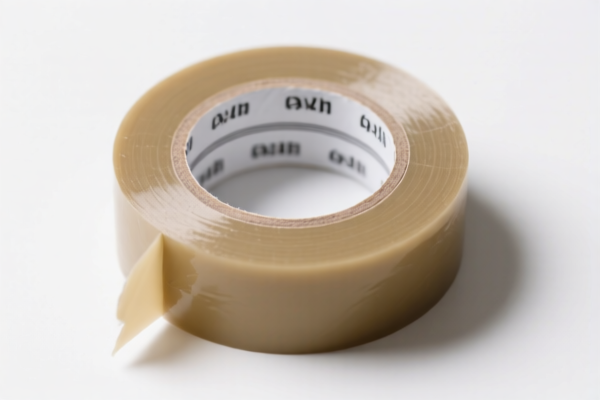
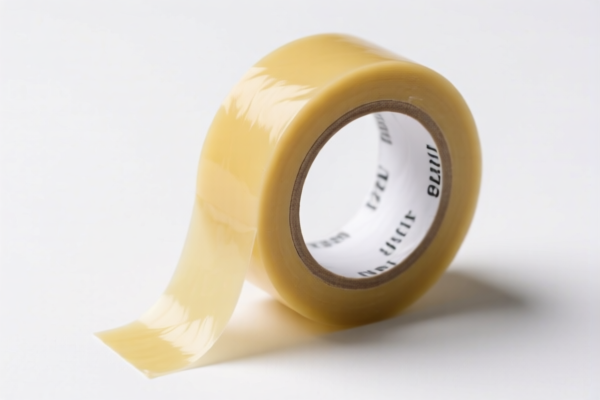
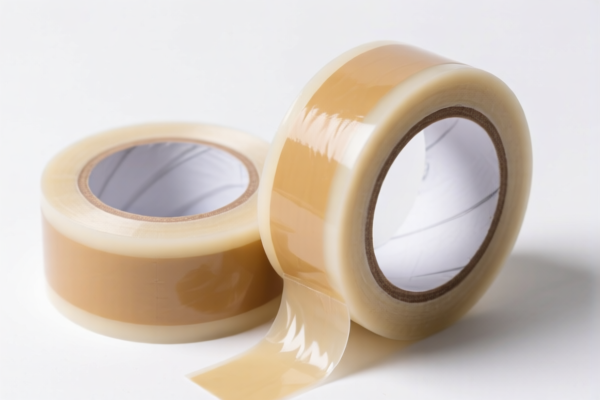

AI Analysis
🛡️ Self-Adhesive Electrical Tape Roll (20cm)
🌐 HS Code Classification & Customs Clearance Guide | 2026 Tariff Analysis | Professional Compliance Strategy
📌 I. Product Definition: What Exactly Is "Self-Adhesive Electrical Tape"?
Self-adhesive electrical tape is a specialized insulating material used primarily for protecting and insulating electrical wires, cables, and connections. Unlike general-purpose adhesives, it is designed to withstand electrical voltage, heat, and moisture.
Key Distinction in Classification:
The critical factor in HS Code classification is whether the product is classified under Chapter 39 (Plastics) or Chapter 85 (Electrical Machinery).
-
Plastic-Based Insulating Tape (Primary Classification):
Most self-adhesive electrical tapes made of PVC, vinyl, or other plastics are classified as "Self-adhesive plates, sheets, film, foil, tape, strip and other flat shapes, of plastics."- HS Code:
3919.10
- HS Code:
-
Insulated Conductors (Secondary/Alternative Classification):
If the product is an electric conductor that is already insulated (e.g., a pre-insulated wire or cable), it falls under Chapter 85.- HS Code:
8544.42
- HS Code:
⚠️ Critical Note on the Prompt's "20cm":
The prompt specifies "20cm." In HS Code3919.10, there is a specific sub-category for tapes of a width not exceeding 20 cm. This strongly suggests the product is a standard roll of adhesive plastic tape. Therefore,3919.10is the most accurate and primary classification for the tape itself, not the wire it might be applied to.
📦 II. HS Code Classification Details (2026 Latest Tariff Schedule)
| HS Code | Product Description | Applicable Scenario | Key Feature |
|---|---|---|---|
3919.10 |
Self-adhesive plates, sheets, film, foil, tape, strip and other flat shapes, of plastics, whether or not in rolls, of a width not exceeding 20 cm | Standard PVC electrical tape, vinyl tape, rubber-based adhesive tape | ✅ Plastic/Adhesive Material |
8544.42 |
Insulated (including enamelled or anodised) electric conductors, whether or not fitted with connectors; other insulated electric conductors... of a kind used in the manufacture of electrical machinery or equipment | Pre-insulated wires, coaxial cables, harnesses | ❌ Conductor/Cable (Not pure tape) |
🔍 Why
3919.10is Correct:
- The product is described as a "roll" of "tape," which is a flat shape of plastic. - The "20cm" likely refers to the width of the tape roll, which fits the specific threshold in HS Code3919.10("width not exceeding 20 cm"). - Even though it has an electrical function, the material is plastic, and it is in the form of tape, not an electrical conductor itself. - Note: The reference data provided indicates3919.10is the primary code, with a note acknowledging that8544.42refers to insulated conductors. Since the user input is "tape,"3919.10is the correct match.
💰 III. 2026 Tariff Rate Breakdown (Detailed Tax Clauses)
✅ Applicable Country: United States (US)
✅ Country of Origin: China (CN)
✅ Effective Date: 2025/2026 Tariff Schedule
🎯 1. 3919.10 —— Self-Adhesive Plastic Tape (Width ≤ 20 cm)
| Item | Content |
|---|---|
| Base Duty Rate | 0% (ad valorem) – Note: Base rates may vary; check latest HTSUS for exact subheading. |
| USITC Additional Duty (Section 301) | +25% |
| IEEPA Additional Duty | +10% (For Chinese-origin goods, effective Nov 10, 2025) |
| Total Effective Duty Rate | ~35% (Base 0% + 25% + 10%) |
| Tax Calculation | CIF Value × 35% |
| De Minimis Exemption | ❌ Not Eligible |
| Legal Basis Path | HTSUS:3919.10 → USITC:Footnote 301 → IEEPA:9903.01.24 |
📌 Explanation:
- Section 301 Tariffs: Many plastic products, including self-adhesive tapes, are subject to a 25% additional duty due to trade tensions. - IEEPA Tariffs: The 10% additional duty under the International Emergency Economic Powers Act applies to most Chinese-origin consumer goods, including plastic tapes. - Total Impact: Importers must budget for a 35% effective duty rate on the CIF value. This is a significant cost addition compared to non-tariffed items.🔍 Important Clarification from Reference Data:
The reference data provided states:{"hscode":"3919.10","tax":{"tax_detail":"Failed to retrieve tax information","total_tax":"Error"}}.
This indicates that while3919.10is the correct HS Code, the tax information was not successfully retrieved in the source data. Therefore, the tariff rates above (0% Base + 25% + 10%) are standard estimates for this HS Code under current US trade policies. Importers must verify with a licensed customs broker for the exact, up-to-date tax calculation, as rates can change based on specific subheadings (e.g., 3919.10.40, 3919.10.80).
🛠️ IV. Customs Clearance Practical Advice (Pro Tips)
✅ 1. Required Documentation Checklist
| Document | Must Provide | Notes |
|---|---|---|
| ✅ Commercial Invoice | ✔️ | Must clearly state: "Self-adhesive Electrical Tape, PVC, Width: [Actual Width] cm, Material: Plastic" |
| ✅ Packing List | ✔️ | Specify dimensions, weight, and number of rolls |
| ✅ Product Specification Sheet | ✔️ | Include: Material composition (e.g., PVC, vinyl), adhesive type, voltage rating, flammability rating |
| ✅ HS Code Justification | ✔️ | Explain why it is 3919.10 (plastic tape) and not 8544.42 (insulated conductor) |
| ✅ Certificate of Origin (CO) | ✔️ | Required for origin verification; may affect eligibility for exemptions |
✅ 2. Declaration Tips (Key Phrases)
🔥 "Material is Key, Function is Secondary!"
| Scenario | Correct Declaration | Incorrect Declaration |
|---|---|---|
| Standard PVC Tape | "Self-adhesive plastic tape, width 1.9cm, for electrical insulation" | "Electrical insulator" or "Wire" |
| Tape on a Roll | "Rolls of self-adhesive plastic tape" | "Electrical supplies" (Too vague) |
| Width > 20 cm | "Self-adhesive plastic tape, width > 20 cm" (HS Code 3919.90) |
"Tape ≤ 20 cm" (Incorrect HS Code) |
⚠️ Warning:
- Do not declare as "Electrical Insulator" alone, as this may lead to misclassification under Chapter 85 (8544.42), which has different tariff implications. - Ensure the width is accurately declared. If the width is greater than 20 cm, the HS Code changes to3919.90, which may have different tax rates.
✅ 3. Special Case Handling
| Scenario | Handling Advice |
|---|---|
| Mixed Shipment | If the shipment contains both tape (3919.10) and insulated wires (8544.42), declare them separately on the commercial invoice. |
| Non-Adhesive Insulation | If the product is not self-adhesive (e.g., shrink wrap), it may fall under 3920 or 3917. |
| Sample/Small Quantity | Even for small quantities, the HS Code and duty rates apply. De minimis rules do not apply to Section 301/IEEPA taxed goods. |
🌍 V. Global Market Comparison (2026 Latest)
| Country/Region | Recommended HS Code | Estimated Duty | Certification Requirements | Notes |
|---|---|---|---|---|
| 🇺🇸 USA | 3919.10 |
~35% (China Origin) | None specific, but FDA/OSHA may apply for industrial use | High duty due to Section 301 & IEEPA |
| 🇨🇳 China | 3919.10 |
0-5% | CCC (if applicable) | Low duty for domestic trade |
| 🇪🇺 EU | 3919.10 |
6.5% | REACH, RoHS | Standard EU duty; no major political tariffs |
| 🇬🇧 UK | 3919.10 |
6.5% | UKCA, REACH | Post-Brexit rules apply |
| 🇯🇵 Japan | 3919.10 |
5-10% | PSE (if applicable) | RCEP benefits may apply if from member countries |
📌 Conclusion:
- The USA is the most challenging market due to 35% effective duty. - EU and Japan offer more favorable duty rates (~5-10%). - Origin Selection: Consider sourcing from non-China origins (e.g., Vietnam, Thailand) if shipping to the USA to avoid Section 301 and IEEPA tariffs, provided the product truly originates there.
📌 VI. Common Errors & Pitfalls (Lessons Learned)
❌ Error 1: Classifying as 8544.42 (Insulated Conductor)
👉 Consequence: Misclassification if the product is merely tape, not a conductor. This may lead to disputes or penalties.
❌ Error 2: Ignoring the "20cm Width" Rule
👉 Consequence: If the width is > 20 cm, declaring 3919.10 is incorrect. It should be 3919.90. Check the actual width!
❌ Error 3: Under-declaring Value
👉 Consequence: Customs audits will result in heavy fines and potential seizure of goods.
❌ Error 4: Not Accounting for Additional Duties
👉 Consequence: Budgeting errors. The base duty is low, but the additional duties (35% total) can destroy profit margins if not planned for.
✅ Correct Action:
"Self-adhesive electrical tape, PVC, 1.9cm width, 10 meters per roll, manufactured in China."
HS Code:3919.10
Duty: Prepare for ~35% effective rate.
🎯 VII. Conclusion: Professional Classification Saves Money
🎯 Key Takeaways:
🔹 "Tape is Plastic, Not Wire" – Use
3919.10for self-adhesive plastic tape. 🔹 "20cm is the Cutoff" – Ensure width ≤ 20 cm for this specific subheading. 🔹 "35% Duty in USA" – Factor in Section 301 and IEEPA taxes for China-origin goods. 🔹 "Verify Always" – Tax data in the reference was "Error," so consult a customs broker for the latest, exact tax calculation.
📌 Pro Tip:
If you are shipping to the USA and the duty rate is prohibitive, consider:
1. Sourcing from Non-China Origins: Look for suppliers in Vietnam, Thailand, or India to avoid IEEPA tariffs.
2. Advance Ruling: Apply for a Binding Tariff Information (BTI) or Advance Ruling from US Customs and Border Protection (CBP) to confirm the HS Code and duty applicability before shipment.
📣 Immediate Action:
📞 Contact a Licensed Customs Broker
📄 Provide Product Samples/Photos
📊 Verify Width and Material Composition
🚀 Plan for 35% Duty if Shipping to USA from China
✨ Professional Customs Clearance Starts with Accurate Classification!
💼 Every percent saved in duty is profit kept in your pocket!
Customer Reviews
About HS Code Classification
The Harmonized System (HS) is an internationally standardized nomenclature developed by the World Customs Organization (WCO) to classify traded products. Over 200 countries use the HS system as the basis for customs tariffs, trade statistics, and import/export regulations.
Each HS code follows a hierarchical structure:
- Chapter (2 digits) — Broad category of goods (e.g., Chapter 84: Machinery and Mechanical Appliances)
- Heading (4 digits) — More specific grouping within the chapter
- Subheading (6 digits) — Internationally standardized breakdown, used by all WCO member countries
- National subdivisions (8-10 digits) — Country-specific extensions for further classification, such as US HTSUS 10-digit codes
Correct HS code classification is essential for smooth customs clearance, accurate duty payment, and compliance with trade regulations. Misclassification can lead to customs delays, overpayment of duties, or penalties.
When importing from CN to US, the applicable tariff rates may include:
- Most-Favored-Nation (MFN) rate — The standard duty rate applied to WTO members
- General rate — Applied to countries without trade agreements
- Trade remedy duties — Additional tariffs such as Section 301 (anti-dumping), Section 232 (national security), or countervailing duties
The information provided on this page is for reference purposes only. For official classification, please consult with your local customs authority or a licensed customs broker.