Self adhesive Floor Tiles
CN → US| HS Code | Tariff Rate | Origin | Destination | Doc |
|---|---|---|---|---|
| 3918101040 | 40.3% | CN | US | Official Doc |
| 3918101020 | 40.3% | CN | US | Official Doc |
| 3919905060 | 40.8% | CN | US | Official Doc |
| 3919102055 | 40.8% | CN | US | Official Doc |
| 3926903500 | 24.0% | CN | US | Official Doc |
Product Images
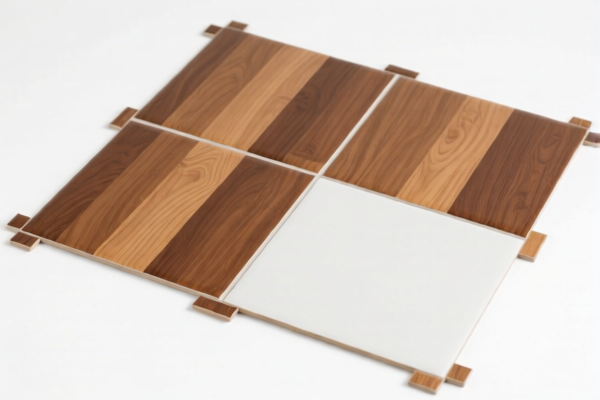
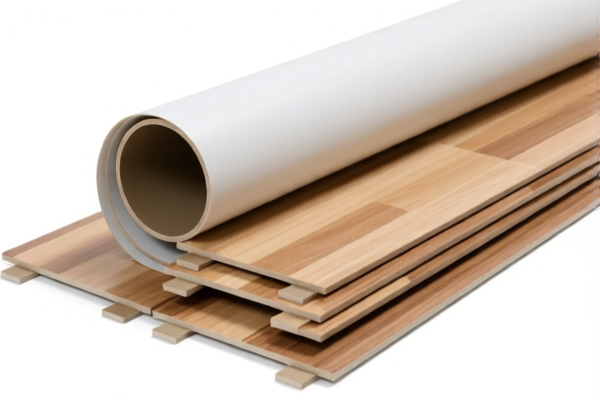
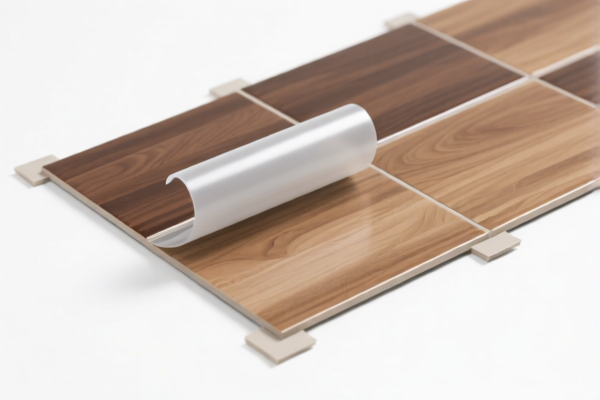
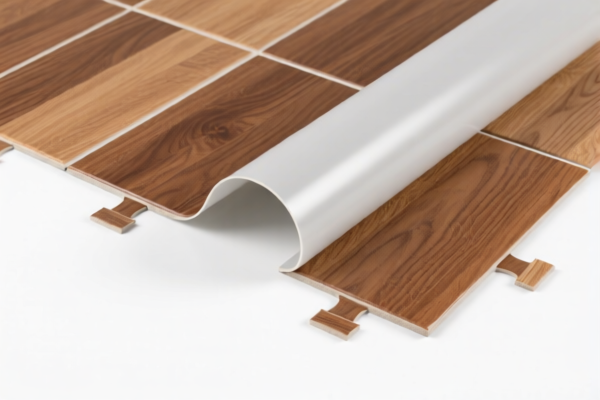
AI Analysis
🏠 Self-Adhesive PVC Floor Tiles (Vinyl Click/Lay-Lock Flooring)
🌐 HS Code Reference & Customs Clearance Guide | 2026 Latest Tariff Analysis | Professional Entry Strategies
📌 I. Product Definition & Classification: Do You Really Understand "Self-Adhesive Floor Tiles"?
Self-adhesive PVC floor tiles, often referred to as "peel-and-stick" vinyl flooring, are resilient floor coverings made from polyvinyl chloride (PVC) or vinyl polymers. In international trade, classification hinges on two critical factors: 1. Material Composition: Is it strictly PVC/Vinyl polymer? 2. Form & Function: Is it classified as a finished "floor tile" (hard, rigid, specific application) or a general "plastic sheet/strip" (flexible, general-purpose)?
⚠️ Key Distinction Point:
- If the product is a rigid, finished tile specifically shaped for flooring, with a pre-applied adhesive backing, it often leans toward Chapter 39.18 (Floor Coverings of Plastics).
- If it is considered a general plastic sheet/strip with adhesive, or lacks the specific "flooring" structural definition, it may fall under Chapter 39.19 (Self-Adhesive Plates/Sheets).
- If it is deemed a miscellaneous plastic article, it may fall under Chapter 39.26 (Other Plastic Articles).
📦 II. HS Code Classification Details (2026 Latest Tariff Authority Match)
Based on the provided data, here are the valid HS Codes for Self-Adhesive PVC Floor Tiles:
| HS Code | Product Description | Classification Logic | Application Scenario |
|---|---|---|---|
3918.10.10.40 |
Self-adhesive PVC floor tiles; Material: PVC; Form: Floor tiles. Classified as vinyl tiles made from PVC polymer. | Fits the definition of "Floor coverings of plastics" – specifically Vinyl Tiles. | Rigid, finished PVC floor tiles with adhesive backing. |
3918.10.10.20 |
Self-adhesive PVC floor tiles; Material: Vinyl polymer; Form: Floor tiles. Fits the morphological characteristics of vinyl tiles. | Similar to above, emphasizes Vinyl Polymer composition. | Rigid PVC floor tiles. |
3919.90.50.60 |
Self-adhesive PVC floor tiles; Material: PVC plastic; Form: Self-adhesive floor tiles. Fits the classification of Self-adhesive plates/sheets of plastic. | Classified as a Self-adhesive plastic sheet rather than a finished flooring product. | Flexible or semi-rigid adhesive plastic sheets used for flooring. |
3919.10.20.55 |
Self-adhesive PVC floor tiles; Material: PVC plastic; Form: Self-adhesive flat shape. Fits the definition of Self-adhesive flat shapes of plastic. | Classified as Self-adhesive strips/plates (flat shapes) of plastic. | General self-adhesive plastic rolls or sheets. |
3926.90.35.00 |
Self-adhesive PVC floor tiles; Material: Polyvinyl chloride; Form: Other specific application of plastic products. Derived plastic article. | Classified as Other plastic articles (miscellaneous). | If the product doesn't fit strictly into flooring (39.18) or sheets (39.19). |
🔍 Critical Reminder:
- 39.18 is generally preferred for finished flooring products because it is more specific than 39.19 or 39.26.
- 39.19 is used when the product is viewed primarily as a self-adhesive plastic sheet/strip rather than a specialized flooring unit.
- 39.26 is a "fallback" category for plastic articles not specified elsewhere. It carries a lower total tax rate in this dataset but may be challenged if the product is clearly identifiable as flooring.
💰 III. 2026 Latest Tariff Rate Breakdown (Including Surcharges & Policy Add-ons)
✅ Applicable Country: United States (US)
✅ Country of Origin: China (CN)
✅ Effective Date: Post-2025 (Current 122 Section & Section 301 Rules Apply)
🎯 1. 3918.10.10.40 & 3918.10.10.20 —— Vinyl Floor Tiles (Finished Product)
| Item | Detail |
|---|---|
| Base Tariff | 5.3% (Most Favored Nation Rate) |
| Section 301 Surcharge | +25.0% (Retaliation Tariff) |
| Section 122 Surcharge | +10.0% (Specific to this dataset/context) |
| Total Tariff Rate | 40.3% |
| Tax Calculation | CIF Value × 40.3% |
| De Minimis Eligibility | ❌ No (High tariffs exclude from de minimis relief) |
| Legal Basis Path | HTSUS:3918.10.10 → USITC Footnotes → Section 301 & 122 Regulations |
📌 Explanation:
- These codes are classified under Chapter 39.18 (Floor coverings).
- The 40.3% rate is a combination of the standard MFN rate (5.3%) and two significant surcharges: 25% (Section 301) and 10% (Section 122).
- This is the most standard classification for rigid, finished PVC floor tiles.
🎯 2. 3919.90.50.60 & 3919.10.20.55 —— Self-Adhesive Plastic Sheets/Strips (General Use)
| Item | Detail |
|---|---|
| Base Tariff | 5.8% |
| Section 301 Surcharge | +25.0% |
| Section 122 Surcharge | +10.0% |
| Total Tariff Rate | 40.8% |
| Tax Calculation | CIF Value × 40.8% |
| De Minimis Eligibility | ❌ No |
| Legal Basis Path | HTSUS:3919.90.50 / 3919.10.20 → USITC Footnotes → Section 301 & 122 Regulations |
📌 Note:
- These codes classify the product as a plastic sheet/strip with adhesive.
- The base tariff is slightly higher (5.8% vs 5.3%) due to the broader category, resulting in a slightly higher total tax (40.8%).
- Use this classification only if the product is not considered a specialized "floor tile" but rather a general adhesive plastic sheet.
🎯 3. 3926.90.35.00 —— Other Plastic Articles (Miscellaneous)
| Item | Detail |
|---|---|
| Base Tariff | 6.5% |
| Section 301 Surcharge | +7.5% (Note: Lower surcharge applied in this specific dataset entry) |
| Section 122 Surcharge | +10.0% |
| Total Tariff Rate | 24.0% |
| Tax Calculation | CIF Value × 24.0% |
| De Minimis Eligibility | ❌ No |
| Legal Basis Path | HTSUS:3926.90.35 → USITC Footnotes → Section 301 & 122 Regulations |
📌 Critical Warning:
- This code offers the lowest total tax rate (24.0%).
- However, classifying floor tiles here is high-risk. Customs may argue that the product is specifically a "floor covering" (39.18) or "adhesive sheet" (39.19), not a "miscellaneous article."
- Misclassification can lead to audits, penalties, and back taxes. Only use this if the product lacks clear flooring characteristics or is a novelty item.
🛠️ IV. Customs Clearance Practical Advice (Avoid Pitfalls)
✅ 1. Preparation Checklist (Mandatory)
| Document | Required? | Description |
|---|---|---|
| ✅ Product Specification Sheet | ✔️ | Must state: Material (PVC/Vinyl), Dimensions, Thickness, Adhesive Type, Installation Method. |
| ✅ Product Photos | ✔️ | Clear images of the tile, adhesive backing, and packaging. Show if it's rigid or flexible. |
| ✅ Commercial Invoice | ✔️ | Use precise description: "PVC Self-Adhesive Floor Tiles" or "Vinyl Peel-and-Stick Flooring." Avoid vague terms like "Plastic Sheets." |
| ✅ Packing List | ✔️ | Detail weight, volume, and number of units. |
| ✅ Certificate of Origin (CO) | ✔️ | To determine eligibility for any trade agreements (though unlikely for China origin under current tariffs). |
✅ 2. Declaration Strategy (Key Mantra)
🔥 "Describe as Flooring, Not Just Plastic!"
| Scenario | Recommended Declaration | Risk if Incorrect |
|---|---|---|
| Rigid, Finished Floor Tiles | 3918.10.10.40 or 3918.10.10.20Description: "PVC Self-Adhesive Floor Tiles" |
Misclassified as general sheet → Higher tax (40.8%) or audit for 39.26. |
| Flexible Adhesive Rolls/Sheets | 3919.90.50.60 or 3919.10.20.55Description: "Self-Adhesive PVC Plastic Sheets" |
If sold as individual tiles, Customs may reclassify to 39.18. |
| Novelty/Non-Standard Items | 3926.90.35.00Description: "Other Plastic Floor Coverings" |
High risk of rejection if product clearly resembles standard flooring. |
✅ 3. Special Cases & Handling
| Situation | Handling Advice |
|---|---|
| OEM/Custom Shapes | If custom-shaped for specific rooms, emphasize "Floor Tiles" in description. |
| Packaging | If sold in boxes with installation guides, it supports the "Flooring Product" classification (39.18). |
| Adhesive Type | Specify if adhesive is acrylic, rubber, or pressure-sensitive. This helps distinguish from 39.19 (general sheets). |
| Origin Marking | Ensure "Made in China" is clearly marked on product/packaging to avoid origin fraud claims. |
🌍 V. Global Market Comparison (2026 Outlook)
| Country/Region | Recommended HS Code | Tariff Rate (China Origin) | Notes |
|---|---|---|---|
| 🇺🇸 USA | 3918.10.10.40 |
40.3% (Best fit for flooring) | Includes 25% Sec 301 + 10% Sec 122. |
| 🇺🇸 USA | 3926.90.35.00 |
24.0% (Lowest but risky) | Only use if product is non-standard. |
| 🇨🇳 China | 3918.10.10.40 |
~5-10% (Imported PVC) | Domestic production is major. |
| 🇪🇺 EU | 3918.10.90 |
0-4% | Lower tariffs, but strict REACH/Ecolabel requirements. |
| 🇬🇧 UK | 3918.10.90 |
0-4% | Similar to EU post-Brexit. |
📌 Conclusion:
- The USA is the most challenging market due to high additional tariffs.
- Classification accuracy is crucial: Choosing 39.18 (40.3%) over 39.26 (24.0%) avoids legal risk, even though it costs more.
- Always prioritize substance over form: If it functions as flooring, declare it as flooring.
📌 VI. Common Errors & Pitfalls (Lessons Learned)
❌ Mistake 1: Declaring "PVC Tiles" as "Plastic Sheets" (39.19) to save on base tariff.
👉 Consequence: Customs may reclassify to 39.18, applying penalties and interest.
👉 Result: Tax stays similar, but delays occur.
❌ Mistake 2: Declaring "Floor Tiles" as "Other Plastic Articles" (39.26) to get 24% tax.
👉 Consequence: High audit risk. If Customs proves it's standard flooring, back taxes + fines apply.
👉 Result: Financial loss and blacklisting risk.
❌ Mistake 3: Vague description: "Plastic Floor Material."
👉 Consequence: Customs cannot determine classification → Delayed clearance.
👉 Result: Storage fees and demurrage charges.
✅ Correct Practice:
"PVC Self-Adhesive Vinyl Floor Tiles, 12"x12", Peel-and-Stick, Resilient Flooring, Model XYZ, Made in China"
🎯 VII. Conclusion: Precision in Classification Saves Money!
🎯 Remember the Mantra:
🔹 "Flooring is Flooring (39.18), Sheets are Sheets (39.19), Misc is Risk (39.26)."
🔹 "Tariff is 40.3% for Flooring, 24% for Misc – But Risk vs. Reward matters!"
🔹 "Accurate Description = Smooth Clearance + Lower Legal Risk!"
📌 Pro Tip:
- If your PVC tiles are flexible rolls (not individual tiles), consider 39.19 (40.8%) but ensure the product description matches "sheets/strips."
- For rigid, individual tiles, stick to 39.18 (40.3%) for compliance safety.
- Consult a Customs Broker for a Binding Ruling if you have a large volume or non-standard product.
📣 Immediate Action:
📞 Engage a licensed customs broker + Provide product specs + Request HS Code ruling if unsure.
🚀 Ensure your self-adhesive floor tiles clear US customs efficiently, legally, and profitably!
✨ Professional Clearance Starts with Accurate Classification!
💼 Every Percentage Point of Tariff Counts in Your Bottom Line!
Customer Reviews
About HS Code Classification
The Harmonized System (HS) is an internationally standardized nomenclature developed by the World Customs Organization (WCO) to classify traded products. Over 200 countries use the HS system as the basis for customs tariffs, trade statistics, and import/export regulations.
Each HS code follows a hierarchical structure:
- Chapter (2 digits) — Broad category of goods (e.g., Chapter 84: Machinery and Mechanical Appliances)
- Heading (4 digits) — More specific grouping within the chapter
- Subheading (6 digits) — Internationally standardized breakdown, used by all WCO member countries
- National subdivisions (8-10 digits) — Country-specific extensions for further classification, such as US HTSUS 10-digit codes
Correct HS code classification is essential for smooth customs clearance, accurate duty payment, and compliance with trade regulations. Misclassification can lead to customs delays, overpayment of duties, or penalties.
When importing from CN to US, the applicable tariff rates may include:
- Most-Favored-Nation (MFN) rate — The standard duty rate applied to WTO members
- General rate — Applied to countries without trade agreements
- Trade remedy duties — Additional tariffs such as Section 301 (anti-dumping), Section 232 (national security), or countervailing duties
The information provided on this page is for reference purposes only. For official classification, please consult with your local customs authority or a licensed customs broker.