Self adhesive Insulating Tape
CN → US| HS Code | Tariff Rate | Origin | Destination | Doc |
|---|---|---|---|---|
| 3919102020 | 40.8% | CN | US | Official Doc |
| 3919905030 | 40.8% | CN | US | Official Doc |
| 3926909989 | 22.8% | CN | US | Official Doc |
| 3926904590 | 38.5% | CN | US | Official Doc |
| 4008115000 | 38.3% | CN | US | Official Doc |
Product Images
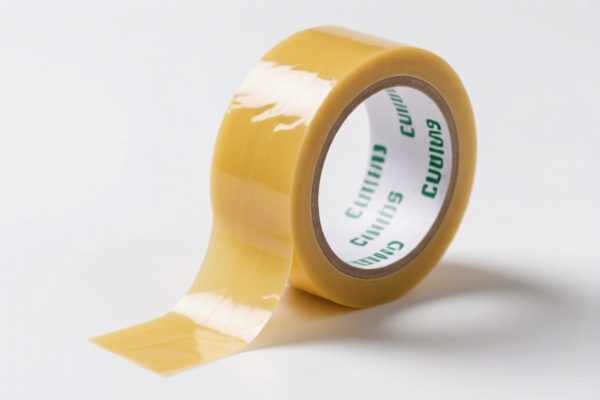
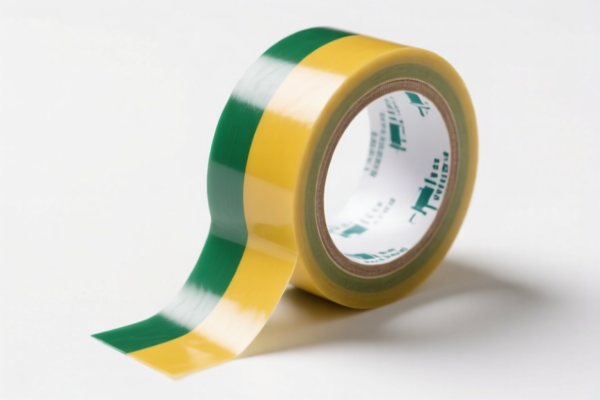
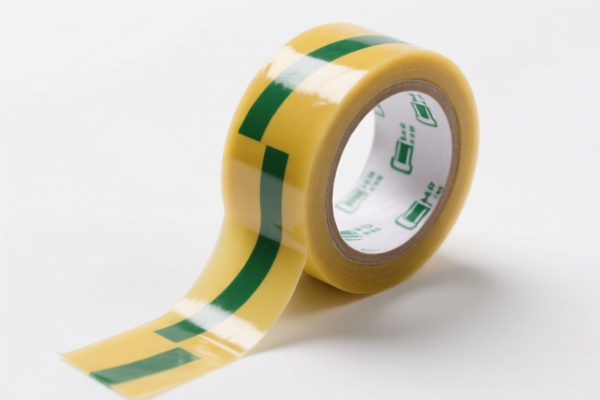
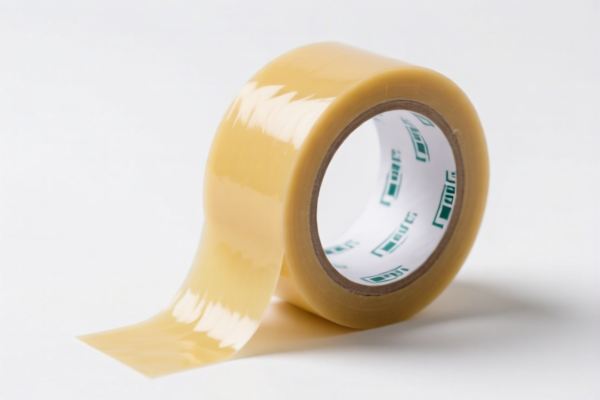
AI Analysis
🎗️ Self-Adhesive Insulating Tape (Electrical & Industrial)
🌐 HS Code Reference & Customs Clearance Guide | 2026 Latest Tariff Analysis | Professional Clearance Strategy
📌 I. Product Definition & Classification: Do You Truly Understand "Insulating Tape"?
Self-adhesive insulating tape is a critical component in electrical engineering, used for dielectric insulation, phase separation, and mechanical protection of wires and cables. In international trade, its classification is not uniform. It depends strictly on the base material (Plastic vs. Rubber/Foam) and the specific application (General Electrical vs. Gasket/Sealing).
Misclassification here is dangerous because the Section 301 Tariffs and Section 122 Tariffs apply differently, leading to significant tax discrepancies.
⚠️ Key Distinction Point:
- If the base is Plastic/Polymer (e.g., PVC, Polyester) used for Electrical Insulation →归入 Chapter 39 (Plastics). - If the base is Rubber/Foam (e.g., EPDM, Acrylic Foam) used for Cushioning/Sealing → 归入 Chapter 40 (Rubber) or Chapter 39 (Other Plastic Articles). - If it serves as a Gasket/Seal rather than pure insulation → 归入 Chapter 39 (Other plastic articles).
📦 II. HS Code Classification Details (2026 Latest Tariff Authority Comparison)
Based on the provided data, here are the precise classifications for "Self-adhesive Insulating Tape" under US Customs regulations:
| HS Code | Product Description | Applicable Scenario | Base Material | Tax Category |
|---|---|---|---|---|
3919.10.20.20 |
Electrical Insulation Tape, Plastic Self-Adhesive | Electrical engineering use, matching plastic self-adhesive tape material | Plastic (PVC/Polyester) | 40.8% |
3919.90.50.30 |
Electrical Insulation Tape, Plastic Self-Adhesive | General electrical insulation purpose, plastic self-adhesive material | Plastic (PVC/Polyester) | 40.8% |
3926.90.99.89 |
Insulating Tape, Plastic/Polymer Material | Other plastic articles, general insulation usage | Plastic/Polymer | 22.8% |
3926.90.45.90 |
Insulating Tape, Plastic/Polymer Material | Used as Gaskets/Seals or sealing components | Plastic/Polymer | 38.5% |
4008.11.50.00 |
Self-Adhesive Foam Tape, Rubber Material | Foam rubber material, sheet/strip form, cushioning/insulation | Foam Rubber | 38.3% |
🔍 Critical Note:
-3919.xxrefers to Self-Adhesive Plates, Sheets, Film, Foil, Tape, etc. of plastics. This is the most common category for standard electrical tape (PVC). -3926.xxrefers to Other articles of plastics. This is used when the item doesn't fit the strict definition of3919or has a different primary function (like sealing). -4008.11refers to Plates, sheets, film, foil, and strip of cellular rubber. This applies specifically to foam-based insulating tapes.
💰 III. 2026 Latest Tariff Rate Breakdown (Including Add-ons & Policy Surcharges)
✅ Applicable Country: United States (US)
✅ Origin: China (CN)
✅ Effective Time: Current rates apply (Section 301 + Section 122)
🎯 1. 3919.10.20.20 & 3919.90.50.30 —— Standard Electrical Insulating Tape (Plastic)
These are the most common codes for standard PVC or Polyester electrical tapes.
| Item | Content |
|---|---|
| Base Tariff | 5.8% |
| Section 301 Tariff | +25.0% |
| Section 122 Tariff | +10.0% |
| Total Tax Rate | 40.8% |
| Tax Calculation | CIF Value × 40.8% |
| De Minimis Exemption | ❌ Not Eligible (Deny De Minimis) |
| Legal Basis | USTR Section 301 List 3/4 + Section 122 Enforcement |
📌 Explanation:
- The 25% Section 301 tariff is the standard penalty for most Chinese plastic products. - The 10% Section 122 tariff is an additional surcharge often applied to specific categories under recent trade enforcement actions. - Total 40.8% is very high. Accurate description is key to avoiding misclassification into lower-rate categories (if legally justified).
🎯 2. 3926.90.99.89 —— Other Plastic Insulating Articles
| Item | Content |
|---|---|
| Base Tariff | 5.3% |
| Section 301 Tariff | +7.5% |
| Section 122 Tariff | +10.0% |
| Total Tax Rate | 22.8% |
| Tax Calculation | CIF Value × 22.8% |
| De Minimis Exemption | ❌ Not Eligible |
| Legal Basis | USTR Section 301 List 3 |
📌 Explanation:
- This code has a lower Section 301 rate (7.5%) compared to3919(25%). - Use Case: Only if the product does not strictly meet the "self-adhesive plastic sheet/film" definition of3919but is still a plastic article. Must have strong technical justification.
🎯 3. 3926.90.45.90 —— Insulating Tape as Gasket/Seal
| Item | Content |
|---|---|
| Base Tariff | 3.5% |
| Section 301 Tariff | +25.0% |
| Section 122 Tariff | +10.0% |
| Total Tax Rate | 38.5% |
| Tax Calculation | CIF Value × 38.5% |
| De Minimis Exemption | ❌ Not Eligible |
| Legal Basis | USTR Section 301 List 3 |
📌 Explanation:
- Although the base tariff is lower (3.5%), the 25% Section 301 drives the total up to 38.5%. - Use Case: If the primary function is sealing/gasket (e.g., in electrical enclosures) rather than just wire insulation.
🎯 4. 4008.11.50.00 —— Foam Rubber Insulating Tape
| Item | Content |
|---|---|
| Base Tariff | 3.3% |
| Section 301 Tariff | +25.0% |
| Section 122 Tariff | +10.0% |
| Total Tax Rate | 38.3% |
| Tax Calculation | CIF Value × 38.3% |
| De Minimis Exemption | ❌ Not Eligible |
| Legal Basis | USTR Section 301 List 3 |
📌 Explanation:
- Base Tariff 3.3% is the lowest among all options. - Use Case: Specifically for cellular rubber (foam rubber) tapes used for cushioning and insulation. Do NOT use this for PVC tape.
🛠️ IV. Customs Clearance Practical Advice (Real-World Pitfall Guide)
✅ 1. Preparation Checklist (Non-Negotiable)
| Document | Required | Explanation |
|---|---|---|
| ✅ Product Specification Sheet | ✔️ | Must state Material (PVC, Polyester, Rubber Foam), Thickness, Adhesive Type (Acrylic, Rubber-based). |
| ✅ Technical Data Sheet (TDS) | ✔️ | Shows dielectric strength, voltage rating, temperature range. Critical for proving "Electrical" use. |
| ✅ Material Safety Data Sheet (MSDS) | ✔️ | Required for chemical composition verification. |
| ✅ Product Photos | ✔️ | Clear shots of the roll, label, and cross-section (if foam). |
| ✅ Commercial Invoice | ✔️ | Must explicitly state: "Self-Adhesive Insulating Tape, Plastic/Rubber Base, for Electrical Insulation." |
| ✅ Packing List | ✔️ | Net weight/Gross weight. |
✅ 2. Declaration Tips (Key Mantra)
🔥 "Material First, Function Second. PVC is 3919, Foam is 4008, Seal is 3926!"
| Scenario | Correct HS Code | Wrong Code | Consequence |
|---|---|---|---|
| Standard PVC Electrical Tape | 3919.10.20.20 |
3926.90.99.89 |
Overpaying? No, risk of underpayment penalty if audited. |
| Polyester Film Tape | 3919.90.50.30 |
3919.10.20.20 |
Slight description mismatch, but same rate (40.8%). |
| Rubber Foam Tape (Sealing/Insulation) | 4008.11.50.00 |
3919.xx |
Major Error! Rubber vs. Plastic is a fundamental classification difference. |
| Tape used as Gasket in Box | 3926.90.45.90 |
3919.10.20.20 |
Different Section 301 rate (7.5% vs 25%), but same base. Risky if primary function is not sealing. |
✅ 3. Special Handling for High-Tax Items
| Situation | Handling Advice |
|---|---|
| High Tariff (40.8%) | Calculate if the product value justifies the duty. Consider if it can be classified under 3926.90.99.89 (22.8%) with strong justification (e.g., not self-adhesive sheet/film but a finished article). |
| Customs Audit | Have the Material Composition Report ready. Customs will test the material. If it’s rubber but declared as plastic, penalties apply. |
| Section 122 Tariff | This 10% is added on top. Ensure your importer of record is aware of this surcharge. It is not part of the standard MFN rate. |
🌍 V. Global Market Comparison (2026 Latest)
| Country/Region | Recommended HS Code | Tariff Rate (China Origin) | Notes |
|---|---|---|---|
| 🇺🇸 USA | 3919.10.20.20 |
40.8% | High tariffs due to Section 301 + 122. |
| 🇨🇳 China | 3919.10.20.20 |
~5-6% | No Section 301. Standard import duty. |
| 🇪🇺 EU | 3919.10.00 |
~6.5% | No equivalent Section 301. Standard EU duty. |
| 🇯🇵 Japan | 3919.10.90 |
~6-8% | Standard duty. No major retaliatory tariffs. |
| 🇬🇧 UK | 3919.10.00 |
~6.5% | Post-Brexit tariff structure similar to EU. |
📌 Conclusion:
- USA is the most expensive market for this product due to aggressive trade policies. - China and EU remain competitive for insulating tape exports.
📌 VI. Common Errors & Pitfall Guide (Blood Lessons)
❌ Error 1: Declaring Rubber Foam Tape as PVC Tape (3919 instead of 4008)
👉 Consequence: Customs lab test reveals rubber. Penalty + Back Taxes + Potential Seizure.
❌ Error 2: Ignoring Section 122 Tariff
👉 Consequence: Underpayment by 10%. Customs will assess Interest + Penalties on top of the 10%.
❌ Error 3: Misidentifying Function (Insulation vs. Gasket)
👉 Consequence: Using 3926.90.45.90 (38.5%) when it’s clearly just wire tape (3919, 40.8%). While cheaper, if audited and proven to be standard wire tape, you face fraud allegations. Conversely, using 3919 for a gasket might be challenged as incorrect description.
❌ Error 4: De Minimis Assumption
👉 Consequence: Assuming small shipments are tax-free. False. These items are Denied De Minimis under current US rules. Every shipment, regardless of value, is subject to duty and processing fees.
✅ Correct Approach:
"Self-Adhesive Insulating Tape, 10m x 19mm, PVC Material, 600V Rated, Black Color, Roll, for Electrical Wire Insulation. HS: 3919.10.20.20."
🎯 VII. Conclusion: Precision Saves Money!
🎯 Remember the Mantra:
🔹 "PVC is 40.8%, Foam is 38.3%, Gasket is 38.5%, Other Plastic is 22.8%."
🔹 "Material determines Chapter, Function determines Heading, Policy determines Tariff."
🔹 "No De Minimis for China-origin plastics! Prepare docs, avoid audits, save costs!"
📌 Pro Tip:
If your supplier can prove the product is not primarily self-adhesive sheet/film but a finished article with a specific use that doesn't fit 3919, explore 3926.90.99.89 (22.8%). However, this requires strong technical documentation and likely an Advance Ruling from US Customs.
📣 Immediate Action:
📞 Verify material composition (PVC vs. Rubber vs. Foam).
📄 Request TDS from supplier.
🚀 Consult a licensed customs broker to confirm HS Code based on your specific product specs.
💡 Get an Advance Ruling if shipping high volumes.
✨ Professional Clearance, Starting with Accurate Classification!
💼 Your Tariff Bill Should Reflect Reality, Not Hope!
Customer Reviews
About HS Code Classification
The Harmonized System (HS) is an internationally standardized nomenclature developed by the World Customs Organization (WCO) to classify traded products. Over 200 countries use the HS system as the basis for customs tariffs, trade statistics, and import/export regulations.
Each HS code follows a hierarchical structure:
- Chapter (2 digits) — Broad category of goods (e.g., Chapter 84: Machinery and Mechanical Appliances)
- Heading (4 digits) — More specific grouping within the chapter
- Subheading (6 digits) — Internationally standardized breakdown, used by all WCO member countries
- National subdivisions (8-10 digits) — Country-specific extensions for further classification, such as US HTSUS 10-digit codes
Correct HS code classification is essential for smooth customs clearance, accurate duty payment, and compliance with trade regulations. Misclassification can lead to customs delays, overpayment of duties, or penalties.
When importing from CN to US, the applicable tariff rates may include:
- Most-Favored-Nation (MFN) rate — The standard duty rate applied to WTO members
- General rate — Applied to countries without trade agreements
- Trade remedy duties — Additional tariffs such as Section 301 (anti-dumping), Section 232 (national security), or countervailing duties
The information provided on this page is for reference purposes only. For official classification, please consult with your local customs authority or a licensed customs broker.