Self adhesive Insulating Tape Roll
CN → US| HS Code | Tariff Rate | Origin | Destination | Doc |
|---|---|---|---|---|
| 3919102020 | 40.8% | CN | US | Official Doc |
| 5604909000 | 40.0% | CN | US | Official Doc |
| 3919905030 | 40.8% | CN | US | Official Doc |
| 4821902000 | 35.0% | CN | US | Official Doc |
| 4821102000 | 35.0% | CN | US | Official Doc |
Product Images
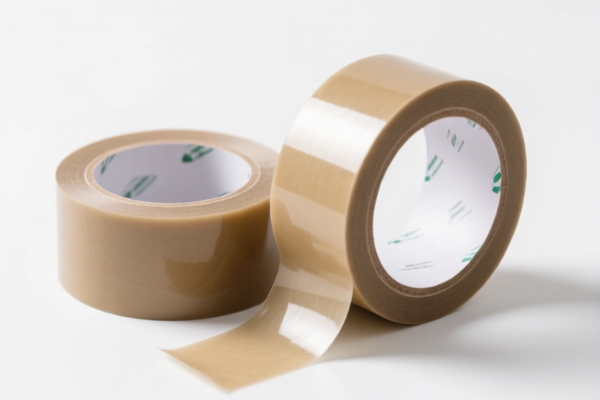
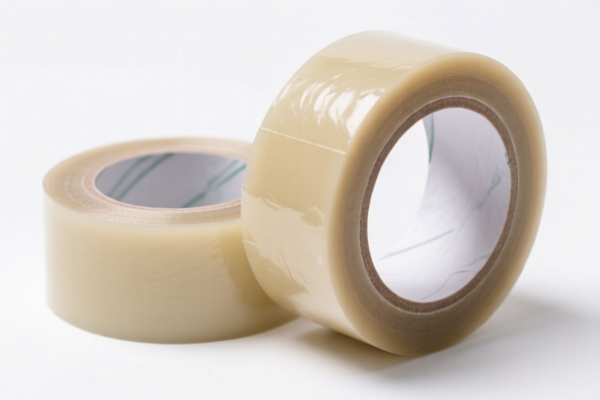
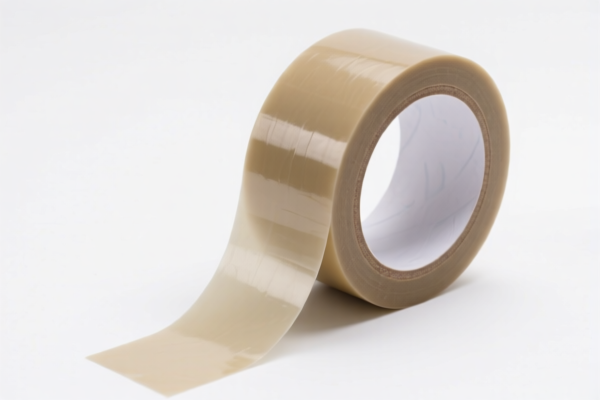
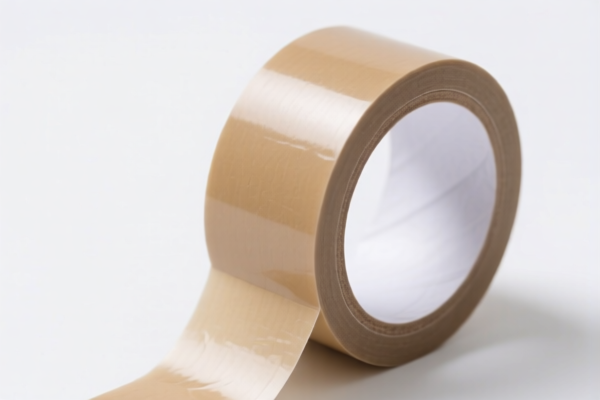
AI Analysis
📦 Self-Adhesive Insulating Tape Rolls: HS Code Classification & Customs Clearance Guide (2026)
🌐 HS Code Reference & Customs Guide | 2026 Latest Tariff Full Analysis | Professional Clearance Strategy
📌 I. Product Definition & Classification: Do You Really Understand "Self-Adhesive Insulating Tape"?
Self-adhesive insulating tape rolls are critical components in electrical engineering, used for wrapping, insulating, and protecting wires and cables. In international trade, they are primarily classified based on their material composition and form.
Two main categories exist for customs purposes:
- Plastic-Based Insulating Tapes (e.g., PVC): These are the most common "electrician tapes." They are essentially plastic films coated with adhesive, often in long rolls. They fall under Chapter 39 (Plastics and Articles Thereof).
- Textile-Based Insulating Tapes (e.g., Rubber/Plastic-Impregnated Cloth): These are fabric or textile materials impregnated with rubber or plastic for insulation. They fall under Chapter 56 (Felt, Nonwovens, etc.).
⚠️ Key Distinction Point: - If the tape is primarily plastic/PVC with a flat strip shape, long roll form → Classify under 3919. - If the tape is a textile/fabric base impregnated with rubber or plastic → Classify under 5604.
📋 II. HS Code Classification Details (2026 Latest Tariff Authority Comparison)
Based on the provided data, here are the specific HS Codes for "Self-Adhesive Insulating Tape Rolls" and related items (including self-adhesive labels for context):
| HS Code | Product Description | Applicable Scenario | Material Basis |
|---|---|---|---|
3919.10.20.20 |
Insulating tape in rolls of a width not exceeding 20 cm, plastic material | Electrician tape, PVC insulation tape, long rolls, flat strip shape | ✅ Plastic |
3919.90.50.30 |
Insulating tape, plastic material, flat strip shape, used for electrical insulation | General plastic insulating tapes, wider rolls, or specific electrical use cases | ✅ Plastic |
5604.90.90.00 |
Insulating tape, textile material impregnated with rubber or plastic | Cloth-backed electrical tape, rubber-impregnated fabric tape | ✅ Textile/Fabric |
4821.90.20.00 |
Self-adhesive labels, paper or paperboard material | (Included in data for context: Self-adhesive labels) | ✅ Paper |
4821.10.20.00 |
Self-adhesive labels, paper or paperboard material | (Included in data for context: Self-adhesive labels) | ✅ Paper |
🔍 Critical Reminder: - Plastic Tape (most common electrician tape) → Use
3919series. - Cloth/Rubber Tape → Use5604.90.90.00. - Do NOT confuse insulating tape with self-adhesive labels (4821series), even if they share the "self-adhesive" feature. They are fundamentally different products with different tax rates.
💰 III. 2026 Latest Tariff Rate Details (Including Additional Taxes & Policy Surcharges)
✅ Applicable Country: United States (US)
✅ Origin: China (CN)
✅ Effective Date: Ongoing (Includes 122 Clause & Section 301 Taxes)
🎯 1. 3919.10.20.20 — Plastic Insulating Tape (Width ≤ 20cm)
| Item | Content |
|---|---|
| Base Tariff Rate | 5.8% |
| Section 301 Additional Tax | +25.0% |
| Section 122 Clause Tax | +10.0% |
| Total Tax Rate | 40.8% |
| Tax Calculation | CIF Value × 40.8% |
| De Minimis Exemption | ❌ Not Available (High tariff rates usually exclude de minimis) |
| Legal Basis Path | HTSUS:3919.10.20.20 → Footnote 9903.88.01 → IEEPA/Section 301 & 122 Clauses |
📌 Explanation: - 5.8% Base: Standard MFN rate for plastic tapes. - 25% Section 301: Standard additional tariff on many Chinese goods under US Trade Law Section 301. - 10% Section 122: Additional duty under Section 122 of the Trade Act of 1974 (often applied to specific categories of goods from China). - Total 40.8%: This is a very high tariff. Importers must factor this into their cost structure.
🎯 2. 5604.90.90.00 — Textile-Based Insulating Tape (Rubber/Plastic Impregnated)
| Item | Content |
|---|---|
| Base Tariff Rate | 5.0% |
| Section 301 Additional Tax | +25.0% |
| Section 122 Clause Tax | +10.0% |
| Total Tax Rate | 40.0% |
| Tax Calculation | CIF Value × 40.0% |
| De Minimis Exemption | ❌ Not Available |
| Legal Basis Path | HTSUS:5604.90.90.00 → Footnote 9903.88.01 → IEEPA/Section 301 & 122 Clauses |
📌 Note: - Even though the base rate is slightly lower (5.0% vs 5.8%), the additional taxes are identical. - The total effective rate is 40.0%, still extremely high.
🎯 3. 3919.90.50.30 — Other Plastic Insulating Tapes
| Item | Content |
|---|---|
| Base Tariff Rate | 5.8% |
| Section 301 Additional Tax | +25.0% |
| Section 122 Clause Tax | +10.0% |
| Total Tax Rate | 40.8% |
| Tax Calculation | CIF Value × 40.8% |
| De Minimis Exemption | ❌ Not Available |
📌 Note: This code covers plastic insulating tapes not specifically listed under
3919.10.20.20(e.g., wider rolls or different specifications). Tax rate is identical to3919.10.20.20.
🛠️ IV. Customs Clearance Practical Advice (Pitfall Avoidance Guide)
✅ 1. Required Documentation Checklist (None Can Be Omitted)
| Document | Must Provide | Explanation |
|---|---|---|
| ✅ Product Specification Sheet | ✔️ | Must clearly state material (PVC vs. Cloth), width, length, adhesive type, and intended use (electrical insulation). |
| ✅ Product Photos | ✔️ | Clear images showing the roll, label, and cross-section to prove material type. |
| ✅ Commercial Invoice | ✔️ | Must accurately describe the product as "Insulating Tape" or "Electrical Tape," not just "Tape" or "Label." |
| ✅ Packing List | ✔️ | Must match the invoice and specify dimensions and weight. |
| ✅ HS Code Pre-Ruling (Optional but Recommended) | ✔️ | Given the high tax rate (40%+), a pre-ruling can provide certainty and avoid disputes. |
| ✅ Certification of Origin (CO) | ✔️ | Confirms Chinese origin, triggering the correct additional taxes. |
✅ 2. Declaration Tips (Key Mantra)
🔥 "Material First, Width Second, Use Clear, Tax Avoided!"
| Scenario | Correct Declaration | Incorrect Action |
|---|---|---|
| PVC Electrical Tape | HS 3919.10.20.20 or 3919.90.50.30 |
Misdeclaring as "Labels" (4821) → 35% Tax (Still high, but different category) |
| Cloth-Backed Tape | HS 5604.90.90.00 |
Misdeclaring as "Plastic Tape" → Risk of reclassification & penalties |
| Self-Adhesive Labels (Non-Insulating) | HS 4821.90.20.00 or 4821.10.20.00 |
Declaring as "Insulating Tape" → 35% Tax (Lower than 40.8%, but if product is actually tape, this is fraud) |
⚠️ Warning: - Do NOT misclassify insulating tape as "labels" (
4821) to save 0.8%. Customs officers are trained to check material and use. If the tape is clearly for electrical insulation, it must be classified under Chapter 39 or 56. - 35% Tax for Labels:4821.90.20.00and4821.10.20.00have a 35.0% total tax rate (0% Base + 25% Section 301 + 10% Section 122). While lower than 40.8%, it is not a valid classification for insulating tape.
✅ 3. Special Handling Situations
| Situation | Handling Advice |
|---|---|
| Mixed Containers | If a container has both insulating tape (3919/5604) and labels (4821), declare them separately with different HS codes. |
| Customs Inspection | Be prepared to provide a sample or detailed material composition report (e.g., % PVC, % rubber) if questioned. |
| Width Variance | If tape width exceeds 20cm, it may fall under 3919.90.50.30 instead of 3919.10.20.20. Ensure accurate measurement. |
🌍 V. Global Market Comparison (2026 Latest)
| Country/Region | Recommended HS Code | Total Tax Rate (China Origin) | Key Notes |
|---|---|---|---|
| 🇺🇸 USA | 3919.10.20.20 / 5604.90.90.00 |
40.0% - 40.8% | High Section 301 & 122 taxes apply. |
| 🇨🇳 China | 3919 / 5604 |
~5-7% | Standard import duty, no additional surcharges. |
| 🇪🇺 EU | 3919 / 5604 |
~0-6.5% | Standard EU duties, no Section 301/122 equivalents. |
| 🇬🇧 UK | 3919 / 5604 |
~0-6.5% | Post-Brexit tariffs, generally lower than US. |
📌 Conclusion: - The US market has the highest barrier due to Section 301 and Section 122 taxes. - Cost Planning: Factor in ~40% additional cost for US imports. - Supply Chain: Consider sourcing from non-China origins (e.g., Vietnam, Thailand) if possible, as they may not be subject to the same additional taxes.
📌 VI. Common Errors & Pitfall Guide (Lessons Learned)
❌ Error 1: Misclassifying insulating tape as "labels" (4821) to reduce tax from 40.8% to 35%.
👉 Consequence: Customs may reclassify upon inspection, leading to back taxes, penalties, and shipment delays.
❌ Error 2: Not specifying material type (PVC vs. Cloth) in the description. 👉 Consequence: Customs may choose the highest applicable rate or delay clearance for further investigation.
❌ Error 3: Assuming "insulating tape" is a single HS code.
👉 Consequence: Using the wrong code (e.g., 3919.90 for a narrow roll 3919.10) can lead to incorrect duty assessment.
✅ Correct Practice:
"PVC Insulating Electrical Tape, Roll, Width 19mm, Self-Adhesive, Color Black, Material: PVC" OR "Rubber-Impregnated Cloth Insulating Tape, Roll, Width 20mm, Self-Adhesive"
🎯 VII. Conclusion: Professional Declaration, Save Time & Money!
🎯 Remember the Mantra:
🔹 "Plastic Tape 40.8%, Cloth Tape 40.0%, Labels 35.0% - Don't Mix Them!"
🔹 "HS Code Determines Life, Tax Rate Difference is Huge, Wrong Declaration Costs Thousands!"
📌 Pro Tip:
Given the high tax rates (40%+), consider: 1. Applying for a Pre-Ruling from US Customs to confirm the correct HS code. 2. Evaluating Supply Chain Options: Can the product be sourced from a country not subject to Section 301/122 taxes? 3. Consolidating Shipments: Ensure accurate classification for all items to avoid partial rejections.
📣 Immediate Action:
📞 Contact a professional customs broker + Provide product specs + Request HS Code Pre-Ruling
🚀 Let your insulating tapes clear customs smoothly, efficiently, and cost-effectively!
✨ Professional Clearance Starts with Accurate Classification!
💼 Every Dollar of Cost Should Be Precisely Calculated!
Customer Reviews
About HS Code Classification
The Harmonized System (HS) is an internationally standardized nomenclature developed by the World Customs Organization (WCO) to classify traded products. Over 200 countries use the HS system as the basis for customs tariffs, trade statistics, and import/export regulations.
Each HS code follows a hierarchical structure:
- Chapter (2 digits) — Broad category of goods (e.g., Chapter 84: Machinery and Mechanical Appliances)
- Heading (4 digits) — More specific grouping within the chapter
- Subheading (6 digits) — Internationally standardized breakdown, used by all WCO member countries
- National subdivisions (8-10 digits) — Country-specific extensions for further classification, such as US HTSUS 10-digit codes
Correct HS code classification is essential for smooth customs clearance, accurate duty payment, and compliance with trade regulations. Misclassification can lead to customs delays, overpayment of duties, or penalties.
When importing from CN to US, the applicable tariff rates may include:
- Most-Favored-Nation (MFN) rate — The standard duty rate applied to WTO members
- General rate — Applied to countries without trade agreements
- Trade remedy duties — Additional tariffs such as Section 301 (anti-dumping), Section 232 (national security), or countervailing duties
The information provided on this page is for reference purposes only. For official classification, please consult with your local customs authority or a licensed customs broker.