Self adhesive Mirror Mask
CN → US| HS Code | Tariff Rate | Origin | Destination | Doc |
|---|---|---|---|---|
| 700710 | 0.0% | CN | US | Official Doc |
| 392690 | 0.0% | CN | US | Official Doc |
| 3919905010 | 40.8% | CN | US | Official Doc |
| 3919901000 | 41.5% | CN | US | Official Doc |
| 3921121950 | 40.3% | CN | US | Official Doc |
| 3921905050 | 39.8% | CN | US | Official Doc |
Product Images
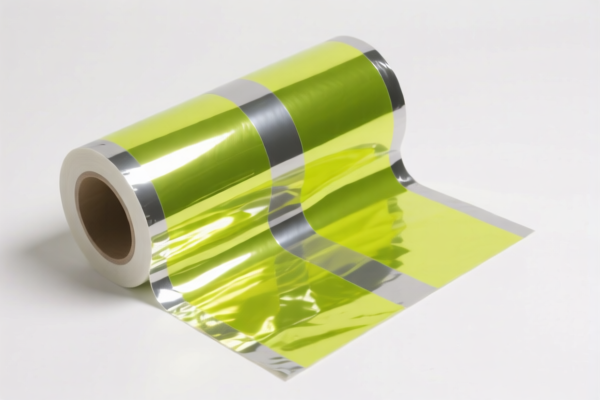
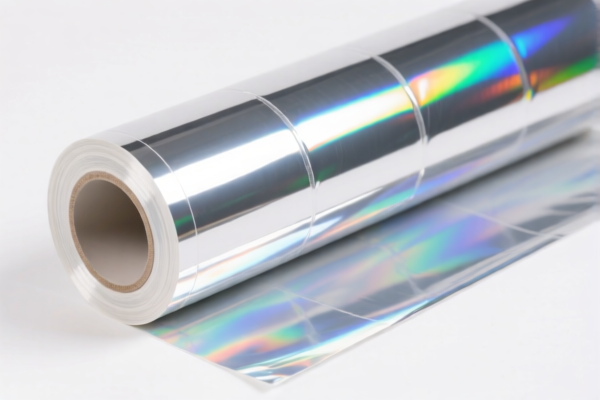
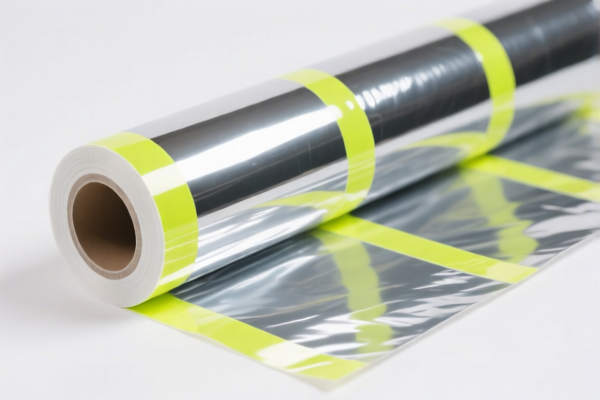
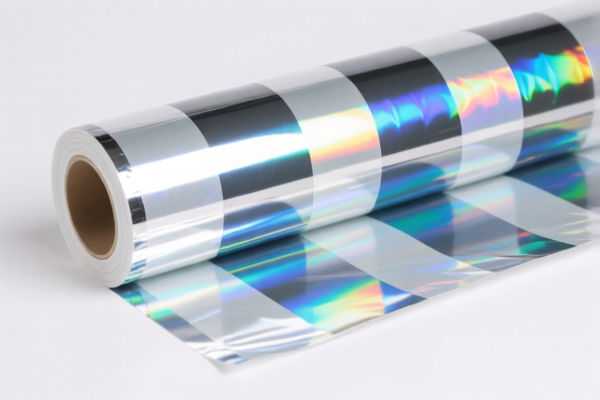
AI Analysis
🪞 Self-Adhesive Mirror Mask (Reflective Plastic & Glass Products)
🌐 HS Code Reference & Clearance Guide | 2026 Latest Tariff Analysis | Professional Clearance Strategy
📌 I. Product Definition & Classification: What exactly is a "Self-Adhesive Mirror Mask"?
A "Self-Adhesive Mirror Mask" is a broad term that can refer to two distinct types of products in international trade, leading to vastly different HS Code classifications and tax liabilities. It is crucial to distinguish between:
1. Plastic Reflective Sheeting (The Most Common Scenario): These are flexible sheets made of plastics (PE, PET, PVC, etc.) with a reflective coating (often aluminum) and a pressure-sensitive adhesive backing. They are used for vehicle decals, road signs, safety vests, or decorative wall mirrors. They are NOT glass.
2. Glass Mirrors with Adhesive Backing: These are rigid or semi-rigid glass plates coated with a reflective layer (silver/aluminum) on the back, covered with a protective layer, and bonded with a self-adhesive tape or strip. These are intended for wall decoration or functional use.
⚠️ Critical Distinction Point:
- If the material is flexible plastic/film with a reflective surface →归入 Chapter 39 (Plastics)
- If the material is rigid glass with a reflective coating →归入 Chapter 70 (Glass)
- Misclassification Risk: Declaring a plastic reflective sheet as "Glass Mirror" will lead to immediate rejection by customs due to material composition mismatch.
📦 II. HS Code Classification Details (2026 Latest Tariff Authority Comparison)
Based on the provided <DATA>, here are the specific HS Codes applicable to self-adhesive reflective/mirror products:
| HS Code | Product Description | Applicable Scenario | Material Type | Adhesive Backing |
|---|---|---|---|---|
3919.90.50.10 |
Self-adhesive plastic sheets, other: Reflectorized sheeting | Vehicle safety decals, traffic signs, safety clothing | Plastic (PET/PE/PVC) | ✅ Yes (Pressure-sensitive) |
3919.90.10.00 |
Self-adhesive plastic sheets, other: Having a light-reflecting surface produced in whole or in part by glass grains (ballotini) | Retro-reflective safety tapes, high-visibility strips | Plastic + Glass Microspheres | ✅ Yes |
3921.12.19.50 |
Other plates/sheets/film of plastics: Cellular, of polymers of vinyl chloride (PVC): Combined with textile materials, other | Insulated reflective tapes, composite safety materials | PVC + Textile | ❌ No (Not necessarily self-adhesive in the final form, but classified here) |
3926.90 |
Other articles of plastics, including self-adhesive decorative or protective films with mirror-like reflective properties | Decorative plastic mirror sheets, cosmetic applicators, non-glass mirrors | Plastic | ✅ Yes |
7007.10 |
Mirrors, whether or not framed, including those with a self-adhesive backing, made of glass with a reflective coating | Wall mirrors, bathroom mirrors, vehicle rear-view mirrors (glass type) | Glass | ✅ Yes (Backed) |
🔍 Key Clarification:
-3919covers self-adhesive plastic sheets. If your "mask" is a sticker-like sheet, this is likely the correct chapter.
-3926.90is a catch-all for plastic articles. If the product is a rigid plastic sheet molded into a mirror shape but not classified as "sheeting" under 3919, it may fall here.
-7007.10is strictly for glass mirrors. If the product bends, it is NOT this code.
💰 III. 2026 Latest Tariff Rate Details (Including Surtaxes & Policy Add-ons)
✅ Applicable Country: United States (US)
✅ Origin: China (CN)
✅ Effective Date: Post-November 2025 (Current 2026 Tariff Structure)
🎯 1. 3919.90.50.10 – Self-Adhesive Reflectorized Sheeting (Plastic)
| Item | Content |
|---|---|
| Base Tariff | 0.0% |
| Additional Tariff (Section 301) | 0.0% |
| Total Tax Rate | 0.0% |
| Tax Detail | "基础关税: 0.0%, 加征关税: 0.0%" |
| Legal Basis | Harmonized Tariff Schedule of the United States (HTSUS) Chapter 39, Note 1 |
📌 Explanation:
- Reflective plastic sheeting is exempt from the Section 301 additional tariffs (the 25% tariff on many Chinese goods).
- This makes it a highly favorable classification for cost-saving if the product is indeed plastic-based.
- Warning: Ensure the product is strictly "reflectorized sheeting" and not just "printed plastic tape."
🎯 2. 3919.90.10.00 – Self-Adhesive Plastic Sheets with Glass Grains (Ballotini)
| Item | Content |
|---|---|
| Base Tariff | 0.0% |
| Additional Tariff (Section 301) | 0.0% |
| Total Tax Rate | 0.0% |
| Tax Detail | "基础关税: 0.0%, 加征关税: 0.0%" |
| Legal Basis | HTSUS Chapter 39 |
📌 Explanation:
- Similar to3919.90.50.10, this category for retro-reflective materials (using glass beads) is also tariff-free from additional surcharges.
- Commonly used in high-visibility safety products.
🎯 3. 3921.12.19.50 – PVC Cellular Plates/Sheets Combined with Textile
| Item | Content |
|---|---|
| Base Tariff | 5.3% |
| Additional Tariff (Section 301) | 25.0% |
| Total Tax Rate | 30.3% |
| Tax Detail | "基础关税: 5.3%, 加征关税: 25.0%" |
| Legal Basis | HTSUS Chapter 39, Footnote 9903.88.01 |
📌 Explanation:
- This code applies if the product is a cellular PVC sheet combined with textile materials.
- If your "mirror mask" is a simple plastic film without textile backing, DO NOT USE THIS CODE. Misclassification here could lead to an overpayment of tax (30.3% vs 0%) or an audit for underpayment if it’s actually a different product.
🎯 4. 3926.90 – Other Plastic Articles (Mirror-like Films)
| Item | Content |
|---|---|
| Base Tariff | Varies (Generally 0-5.3%) |
| Additional Tariff | Failed to retrieve tax information |
| Total Tax | Error |
| Legal Basis | HTSUS Chapter 39, Heading 3926 |
📌 Explanation:
-3926.90is a residual category. The tax rate depends on the specific sub-heading and country of origin agreements.
- For Chinese origin, Section 301 tariffs often apply (up to 25% or higher depending on the specific 8-digit code).
- Recommendation: Avoid3926.90if3919.90(reflective sheeting) is more accurate, as3919has a clear 0% additional tariff.
🎯 5. 7007.10 – Glass Mirrors (Self-Adhesive Backed)
| Item | Content |
|---|---|
| Base Tariff | Varies (Generally 0-5%) |
| Additional Tariff | Failed to retrieve tax information |
| Total Tax | Error |
| Legal Basis | HTSUS Chapter 70 |
📌 Explanation:
- Glass mirrors are generally subject to Section 301 tariffs if of Chinese origin.
- The "Failed to retrieve" status in the data suggests a need for specific HTSUS lookup for the exact 8-10 digit code.
- Risk: If you declare a glass mirror as3919(plastic), customs will detect the density/material difference and penalize you.
🛠️ IV. Clearance Practical Advice (Real-World Pitfall Guide)
✅ 1. Preparation Checklist (Non-negotiable)
| Document | Required | Explanation |
|---|---|---|
| ✅ Product Sample | ✔️ | Must provide a physical sample to Customs/Broker for material testing. |
| ✅ Material Composition Report | ✔️ | Explicitly state: "100% PET Plastic" vs. "Glass Substrate". |
| ✅ Adhesive Specification | ✔️ | Is it pressure-sensitive (PSA)? Is it a tape or a sheet? |
| ✅ Photos of Product (Front & Back) | ✔️ | Show the reflective side and the adhesive backing. |
| ✅ Commercial Invoice | ✔️ | Description must match HS Code exactly (e.g., "Self-Adhesive Reflective Film" vs. "Glass Mirror"). |
| ✅ Packing List | ✔️ | Weight and dimensions help identify flexibility/rigidity. |
✅ 2. Declaration Tips (Key Mantra)
🔥 "Material is King, Flexibility is Truth, Adhesive is Secondary!"
| Situation | Correct Declaration | Wrong Declaration |
|---|---|---|
| Plastic Reflective Sheet | 3919.90.50.10 – Self-adhesive reflective sheeting, plastic |
7007.10 – Mirror (Glass) |
| Glass Mirror with Tape | 7007.10 – Glass mirror, self-adhesive backing |
3919.90.50.10 – Plastic sheeting |
| Decorative Plastic Mirror | 3926.90 (Check specific sub-code) OR 3919.90 if it’s a sheet |
7007.10 – Glass Mirror |
| Safety Tape with Glass Beads | 3919.90.10.00 – Plastic sheet with glass grains |
3919.90.50.10 – General reflectized sheeting |
✅ 3. Special Cases Handling
| Scenario | Handling Advice |
|---|---|
| "Mirror Mask" for Makeup/Beauty | If it’s a small, flexible plastic sheet with reflective coating for cosmetic use, classify under 3919.90.50.10 (0% tariff) as reflectized sheeting, NOT 7007.10. |
| Rigid Plastic Mirror Panel | If it’s thick, rigid plastic (not flexible), it may not qualify as "sheeting" (3919) and might fall under 3926.90. Check for 25% surtax. |
| Import from Non-China Origins | If the product is made in Vietnam/Mexico, Section 301 tariffs may not apply, but ensure Origin Certificate is valid. |
| Mixed Material (Plastic + Glass Beads) | Must use 3919.90.10.00. Do not use general reflectized sheeting code if glass grains are essential for reflection. |
🌍 V. Global Market Clearance Comparison (2026 Latest)
| Country/Region | Recommended HS Code | Tariff (China Origin) | Certification Requirements | Notes |
|---|---|---|---|---|
| 🇺🇸 USA | 3919.90.50.10 (Plastic) |
0% | FCC (if electronic), Prop 65 (if chemical) | Best Option: 0% additional tariff. |
| 🇺🇸 USA | 7007.10 (Glass) |
~25% (Est.) | No specific, but glass standards apply | High tariff risk. Avoid if plastic alternative exists. |
| 🇪🇺 EU | 3919.90 |
6.5% | CE, REACH | No Section 301 equivalent, but standard duty applies. |
| 🇨🇳 China | 3919.90 |
0% | CCC (if applicable) | Import duties are low; focus on domestic compliance. |
| 🇬🇧 UK | 3919.90 |
6.5% | UKCA | Post-Brexit standards apply. |
📌 Conclusion:
- For US Importers: The 0% tariff on3919.90.50.10is a massive advantage. Ensure your "Self-Adhesive Mirror Mask" is plastic-based.
- Avoid7007.10for plastic products to prevent customs seizure and penalties.
📌 VI. Common Errors & Pitfall Guide (Lessons Learned)
❌ Error 1: Calling a plastic reflectized sheet a "Glass Mirror"
👉 Consequence: Customs will reject the entry, require repacking/reclassification, and impose penalties.
👉 Cost Increase: From 0% to potential delays + legal fees.
❌ Error 2: Using 3921.12.19.50 for simple plastic sheets
👉 Consequence: Paying 30.3% tax instead of 0%.
👉 Reason: 3921 is for cellular PVC combined with textiles. Most mirror masks are pure plastic films.
❌ Error 3: Not specifying "Self-Adhesive" in the description for 3919
👉 Consequence: Customs may classify it as 3920 (Non-self-adhesive), which might have different tariff implications or lack of specific 0% surtax exemption.
👉 Fix: Clearly state "Pressure-Sensitive Adhesive Backing" in the invoice.
✅ Correct Practice:
"Self-Adhesive Reflective Plastic Sheet, Material: PET, Thickness: 0.5mm, Backing: Pressure-Sensitive Adhesive, Use: Decorative/Safety, HS Code: 3919.90.50.10"
🎯 VII. Conclusion: Professional Declaration Saves Money!
🎯 Remember the Mantra:
🔹 "Plastic Sheet = 3919.90.50.10 (0% Tax)"
🔹 "Glass Mirror = 7007.10 (High Tax Risk)"
🔹 "Material Check First, Then Declare!"
📌 Pro Tip:
If your product is a hybrid (e.g., plastic sheet with a rigid glass mirror attached), consult a customs broker immediately. It may be classified as a "composite good" under GRI 3, potentially falling under the essential character material (likely Glass, 7007.10).
📣 Immediate Action:
📞 Contact your Customs Broker with a physical sample of the "Self-Adhesive Mirror Mask".
🚀 Confirm HS Code3919.90.50.10if it is purely plastic.
💡 Save 25% in tariffs by accurate classification!
✨ Professional Clearance Starts with Accurate Classification!
💼 Every dollar saved in tariffs is pure profit!
Customer Reviews
About HS Code Classification
The Harmonized System (HS) is an internationally standardized nomenclature developed by the World Customs Organization (WCO) to classify traded products. Over 200 countries use the HS system as the basis for customs tariffs, trade statistics, and import/export regulations.
Each HS code follows a hierarchical structure:
- Chapter (2 digits) — Broad category of goods (e.g., Chapter 84: Machinery and Mechanical Appliances)
- Heading (4 digits) — More specific grouping within the chapter
- Subheading (6 digits) — Internationally standardized breakdown, used by all WCO member countries
- National subdivisions (8-10 digits) — Country-specific extensions for further classification, such as US HTSUS 10-digit codes
Correct HS code classification is essential for smooth customs clearance, accurate duty payment, and compliance with trade regulations. Misclassification can lead to customs delays, overpayment of duties, or penalties.
When importing from CN to US, the applicable tariff rates may include:
- Most-Favored-Nation (MFN) rate — The standard duty rate applied to WTO members
- General rate — Applied to countries without trade agreements
- Trade remedy duties — Additional tariffs such as Section 301 (anti-dumping), Section 232 (national security), or countervailing duties
The information provided on this page is for reference purposes only. For official classification, please consult with your local customs authority or a licensed customs broker.