Self adhesive PVC Anti static Wall Film
CN → US| HS Code | Tariff Rate | Origin | Destination | Doc |
|---|---|---|---|---|
| 3920490000 | 40.8% | CN | US | Official Doc |
| 3919905040 | 40.8% | CN | US | Official Doc |
| 3921121950 | 40.3% | CN | US | Official Doc |
| 3920435000 | 39.2% | CN | US | Official Doc |
| 3919905060 | 40.8% | CN | US | Official Doc |
Product Images
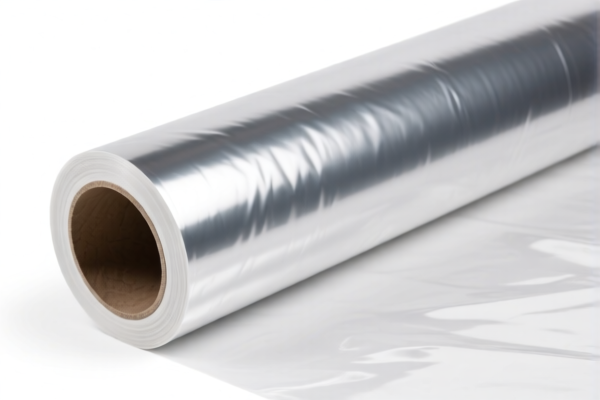
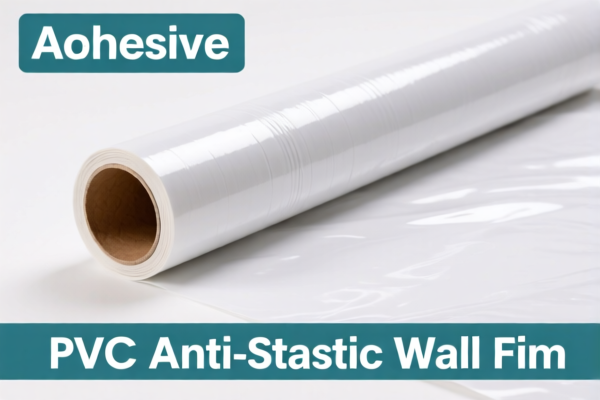
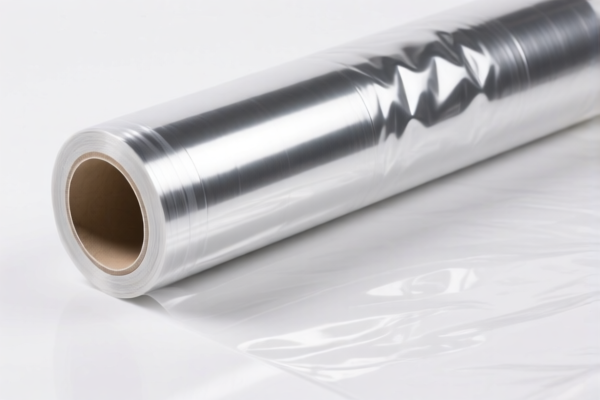
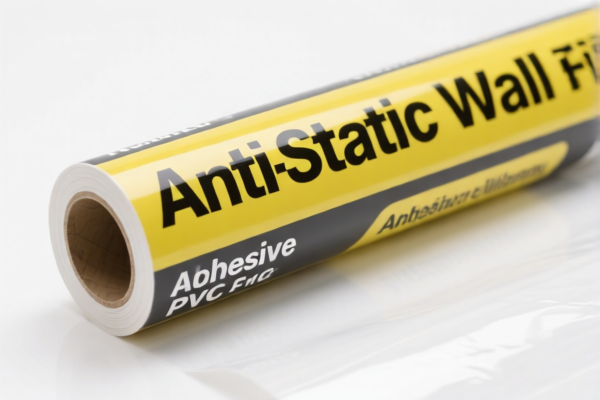
AI Analysis
🧱 Self Adhesive PVC Anti-Static Wall Film
🌐 HS Code Reference & Customs Clearance Guide | 2026 Latest Tariff Analysis | Professional Clearance Strategy
📌 I. Product Definition & Classification: What Exactly Is "Self-Adhesive PVC Anti-Static Wall Film"?
This product is a composite plastic sheet made of Polyvinyl Chloride (PVC), designed for wall decoration or protection. It has two defining characteristics: 1. Self-Adhesive: It has an adhesive backing applied during manufacturing, allowing it to stick directly to surfaces without additional glue. 2. Anti-Static: It contains additives or coatings to dissipate static electricity.
In international trade, the key question is: Does the anti-static function change its classification from a standard plastic film?
👉 Answer: Generally, no. Unless it is a specialized electronic component (e.g., for circuit board protection), wall films are usually classified as Plastic Sheets/Films or Plastic Plates/Sheets, with the "self-adhesive" nature being a key differentiator from non-adhesive rolls.
📦 II. HS Code Classification Details (2026 Latest Tariff Authority Comparison)
Based on the provided data, here are the 5 most relevant HS Codes for Self-Adhesive PVC Anti-Static Wall Film, sorted by logical fit and tax implication.
| HS Code | Product Description | Logic & Applicability | Estimated Total Tax |
|---|---|---|---|
| 3919.90.50.40 | Self-Adhesive Plastic Film | Best Fit. Specifically covers self-adhesive plastic sheets/films. The "anti-static" feature does not move it to electronics unless it's a functional electronic component. | 40.8% |
| 3919.90.50.60 | Plastic Self-Adhesive/Flat Shape (Anti-Static Functional) | Specific Functional Fit. Explicitly mentions "Anti-Static" in the summary logic. Fits the product description perfectly if the anti-static property is the primary selling point. | 40.8% |
| 3920.49.00.00 | Other Plastic Sheets (PVC Material) | Alternative Fit. Used if the product is considered a "film" but the self-adhesive nature is deemed secondary or if it lacks specific self-adhesive classification clarity. "Vinyl polymer" basis. | 40.8% |
| 3921.12.19.50 | Plastic Plates/Sheets with Textile Composite | Composite Fit. Only if the PVC film is laminated/bonded with a non-woven fabric backing (common in some wall films for easier removal or texture). If pure PVC, do not use. | 40.3% |
| 3920.43.50.00 | Plastic Sheets (PVC, Other) | Generic Fit. Standard PVC sheet/film category. Lower base tariff, but often scrutinized if "self-adhesive" features are present. | 39.2% |
🔍 Key Distinction Logic:
- 3919 vs 3920:
- 3919: "Self-adhesive plates, sheets, film, foil, tape, strip and other forms" → Use if adhesive is pre-applied at factory.
- 3920: "Other plates, sheets, film, foil and strip, not cellular" → Use if NO adhesive layer is present.
- Anti-Static: Does not change the material from PVC to "Electronics" unless it is part of a functional electronic assembly. It remains a plastic product.
💰 III. 2026 Latest Tariff Rate Breakdown (Including Surcharges & Policy Add-ons)
✅ Applicable Country: United States (US)
✅ Origin: China (CN)
✅ Effective Date: November 10, 2025 onwards (for subsequent imports)
🎯 1. 3919.90.50.40 & 3919.90.50.60 — Self-Adhesive PVC Films
| Item | Detail |
|---|---|
| Base Tariff | 5.8% (Ad valorem) |
| Section 301 Surcharge | +25.0% (USITC Footnote related to Chinese imports) |
| 122 Clause Tariff | +10.0% (Specific trade remedy clause) |
| Total Tax Rate | 40.8% |
| Tax Calculation | CIF Value × 40.8% |
| De Minimis Exemption | ❌ NOT Eligible (Value > $800 threshold or category excluded) |
| Legal Basis Path | USITC:3919.90.50.40/60 → Section 301: +25% → 122 Clause: +10% |
📌 Explanation:
- The Base Tariff (5.8%) is standard for plastic self-adhesive products.
- The 25% Surcharge is under Section 301 of the Trade Act, targeting Chinese-manufactured plastics.
- The 10% Surcharge is from specific legislative clauses (122) adding to the total burden.
- Total 40.8% is a high barrier. Must be factored into landed cost.
🎯 2. 3921.12.19.50 — PVC Film with Textile Composite (If Applicable)
| Item | Detail |
|---|---|
| Base Tariff | 5.3% |
| Section 301 Surcharge | +25.0% |
| 122 Clause Tariff | +10.0% |
| Total Tax Rate | 40.3% |
| Tax Calculation | CIF Value × 40.3% |
| De Minimis Exemption | ❌ Not Eligible |
📌 Note: This is ONLY applicable if the wall film is fabric-backed (non-woven). If it’s pure PVC with adhesive, this code may be rejected by customs for misclassification.
🎯 3. 3920.49.00.00 & 3920.43.50.00 — Non-Self-Adhesive PVC Films (If Misclassified or No Adhesive)
| Item | Detail |
|---|---|
| Base Tariff | 4.2% - 5.8% |
| Section 301 Surcharge | +25.0% |
| 122 Clause Tariff | +10.0% |
| Total Tax Rate | 39.2% - 40.8% |
| Tax Calculation | CIF Value × Rate |
⚠️ Risk: If you declare "Self-Adhesive" but use a 3920 code, Customs may assess a penalty for misdeclaration + higher duty if they disagree with the "non-self-adhesive" claim. Stick to 3919 if adhesive is present.
🛠️ IV. Customs Clearance Practical Advice (Avoiding Pitfalls)
✅ 1. Required Documentation Checklist
| Document | Mandatory? | Notes |
|---|---|---|
| Product Specification Sheet | ✔️ | Must state: Material (PVC), Thickness, Adhesive Type, Anti-Static Feature |
| Commercial Invoice | ✔️ | Clearly describe as "PVC Self-Adhesive Anti-Static Wall Film" |
| Packing List | ✔️ | Show net/gross weight, dimensions |
| Material Safety Data Sheet (MSDS) | ✔️ | Required for chemical components (adhesive, anti-static agents) |
| Certificate of Origin (CO) | ✔️ | Proof of China origin (triggers 301 + 122 tariffs) |
| Photos of Product | ✔️ | Show roll, adhesive backing, and any labeling |
✅ 2. Classification Strategy & Keywords
🔥 Golden Rule: "Adhesive = 3919, No Adhesive = 3920, Fabric-Backed = 3921"
| Scenario | Recommended HS Code | Key Declaration Phrase |
|---|---|---|
| Pure PVC + Factory-Printed Adhesive | 3919.90.50.40 / 3919.90.50.60 |
"Self-adhesive PVC film, anti-static, for wall decoration" |
| PVC + Non-Woven Fabric Backing | 3921.12.19.50 |
"PVC-laminated non-woven wall covering, self-adhesive" |
| PVC Roll, No Adhesive (Buyer applies glue) | 3920.49.00.00 |
"Non-adhesive PVC film, anti-static, for wall application" |
📌 Critical Warning:
- Do NOT describe it as "Textile" or "Fabric" if it’s PVC. It’s a plastic product.
- Do NOT omit "Self-Adhesive" if present. Misclassification can lead to duty evasion penalties.
- Anti-Static is a functional feature, not a material change. It stays in the plastic chapter (Chapter 39).
✅ 3. Special Handling Tips
| Situation | Advice |
|---|---|
| Small Sample Shipments | Still subject to duties. De Minimis ($800) does not apply to Chinese goods in many plastic categories. |
| Bulk Import | Ensure HS Code is pre-confirmed. Consider Advance Ruling from CBP to lock in 3919 classification. |
| Packaging | Use moisture-proof packaging. PVC can warp; adhesive can degrade in heat. |
| Labeling | Include "Made in China" on product and packaging to avoid country-of-origin fraud claims. |
🌍 V. Global Market Comparison (2026)
| Market | HS Code (Best Fit) | Total Duty (China Origin) | Key Requirements |
|---|---|---|---|
| 🇺🇸 USA | 3919.90.50.40 |
40.8% | Section 301 + 122 Clause. High cost. |
| 🇨🇳 China | 3919.90.50.40 |
~5.8% - 7% | No surcharges. Standard import duty. |
| 🇪🇺 EU | 3919.90.90 |
6.5% | CE Marking, REACH Compliance. |
| 🇬🇧 UK | 3919.90.90 |
6.5% | UKCA Marking. |
| 🇦🇺 Australia | 3919.90.00 |
5.0% | No anti-dumping on this code. |
📌 Conclusion:
- USA is the most expensive market due to geopolitical tariffs (301 + 122).
- EU/UK/AU are more favorable, but require strict chemical safety compliance (REACH/UKCA).
📌 VI. Common Mistakes & Pitfalls (Lessons Learned)
❌ Mistake 1: Declaring as "Textile Wallpaper" (HS 5905/5907)
👉 Consequence: Customs rejects because base material is PVC, not textile. Duty difference + Penalty.
❌ Mistake 2: Omitting "Self-Adhesive" in description
👉 Consequence: Misclassification from 3919 to 3920. If 3920 has higher duty or different regulatory scrutiny, you face retroactive duty claims.
❌ Mistake 3: Assuming "Anti-Static" makes it an electronic component (HS 8536/8548)
👉 Consequence: Rejected as non-electronic plastic. Delays in clearance.
❌ Mistake 4: Ignoring 122 Clause Tariff
👉 Consequence: Underpaying duty by 10%. Interest and penalties apply upon audit.
✅ Correct Declaration Example:
"PVC Self-Adhesive Anti-Static Wall Film, Roll, 1.5m x 50m, Thickness 0.15mm, Made in China, for Interior Wall Decoration."
🎯 VII. Conclusion: Smart Classification, Lower Costs!
🎯 Key Takeaways:
🔹 Adhesive Present? → Use HS 3919.
🔹 No Adhesive? → Use HS 3920.
🔹 Fabric-Backed? → Use HS 3921.
🔹 USA Import? → Budget for 40.8% Duty!
🔹 Anti-Static? → Doesn’t change Chapter 39 status.
📌 Pro Tip:
If you are shipping to the USA, consider pre-classifying with a licensed customs broker and applying for a CBP Advance Ruling to confirm 3919.90.50.40 or 3919.90.50.60. This protects you from unexpected audits.
📣 Immediate Action:
📞 Verify Adhesive Status → Choose correct HS Code → Calculate Landed Cost (CIF + 40.8%) → Prepare MSDS & CO
🚀 Clear Customs Smoothly, Avoid Penalties, Maximize Profit!
✨ Precision in Classification is the Key to Global Trade Success!
💼 Your Product Deserves Accurate Classification!
Customer Reviews
About HS Code Classification
The Harmonized System (HS) is an internationally standardized nomenclature developed by the World Customs Organization (WCO) to classify traded products. Over 200 countries use the HS system as the basis for customs tariffs, trade statistics, and import/export regulations.
Each HS code follows a hierarchical structure:
- Chapter (2 digits) — Broad category of goods (e.g., Chapter 84: Machinery and Mechanical Appliances)
- Heading (4 digits) — More specific grouping within the chapter
- Subheading (6 digits) — Internationally standardized breakdown, used by all WCO member countries
- National subdivisions (8-10 digits) — Country-specific extensions for further classification, such as US HTSUS 10-digit codes
Correct HS code classification is essential for smooth customs clearance, accurate duty payment, and compliance with trade regulations. Misclassification can lead to customs delays, overpayment of duties, or penalties.
When importing from CN to US, the applicable tariff rates may include:
- Most-Favored-Nation (MFN) rate — The standard duty rate applied to WTO members
- General rate — Applied to countries without trade agreements
- Trade remedy duties — Additional tariffs such as Section 301 (anti-dumping), Section 232 (national security), or countervailing duties
The information provided on this page is for reference purposes only. For official classification, please consult with your local customs authority or a licensed customs broker.