Self adhesive PVC Pearl Wall Film
CN → US| HS Code | Tariff Rate | Origin | Destination | Doc |
|---|---|---|---|---|
| 4814200000 | 17.5% | CN | US | Official Doc |
| 3919905060 | 40.8% | CN | US | Official Doc |
| 3919102055 | 40.8% | CN | US | Official Doc |
| 4814900200 | 17.5% | CN | US | Official Doc |
| 3926909989 | 22.8% | CN | US | Official Doc |
Product Images
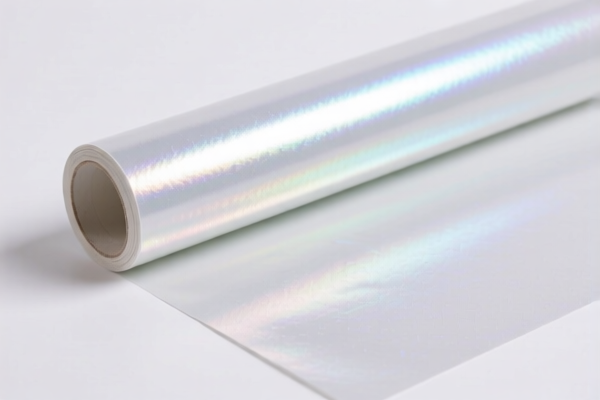
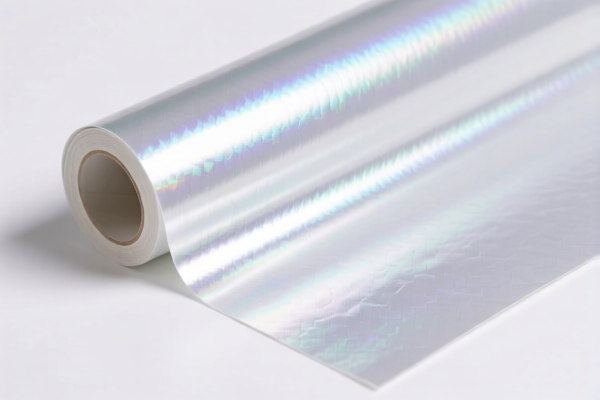
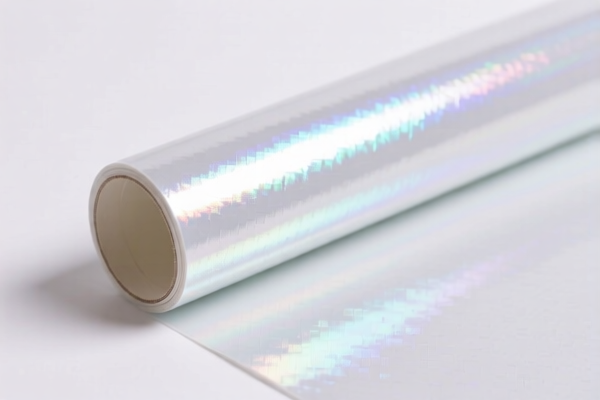
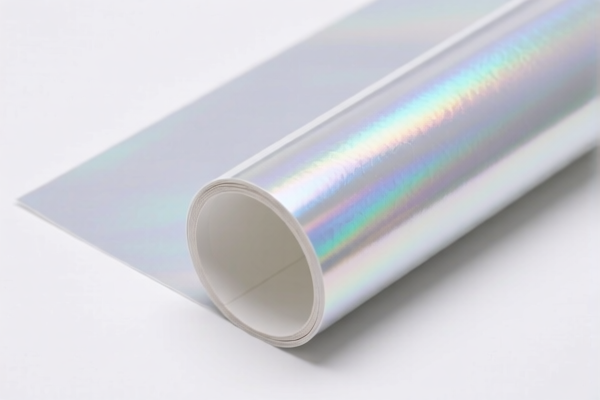
AI Analysis
🏠 Self-Adhesive PVC Pearl Wall Film (Wall Decals/Wallpapers)
🌐 HS Code Reference & Customs Clearance Guide | 2026 Latest Tariff Analysis | Professional Entry Strategy for US Imports
📌 I. Product Definition & Classification: What Exactly Is "Pearl Wall Film"?
Self-adhesive PVC Pearl Wall Film is a decorative interior material primarily used for surface renovation. It consists of a PVC (Polyvinyl Chloride) base layer with a pearl-effect finish and a self-adhesive backing. In international trade, its classification hinges on two key factors: 1. Material: PVC (Plastic). 2. Form/Function: Self-adhesive flat sheets/films vs. Wallcovering/Paper-based items.
⚠️ Key Distinction:
- If the product is classified under Chapter 48 (Paper/Paperboard) because it is considered a "wall covering" with a plastic coating → Lower Base Duty (0%), but subject to Section 301 & 122 tariffs.
- If the product is classified under Chapter 39 (Plastics) because it is essentially a "plastic self-adhesive film" → Higher Base Duty (5.8%-5.3%), but subject to Section 301 & 122 tariffs.
📦 II. HS Code Classification Matrix (2026 Authoritative Comparison)
Based on the provided data, here are the four potential HS Codes and their corresponding tax implications.
| HS Code | Description & Matching Logic | Total Tax Rate* | Tax Breakdown (US/China Origin) |
|---|---|---|---|
| 4814.20.00.00 | Match Logic: 'PVC' matches "coated/covered with plastic"; 'Wall Sticker' is similar to wall decorations; 'Self-adhesive' fits decorative paper/film traits. | 17.5% | Base: 0.0% 301 (Adj.): 7.5% Sec 122: 10.0% |
| 3919.90.50.60 | Match Logic: 'Self-adhesive' = Self-adhesive; 'PVC' = Plastics; 'Wall Sticker' = Flat shapes/stickers. Matches material & form. | 40.8% | Base: 5.8% 301 (Adj.): 25.0% Sec 122: 10.0% |
| 3919.10.20.55 | Match Logic: PVC (Plastic) + Self-adhesive film/strip. No material conflict. Fits "Plastic self-adhesive film/tape". | 40.8% | Base: 5.8% 301 (Adj.): 25.0% Sec 122: 10.0% |
| 4814.90.02.00 | Match Logic: PVC treated as paper-based extension; 'Wall Sticker' as wall covering. Fits "Other" category for wallpapers/wall coverings. | 17.5% | Base: 0.0% 301 (Adj.): 7.5% Sec 122: 10.0% |
| 3926.90.99.89 | Match Logic: PVC falls under plastics; Wall sticker is an "other article" of plastic. Fits general plastic articles logic. | 22.8% | Base: 5.3% 301 (Adj.): 7.5% Sec 122: 10.0% |
* Total Tax Rate = Base Duty + USITC Additional Duty (Section 301) + IEEPA Duty (Section 122)
*Note: All rates assume origin from China (CN) importing to USA (US).
💰 III. Detailed Tariff Structure Analysis
🎯 1. The "Paper-Based" Route: HS Codes 4814.20.00.00 & 4814.90.02.00
- Why it’s attractive: The Base Duty is 0%. This is the lowest entry cost.
- The Catch: It still faces significant additional tariffs.
- Tax Composition:
- Base Tariff: 0.0%
- Section 301 (Adj. Tariff): 7.5% (Lower than the 25% for plastics)
- Section 122 (IEEPA): 10.0%
- Total Effective Rate: 17.5%
- Legal Basis:
4814.20.00.00/4814.90.02.00→Footnote 301: 7.5%→IEEPA: 10%
🎯 2. The "Plastic Film" Route: HS Codes 3919.90.50.60 & 3919.10.20.55
- Why it’s risky: High Base Duty (5.8%) + High Section 301 (25%).
- Tax Composition:
- Base Tariff: 5.8%
- Section 301 (Adj. Tariff): 25.0% (Maximum penalty tier for many plastic films)
- Section 122 (IEEPA): 10.0%
- Total Effective Rate: 40.8%
- Legal Basis:
3919.90.50.60/3919.10.20.55→Footnote 301: 25%→IEEPA: 10%
🎯 3. The "General Plastic Article" Route: HS Code 3926.90.99.89
- Middle Ground: Lower Section 301 penalty but higher base than paper.
- Tax Composition:
- Base Tariff: 5.3%
- Section 301 (Adj. Tariff): 7.5%
- Section 122 (IEEPA): 10.0%
- Total Effective Rate: 22.8%
- Legal Basis:
3926.90.99.89→Footnote 301: 7.5%→IEEPA: 10%
📌 Critical Insight:
Classifying this product under Chapter 48 (Paper/Wallcoverings) instead of Chapter 39 (Plastics) saves you 15.3% - 23.0% in total duties. This is a massive cost difference ($15-$23 per $100 of goods).
🛠️ IV. Customs Clearance Practical Advice (Avoiding Pitfalls)
✅ 1. Documentation Checklist (Non-Negotiable)
| Document | Required? | Why? |
|---|---|---|
| ✅ Product Specifications | YES | Must clarify: "Self-Adhesive PVC Film for Wall Decoration." |
| ✅ Product Photos | YES | Show texture (Pearl effect), roll format, and adhesive backing. |
| ✅ Composition Statement | YES | Confirm 100% PVC or PVC with paper backing? (Crucial for Ch. 48 vs. 39). |
| ✅ Commercial Invoice | YES | Value must be CIF (Cost, Insurance, Freight). |
| ✅ Packing List | YES | Dimensions and weight per roll/box. |
| ✅ Certificate of Origin | YES | To confirm China origin (triggers 301/122 tariffs). |
✅ 2. Declaration Strategy (The "Paper vs. Plastic" Battle)
| Scenario | Recommended HS Code | Why? | Risk |
|---|---|---|---|
| Pure PVC Film | 3919.90.50.60 / 3919.10.20.55 | Accurate for 100% plastic self-adhesive films. | High Tax (40.8%). If you declare as Ch. 48, you risk reclassification. |
| Paper-Backed PVC | 4814.20.00.00 | If PVC is only a coating on a paper base, Ch. 48 is legally stronger. | Must prove paper base is integral. |
| Mixed/Unknown | 3926.90.99.89 | Safe "other plastic articles" fallback. | Medium Tax (22.8%). |
🔥 "Declaration Mantra":
"Material determines Chapter, Coating determines Form, Self-Adhesive needs Detail!"
✅ 3. Special Handling Tips
- Avoid "Wallpaper" if it's 100% PVC: If there is no paper backing, DO NOT use
4814. CBP (Customs and Border Protection) may reject this as "misdeclaration" because PVC is a plastic, not a paper product. - Use "Wall Sticker" or "Decorative Film": These terms are neutral. However, ensure your spec sheet says "PVC Self-Adhesive Decorative Film" to support Chapter 39 if that’s the chosen path, or "Plastic-Coated Paper" if aiming for Chapter 48.
- Section 122 (10%) Applies Regardless: This new tariff applies to most consumer goods from China. Do not budget for exemptions here.
🌍 V. Global Market Comparison (2026)
| Market | Preferred HS Code | Est. Total Duty | Notes |
|---|---|---|---|
| 🇺🇸 USA | 4814.20.00.00 | 17.5% | Best balance if paper-backed. If pure PVC, expect 40.8% unless argued otherwise. |
| 🇪🇺 EU | 3919.90.00 | ~5-10% | No Section 301/122. VAT applies separately. |
| 🇨🇳 China | 3919.10.00 | ~5-10% | Import duties vary by trade agreement. |
| 🇬🇧 UK | 3919.90.00 | ~5-6% | Post-Brexit tariffs apply. No Section 301 equivalent. |
📌 Conclusion:
The USA is the most expensive market for this product due to Section 301 and Section 122 tariffs. The difference between Classifying as Paper (17.5%) vs. Plastic Film (40.8%) is the single biggest cost driver.
📌 VI. Common Errors & Pitfalls (Blood & Tears Lessons)
❌ Mistake 1: Declaring 100% PVC Film as "Wallpaper" (4814) without paper backing.
👉 Consequence: CBP reclassifies to 3919 → Tax jumps from 17.5% to 40.8% + Penalties.
❌ Mistake 2: Ignoring Section 122 (10%).
👉 Consequence: Under-declaring duties by 10% → Audit & Back Taxes + Interest.
❌ Mistake 3: Using vague descriptions like "Home Decor."
👉 Consequence: High risk of inspection → Delays in Clearance → Storage fees.
✅ Correct Approach:
"Self-Adhesive PVC Decorative Wall Film, Pearl Finish, Roll Form, 120cm x 10m, 100% PVC [OR] PVC-Coated Paper."
🎯 VII. Final Recommendation: How to Optimize?
- Product Design: If possible, manufacture with a paper backing. This allows legal classification under HS 4814, reducing duties from 40.8% to 17.5%.
- Pre-Ruling: If importing pure PVC, consider applying for an HTSUS Pre-Ruling from CBP to secure the
4814classification if you can argue it’s a "paper-based wall covering with plastic coating." - Supplier Negotiation: Since tariffs are high, negotiate FOB prices with suppliers to share the tariff burden.
- Compliance Check: Always verify if your specific "Pearl" finish affects the classification (e.g., if it’s treated as a "printing" product, sometimes
4911is used, but4814is safer for films).
📌 Pro Tip:
"For Wall Films, Paper Backing = Lower Tax. Pure Plastic = Higher Tax. Choose Wisely!"
📣 Immediate Action Plan:
📞 Step 1: Ask supplier: "Is there a paper base or is it 100% PVC?"
📄 Step 2: If Paper Base → Declare4814.20.00.00.
📄 Step 3: If Pure PVC → Prepare for3919.90.50.60(40.8%) or seek legal counsel for4814argument.
🚀 Step 4: Include 10% IEEPA + 7.5-25% 301 in your landed cost calculation immediately.
✨ Professional Clearance, Start with Precise Classification!
💼 Every 1% of Duty Saved is Pure Profit Gained!
Customer Reviews
About HS Code Classification
The Harmonized System (HS) is an internationally standardized nomenclature developed by the World Customs Organization (WCO) to classify traded products. Over 200 countries use the HS system as the basis for customs tariffs, trade statistics, and import/export regulations.
Each HS code follows a hierarchical structure:
- Chapter (2 digits) — Broad category of goods (e.g., Chapter 84: Machinery and Mechanical Appliances)
- Heading (4 digits) — More specific grouping within the chapter
- Subheading (6 digits) — Internationally standardized breakdown, used by all WCO member countries
- National subdivisions (8-10 digits) — Country-specific extensions for further classification, such as US HTSUS 10-digit codes
Correct HS code classification is essential for smooth customs clearance, accurate duty payment, and compliance with trade regulations. Misclassification can lead to customs delays, overpayment of duties, or penalties.
When importing from CN to US, the applicable tariff rates may include:
- Most-Favored-Nation (MFN) rate — The standard duty rate applied to WTO members
- General rate — Applied to countries without trade agreements
- Trade remedy duties — Additional tariffs such as Section 301 (anti-dumping), Section 232 (national security), or countervailing duties
The information provided on this page is for reference purposes only. For official classification, please consult with your local customs authority or a licensed customs broker.