Self adhesive Packing Tape
CN → US| HS Code | Tariff Rate | Origin | Destination | Doc |
|---|---|---|---|---|
| 4008115000 | 38.3% | CN | US | Official Doc |
| 3921190090 | 41.5% | CN | US | Official Doc |
| 3921110000 | 40.3% | CN | US | Official Doc |
| 3919102055 | 40.8% | CN | US | Official Doc |
| 4008111000 | 35.0% | CN | US | Official Doc |
Product Images
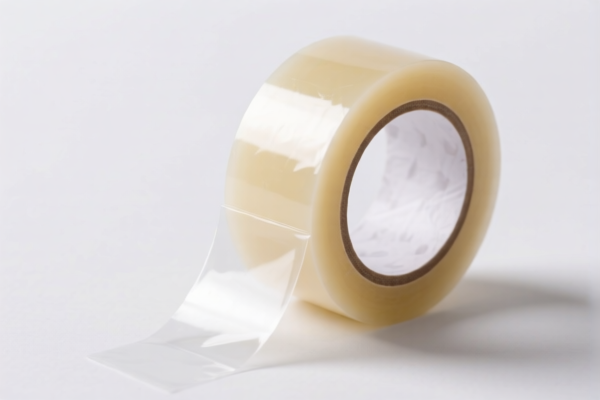
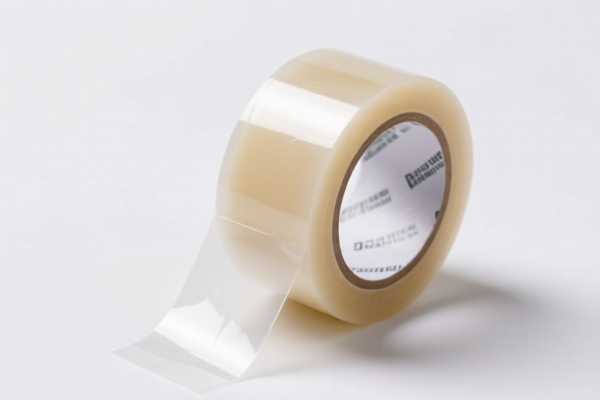
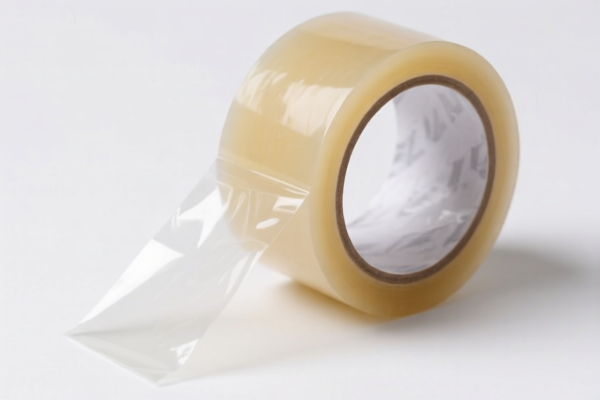
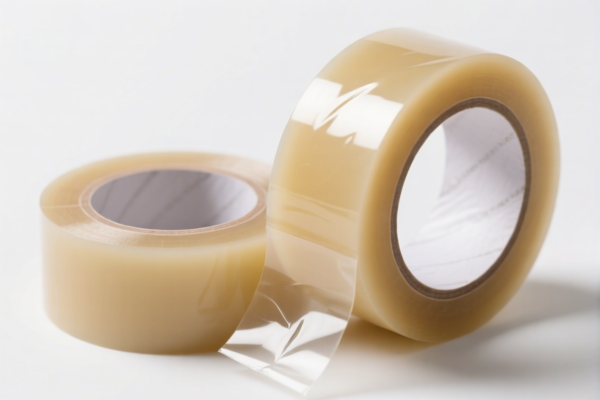
AI Analysis
📦 Self-Adhesive Packing Tape (Foam/Rubber/Plastic)
🌐 HS Code Reference & Customs Clearance Guide | 2026 Tariff Analysis | Professional Compliance Strategy
📌 I. Product Definition & Classification: Is It Rubber, Plastic, or Both?
Self-adhesive packing tape, particularly those with a foam or rubber core/backing, is a complex commodity in international trade. The Harmonized System (HS) classification depends entirely on the primary material (Rubber vs. Plastic) and the form factor (Roll/Coil vs. Sheet).
Two Main Categories: 1. Rubber-Based Foam Tape: If the backing is made of natural or synthetic rubber foam. * Key Indicator: Flexible, elastic, often used for sealing/dampening. * HS Chapter: 40 (Rubber and Articles Thereof) 2. Plastic-Based Foam Tape: If the backing is made of EVA, PE, PVC, or other plastics. * Key Indicator: Plastic texture, non-elastic foam, often used for cushioning or packaging. * HS Chapter: 39 (Plastics and Articles Thereof)
⚠️ Critical Distinction:
- If the backing material is rubber → Go to Chapter 40.
- If the backing material is plastic (even if coated with adhesive) → Go to Chapter 39.
- Note: The adhesive layer itself is generally ignored for primary classification if the backing defines the character.
📦 II. HS Code Classification Matrix (2026 Latest Tariff Data)
Based on the provided data, here are the specific HS codes for self-adhesive foam tapes, categorized by material type.
| HS Code | Material Type | Product Description | Key Characteristics |
|---|---|---|---|
4008.11.10.00 |
Natural Rubber | Foam rubber sheets, strips, or shapes; self-adhesive backing; natural rubber | Natural rubber foam core; self-adhesive backing |
4008.11.50.00 |
Synthetic Rubber | Foam rubber sheets, strips, or shapes; other than those of subheading 4008.11.10 | Synthetic rubber foam core; self-adhesive backing |
3921.11.00.00 |
Plastic (EVA/PE) | Plastic plates, sheets, film, foil, and strip; self-adhesive; of polyethylene or polyvinyl alcohol polymers | Plastic foam (EVA/PE); self-adhesive |
3919.10.20.55 |
Plastic (General) | Self-adhesive plates, sheets, film, foil, tape, and other flat shapes; of plastics | Plastic base; flat shape; self-adhesive |
3921.19.00.90 |
Plastic (Other) | Other plates, sheets, film, foil, and strip of plastics; self-adhesive | Other plastic materials (e.g., PVC, PU foam); self-adhesive |
🔍 Key Takeaway:
- Rubber Tapes (Ch 40) generally have a lower base tariff (0%–3.3%) but still face high total taxes due to Section 301 and 122 tariffs. - Plastic Tapes (Ch 39) have a higher base tariff (5.3%–6.5%) and are subject to the same附加 taxes.
💰 III. 2026 Tariff Rate Breakdown (USA Import from China)
✅ Applicable Country: United States (US)
✅ Origin: China (CN)
✅ Effective Date: 2025 onwards (Post-2026 policy continuation)
🎯 1. 4008.11.10.00 — Natural Rubber Foam Tape (Lowest Base Rate)
| Item | Detail |
|---|---|
| Base Tariff | 0.0% (Free) |
| Section 301 Tariff | +25.0% (Additional duty on Chinese goods) |
| Section 122 Tariff | +10.0% (Additional duty under certain conditions) |
| Total Tax Rate | 35.0% |
| Tax Calculation | CIF Value × 35% |
| De Minimis Exemption | ❌ Not Applicable (High-risk category for de minimis) |
| Legal Basis | USITC:4008.11.10.00 → Section 301 Footnote → Section 122 |
📌 Explanation:
- Although the base rate is 0%, the 35% total rate makes this expensive to import. - Natural rubber is sometimes viewed more favorably in policy, but the 25% Section 301 tariff remains strict.
🎯 2. 4008.11.50.00 — Synthetic Rubber Foam Tape
| Item | Detail |
|---|---|
| Base Tariff | 3.3% |
| Section 301 Tariff | +25.0% |
| Section 122 Tariff | +10.0% |
| Total Tax Rate | 38.3% |
| Tax Calculation | CIF Value × 38.3% |
| De Minimis Exemption | ❌ Not Applicable |
| Legal Basis | USITC:4008.11.50.00 → Section 301 → Section 122 |
📌 Explanation:
- Synthetic rubber is taxed at a higher base rate (3.3%) than natural rubber. - Total duty is 3.3% higher than natural rubber foam tape.
🎯 3. 3921.11.00.00 — Plastic Foam Tape (EVA/PE)
| Item | Detail |
|---|---|
| Base Tariff | 5.3% |
| Section 301 Tariff | +25.0% |
| Section 122 Tariff | +10.0% |
| Total Tax Rate | 40.3% |
| Tax Calculation | CIF Value × 40.3% |
| De Minimis Exemption | ❌ Not Applicable |
| Legal Basis | USITC:3921.11.00.00 → Section 301 → Section 122 |
📌 Explanation:
- EVA/PE foam is a common packaging material. - Higher base rate (5.3%) leads to a higher total tax burden.
🎯 4. 3919.10.20.55 — Self-Adhesive Plastic Tape (General)
| Item | Detail |
|---|---|
| Base Tariff | 5.8% |
| Section 301 Tariff | +25.0% |
| Section 122 Tariff | +10.0% |
| Total Tax Rate | 40.8% |
| Tax Calculation | CIF Value × 40.8% |
| De Minimis Exemption | ❌ Not Applicable |
| Legal Basis | USITC:3919.10.20.55 → Section 301 → Section 122 |
📌 Explanation:
- This code is for general plastic tapes with self-adhesive backing. - Base rate is slightly higher (5.8%), resulting in a 40.8% total rate.
🎯 5. 3921.19.00.90 — Other Plastic Foam Tape
| Item | Detail |
|---|---|
| Base Tariff | 6.5% |
| Section 301 Tariff | +25.0% |
| Section 122 Tariff | +10.0% |
| Total Tax Rate | 41.5% |
| Tax Calculation | CIF Value × 41.5% |
| De Minimis Exemption | ❌ Not Applicable |
| Legal Basis | USITC:3921.19.00.90 → Section 301 → Section 122 |
📌 Explanation:
- This is the "catch-all" for plastic foam tapes not specified elsewhere. - Highest base rate (6.5%) among the listed options → Highest total tax (41.5%).
🛠️ IV. Customs Clearance Practical Advice
✅ 1. Material Verification is Key
Before shipping, you must know the exact composition of the tape backing. - Rubber vs. Plastic: Send a material test report or MSDS to your supplier. - Foam Type: Is it Natural Rubber, Synthetic Rubber, EVA, PE, or PVC? - Why? Misclassification can lead to 100% penalty + confiscation.
✅ 2. Documentation Checklist
| Document | Requirement | Notes |
|---|---|---|
| Commercial Invoice | Must state "Self-Adhesive Foam Tape" | Include HS Code explicitly |
| Packing List | Detail net/gross weight | Foam tape is light but bulky; watch volumetric weight |
| Material Declaration | Specify Rubber/Plastic type | Crucial for correct HS Code selection |
| MSDS (Material Safety Data Sheet) | Required for foam products | Confirms chemical composition |
| Certificate of Origin | China CO | Needed to calculate final tax accurately |
✅ 3. Smart Declaration Tips
🔥 Rule of Thumb:
"Natural Rubber is Cheapest Base, Plastic is Most Expensive Base."
| Strategy | Action | Benefit |
|---|---|---|
| Optimize HS Code | Use 4008.11.10.00 if natural rubber |
Saves ~6.5% vs. plastic codes |
| Avoid "Other" Codes | Do not use 3921.19.00.90 if a more specific code applies |
Prevents highest tax rate (41.5%) |
| Consolidate Shipments | Combine with non-tariffed goods? | Not recommended for high-risk items; better to declare honestly |
| Pre-Ruling | Apply for Binding Tariff Information (BTI) if volume is high | Locks in HS Code and tax rate legally |
✅ 4. Special Cases
- De Minimis (Section 321):
❌ Not Recommended for foam tapes from China.
- The tax rates (35%–41.5%) are too high to justify the risk.
- CBP may inspect small packages for "circumvention" of Section 301 tariffs. - Transshipment:
❌ Illegal Risk.
- Do not ship via third countries (e.g., Malaysia, Vietnam) to hide Chinese origin.
- US Customs is cracking down on "transshipment laundering."
🌍 V. Global Market Comparison (2026)
| Market | Recommended HS Code | Estimated Total Tax | Notes |
|---|---|---|---|
| 🇺🇸 USA | 4008.11.10.00 – 3921.19.00.90 |
35.0% – 41.5% | High Section 301 & 122 tariffs |
| 🇨🇳 China (Import) | 4008.11.10.00 – 3921.19.00.90 |
Low (~0-5%) | No Section 301/122 |
| 🇪🇺 EU | 4008.11.10.00 – 3921.19.00.90 |
~4% - 6% | No major additional tariffs |
| 🇨🇦 Canada | 4008.11.10.00 – 3921.19.00.90 |
~5% - 8% | CUSMA benefits if non-Chinese origin |
📌 Conclusion:
- The USA is the most expensive market for self-adhesive foam tape from China due to additional tariffs. - Natural rubber foam tape (4008.11.10.00) is the most cost-effective option among all listed codes for US import.
📌 VI. Common Pitfalls & Avoidance Guide
❌ Pitfall 1: Mislabeling Plastic as Rubber
👉 Result: Customs rejects declaration, audits origin, imposes penalties.
✅ Fix: Provide MSDS and material test reports.
❌ Pitfall 2: Ignoring "Self-Adhesive" Feature
👉 Result: Classified as non-adhesive foam, which may have different duties or restrictions.
✅ Fix: Clearly state "Self-Adhesive" on invoice.
❌ Pitfall 3: Using De Minimis for Large Volumes
👉 Result: CBP flags repeated small shipments, seizes goods, fines importer.
✅ Fix: Use formal entry (Type 06 or 01) and pay full duties.
🎯 VII. Conclusion: Professional Customs Strategy
🎯 Key Recommendation:
1. Identify Material: Determine if it's Natural Rubber, Synthetic Rubber, or Plastic.
2. Select Lowest Base HS:
- Natural Rubber → 4008.11.10.00 (35% Total)
- Synthetic Rubber → 4008.11.50.00 (38.3% Total)
- Plastic → Choose most specific code (3921.11.00.00 is best at 40.3%)
3. Prepare Docs: Invoice, Packing List, MSDS, Certificate of Origin.
4. Pay Duties: Budget for 35%–41.5% total tax. Do not try to evade.
📌 Pro Tip:
If you import large volumes, consider applying for Exclusions (if available) or using a Bonded Warehouse in the US to delay duty payment until goods are sold.
📣 Immediate Action:
📞 Contact your customs broker with product samples and MSDS.
📄 Request a Pre-Ruling from US CBP if your shipment value exceeds $100,000.
🚀 Accurate classification = Lower costs = Faster clearance.
✨ Customs Compliance, Start with the Right HS Code!
💼 Every percent of duty saved is pure profit!
Customer Reviews
About HS Code Classification
The Harmonized System (HS) is an internationally standardized nomenclature developed by the World Customs Organization (WCO) to classify traded products. Over 200 countries use the HS system as the basis for customs tariffs, trade statistics, and import/export regulations.
Each HS code follows a hierarchical structure:
- Chapter (2 digits) — Broad category of goods (e.g., Chapter 84: Machinery and Mechanical Appliances)
- Heading (4 digits) — More specific grouping within the chapter
- Subheading (6 digits) — Internationally standardized breakdown, used by all WCO member countries
- National subdivisions (8-10 digits) — Country-specific extensions for further classification, such as US HTSUS 10-digit codes
Correct HS code classification is essential for smooth customs clearance, accurate duty payment, and compliance with trade regulations. Misclassification can lead to customs delays, overpayment of duties, or penalties.
When importing from CN to US, the applicable tariff rates may include:
- Most-Favored-Nation (MFN) rate — The standard duty rate applied to WTO members
- General rate — Applied to countries without trade agreements
- Trade remedy duties — Additional tariffs such as Section 301 (anti-dumping), Section 232 (national security), or countervailing duties
The information provided on this page is for reference purposes only. For official classification, please consult with your local customs authority or a licensed customs broker.