Self adhesive Photo Album
CN → US| HS Code | Tariff Rate | Origin | Destination | Doc |
|---|---|---|---|---|
| 4820900000 | 35.0% | CN | US | Official Doc |
| 3926904800 | 13.4% | CN | US | Official Doc |
| 4820500000 | 35.0% | CN | US | Official Doc |
| 4820900000 | 35.0% | CN | US | Official Doc |
| 3926904800 | 13.4% | CN | US | Official Doc |
Product Images
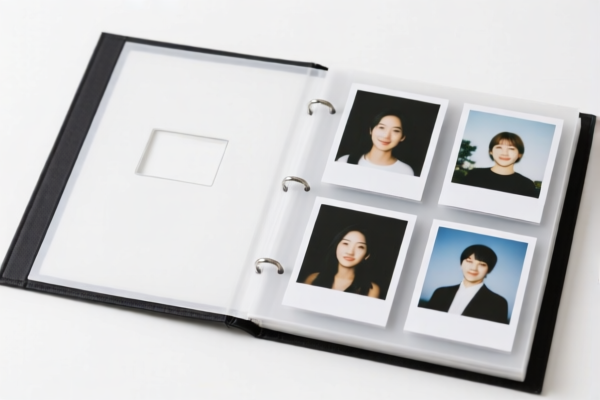

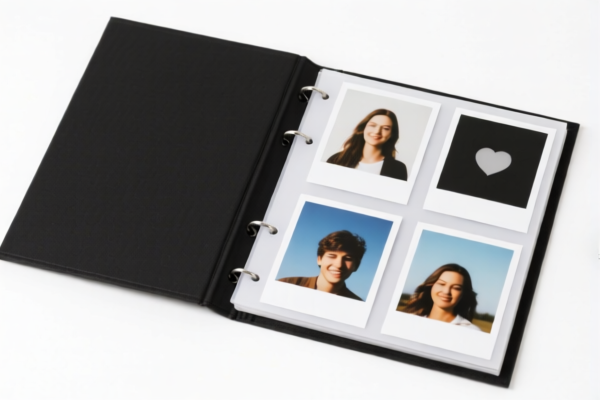
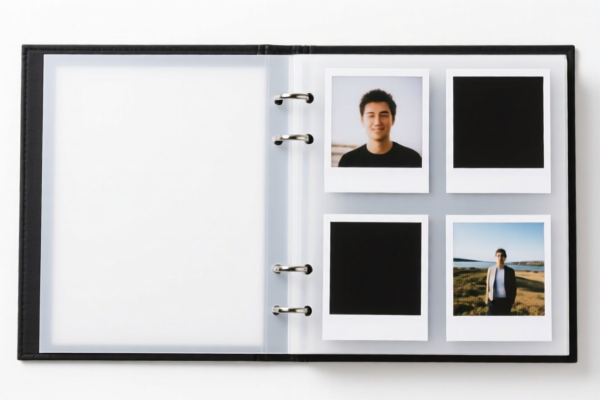
AI Analysis
📸 Self-Adhesive Photo Albums (The "Sticky" Scrapbook)
🌐 HS Code Classification & Customs Clearance Guide | 2026 Latest Tariff Analysis | Strategic Import Strategy for China-Origin Goods
📌 I. Product Definition & Core Distinction: Are You Shipping Paper or Plastic?
Self-adhesive photo albums are binding products featuring pressure-sensitive adhesive pages for holding photos. In international trade, the critical determinant for HS Code classification and tax liability is the primary material of the album.
Paper/Cardboard Albums (Paper-based):
Made primarily from paper, cardboard, or paperboard. These are considered traditional binding products.
⚠️ Key Distinction Point:
- If the substrate is paper/cardboard → Classified under Chapter 48 (Paper Products). - If the substrate is plastic/high-polymer material → Classified under Chapter 39 (Plastics/Non-stick coatings).
📦 II. HS Code Classification Details (2026 Latest Tariff Concordance)
Based on the provided data, here are the specific classifications for Self-Adhesive Photo Albums:
| HS Code | Product Description | Material Composition | Application |
|---|---|---|---|
4820.90.00.00 |
Self-adhesive albums, paper or paperboard, for samples or collections | Paper/Cardboard | Traditional paper albums, scrapbooks with sticky pages |
3926.90.48.00 |
Self-adhesive albums, plastic or polymer materials, classified as plastic products | Plastic/Polymer | Clear plastic pockets, waterproof albums, polymer-based binders |
4820.50.00.00 |
Self-adhesive albums, paper or plastic film, for collection albums | Paper/Plastic Film | Hybrid or thin-film based albums (Note: Tax aligns with paper chapter per data) |
🔍 Critical Reminder:
- Material is King: Do not assume "plastic pockets" means Chapter 39. If the backing/pad is paper, it often falls under 4820. The provided data explicitly links4820.90.00.00to "paper or cardboard" and3926.90.48.00to "plastic or polymer materials." -4820.50.00.00is a specific sub-category for paper/plastic film hybrids used in collection albums, but the tax rate remains high (aligned with paper category in this dataset).
💰 III. 2026 Latest Tariff Rate Breakdown (Including Surtaxes & Policy Add-ons)
✅ Applicable Country: United States (US)
✅ Country of Origin: China (CN)
✅ Effective Time: 2025/2026 (Current Trade War Context)
🎯 1. 4820.90.00.00 & 4820.50.00.00 —— Paper-Based Self-Adhesive Albums
⚠️ HIGH TARIFF ALERT: This category faces the highest combined tax burden.
| Item | Content |
|---|---|
| Base Tariff | 0.0% (ad valorem) |
| Section 301 Surtax | +25.0% (USITC Additional Duty) |
| Section 122 Tariff | +10.0% (Specific 122 Clause Duty for China-origin goods) |
| Total Tax Rate | 35.0% |
| Tax Calculation | CIF Value × 35% |
| De Minimis Exemption? | ❌ NOT Eligible (Section 301 and 122 duties apply regardless of value; likely denies de minimis status under current enforcement trends for these chapters) |
| Legal Path | USITC:4820.90.00.00 → FOOTNOTE:301-Section-301 → SECTION-122 |
📌 Explanation:
- "Section 301 (25%)": The standard "Trade War" tariff on Chinese paper products. - "Section 122 (10%)": An additional punitive tariff applied to specific Chinese imports under Section 122 of the Trade Expansion Act. - Total 35%: This is a massive cost increase. Importers must calculate if the margin can absorb this.
🎯 2. 3926.90.48.00 —— Plastic/Polymer Self-Adhesive Albums
✅ LOWER TARIFF STRATEGY: Plastic-based albums face significantly lower duties.
| Item | Content |
|---|---|
| Base Tariff | 3.4% |
| Section 301 Surtax | 0.0% (Specific exemption or lower bracket in this dataset) |
| Section 122 Tariff | +10.0% |
| Total Tax Rate | 13.4% |
| Tax Calculation | CIF Value × 13.4% |
| De Minimis Exemption? | ❌ NOT Eligible (Section 122 usually nullifies de minimis for China-origin goods) |
| Legal Path | USITC:3926.90.48.00 → SECTION-122 |
📌 Note:
- Although the base tariff is higher (3.4% vs 0%), the absence of the 25% Section 301 duty makes this category far more cost-effective (13.4% vs 35.0%). - This applies to albums made of plastic sheets, PVC pockets, or polymer binders.
🛠️ IV. Customs Clearance Practical Advice (Avoiding Pitfalls)
✅ 1. Documentation Checklist (Must-Have)
| Document | Required | Description |
|---|---|---|
| ✅ Product Specification Sheet | ✔️ | Must clearly state Material Composition (e.g., "Paperback with PP plastic sleeves" vs. "Full PVC construction") |
| ✅ Material Breakdown | ✔️ | Percentage of paper vs. plastic. If >50% paper, lean towards 4820. |
| ✅ Product Photos | ✔️ | Show the adhesive side, the binder material, and any packaging. |
| ✅ Commercial Invoice | ✔️ | Describe as "Self-Adhesive Photo Album - [Material]" |
| ✅ Packing List | ✔️ | Include net/gross weight. |
| ✅ Country of Origin Certificate | ✔️ | Crucial for proving China origin (to apply correct surtaxes) |
✅ 2. Declaration Strategy (Key Tactics)
🔥 "Define Material, Define Code, Define Tax!"
| Scenario | Correct Declaration | Risk of Error |
|---|---|---|
| Paper Backing, Plastic Pockets | Often classified under 4820 (if paper is structural). Check specific ruling. Risk: High Tax (35%). | Misdeclaring as plastic to save tax → Fraud/Smuggling risk. |
| Full Plastic/PVC Construction | 3926.90.48.00 | Accurate declaration leads to 13.4% tax. |
| Mixed Media (Paper + Thin Plastic Film) | 4820.50.00.00 | Still 35% tax. Don't assume "plastic film" lowers the rate in this specific dataset. |
| Blank Sticky Pages (No Album Bound) | Could be classified differently (e.g., as adhesive tape or paper goods). Consult HS Expert. | Misclassification as finished good. |
⚠️ Critical Warning:
- Do NOT declare a paper-based album as "plastic" to get the 13.4% rate. Customs may inspect, find paper, and penalize you for misdeclaration, plus back-taxes + penalties. - Conversely, declaring a plastic album as paper results in overpayment (35% vs 13.4%), reducing your profit margin unnecessarily.
✅ 3. Cost Optimization Tips
- Material Redesign: If possible, redesign the album using 100% plastic/polymer materials (or at least ensure the primary component is plastic) to utilize 3926.90.48.00 (13.4% tax) instead of the paper category (35% tax).
- Third-Country Assembly: If using paper is unavoidable, consider final assembly in a non-China country (e.g., Vietnam, Mexico) to potentially avoid Section 301 and Section 122 duties (if rules of origin are met). Note: This requires careful supply chain planning.
- Pre-Ruling Application: Apply for a Binding Tariff Information (BTI) or US CBP Ruling for your specific product to confirm whether a "Paper Album with Plastic Sleeves" falls under 4820 or 3926. This provides legal certainty.
🌍 V. Global Market Comparison (2026)
| Market | Recommended HS Code (Paper) | Tariff (China) | Recommended HS Code (Plastic) | Tariff (China) | Notes |
|---|---|---|---|---|---|
| 🇺🇸 USA | 4820.90.00.00 / 4820.50.00.00 |
35.0% | 3926.90.48.00 |
13.4% | Highly sensitive to material. Plastic is vastly cheaper. |
| 🇨🇳 China (Import) | 4820.90.00.00 | Low/Zero | 3926.90.48.00 | Low/Zero | Domestic market not applicable for import analysis. |
| 🇪🇺 EU | 4820.10/90 | ~0-6% | 3926.90 | ~0-6% | No Section 301/122 equivalents. Standard MFN rates apply. |
| 🇬🇧 UK | 4820.90 | ~0-6% | 3926.90 | ~0-6% | Post-Brexit standards apply. |
📌 Conclusion for US Imports:
- Paper Albums = 35% Tax
- Plastic Albums = 13.4% Tax
- Difference: 21.6% in favor of plastic.
📌 VI. Common Errors & Pitfalls (Blood Lessons)
❌ Error 1: Declaring all photo albums as 3926.90.48.00 regardless of material.
👉 Consequence: Customs inspection reveals paper backing → Penalty for Misdeclaration + Back Taxes (21.6% difference) + Seizure Risk.
❌ Error 2: Ignoring "Section 122" and only looking at "Section 301".
👉 Consequence: Underestimating cost by 10%. Total tax is not just 25% but 35% for paper.
❌ Error 3: Assuming de minimis ($800) applies.
👉 Consequence: Section 301 and Section 122 duties often exclude de minimis exemptions for Chinese goods. Small shipments may still be taxed!
✅ Correct Practice:
"Self-Adhesive Photo Album, Paper Cover, PVC Sleeves, for Retail Sale, HS 4820.90.00.00"
vs.
"Self-Adhesive Photo Album, Full PVC Construction, Clear Pages, HS 3926.90.48.00"
🎯 VII. Conclusion: Professional Declaration, Maximize Profit!
🎯 Remember the Strategy:
🔹 "Check the Material, Not Just the Function."
🔹 "Paper = 35% Pain, Plastic = 13.4% Gain."
🔹 "Section 122 Adds 10% to Everything, But Section 301 Adds 25% ONLY to Paper."
📌 Pro Tip:
If your product is paper-based, consider:
1. Shifting production to a non-China country to avoid 301/122 tariffs.
2. Redesigning to use more plastic components (if legally classified as plastic).
3. Absorbing the cost if it's a premium product, by adjusting B2B pricing.
📣 Immediate Action:
📞 Verify Material Composition with your factory.
📄 Apply for a CBP Ruling if the material mix is ambiguous.
🚀 Choose the right HS Code to save 21.6% in duties.
✨ Smart Classification Saves Money!
💼 Every Percentage Point of Tariff is Pure Profit Loss!
Customer Reviews
About HS Code Classification
The Harmonized System (HS) is an internationally standardized nomenclature developed by the World Customs Organization (WCO) to classify traded products. Over 200 countries use the HS system as the basis for customs tariffs, trade statistics, and import/export regulations.
Each HS code follows a hierarchical structure:
- Chapter (2 digits) — Broad category of goods (e.g., Chapter 84: Machinery and Mechanical Appliances)
- Heading (4 digits) — More specific grouping within the chapter
- Subheading (6 digits) — Internationally standardized breakdown, used by all WCO member countries
- National subdivisions (8-10 digits) — Country-specific extensions for further classification, such as US HTSUS 10-digit codes
Correct HS code classification is essential for smooth customs clearance, accurate duty payment, and compliance with trade regulations. Misclassification can lead to customs delays, overpayment of duties, or penalties.
When importing from CN to US, the applicable tariff rates may include:
- Most-Favored-Nation (MFN) rate — The standard duty rate applied to WTO members
- General rate — Applied to countries without trade agreements
- Trade remedy duties — Additional tariffs such as Section 301 (anti-dumping), Section 232 (national security), or countervailing duties
The information provided on this page is for reference purposes only. For official classification, please consult with your local customs authority or a licensed customs broker.