Self adhesive Plastic Garment Film Roll
CN → US| HS Code | Tariff Rate | Origin | Destination | Doc |
|---|---|---|---|---|
| 3920620020 | 39.2% | CN | US | Official Doc |
| 3920620050 | 39.2% | CN | US | Official Doc |
| 3919102055 | 40.8% | CN | US | Official Doc |
| 3919905060 | 40.8% | CN | US | Official Doc |
| 3926909989 | 22.8% | CN | US | Official Doc |
Product Images

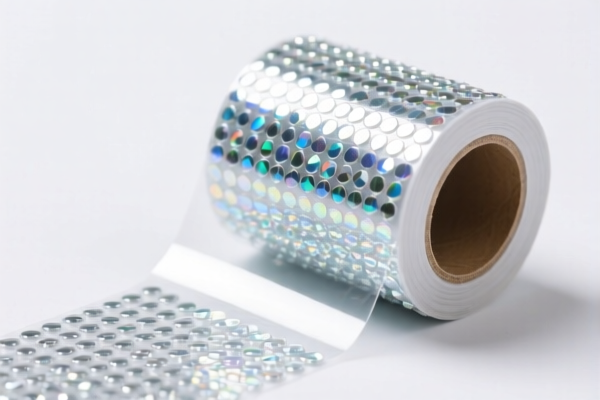
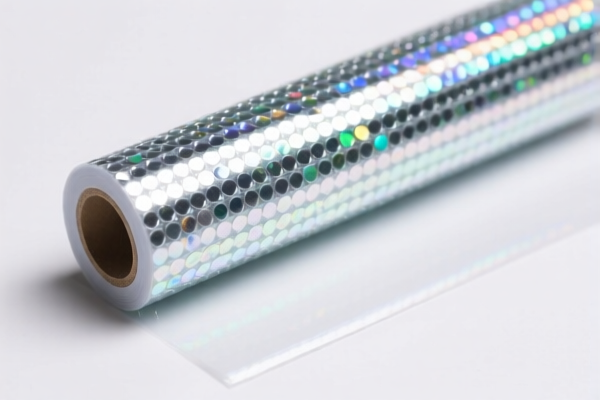
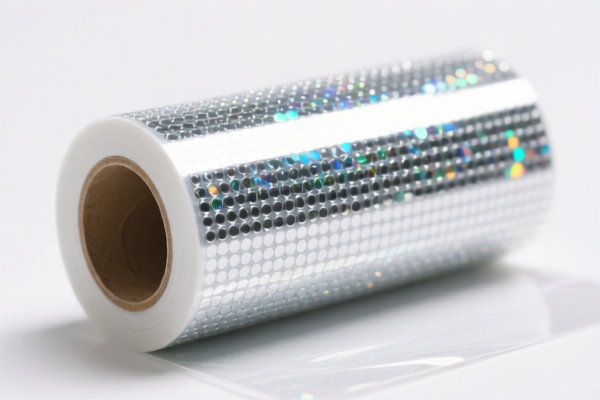
AI Analysis
🧥 Self-Adhesive Plastic Garment Film Roll (Shoe Material Context)
🌐 HS Code Reference & Clearance Guide | 2026 Latest Tariff Analysis | Professional Clearance Strategy
📌 I. Product Definition & Classification: What is "Self-Adhesive Plastic Garment Film Roll"?
The "Self-Adhesive Plastic Garment Film Roll" (often referred to in trade data as Shoe Material Film or Plastic Adhesive Roll) is a specialized plastic product used primarily in the footwear and apparel industry for bonding, laminating, or protecting components.
In international trade, its classification depends heavily on: 1. Material Composition: Usually PET (Polyethylene Terephthalate), PVC, or other polymer films. 2. Form Factor: Supplied in rolls. 3. Function: It has an adhesive backing (self-adhesive) or requires adhesive for application. 4. Specific Use: Often classified under "Shoe Materials" if specifically designed for footwear assembly, which triggers different tariff lines than general plastic films.
⚠️ Key Distinction:
- If it is a general-purpose plastic film with adhesive → Classified under Chapter 39 (Plastics), specifically 3919 (Self-adhesive plates, sheets, film, etc.).
- If it is specifically identified as a shoe material or part of footwear → It may fall under 3920 (Plates, sheets, film, etc., of plastics) or 3926 (Other articles of plastics).
- Crucial Note: The provided data suggests these goods are subject to significant US trade restrictions (Section 301 & Section 122), so accurate classification is critical for cost calculation.
📦 II. HS Code Classification Details (Based on Provided Data)
| HS Code | Product Description (From Data) | Key Characteristics | Total Tax Rate |
|---|---|---|---|
3920.62.00.20 |
Self-adhesive plastic shoe material film roll, form: film roll, material: plastic, fits polyester/category. | PET/Polyester-based, specific to shoe industry. | 39.2% |
3920.62.00.50 |
Self-adhesive plastic shoe material film roll, material: plastic (PET/Polyester inferred), form: film roll, use: self-adhesive. | Similar to above, broad polyester classification. | 39.2% |
3919.10.20.55 |
Self-adhesive plastic shoe material film roll, material: plastic, form: film roll, fits definition of self-adhesive plastic roll. | General self-adhesive plastic film (not necessarily polyester-specific). | 40.8% |
3919.90.50.60 |
Self-adhesive plastic shoe material film roll, form and material fully match, self-adhesive plastic material. | Other self-adhesive plastic articles (broad category). | 40.8% |
3926.90.99.89 |
Self-adhesive plastic shoe material film roll, material: plastic, form: film roll, classified as "Other plastic articles." | Fallback category for plastic articles not specified elsewhere. | 22.8% |
🔍 Critical Insight:
- 3920 vs. 3919: Codes starting with3920are usually plain plastic sheets/films (which may have adhesive applied later or are laminated), while3919are explicitly self-adhesive products. The data shows a mix, indicating potential ambiguity in customs declarations.
- 3926.90.99.89 offers the lowest tax rate (22.8%) but is a "catch-all" category. Misclassification here is risky and subject to scrutiny.
💰 III. 2026 Latest Tariff Rate Breakdown (Including Surtaxes & Policy Add-ons)
✅ Applicable Country: United States (US)
✅ Country of Origin: China (CN)
✅ Effective Time: Ongoing (Section 301 & 122 Tariffs)
🎯 1. HS Code 3920.62.00.20 & 3920.62.00.50 — Polyester-Based Self-Adhesive Plastic Film
| Item | Detail |
|---|---|
| Base Tariff | 4.2% (MFN Rate for Plastic Sheets/Films) |
| Section 301 Surtax | +25.0% (USITC Footnote: 9903.01.24/25 related to Chinese goods) |
| Section 122 Tariff | +10.0% (Targeting specific strategic materials or dual-use items) |
| Total Tariff Rate | 39.2% |
| Tax Calculation | CIF Value × 39.2% |
| De Minimis Exemption | ❌ NOT Eligible (Section 301/122 goods are excluded from $800 de minimis) |
| Legal Basis Path | IEEPA/USITC:3920.62.00 → Section 301: 25% → Section 122: 10% |
📌 Explanation:
- The 25% is the standard Section 301 tariff on many plastic products from China.
- The 10% is an additional Section 122 tariff, often applied to specific imports deemed to affect national security or supply chains.
- Total 39.2% is high. This category assumes the product is clearly identified as a plastic film/sheet.
🎯 2. HS Code 3919.10.20.55 & 3919.90.50.60 — General Self-Adhesive Plastic Rolls
| Item | Detail |
|---|---|
| Base Tariff | 5.8% (MFN Rate for Self-Adhesive Plastic Products) |
| Section 301 Surtax | +25.0% |
| Section 122 Tariff | +10.0% |
| Total Tariff Rate | 40.8% |
| Tax Calculation | CIF Value × 40.8% |
| De Minimis Exemption | ❌ NOT Eligible |
| Legal Basis Path | IEEPA/USITC:3919.10 → Section 301: 25% → Section 122: 10% |
📌 Note:
- Self-adhesive films (3919) often have a slightly higher base duty (5.8%) than plain films (3920, 4.2%).
- The Section 301 and 122 surcharges remain the same, leading to a higher total rate (40.8%) than the polyester-specific codes.
- Risk: If declared as3919but actually a standard3920film, you may pay more. If declared as3920but it's self-adhesive, you risk misclassification penalties.
🎯 3. HS Code 3926.90.99.89 — Other Plastic Articles (Lowest Rate Strategy?)
| Item | Detail |
|---|---|
| Base Tariff | 5.3% (MFN Rate for Other Plastic Articles) |
| Section 301 Surtax | +7.5% (Note: Some "Other" items have lower Section 301 lists, or this is a specific sub-category exemption/reduction) |
| Section 122 Tariff | +10.0% |
| Total Tariff Rate | 22.8% |
| Tax Calculation | CIF Value × 22.8% |
| De Minimis Exemption | ❌ NOT Eligible (Must verify specific HTS exclusion list) |
| Legal Basis Path | USITC:3926.90.99 → Section 301: 7.5% (if applicable) → Section 122: 10% |
📌 Warning:
- 22.8% is significantly lower. However,3926is a "basket" category for plastic items not elsewhere specified.
- Customs Scrutiny: U.S. Customs and Border Protection (CBP) heavily audits goods misclassified as3926to avoid higher duties. You must prove the product does not fit the more specific3919or3920descriptions.
- Section 301 Rate: The data indicates a 7.5% surtax for this code, which is much lower than the standard 25%. This is a critical cost-saving opportunity if the classification is defensible.
🛠️ IV. Practical Clearance Advice (Real-World Pitfall Guide)
✅ 1. Documentation Checklist (Non-Negotiable)
| Document | Required | Purpose |
|---|---|---|
| Product Specification Sheet | ✔️ | Must clearly state: Material (e.g., PET, PVC), Thickness, Adhesive Type, Width, Length. |
| Commercial Invoice | ✔️ | Must describe goods as "Self-Adhesive Plastic Film Roll for Shoe Manufacturing" or similar. Avoid vague terms like "Plastic Roll." |
| Bill of Lading / Air Waybill | ✔️ | Ensure weight and dimensions match invoice. |
| Certificate of Origin | ✔️ | To prove origin from China (triggers Section 301/122). |
| HS Code Pre-Ruling (Optional but Recommended) | ✔️ | Apply for an Advance Ruling from CBP to lock in the 22.8% vs. 39.2% rate. |
| Photos of Product & Packaging | ✔️ | Show adhesive side, label, and product form. |
✅ 2. Classification Strategy (Key Tips)
🔥 "Define Material, Define Adhesion, Define Use!"
| Scenario | Recommended HS Code | Risk Level | Tax Rate |
|---|---|---|---|
| Clear Polyester Film, Self-Adhesive, for Shoes | 3920.62.00.20 |
🟡 Medium | 39.2% |
| General Self-Adhesive Plastic Roll (Not specific to polyester) | 3919.10.20.55 |
🟠 High (40.8%) | 40.8% |
| Unclear/General Plastic Article, Not Specifically a Film | 3926.90.99.89 |
🔴 High Scrutiny | 22.8% |
📌 Important:
- Do not arbitrarily choose3926.90.99.89to save money without strong justification. CBP may issue a Notice of Treatement or Penalty if they determine the product is clearly a "film" (3920/3919).
- If the product is specifically designed for footwear and acts as a lining or bonding layer, argue for3920as it is more specific than3926.
✅ 3. Special Situations
| Situation | Advice |
|---|---|
| De Minimis ($800) Shipment | ❌ Do Not Use. Section 301 and 122 tariffs apply even to small shipments. The carrier will charge you the duty upon entry. |
| Mixed Shipment (Shoe Materials + Other Goods) | Separate the plastic film rolls on the invoice. Do not bundle them with unrelated items to obscure their origin or nature. |
| Supplier Claims "Non-China Origin" | If the film is made in Vietnam but assembled in China, ensure you have the correct Form A or Certificate of Origin. However, Section 301 may still apply if substantial transformation does not occur. |
| Section 122 Specificity | Section 122 often targets specific sectors. If your plastic film is used in military or dual-use applications, the 10% surtax is mandatory. If it's purely for consumer shoe manufacturing, verify if Section 122 still applies (as per current trade policy). |
🌍 V. Global Market Comparison (2026 Update)
| Market | Recommended HS Code | Estimated Total Duty | Notes |
|---|---|---|---|
| 🇺🇸 USA | 3920.62.00.20 or 3919.10.20.55 |
39.2% - 40.8% | High tariffs due to Section 301 & 122. |
| 🇨🇳 China | 3920.62.00.20 |
~4.2% - 5.8% | Low import duty from most countries, but no surtaxes. |
| 🇪🇺 EU | 3920.62.00.20 |
~4.2% - 6.7% | No Section 301/122. Standard EU Common Customs Tariff. |
| 🇬🇧 UK | 3920.62.00.20 |
~4.2% - 6.7% | Post-Brexit tariff schedule similar to EU. |
📌 Conclusion:
- USA is the most expensive market for this product due to multiple layers of tariffs.
- EU/UK are significantly cheaper (~4-7% total).
- Consider supply chain diversification if shipping to the US is volume-intensive.
📌 VI. Common Mistakes & Pitfalls (Learn from Others)
❌ Mistake 1: Declaring as "Plastic Roll" without specifying "Self-Adhesive"
👉 Consequence: Customs may classify it under 3920 (higher base duty) or reject the declaration for lack of detail.
❌ Mistake 2: Using 3926.90.99.89 to avoid 39.2% tax without justification
👉 Consequence: CBP audit, back-taxes, and penalties. The burden of proof is on the importer.
❌ Mistake 3: Assuming De Minimis ($800) applies
👉 Consequence: Package held at border, forced to pay duties, storage fees, and potential return costs.
❌ Mistake 4: Ignoring Section 122 Tariffs
👉 Consequence: Underpayment of 10% on top of Section 301. This is a separate statutory requirement.
✅ Best Practice:
"Declare Material, Adhesive, and Use Precisely."
Example:
"Self-Adhesive Polyester (PET) Plastic Film Roll, Width 100cm, Thickness 0.1mm, for Shoe Manufacturing, HS Code 3920.62.00.20"
🎯 VII. Final Recommendations: Professional, Efficient, Cost-Effective!
🎯 Key Takeaways:
🔹 Total Tax Range: 22.8% - 40.8% depending on precise classification.
🔹 Highest Risk: Misclassifying3919/3920as3926to save money.
🔹 Highest Cost:3919codes (40.8%) due to higher base duty.
🔹 Strategy: If possible, seek a CBP Advance Ruling to confirm eligibility for the lower 22.8% rate under3926, but only if defensible. Otherwise, budget for ~39-40%.
📌 Pro Tip:
- Pre-Alert Your Broker: Provide detailed specs and photos before shipment to avoid delays.
- Check Exclusions: Verify if your specific product type is on the Section 301 exclusion list (unlikely for basic plastic films, but worth checking).
- Negotiate Terms: If you are the buyer, consider DDP (Delivered Duty Paid) terms if your supplier can handle the complex US tariff structure, or adjust prices to account for the ~40% duty burden.
📣 Immediate Action:
📞 Contact a Licensed US Customs Broker to file a Binding Ruling request.
📄 Prepare Detailed Product Specs (Material, Adhesive Type, Dimensions).
🚀 Optimize Your Supply Chain to mitigate high tariff impacts!
✨ Precision in Classification, Profitability in Clearance!
💼 Every Percent Counts in International Trade!
Customer Reviews
About HS Code Classification
The Harmonized System (HS) is an internationally standardized nomenclature developed by the World Customs Organization (WCO) to classify traded products. Over 200 countries use the HS system as the basis for customs tariffs, trade statistics, and import/export regulations.
Each HS code follows a hierarchical structure:
- Chapter (2 digits) — Broad category of goods (e.g., Chapter 84: Machinery and Mechanical Appliances)
- Heading (4 digits) — More specific grouping within the chapter
- Subheading (6 digits) — Internationally standardized breakdown, used by all WCO member countries
- National subdivisions (8-10 digits) — Country-specific extensions for further classification, such as US HTSUS 10-digit codes
Correct HS code classification is essential for smooth customs clearance, accurate duty payment, and compliance with trade regulations. Misclassification can lead to customs delays, overpayment of duties, or penalties.
When importing from CN to US, the applicable tariff rates may include:
- Most-Favored-Nation (MFN) rate — The standard duty rate applied to WTO members
- General rate — Applied to countries without trade agreements
- Trade remedy duties — Additional tariffs such as Section 301 (anti-dumping), Section 232 (national security), or countervailing duties
The information provided on this page is for reference purposes only. For official classification, please consult with your local customs authority or a licensed customs broker.